Is there a low magnesium epidemic?
With the current buzz around magnesium supplements it implies that we are all short of magnesium. But are we? First it is important that you are aware there is currently no test to determine your magnesium levels that is cost effective or well validated. Even clinical manifestations of magnesium deficiency are difficult to define due to magnesiums many roles in our body. Despite this amoung researchers, magnesium defficiency is known as the silent epidemic of our times. At first glance this seems a paradox how can people be low in magnesium if you can't measure it? The answer appears to be lifestyle and diet. Less than 30% of U.S adults comsume the recomended daily allowance (RDA) of magnesium. And nearly 20% get only half of the magnesium they need daily to remain healthy. So what are the symptoms of poor magnesium intake:
- Muscle cramps
- Facial ticks
- Poor sleep
- Chronic pain
What is the cause of the low mangesium epidemic?
Having identified that researchers believe there is an epedemic of low magnesium causes by our diets and lifestyles. So what is it we are doing that is the cause of the low magnesium epedmic. 1. Sweet foods Refined sugar found in pastries, cakes, desserts, sweets etc contains no magnesium and causes the body to excrete magnesium. 2. Physical and emotional stress Physcial stress e.g. surgery and emotional stress e.g. moving house, grief can cause a magnesium deficiency. In studies, adrenaline and cortisol by products of the "fight or flight" stress reaction assoicated with stress and anxeity were associated with decreated magnesium. This is because stressful situations require more magnesium use by the body which can lead to a deficiency. A lack of magnesium tends to magnify the stress reaction, worsening the problem. 3. Medication The effects of certain drugs
- Diuretics
- Heart medications
- Asthma medications
- Birth control pills
- Estrogen replacement therapy
How much stress is too much?
How much stress is too much?
Because of the widespread damage stress can cause, it's important to know your own limit. But just how much stress is "too much" differs from person to person. We're all different. Some people are able to roll with the punches, while others seem to crumble in the face of far smaller obstacles or frustrations. Some people even seem to thrive on the excitement and challenge of a high-stress lifestyle. Your ability to tolerate stress depends on many factors, including the quality of your relationships, your general outlook on life, your emotional intelligence, and genetics.Things that influence your stress tolerance level
- Your support network – A strong network of supportive friends and family members can be an enormous buffer against life’s stressors. On the flip side, the more lonely and isolated you are, the greater your vulnerability to stress.
- Your sense of control – It may be easier to take stress in your stride if you have confidence in yourself and your ability to influence events and persevere through challenges. If you feel like things are out of your control, you’re likely to have less tolerance for stress.
- Your attitude and outlook – Optimistic people are often more stress-hardy. They tend to embrace challenges, have a strong sense of humor, and accept that change is a part of life.
- Your ability to deal with your emotions – You’re extremely vulnerable to stress if you don’t know how to calm and soothe yourself when you’re feeling sad, angry, or overwhelmed by a situation. The ability to bring your emotions into balance helps you bounce back from adversity and is a skill that can be learned at any age.
- Your knowledge and preparation – The more you know about a stressful situation, including how long it will last and what to expect, the easier it is to cope. For example, if you go into surgery with a realistic picture of what to expect post-op, a painful recovery will be less traumatic than if you were expecting to bounce back immediately.
The relationship between vitamin D and your immune system
A growing body of scientific evidence shows that vitamin D plays a crucial role in disease prevention and maintaining optimal health. You have about 30,000 genes in your body and vitamin D affects nearly 3,000. This is in addition to all the vitamin D receptors through out your body. Inflammation is the body's attempt at self-protection; the aim being to remove harmful stimuli, including damaged cells, irritants, or pathogens. While inflammation is a vital part of the body's immune response, it can also be problematic and plays a role in some chronic diseases e.g asthma, arthritis. Researchers investigated specific signalling events that vitamin D suppresses in order to inhibit inflammation. Research published in The Journal of Immunology called it the "inflammatory cascade"; low vitamin D levels failed to inhibit the cascade while adequate levels did the job. Researchers concluded that patients with chronic inflammatory diseases who are also vitamin D deficient may benefit from supplementation. Researchers in Turkey, reported in the international Journal of Rheumatic Diseases that chronic widespread musculoskeletal pain is improved with vitamin D. Fibromyalgia sufferers and other patients with chronic widespread musculoskeletal pain were given 50,000 iu/week oral vitamin D3 for three months. Afterwards scientists discovered decreases in pain, fatigue upon awaking, lack of energy, tender points and depression. Significantly there were 30 Fibromyalgia patients at the beginning of the study and only 20 at the end! Next week I want to look at the relationship between low vitamin D levels and common ailments. References Zhang Y, et al. (2012). Vitamin D Inhibits Monocyte/Macrophage Proinflammatory Cytokine Production by Targeting MAPK Phosphatase-1. The Journal of Immunology.
Yilmaz, R., Salli, A., Cingoz, H. T., Kucuksen, S. and Ugurlu, H. (2016), Efficacy of vitamin D replacement therapy on patients with chronic nonspecific widespread musculoskeletal pain with vitamin D deficiency. Int J Rheum Dis.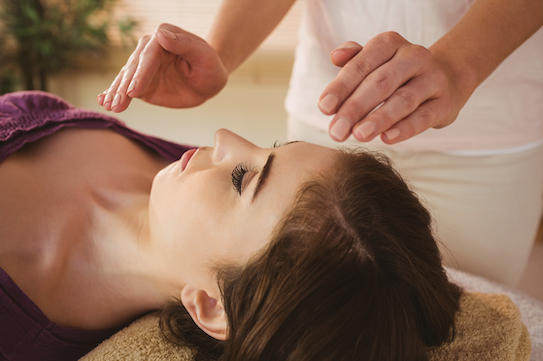
What is Reiki?
Reiki is a Japanese healing practice for reducing stress and inducing the body to heal itself. Reiki, pronounced Ray Key, is a Japanese word which means free passage of universal life force energy. This life force energy is known as Prana in India, Chi in China, Ki in Japan, Mana in Hawaii and Elan vital in Europe. All of us have life force energy; it is essential for life and needs to flow freely for optimum health. The aim of Reiki treatments is to harmonise your life force energy and reconnect you to the universal energy. Reiki energy is said to come from the source of all creation. This Source is said to be the vital force that sustains the cosmos and infuses us with light and life, providing the energy source from which our bodies, and all forms of matter, arise. Our aura is an energy body that surrounds our physical body; it emerges from our chakras (the energy centres of the body) and reflects the state of our life force energy. These concepts are the pillars on which all healing traditions including Reiki are built and can be found in the texts of ancient Chinese, Indian and Japanese philosophies. More recently, modern scientific understanding has started to converge with this ancient wisdom. Quantum physicists have discovered that the universe is made up of energy, the Zero Point Field, and this energy is the source of all matter in the universe including human beings.

What can help period pain – Part 3?
While taking nutritional supplements suits some women, I know others don’t like taking tablets. So here are a couple of other ideas to assist you with your period pain. There is scientific evidence that from a trail of women who suffer from period pain that certain yoga poses e.g. cobra, cat and fish reduce both the intensity and duration of period pain. The cobra pose is where you lie on your front, with your hand underneath your shoulders and gently push yourself up bending your back as you come up. The cat pose is when you are on all fours and then round your spine like a cat. The fish pose is when you lie on your back, keep your pelvis and head on the floor and an arch your spine towards the ceiling. As an aromatherapist there are a variety of essential oils that you can use to help reduce the severity of period pain. Aromatherapists split period pain into two categories:
- Congestive dysmenorrhoea – where the pain starts a few days before the period and can cover the whole abdominal area.
- Spasmodic dysmenorrhoea which comes in spams of pain in the pelvis and/or lower back.
Reiki – Mechanisms of Healing – Part 1
In the past series on Reiki I discussed whether Reiki was a placebo, and cited a variety of scientific experiments to demonstrate it is not. Now I would like to discuss the mechanisms of healing. Like all other aspects of healing, the mechanism is little understood. So I would like to discuss the range of ideas concerning such mechanisms. At one end of this range, is the belief, held by many healers, that they are channelling a higher spiritual energy that ultimately derives from God. This energy is often referred to as “divine love” or “unconditional love” by healers. At the other end of the range there are many theories which are based on our knowledge of science, particular physics. The possibility that any conventional electromagnetic energy may be a candidate for “healing energy” seems unlikely as healing has been shown, at times to operate outside the dimensions of space & time. For example there are a wide variety of scientific experiments were healing procedures were partly or wholly undertaken at a distance1. Between these 'spiritual' and 'material' poles there is a middle ground of ideas concerning healing mechanisms based on the concepts of subtle energies, the subtle energy bodies of all living organisms and the universal energy known by names such as prana and chi. . I personally believe that I act as a channel for universal energy that comes from the natural world. References Dossey, L. (1993). Healing Words. The Power of Prayer and the Practice of Medicine. Harper Collins; New York.
Am I stressed?
If you ask people are they stressed, most people will say no. The reality is that people rarely feel stressed out. So I wanted to publish a guide to helping you becoming more aware of when your stress goes to high. Psychologist Connie Lillas uses a driving analogy to describe the three most common ways people respond when they’re overwhelmed by stress:
- Foot on the gas – An angry, agitated, or “fight” stress response. You’re heated, keyed up, overly emotional, and unable to sit still.
- Foot on the brake – A withdrawn, depressed, or “flight” stress response. You shut down, pull away, space out, and show very little energy or emotion.
- Foot on both – A tense or “freeze” stress response. You become frozen under pressure and can’t do anything. You look paralyzed, but under the surface you’re extremely agitated.
Cognitive Symptoms Emotional Symptoms - Memory problems
- Inability to concentrate
- Poor judgment
- Seeing only the negative
- Anxious or racing thoughts
- Constant worrying
- Moodiness
- Irritability or short temper
- Agitation, inability to relax
- Feeling overwhelmed
- Sense of loneliness and isolation
- Depression or general unhappiness
Physical Symptoms Behavioral Symptoms - Aches and pains
- Diarrhea or constipation
- Nausea, dizziness
- Chest pain, rapid heartbeat
- Loss of sex drive
- Frequent colds
- Eating more or less
- Sleeping too much or too little
- Isolating yourself from others
- Procrastinating or neglecting responsibilities
- Using alcohol, cigarettes, or drugs to relax
- Nervous habits (e.g. nail biting, pacing)
More causes of the low magnesium epidemic?
In my last blog article, I started to explore how every day food choices and medications were having an adverse impact on our magnesium levels. I now want to take a look at what we drink and ageing. 1. Cola drinks Most dark colored soft drinks contain phospates, which actually bind to magnesium inside the digestive tract making it unavailable to the body. 2. Caffinated drinks The kidneys regulate the level of magnesium in our body. Caffine found in tea and coffee caues the kidnesy to release extra magnesium. 3. Alcohol Alcohol increased the excretion of magnesium by the kidneys. 4. Ageing Finally if the list wasn't long enough, we need to add one more thing that we can't avoid, getting older. The over 55's are particularly vulnerable to low magnsium. Magnesium metabolism may be less efficient as we grow older as changes to the GI tract and kidneys contribute to older adults aborbing less and retaining less magnsium. References Dean C. The Magnesium Miracle. New York: Ballantine Books; 2007. Weiss GH, Sluss PM, Linke CA. Changes in urinary magnesium, citrate and oxalate levels due to cola consumption. Urology 1992;39:331-3 Brink E. J., Beynen A. C., Dekker P. R., Beresteijn E.C.H., Meer R. Interaction of calcium and phosphate decreases ileal magnesium solubility and apparent magnesium absorption. The Journal of Nutrition. 1992; 122:580-586 Seelig M, Rosanoff A. The Magnesium Factor. New York: Avery Books; 2003 Heaney RP, Rafferty K. Carbonated beverages and urinary calcium excretion. American Journal of Clinical Nutrition. 2001; 74:343–347 Irwin R, Rippe J. Irwin and Rippe’s Intensive Care Medicine. Philadelphia: Lippincott, Williams and Wilkins; 2008 Bernstein A, Luggen AS. Nutrition for the Older Adult. Sudbury, MA: Jones and Bartlett Publishers; 2010.
Is slouching that bad for you? – part 1
We spend the vast majority of our time in static positions — either sitting or standing — when the temptation to slump and sag is just too great. Most of us know from experience that sitting hunched in front of a computer or driving wheel can lead to a stiff, painful back and shoulders.
But in this blog article and the next three, I want to explain how poor posture can lead to other health problems . . . It may raise your blood pressure.... The usual risk factors for high blood pressure are age, being overweight, smoking and chronic diseases such as type 2 diabetes. But scientists now think slouching may trigger it, too. This is because there is a link between neck muscles and the area of the brain that helps regulate blood pressure. In a study published in 2007, neuro-scientists at the University of Leeds found that when cells in the neck muscles sense the neck is moving, they send a signal to that area of the brain. The theory is that this helps ensure adequate blood supply when we change posture, for example from sitting to standing. But if the neck muscle cells become damaged or pressured through stooping and slumping, this could trigger problems with blood pressure, suggests Professor Jim Deuchars, the scientist who led the study. He adds that this might explain why some people who suffer whiplash injuries notice a change in their blood pressure — sometimes it’s higher, sometimes lower. ‘It’s possible that poor posture, which compresses the neck muscles, may be involved in high blood pressure, too, but more research is needed.’
Is Reiki a Placebo? – Part 1
By nature Reiki is very intangible. So in a series of blog articles I will try to explore how Reiki works and what the scientific research says. For me Reiki is merely a modern name for an ancient healing practice. Which is administered by "laying on hands" and is based on the idea that an unseen "life force energy" flows through us and is what causes us to be alive. If one's "life force energy" is low, we are run down and then we are more likely to get sick or feel stress, and if it is high, we are more capable of being happy and healthy. The benefits of Reiki
- Help some people to feel deeply relaxed
- Help people cope with difficult situations
- Relieve emotional stress and tension
- Help to improve overall wellbeing
- Help alleviate pain & anxiety
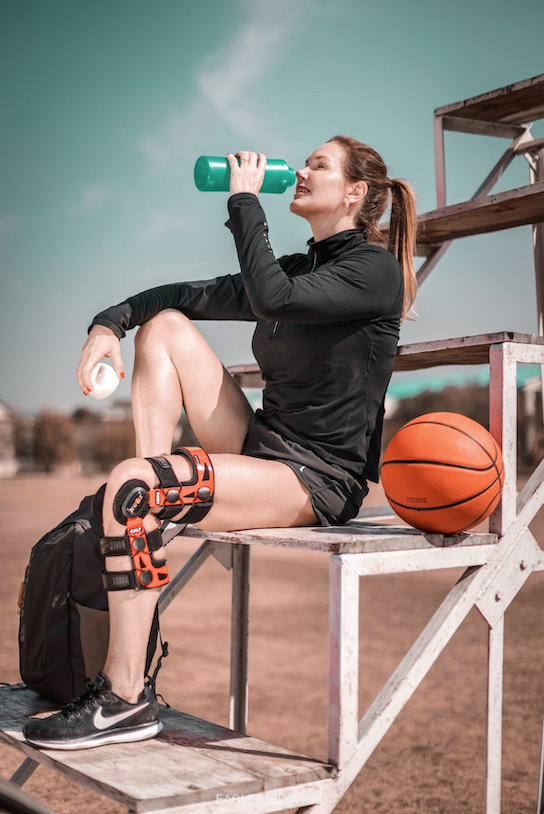
Massage for Runners … its all about optimising recovery
We are introducing a new service: Runners Massage a special service to assist runners to optimise their recovery the massage will
- flush out all the waste products in the tired muscles
- address micro tears in the muscles
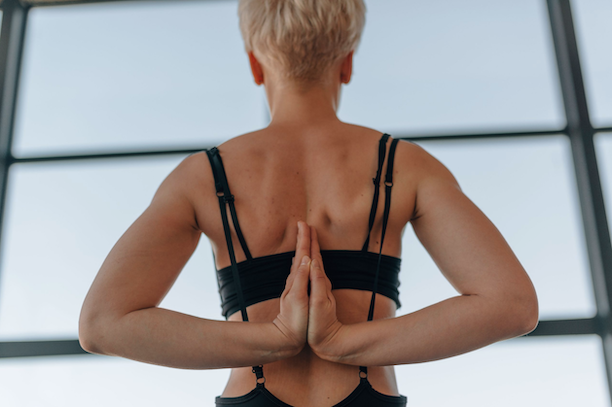
How to test if you have good posture
We all know that we need good posture. So today I wanted to share with you how to test if you have good posture.
The Wall Test - Stand with the back of your head touching the wall and your heels six inches from the baseboard. With your buttocks touching the wall, check the distance with your hand between your lower back and the wall, and your neck and the wall. If you can get within an inch or two at the low back and two inches at the neck, you are close to having excellent posture. If not, your posture may need professional attention to restore the normal curves of your spine.
The 'Jump' Test - Feel the muscles of your neck and shoulders. Do you find areas that are tender and sensitive? Are the buttock muscles sore when you apply pressure? What about the chest muscles?
If any of your muscles feel tight, sore or achy then why not book in for a massage.
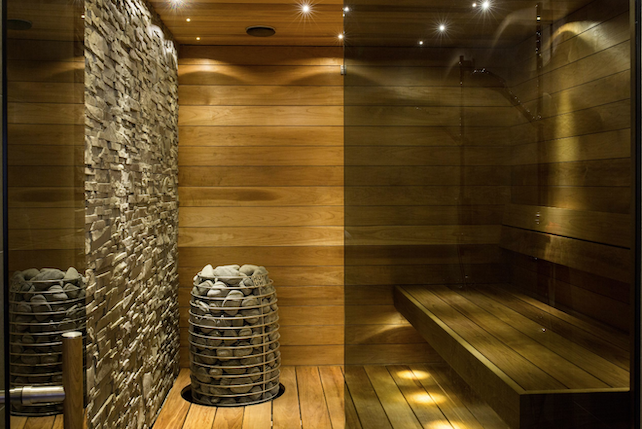
Can going to the sauna help your BP?
I will start with a confession. While I know the benefits of hydotherapy - basically you take a hot shower for 30 seconds then switch to freezing cold for 30 seconds, then go back to hot and repeat for 2 or 3 minutes - it has never appealed to me. It may be fantastic for blood flow and good for your liver, but to me it seems brutal! So in the past, I have only spent a few short minutes in a sauna and I have never been tempted to jump into the ice cold plunge pool afterwards - despite my finnish friends telling me how fantastic it is. So I was interested in the Kuopio Ischaemic Heart Disease Risk Factor Study which looked at if frequent use of a sauna has reduces the risk of high BP. The study looked at 1,621 middle-aged men living in eastern Finland. The study found that
- Going to the sauna 4 to 7 times per week reduces your risk of develping High BP by 46%.
- Going to the sauna 2 to 3 times per week reduces your risk of develpoing High BP by 24%.
Is there any scientific evidence that massage can assist with pain?
Based on my experience treating clients there is little doubt in my mind that a massage can relieve pain in tight or overworked muscles, but there is also growing scientific evidence that it can help relieve chronic pain. A study published in Annals of Family Medicine in 2014 found that 60-minute therapeutic massage sessions two or three times a week for four weeks relieved chronic neck pain better than no massage or fewer or shorter massage sessions. A study of 262 patients published in the Archives of Internal Medicine found that massage was far superior to acupuncture or patient education for relieving back pain. After 10 weeks, 74 percent of patients said massage was "very helpful." Only 46 percent for those who received acupuncture and about 17 percent of those who read a self-help book had the same response. Massage patients were also four times less likely than other patients to report being bedridden with pain. The authors concluded that "massage might be an effective alternative to conventional medical care for persistent back pain." In a true test of its value, massage has even been shown to ease the chronic pain suffered by cancer patients. A study of more than 1,200 patients at Memorial Sloan-Kettering Cancer Center published in the Journal of Pain and Symptom Management found that massage reduces symptoms such as anxiety, nausea, and pain by about 50 percent. Studies suggest that for women in labour, massage provides some pain relief and increased their satisfaction with other forms of pain relief but the evidence isn't conclusive. In a 2012 study there was evidence that massage may help with pain due to osteoarthritis of knee. References Cherkin DC, Eisenberg D, Sherman KJ, Barlow W, Kaptchuk TJ, Street J, Deyo RA. Randomized trial comparing traditional Chinese medical acupuncture, therapeutic massage, and self-care education for chronic low back pain. Arch Intern Med. 2001 Apr 23;161(8):1081-8. Sherman KJ, Cook AJ, Wellman RD, et al. Five-week outcomes from a dosing trial of therapeutic massage for chronic neck pain. Annals of Family Medicine. 2014;12(2):112–120. Sherman KJ, Cherkin DC, Hawkes RJ, et al. Randomized trial of therapeutic massage for chronic neck pain. Clinical Journal of Pain. 2009;25(3):233–238. Cherkin DC, Sherman KJ, Kahn J, et al. A comparison of the effects of 2 types of massage and usual care on chronic low back pain: a randomized, controlled trial. Annals of Internal Medicine. 2011;155(1):1–9 Furlan AD, Imamura M, Dryden T, et al. Massage for low-back pain. Cochrane Database of Systematic Reviews. 2008;(4):CD001929 Perlman AI, Ali A, Njike VY, et al. Massage therapy for osteoarthritis of the knee: a randomized dose-finding trial. PLoS One. 2012;7(2):e30248 Corbin L. Safety and efficacy of massage therapy for patients with cancer. Cancer Control. 2005;12(3):158–164. Wilkinson S, Barnes K, Storey L. Massage for symptom relief in patients with cancer: systematic review. Journal of Advanced Nursing. 2008;63(5):430–439. Jones L, Othman M, Dowswell T, et al. Pain management for women in labour: an overview of systematic reviews. Cochrane Database of Systematic Reviews. 2012; (3):CD009234
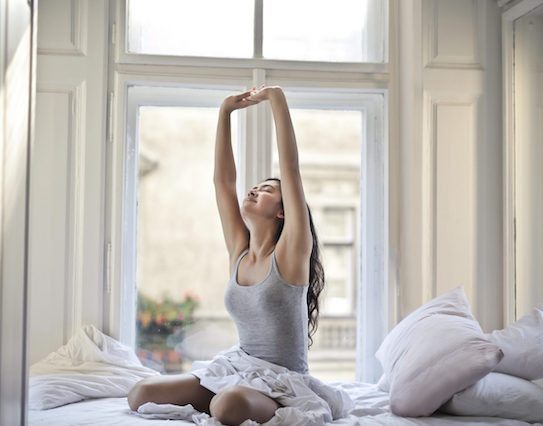
Sleep – Its only one way of getting energy.
The function of sleep is to renew us and its gives us our vitality or give us energy to live our lives. But while it may be ideal to have 7, 8 or 9 hours a sleep it’s not always possible with our 21st century life styles. For many people there is simply too much to do to sleep. So given you can’t create time, what can you do. First remember that sleep is only one way to recharge our energy battery. Energy How much energy you have right now isn’t purely based on how well you slept last night or how well you have been sleeping recently. By “energy” I mean your personal ability to live life to its fullest capacity. So where would you put yourself on an energy scale of 1 to 100% where 1 is very low energy and 100 is full of energy? Below 30% we are de-motivated, low in self-esteem and feel out of control. Just like jump-starting a car when the car battery has gone flat, if your energy falls below 30% then you need an energy boost from something like acupuncture, shiatsu or reiki. Once your energy level is about 30% then it’s possible to help yourself boost your energy. Physical Energy Boosters This is what we do to care for ourselves physical and the things that give us our vitality and make us feel physically well and energised.
- Rest is not just the essential precursor to brilliant sleep; it is also a substitute for sleep as it allows us to recharge our batteries.
- A healthy diet provides the nutritional support your body needs to provide physical energy.
- Exercise including yoga, swimming, walking and tai chi help re-charge our batteries.
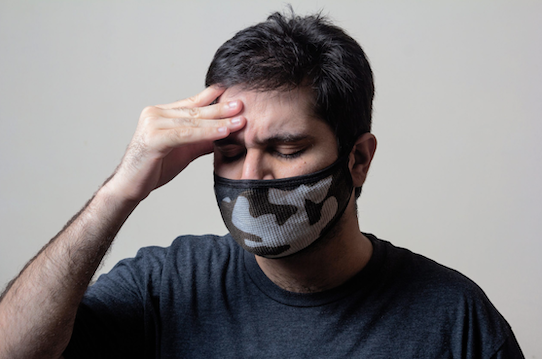
Migraine – Part 3
In part 1, I explore what a migraine was and how it differed from headaches and they shared a herbal remedy, last week in part 2 I looked at potential nutrional diffciences. This week, I want to explore some growing evidence about the impact of exercise. When you are having a migraine it is natural to want to rest and for some people exercise can trigger a migraine. So I was slightly surprise about the growing evidence that suggest exercise can help migraine sufferers. Firstly, the evidence all relates to a certain type of exercise known as High Intentsity Interval Training (HIIT). This is where you alternative periods of intense exercise with periods of less intense recovery. Recently scientists compared the effects of twice weekly HIIT sessions with moderate continous exercise and a control intevention and found that HIIT had most beneficial results. They found HIIT significantly reduced the munber of migraine days amoung sufferers. Reference Hanssen H, Minghetti A, Magon S, et al. Effects of different endurance exercise modalities on migraine days and cerebrovascular health in episodic migraineurs: A randomized controlled trial. Scand J Med Sci Sports. 2018;28:1103–1112. https://doi.org/10.1111/sms.13023
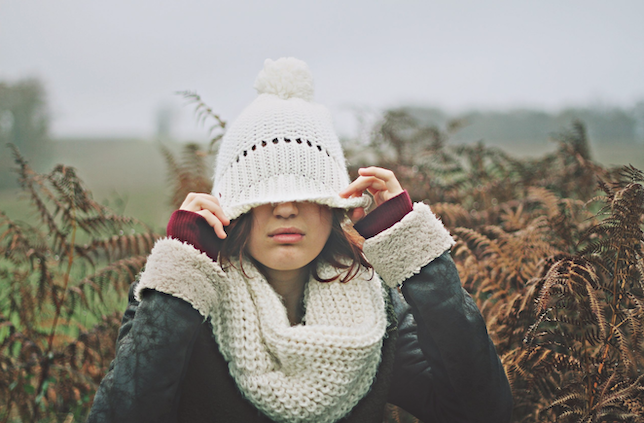
Natural remedies for the winter blues – Part 1
By January I am seriously missing the sun. While I know we have had the shortest day, the grey weather and the snow jsut reminds me we are in deep winter. So with the Brexit impass being deeply demoralising and frustraing, I wanted to share some tips to combat the blues. 1. Vitamin D Most people are short of Vitamin D in the uk. One of the signs of being short of Vitamin D is feeling blue. 2. Spice it up. Earlier today I was planning my meals for the week before I went to the supermarket. At this time of year I always fancy dishes containting yellow rice i.e. paella or pilau rice. I know its the yellow colour that particularly appeals which you get by adding either Tumeric or Saffron. In clinical trails Curcumin the main active ingredient in Tumeric (the bright yellow Indian spice) has been to be as effective as Prozac. A review of several trains of Saffron found it was a safe and effective treatmetn for depression. While I like to cook with the spices, it isn't as effective as supplements which are standardised extracts. For me cooking with the spice is fine as I am not depressed. 3. 5-HTP A naturally occuring amino acid, 5-HTP is used by the body to make serotonin the "happy hormone". Suplements produced from the seeds of the West African medicinal plant Griffonia Simplicifoia show promised for depression. References Woo YS, Kim S, Jeong JH, Jung YE, Kim MD, Bahk WM. Vitamin D Deficiency/Insufficiency among Inpatients with Depressive Symptoms. Clin Psychopharmacol Neurosci. 2019 Feb 28;17(1):121-124. Sanmukhani J, Satodia V, Trivedi J, Patel T, Tiwari D, Panchal B, Goel A, Tripathi CB. Efficacy and safety of curcumin in major depressive disorder: a randomized controlled trial. Phytother Res. 2014 Apr;28(4):579-85. Moshiri E, Basti AA, Noorbala AA, Jamshidi AH, Hesameddin Abbasi S, Akhondzadeh S. Crocus sativus L. (petal) in the treatment of mild-to-moderate depression: a double-blind, randomized and placebo-controlled trial. Phytomedicine. 2006 Nov;13(9-10):607-11 Birdsall TC. 5-Hydroxytryptophan: a clinically-effective serotonin precursor. Altern Med Rev. 1998 Aug;3(4):271-80.
What happens to your muscles when you sit?
 Chair sitting is unique in that Gluteus maximi are totally relaxed at the same time as having an upright torso, and they are therefore not able to contribute to lumbar extension and back stabilization as they usually do. Without the help of the Gluteal muscles, the Erector Spinae muscles above become tired and painful in a very short time, and give up fighting to maintain the correct "hollow" in the lumbar spine.
The diagram on the left indicates what happens to three key muscles when you spend long periods of time sitting.
The Hamstrings (H) are shortened by sitting. Also, during sitting, the Gluteus Maximus (GM) is relaxed and unable to tension the lumbosacral fascia. This means the Errector Spinae (ES) muscle group must therefore perform the entire lumber extension workload.
This article discusses the link between lower back pain and the following muscle problems:-
Chair sitting is unique in that Gluteus maximi are totally relaxed at the same time as having an upright torso, and they are therefore not able to contribute to lumbar extension and back stabilization as they usually do. Without the help of the Gluteal muscles, the Erector Spinae muscles above become tired and painful in a very short time, and give up fighting to maintain the correct "hollow" in the lumbar spine.
The diagram on the left indicates what happens to three key muscles when you spend long periods of time sitting.
The Hamstrings (H) are shortened by sitting. Also, during sitting, the Gluteus Maximus (GM) is relaxed and unable to tension the lumbosacral fascia. This means the Errector Spinae (ES) muscle group must therefore perform the entire lumber extension workload.
This article discusses the link between lower back pain and the following muscle problems:-
- Shortening of the hamstring muscle.
- Overworking of the Erector Spinae muscle group and the development of trigger points.
- Overworking of the Iliopsoas muscle group and the development of trigger points.
- Diffuse achy - type pain radiating out from the groin area to the lower back, and possibly around to the side of the hip and the butt area. If the trigger points in the groin are not pressed, the pain is not sharp or stabbing.
- Relief of pain is often experienced by sitting down.
- Worse upon lengthening the iliopsoas, i.e. when one stands up, or straightens the hip joint.
- Worse for doing situps.
- Worsened by externally rotating the hip (i.e. making the knee cap look outward) when the hip joint is fully extended.
- In patients with sciatic nerve pain, lying flat on one's back with the legs out straight causes the trigger point tightened iliopsoas to compress the lumbar vertebrae together, with the result that the nerve roots of the sciatic nerve are compressed too.
- When lying flat on one's back, doing a straight leg raise reveals weakness on the affected side.
- In patients with sciatic nerve pain due to nerve root compression, lying flat on one's back with legs out straight stretches that trigger point tightened iliopsoas. The result is that the iliopsoas compresses the lumbar vertebrae together, and the the nerve roots of the sciatic nerve are compressed at the same time.
Whats the most effective recovery strategy from after a run?
Fatigue in sport has become a topic of interest among athletes, coaches and sport scientists because it affects athletic performance across a wide range of sports. Sports related fatigue can be defined as a decline of muscle force or an exercise induced impairment of performance. (Knicker, 2011).Scientists recruited 46 healthy male recreational runners taking part in the same half marathon event and assigned them to four groups of equal ability, which either had sports massage, cold water immersion (ice baths), active recovery or passive rest within 15 minutes after the event.The sports massage group had a 20 minutes post event sports massage focusing on the legs. The cold water immersion group sat in cold baths where the temperature was maintained at fifteen degrees centrigrade plus/minus 1 degree. While participants in the passive rest group sat at rest on a bench. While those in the active recovery group jogged at 60% of their anaerobic threshold for all 15 minutes.24 hours before the half marathon, immediately after the intervention and then 24 hours after the race jump height, muscle soreness, perceived recovery and stress were measured. The results show the sports massage and cold water immersion had no effect on objective markers of fatigue such as changes in muscle and the blood but they did have a significant effect ont he subjective fatigue measures, including perceived recover and muscle soreness. These interventions were more effective than passive rest while active recovery had no physical advantage and a negative effect on perceived recovery.Reference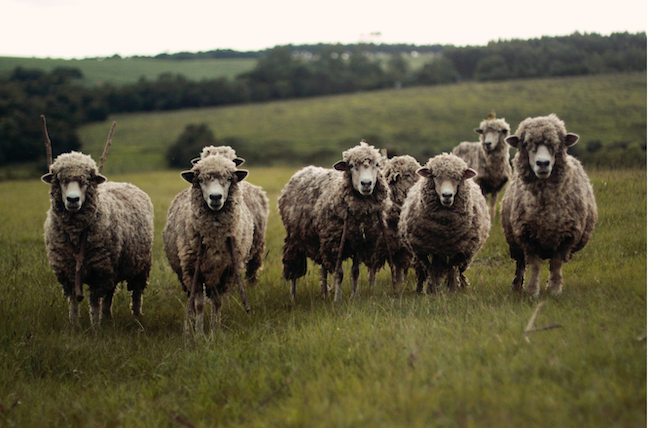
Does counting sheep work…
Counting sheep is the age old method of falling to sleep, but does it really work? Those finding hard to sleep often seek distraction and some distractions work better than others, a team at Oxford University has found. Researchers have discovered that picturing an engaging scene takes up more brain space than the same old sheep. In addition it is easier to focus on an engaging scene because its way more interesting that sheep. Harvey and her colleague Suzanna Payne asked 50 insomniacs to try different distraction techniques on certain nights, to see which helped them fall asleep more quickly. One group conjured up a tranquil and relaxing scene such as a waterfall or being on holiday, while a second were asked to think of a distraction such as counting sheep. A third group were left to their own devices. On average, those picturing a relaxing scene fell asleep over 20 minutes earlier than on nights they didn’t try the technique. But both the sheep-counters and the controls took slightly longer than normal to fall asleep on the nights of the experiment. The researches concluded that counting sheep is just too mundane to effectively keep worries away. If you find it difficult to conjure up vivid visulisations, aromatherapy may help. A few drops of lavendar, chamomile or neroli essential oils may assist you to relax and unwide, and counjure up tranquil springtime fields. References A G Harvey, S Payne (2002) The management of unwanted pre-sleep thoughts in insomnia: distraction with imagery versus general distraction. Behaviour Research and Therapy vol 40, issue 4, 267 - 277
How can Reflexology help me?
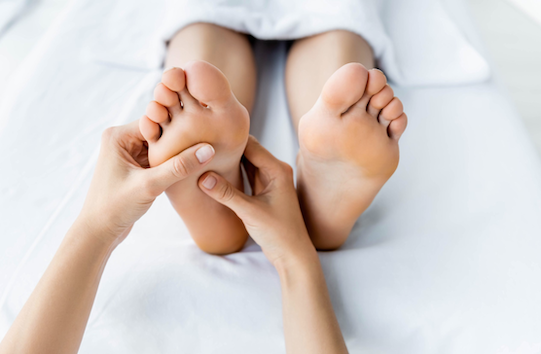
As a human being, you are a complex, delicately balanced machine that is synergistic … everything working together for the benefit of the whole person. When each part of you, mind, body and soul works in harmony, you feel at your peak. At a biological level, this harmony is achieved by a myriad of glands, organs, nerves, chemicals etc. and if one of these gets out of balance then the effects are felt throughout the whole body. Reflexology restores your inner harmony and instils a sense of well being. It treats the whole person and can be used to tackle a wide range of conditions such as pre-menstrual tension, headaches, migraines, sinus problems, anxiety, tension, insomnia, digestive disorders, backache, stiffness and tension.
Headaches Treatment & Prevention – Part 2
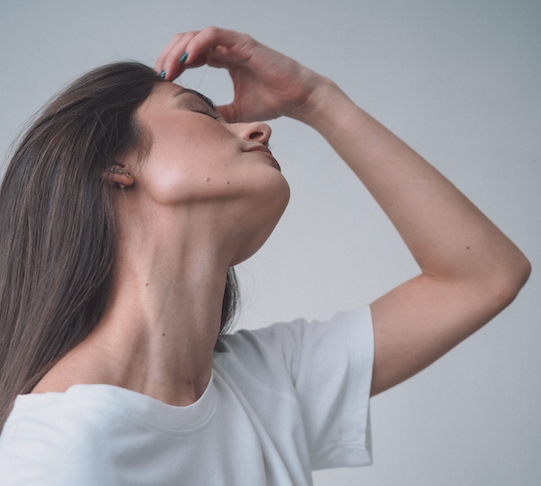
After introducing headaches, I then explored the downside of orthodox treatments and how massage can help. Now I want to share with you how other complementary therapies may help. Nutrition We all know that if you suffer from headaches you need to avoid becoming dehydrated. But what can be equally important is to control your blood sugar balanced by avoiding sugars and refined carbohydrates (i.e. anything sweet, fluffy or white!) . Certain food substances – such as histamine, tyramine and phenylethylamine – can trigger headaches or migraines. These foods include cheese, citrius fuits, red wine, chocolate & coffee. There is a time lag between eating these foods and an attack, as the problem arises when the food reaches the liver. Some research has been done on the benefits of Omega (3, 6 & 9) essential fatty acids will help control pain & inflammation for migraine sufferers. [Harel Z, Gascon G, Riggs S et al. Supplementation with omega-3 polyunsaturated fatty acids in the management of recurrent migraines in adolescents. J Adolesc Health 2002 Aug;31(2):154-61. 2002.] Bowen Technique The Bowen Technique is a hands on therapy that is applied using very gentle pressure. The practitioner uses thumbs and fingers on precise points of the body to perform Bowen's unique sets of rolling-type moves which stimulate the muscles and soft tissue of the body. In association with the Migranie Action Assocation some research was carried out into the effectiveness of receiving Bowen Technique treatment to allieviate migraines. All study participants had been diagnosed as migraine sufferers by their GP. 31 out of the 39 study particpants experienced a positive result of either
- Reducation in frequency of migranies
- Reducation in the degree of pain experienced
- Reduction in both the frequency of migraines and the degree of pain experienced
Do you have tight hips? – part 1
Many of the clients we see exercise regularly but I have never heard anyone mention including in their workouts exercises that focus on the hips. Yet, this is extremely important, as sitting for long periods of time can cause your hip flexors to become tight or weak or both leading to problems with posture and back pain. In addition weak hip flexors contribute to foot, ankle and knee injuries. Sitting is a primary culprit in tight hips and thighs because the muscles are rarely extended (although they may also become tight from working out). To lengthen and strengthen these muscles, try this move created by Suzanne Bowen, creator of BarreAmped, an internationally taught barre technique chosen by Fitness Magazine and Natural Health Magazine as the best barre workouts in 2015. You'll need a chair or kitchen counter for support. Start out in a kneeling lunge position with your right foot in front and leg bent at the knee in a 90-degree angle. Your left knee should be a few inches behind your left hip. To do the exercise, Bowen recommends:
"1. Press forward a few inches into your right leg just until you feel a gentle stretch in the opposite hip.
If you have very tight hips, this might be as far as you go. (Protect the front knee by making sure it doesn't extend out beyond the toes.) For a more advanced stretch, straighten the left leg behind you and then press forward.
2. When you're ready to move on, reposition the rear leg as needed so you can stretch your right leg straight out in front of you.
Keep your back straight and lean a few inches forward from the hips and feel the stretch in the right hamstring."
Hold each position for two to five deep breaths, then switch sides. References Los Angeles Times January 9, 2016 Pop Sugar April 17, 2016 Men’s Health January 28, 2016 Greatist December 15, 2011 Clin J Sport Med. 2005 Jan;15(1):14-21. Los Angeles Times January 9, 2016Hypertension – Dietary Factors
Following on from my introduction to hypertension and lifestyle factors, I want to explore the link between diet and hypertension in this blog. Optimise your Gut Flora Compared to a placebo, people with high blood pressure who consumed probiotics lowered systolic blood pressure (the top number) by 3.56 mm Hg and diastolic blood pressure (the bottom number) by 2.38 mm Hg1. Including taking probiotics, its is helpful to avoid sugar and processed foods. I should mention that naturally fermented foods in your diet, may contain about 100 times the amount of bacteria than found in a bottle of high potency probiotics. But I appreciate form a practical point of view, buying probiotics is much easier! Eat a Healthy Diet I appreciate this is very common advice. In 1998 in the journal of Diabetes reported that nearly two-thirds of the test subjects who were insulin resistant also high high blood pressure. Insulin resistance is directly attributed to a high sugar, high carbohydrate diet especially if combined with inadequate exercise. Avoiding processed foods (due to their being high in sugar/fructose, grains, trans fat, and other damaged fats) is my number one recommendation if you have high blood pressure2. Instead, make whole, ideally organic, foods the focus of your diet. As you reduce processed foods, and other sources of non-vegetable carbs, from your diet, you’ll want to replace them with healthy fat. Read Part 4 References 1 Hypertension July 21, 2014 2 Metabolism. 2012 May;61(5):641-51.
Bates Method – Part 2
In Part 1, I introduced the Bates Method. It was created as result of over three decades of clinic practice as an ophthalmologist. It is based on the theory that errors of focusing are temporary abnormalities which, due to the inability of the eyeball to change shape and when exposed to the healing powers of the body, can be reduced in severity or eliminated. While conventional wisdom is based on the work of Hermann von Helmholtz states that errors of focusing are due to the inability of the lens to change shape. Dr W H Bates postulated that focusing problems where the result of strain, either emotional or due to “trying” to see. The logical anti-dote to strain is rest, hence he developed palming a technique for resting the eyes. As I know lots of my readers spend long ours in front of computer screens which can strain the eyes. I wanted to share with you this simple version of palming.

- Cover your eyes with your cupped palms.
- Add a pillow under your elbows if more height is need to keep your back relaxed and straight.
- Breathe deeply while you palm for a few minutes.
Common Triathlete Injuries – Part 1
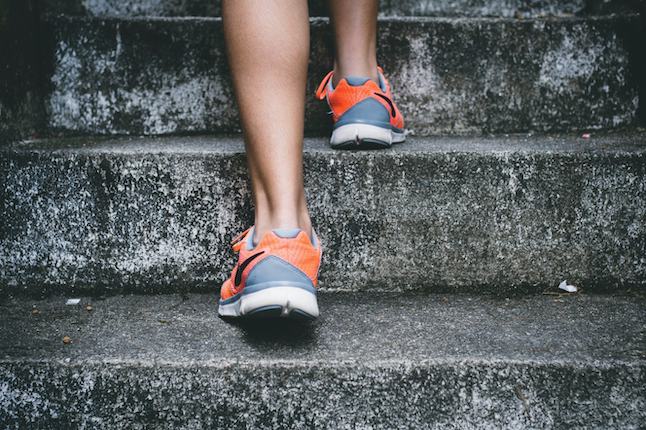
Some most common triathlete injuries can be described as:
- Rotator Cuff Tendinitis
- Chondromalacia Patella
- Shin Splints
- Plantar Fasciitis
- Achilles Tendinitis
- Sidelying External Rotation Lie on side with arm resting on stomach and a small rolled up towel under the arm. Slowly rotate arm upwards and stop when forearm is in a position just above horizontal. This exercise can be initiated using a 2-3 pound dumbbell.
- Prone Horizontal Abduction Lie on stomach with arm hanging over side of table and the thumb facing forward. Slowly raise arm straight out to the side and stop when arm is parallel to the body (going higher can cause excessive strain to the front of the shoulder).
How to prevent gallstones
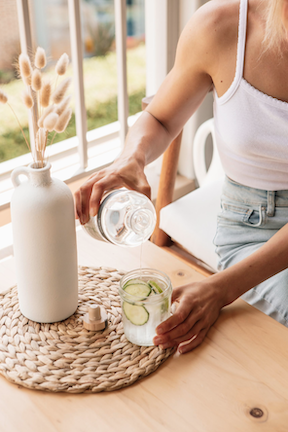
Although no definite preventive technique for gallstone development has been discovered yet, research shows that there are ways people can lower their risk for these stones.
Refrain From Taking These Medications
If you are taking any of these medications, remember that the following can increase your risk for gallstones:Cholesterol-lowering drugs: Medicines like gemfibrozil (Lopid) and fenofibrate (Tricor) can increase your gallstone risk. Although they may decrease your blood cholesterol levels, these medicines can also increase the amount of cholesterol released in bile. Hormone therapy: HRT is a general term referring to the administration of estrogen or a combination of estrogen/progestin therapy. Increased estrogen levels can cause the body to produce more cholesterol and raise the levels of it in bile. As such, if you are a woman who is undergoing HRT or is taking high-dose birth control pills, talk to your doctor about your gallstone risk and ask if there are other hormone-related medications that are better for you.A Healthy Lifestyle Can Lower Your Gallstone Risk
Decreasing your risk for gallstones begins with a healthy lifestyle, specifically by following these habits:Maintaining a healthy weight: People who are overweight or obese have a higher risk of gallstones. Boost your diet with these foods:ReferencesThe following common practices can also raise your gallstone risk, so it's best to avoid them:- Unlimited amounts of fresh, organic and vegetables, especially fiber-rich options (just make sure to introduce these foods slowly into your diet, since they can prompt digestive discomfort, especially in those who have had gallbladder surgery).
- Moderate quantities of high-quality protein from meat ideally organic.
- High portions of healthy fats from sources like avocados, coconut oil, organic butter, pastured egg yolks and raw nuts like macadamias, pecans and pine nuts.
• Exercising regularly: Research shows that moderate physical activity can help with increasing the body’s levels of high-density lipoprotein cholesterol (HDL) or “good” cholesterol.- Skipping meals or fasting for long periods of time. As much as possible, try to stick to your usual mealtimes.
- Following diets that promote rapid weight loss. By rapid I mean aiming to lose more than 1 to 2 pounds, or 0.5 to 1 kilogram, per week.
“What to Do About Gallstones,” Harvard Health Publications Harvard Medical School, March 2011 Marks and Bass, “4 Ways to Prevent Gallstones,” Everyday Health, January 26, 2010 Stöppler and Shiel, “Hormone Therapy (Estrogen Therapy, Estrogen/Progestin Therapy),” MedicineNet, August 23, 2016 “Gallstones,” National Institute of Diabetes and Digestive and Kidney Diseases, November 2013 Mayo Clinic Staff, “Gallstones Self-Management,” Mayo Clinic, August 18, 2016 Mayo Clinic Staff, “Top 5 Lifestyle Changes to Improve Your Cholesterol,” Mayo Clinic, June 19, 2015
Can you eliminate the risk of a “preemie” baby?
The focus of all pregnant women is a happy, health, baby and that includes carrying the baby full term obviously if there is no risk to the mother's health. Women in the US and the rest of the developed world are typically low in DHA (omega-3), with levels well below those reported in countries like Japan where more fish is eaten. Women with low levels of the nutrient are much more likely to give birth prematurely. Until recently there was no effective method to prevent spontaneous early preterm birth. Analyses of two clinical trials -- one in the U.S. and the other in the Australia -- suggest that thousands of early preterm births -- those at or before 34 weeks' gestation -- could be prevented if pregnant women took daily omega-3 supplements. Taking the supplement can reduce the risk to just 1.5%. Researchers estimated that more than 106,000 high-risk early preterm births could be avoided in the U.S. and about 1,100 could be prevented in Australia each year if pregnant women took daily supplements of omega-3. Reference https://www.sciencedaily.com/releases/2016/10/161013130104.htm
Is Reiki a Placebo? – Part 4
I know want to examine the scientific evidence of the impact of Reiki on more subjective issues like pain and anxiety. Heidt (1979) utilised healing to reduce levels of anxiety in patients in a hospital cardiovascular unit. Ninety volunteers were divided into three matched groups receiving treatments as follows: a five-minute period of healing, casual touch and no touch at all. Pre- and post-intervention levels of anxiety were measured using a special questionnaire. In those subjects receiving healing there was a highly significant reduction in anxiety following the treatment. Quinn (1982) also studied the effects of healing on anxiety states in hospitalised cardiac patients, but without making physical contact. Sixty patients were randomly assigned to either an experimental group receiving five-minute treatments of non-contact healing given by an experienced practitioner; or to a control group where inexperienced practitioners went through similar procedures whilst doing mental arithmetic. Assessments were done by the patients before and after treatment using a specialised questionnaire. Results showed that the experimental group had a very significant reduction in anxiety post-treatment. Gulak (1985), a healer, undertook a study on his patients measuring anxiety levels before and after healing treatment. Seventy six patients were given 15-minute treatments, with anxiety levels being assessed 14 days before and 21 days following the treatments using a specialised questionnaire. Different statistical analyses showed the reductions in anxiety to be significant as well as other health issues being cleared up. Wirth, Brenlan, Levine & Rodriguez (1993) performed a double-blind, crossover study on the effect of healing on post-operative pain, following surgical removal of both impacted lower molar teeth. Twenty one patients were randomly assigned to control or treatment groups before the first tooth was removed; and before the second operation the groups were transposed from control to experimental and vice versa. All conditions for both groups were the same except that the experimental groups received Reiki and healing post-operatively. Healing was undertaken at a distance of several miles from the patients with the healers concentrating on individual patients' photographs. Patients measured their pain intensity and pain relief over a period from 3 to 9 hours after operation using specialised pain assessment techniques. A statistically significant difference was found between the treatment and control groups in both pain intensity and amount of pain relief at hours 4 to 8 and hour 9. When combined, the data showed a highly significant improvement in pain levels as a result of the distant/remote healing. I started the series of articles by saying that Reiki is intangible. But in the last four articles I have demonstrated the impact on Reiki energy on human blood, yeast and plants as well as the human body. In addition there is clear evidence Reiki helps with pain, anxiety and lowering blood pressure. References Heidt, Patricia (1979). An Investigation of the Effect of Therapeutic Touch on the anxiety of Hospitalized Patients. Ph.D. dissertation, New York Univesity. See also: Heidt, Patricia (1981). Effects of therapeutic touch on the anxiety level of hospitalized patients, Nursing Res., 30, 30-37. Gulak, J. (1985). Lowering the anxiety levels in persons undergoing bioenergo-therapy. Psychotronika, 1985, 6-9. Quoted by Benor (1993). Wirth, D. P., Brenlan, D. R., Levine, R. J. & Rodriguez, C. M. (1993). The effect of complementary healing therapy on postoperative pain after surgical removal of impacted third molar teeth. Compl. Therap. Med., 1. 133-138.
Action plan for a healthy small intestine
The small intestine is as wide as your thumb and around 5.5m long. It is both a food blender and assimilator as it digests more of your food than your stomach. Food stays in the small intestine for 1 - 4 hours before moving on to the large intestine for further processing. Maintaing a healthy small intestine is all about controlling your bacteria levels and mucus build-up on your intestinal walls which can cause havoc and deplete your energy levels. If you have bloating, gas and loose bowel movements you may have a small intestine issues such as:
- Candida
- IBS
- SIBO (small intestinal bacterial overgrowth
- Cut out imflammatory drugs e.g. asprin, paracetamol and avoid alchol.
- Take L-glutamine and butyric acid both of these can help heal the gut, but check with a nutritionalist first as dosage is important.
- Drink slippery elm tea which calms inflamation of the small intestine and helps relieve IBS.
- Up your intake of vitamins A and D - liver is an excellent sourch of these vitamins which protect the mucus membrane of the gut.
- Eat more antibacterial foods such as garlic, honey and sauerkraut which preven the growth of Candida, fungus and yeast infections.
- Take oregano oil (Oregnano Vulgaris) which has been shown to stop Candidan in its tracks.
- Take probiotics daily - look for a count of 50 billion or more in each dose.
- Take prebiotics daily - to feed the probiotics. Or eat food prebiotic foods such as sauerkraut or kimchi.
- Go gluten free. Cut out gluten for an entire week and keep a food diary to check if your symptoms improve.
- Mimosa pudica an ayurvedic herb is brilliant at wiping out parasites.
- Eat more ant-parasitics such as garlic, thyme, chilli, tumeric and ginger.
How to chill out…
While it's impossible to lead a completely stress-free life, finding ways to unwind and “chill out” are key to retaining your energy levels and ultimately your sanity when you have a demaning job. There are as many techniques to decompress as there are human beings; but when it comes to finding inner calm, practices such as mindfulness, meditation and meditation are usually top of mind. Although these are great tools they don't appeal to everyone. Personally I love both yoga and adult colouring books. But what can you do it none of these apeal. My golden rule is any activity that is enjoyable and absorbs you to the extent that you aren't aware of the time and you stop thinking about work helps you unwind and chill out. So you can choose any activity that helps you distracting your mind from everyday pressures and you love. Once you have choose your activity do it often, and put it in your diary and don't feel guilty - we all need time out. One free, easy activity is just going for a stroll. I don't mean walking fast to hit your 10,00 steps per day target. Just go for a stroll for the sake of it.
What is NMT or Neuromuscular Technique?
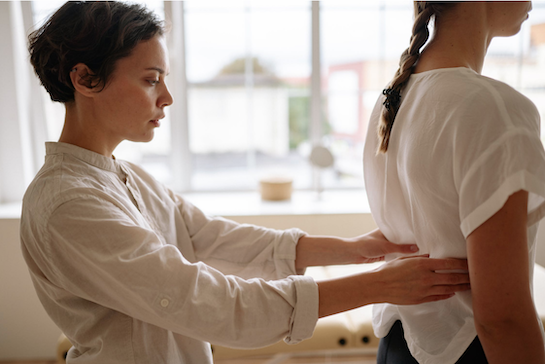
NMT (Neuromuscular Technique) is a soft tissue technique developed in the 1930's by Dr Stanley Lief. NMT is the application of quasi-static pressure perpendicular to the skin with the aim of releasing pain and tension in muscles (normally in skeletal muscles). Neuromuscular Technique is used by
- Physiotherapists
- Osteopaths
- Chiropractors
- Massage Therapists
- muscle spasms
- muscle tension
- aches & pains
- trigger points

Can vitamin D protect you from cancer?
In the 1980's researchers made the first connection between vitamin D deficiency and some cancers in when they noted populations at higher latitudes (with less available sunlight) were more likely to be deficient in vitamin D, which is produced by the body through exposure to sunshine, and experience higher rates of colon cancer. Subsequent studies by tfound vitamin D links to other cancers, such as breast, lung and bladder. In a recent study, scientists reported that when women upped their vitamin D dosage, they were nearly one-third more likely to survive breast cancer, particularly for premenopausal women. The mechanism is vitamin D's ability to stop the reproduction of cancer cells. Researchers examined 1,666 women with breast cancer and found that the more 25-hydroxyvitamin D (250HD, a blood biomarker for vitamin D) they had, the better their chances of survival. It should be noted that this research does not mean that low levels of vitamin D cause breast cancer nor should women with breast cancer flock to the nearest beach to sunbath. Having said that researchers did comment that extra vitamin D can't hurt. Another important review which came out in 2016 linking low levels of vitamin D and aggressive prostate cancer. Researchers from Northwestern Medicine disclosing that: "Deficient vitamin D blood levels in men can predict aggressive prostate cancer identified at the time of surgery. The finding is important because it can offer guidance to men and their doctors who may be considering active surveillance, in which they monitor the cancer rather than remove the prostate." One of the crucial things to note is that low vitamin D levels were found via blood tests before any sign of prostate cancer showed up, so checking vitamin D levels beforehand could be life-saving, and a much better alternative to begin taking it a problem is discovered. Researchers at University of California, San Diego School of Medicine report that higher levels of vitamin D -- specifically serum 25-hydroxyvitamin D -- are associated with a correspondingly reduced risk of cancer. The findings published in PLOS ONE in 2016 found that raising your vitamin D levels (if they are low) can slash your risk of invasive cancers excluding skin cancer by 67%! References
- Yao S, Kwan ML, Ergas IJ. Association of Serum Level of Vitamin D at Diagnosis With Breast Cancer Survival A Case-Cohort Analysis in the Pathways Study. JAMA Oncology. 2016
- YA, N, et al. (2016). Associations Between Serum Vitamin D and Adverse Pathology in Men Undergoing Radical Prostatectomy. Journal of Clinical Oncology, 34: 1345-1349
- Sharon L. McDonnell, Carole Baggerly, Christine B. French, Leo L. Baggerly, Cedric F. Garland, Edward D. Gorham, Joan M. Lappe, Robert P. Heaney .Serum 25-Hydroxyvitamin D Concentrations ≥40 ng/ml Are Associated with >65% Lower Cancer Risk: Pooled Analysis of Randomized Trial and Prospective Cohort Study. PLOS ONE, 2016; 11 (4)
Can a cup of cocoa a day help you?
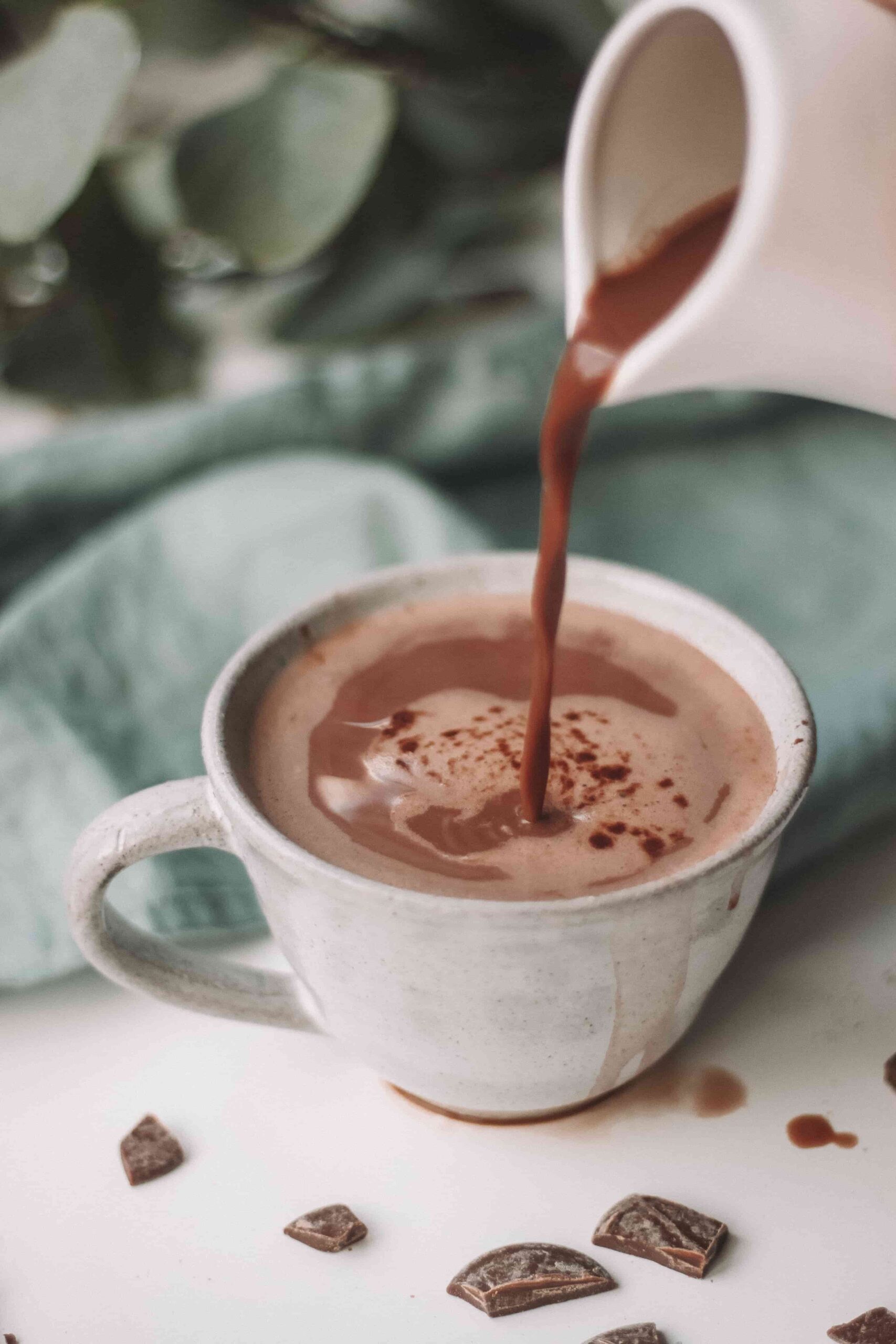
The causes of mental and physical fatigue experienced by people with MS are complex, and likely to include neural, inflammatory, metabolic, and psychological factors. None of the currently available approaches offers long term relief, say the researchers. Previous research suggests that dark chocolate, containing between 70 and 85 per cent cocoa solids, is associated with an improvement in subjectively assessed fatigue in people with chronic fatigue syndrome (ME). Cocoa, like dark chocolate, is rich in flavonoids––substances found abundantly in fruit and vegetables and associated with anti-inflammatory properties. This prompted the researchers to see if it might also be worth exploring Cocoa potential in helping to tackle the fatigue associated with MS. They randomly assigned 40 adults recently diagnosed with the relapsing remitting form of MS and fatigue to drink a cup of either high flavonoid cocoa powder mixed with heated rice milk (19) or a low flavonoid version (21) every day for six weeks. Participants were instructed to wait 30 minutes before taking any prescribed medication or eating or drinking anything else, but otherwise to stick to their usual diet. Fatigue and fatigability–the speed with which mental and physical fatigue set in–were formally assessed before the start, at the mid-point, and at the end of the trial. And participants also subjectively rated their fatigue on a scale of 1 to 10, at 10.00, 15.00, and 20.00 hours each day, and monitored their activity with a pedometer. After six weeks there was a small improvement in fatigue in 11 of those drinking high flavonoid cocoa compared with eight of those drinking the low flavonoid version. Those drinking the high flavonoid version showed a 45 per cent improvement in subjectively assessed fatigue and an 80 per cent improvement in walking speed. Although not objectively measured, pain symptoms also improved more in the high flavonoid group. If the findings are confirmed in larger studies, it may offer a simple dietary approach to a persistent and hard to treat symptom, which affects nine out of 10 people with MS, suggest the researchers. Reference https://jnnp.bmj.com/content/90/5/507
I am pregnant, is Reflexology safe for me?
Obviously when you are pregnant you want to make sure everything you do is safe for both you and your baby. Reflexology is generally considered safe if you are pregnant providing all is well with the pregnancy and you tell the Reflexologist you are pregnant. Reflexology should be avoided by women with a risk of pre-eclampsia or deep vein thrombosis (DVT) and they should seek medical advice before having Reflexology. It is not suitable if:
- you have a history of miscarriages
- you have been diagnosed with Placenta Previa
- you have been diagnosed with Hydroamnios
An alternative way to do simple mindfulness (Part 1)
Most mindfulness techniques have at their heart a simple instruction. Focus on your breath... This is supposed to be simple, but what if it isn't simple for you? What then? For people struggling with anxiety it may increase the feelings of panic. Mindfulness involves placing our attention on a chosen anchor, noticing when our mind is distracted or wandering and choosing to return it back, with a king and friendly curiosity towards the experience. You should start simple by focusing 1 - 5 minutes or even do short 30 second bursts a couple of times during the day. So, I want to introduce you to a few alternatives to using breathing as the anchor focused around our senses. 1. Look & Focus Choose an everyday object in the room to look at and become aware of the colour, shape or light reflections. I personally like looking at a light candle as its often flickers so there is movement too.
Sleep
This week the press seem to be full of articles on sleep, ranging from recent research to the reasons why we lose sleep - the top reason being a heavy workload. I am sure that most people reading this blog post know that if they have a good night’s sleep they wake up feeling refreshed. So the recent discovery by scientists from University of Wisconsin which shows sleep restores your brain will be of no surprise. (For any geeks out there the research showed that sleep boosts myelin which is essential in the growth and repair of our brains. The research also revealed that deep sleep doubles the rate of reproduction of some cells.) While over in Stockholm researchers have discovered that people think sleep deprived individuals “look sad, unhealthy and unattractive”. For anyone that is struggling to get a good night’s sleep knowing science has proved that they look as awful as they feel isn’t exactly helpful either! So I wanted to share a few tips with you on getting a good night’s sleep.
- Try to go to bed and get up at the same time as bodies like routine and it will help you sleep better.
- Ensure your bedroom is quiet, dark, restful and the right temperature i.e. not to hot and not to cold. Remember it isn’t ideal to watch TV or work in your bedroom that includes trying to sleep while keeping one eye on your blackberry.
- Try to mentally and physically relax before going to bed by turning of the TV or computer and having a warm bath, listen to some relaxing music, read a book or simply sip a cup of Chamomile tea.
- Valerian is a dietary supplement that has been used since ancient times to help with a good nights sleep as it is known for combat insomnia and nervousness.
- While exercise is great to combat stress, exercising too close to bedtime can actually make it harder to sleep.
- It is best to avoid alcohol before your go to bed as for some people it will interrupt their sleep pattern later in the night.
- It is best to avoid coffee from later afternoon onwards as for some people it will keeps them awake.

How to treat heartburn naturally – part 1
I am very lucky that despite having many digestive issues, I haven't had heartburn. However, I am aware as we go into the holiday sesaon, when people go on holiday their diets change so your chances of getting heartburn increases. Heartburn, which is a symptom of acid reflux or gastroesophageal reflux disease (GERD), occurs when stomach acid moves up into your esophagus. It can bring a lot of discomfort to those who experience it. It may also come with other symptoms, such as sore throat, long-term cough and voice hoarseness. 1. Use baking soda (sodium bicarbonate) While this is not recommended as a regular solution, it may come in handy whenever you're experiencing extreme pain due to heartburn. Simply dissolve half a teaspoon of baking soda in one-half cup of water and drink it. This will help neutralize stomach acid and ease the burning sensation heartburn brings. 2. Chamomile Tea Try drinking a cup of chamomile tea before bedtime, and see if it can help alleviate heartburn. Chamomile can help soothe inflammation and help you sleep better. References https://www.medicalnewstoday.com/articles/314932.php https://www.spandidos-publications.com/mmr/3/6/895
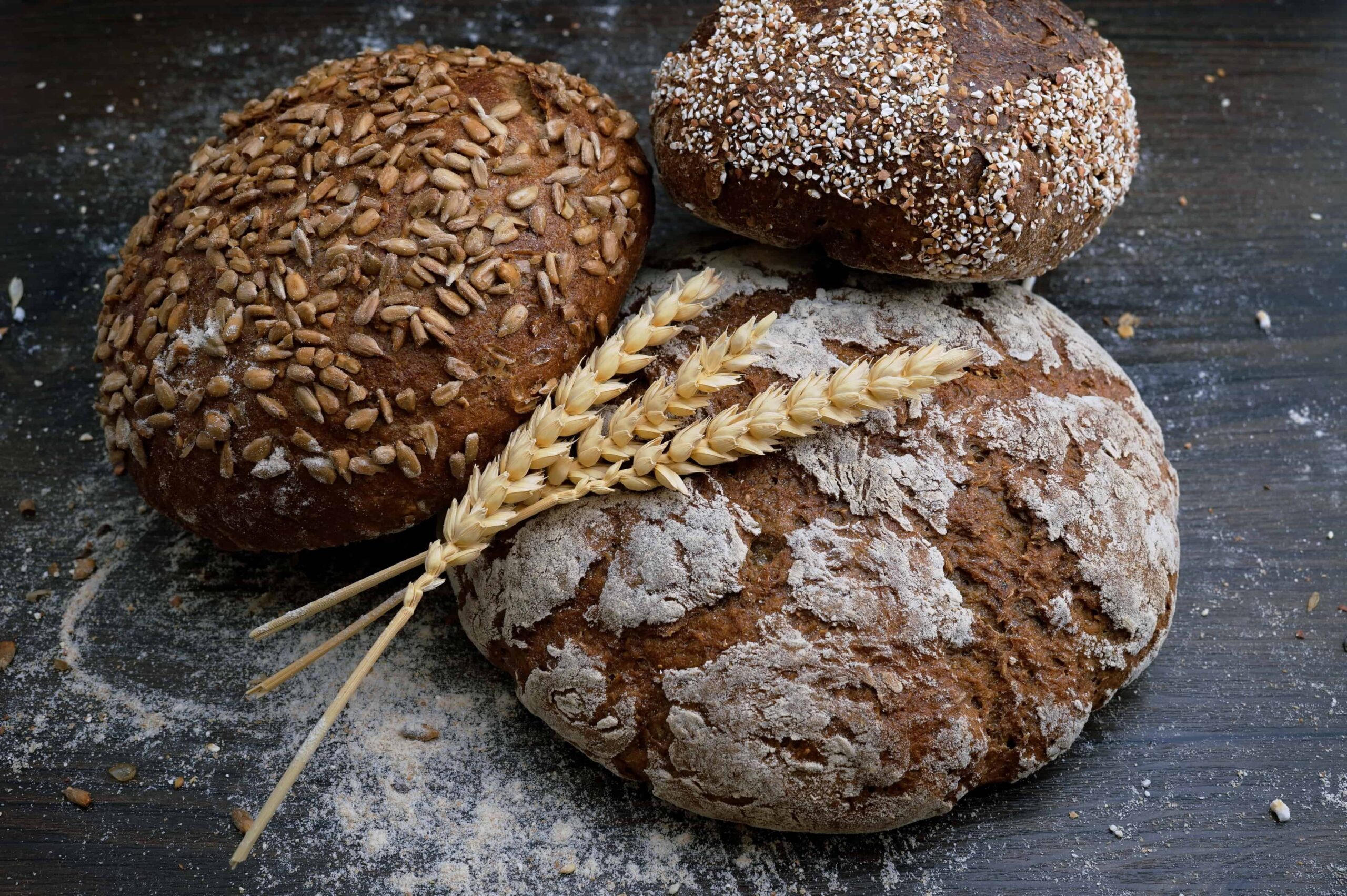
A type of bread IBS sufferers can tolerate
We all know that fibre is an essential part of everyone's diet, but for IBS sufferers it can be a challenge to get enough fibre into their diet. Researchers from the University of Helsinki gave two types of Rye bread - the standard loaf and a rye loaf that was low in FODMAPs (fermentable olgi-, di and monosaccharides and polyols) to 87 IBS suferers for four weeks. Then after a break of four weeks, switched the two breads for another period of four weeks. As expected the standard Rye bread caused all the usual symptoms assocaited with IBS:
- abdominal pain
- diarrhoea
- constipation
How to Prevent Running Injuries – Part 1
What we see in clinic all the time, is people coming in with running or training injuries that have blindsided them, they have no idea how it happened. Its like the injury came out of nowhere. Injuries don't come out of nowhere. Most running injuries produce signals
- aches
- soreness
- persistent pain
How to stay healthy at your desk
This week the daily mail reported that three in four office workers blame desk for sickness: badly set up desks and chairs cost companies 7bn each year. Rather than sitting in silence or popping pain killers to ease headaches or back pain, here are my top 7 tips for staying healthy while working at your desk.
- Sit up straight. As you read this post, if you’re not running to an appointment or standing, how are you sitting? Really take notice of how you are sitting and poised. Are you legs crossed? Is your back hunched over as you read this? Or are you sitting up straight? If you are sitting ensure that you are sitting up straight, not slouched, with your head directly over your torso and your feet on the ground, using a foot rest if necessary.
- User a wrist support. Repeatedly bending your wrists up and down (extension and flexion) compresses structures inside the carpal tunnel in the wrist. This can cause pain and lead to injuries like carpal tunnel syndrome. Place the heel of your palm on a wrists pad to minimise wrist pain.
- Use a headset. If you spend a lot of time on the phone user a head set rather to avoid holding the phone to your ear by raising your shoulder which may cause neck & shoulder pain.
- Don't bang the keyboard instead use a light touch. Try to use the minimum amount of force necessary to depress the keys. The tendons from your fingers connect near your elbow, so striking the keys too hard can lead to problems you might not associate with your keyboard-for example, pain and inflammation in your elbows (Epicondylitis).
- Look straight ahead. Maintaining proper eye level with your computer monitor is essential. This helps you avoid straining your back, neck, shoulders, and arms. In addition, proper eye level reduces unnecessary eye strain. To accomplish this sit in your office chair and stare straight ahead. You should be looking directly at the center of your monitor. If you are not looking at the center of the screen adjust the monitor until you have the correct measurement and use a monitor riser where necessary.
- Save your work, save your shoulders. Working as a massage therapist who specialise in Acupressure Neck & Shoulder massage withing an office environment, I know muscular tension in shoulders causing neck and shoulder pain is a common problem. To minimise the build up of muscular tension in your shoulders, every time your save your work or send an email simply circle your shoulder three times clockwise and then three times anti-clockwise.
- Book a massage. If you are feeling the stain and pain for working long hours at your desk then book a massage which are highly effective at relieving neck pain, shoulder pain, back pain and tension headaches.
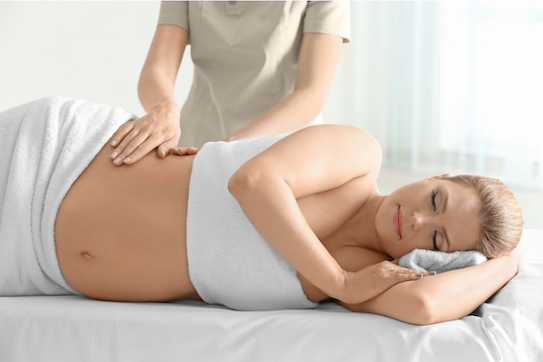
What can help depression during pregnancy?
Post natal depression is very well known, what is talked about less often is depression during pregnancy. A team of scientists in the Uk and Singapore conducted a systematic review of six clinical studies, involving 450 pregnant women that examined the effects in yoga on depression during pregnancy. All six studies showed reductions in depression scores, indicating that yoga is a promosing non-medicine approach for improving psychological health of pregnant women. Participants recruited for the trails reported mild depressive states and therefore larger studies are required to examine the impact of yoga on pregnant women with severe prenatal depression. Reference https://www.sciencedirect.com/science/article/pii/S174438811830608X?via%253Dihub=
Are their any side effect of Reiki treatments?
The aim of Reiki is to restore harmony within the client and instil a sense of peace. During the process of restoring harmony you may notice subtle changes in your mood, appetite or sleeping pattern. All of these reactions are very short lived and subtle as Reiki is one of the gentlest treatments available.
What is Sports Massage?
What is Sports Massage? A specialised massage for the treatment of specific muscle groups before and after exercise and to aid the recovery of sports related injuries. The benefits include: • Improve training • Prevent injury • Aid recover from injury • Improve self-awareness • Improve performance ... Sports massage is not solely for sporting people... It is also effective for non-sporting types who may suffer from postural problems or work-related ailments (e.g. sitting at a desk or working at a computer) where tension can building up in the neck, shoulders, back, arms and hands.
Can vitamin D reduce the risk of a severe asthma attack?
An international team of researchers looked into this if vitamin D can reduce the risk of a severe asthma attack. They analysed seven trails that included 435 children and two others that included 658 adults all of whom had mild-to-moderate asthma. According to the study, Vitamin D halves (from 6% to 3%) the risk of a severe attack requiring hospital treatment. None of the people who took a Vitamin D supplement suffered any adverse reactions. So taking supplements or getting out in the sunshine during the summer months, could become an important part of asthma treatment. What was unclear from the study what how many of the people taking part were already deficient in Vitamin D. Reference AR Martineau, CJ Cates, M Urashima et al, 2016, Does vitamin D prevent asthma attacks or improve control of asthma symptoms or both?, Cochrane Database System Review See >> http://www.cochrane.org/CD011511/AIRWAYS_vitamin-d-prevent-asthma-attacks
More tips to get a good nights sleep
Here are more tips to get a good nights sleep:
- Read a book or a magazine - I appreicate this is very old school. The reason is studies have shown that brain activity during sleep is better regulated after reading a physical book compared with reading a screen.
- Have a hot shower or bath at night. When you get in all your blood comes to the surface of your body, so when you step out, your core temperature starts to drop. This stimulates sleep.
- Go to bed at the same time every nights - it's possible to "programme" the body to get used to falling asleep at a certain time every night.
- Yoga or light exercise can help relax muscles and release any tension.
- Complementary therapies - these promote relaxing, reduce stress and anxiety and are therefore ideal for a good night's sleep.
- Breathing exercises or medication - taking deep breaths helps the body switch off from the flight or fight more to rest-and-digest mode.
The low down on natural sugars, part 3 – my thumbs up list
In my introduction on natural sugars, I listed a variety of foods that can be added when cooking as a natural sweetner, this would always be my preference. I know there are times when we need a natural alternative to white sugar, previously I listed my thumbs down list of alternatives, so here is my thumbs up list. Maple Syrup Made from the sap of maple trees. It contains 34 beneficial compounds including antioxidants, anti-inflamatories, zinc and magnesium. It doesn't cause problems in the digestive tract so its ok for IBS sufferers. Its a good natural sweetner when baking or as a substitute for honey. Palm Sugar A traditional Ayurvedic ingredient containing B vitamins that has a low gycaemic index (40) so is suitable for diabetics. A good alternative to sugar in cooking, baking and in drinks. Barley Malt Extract/Syrup Its an unrefined natural sweetner derived from sprouted, dried, booked and reduced barley malt, which contains some minerals and vitamins. A good choice as a natural sweetner with almost no fructose or sucrose but can give a malty taste. Brown rice Malt/Syrup This contains maltotriose, maltose and glucose cheaper versions use enzymes to turn the starches into sugar while others use sprouted grains that realse enzymes which is better. It doesn't contain fructose. It can add a little crunch to baked and cooked products so is good in crumbles, flapjacks or granolas. Stevia Derived from the leaves of a plant from South America with the same name. 300 times sweeter than sugar (sucrose) but with a slightly bitter after taste. Avoid products which aren't 100% stevia. Use in moderation as it primes the body for a certain amount of calories for sweetness, so may increase appetite. Whole Cane Sugar A naturally unrefined form of whole sugar that is absorbed more slowly into the blood stream. It can be difficult to find. Coconut (Palm) Sugar also known as Coconut Nectar or Blossom Syrup Rich in B vitamins, magnesium, calcium, potassium, zinc , 17 amino acids, short-chain fatty acis and antioxidants. It contains inulin which is a prebotic which feeds the benefical bacteria in our gut. However, there are mixed opinions on its sustainability. It is said to taste like brown sugar. Yacon Syrup From the yacon or peruvian ground apple. It tastes like a cross between an apple and pear. It contains good amounts of vitamins and minerals plus a prebiotic. It may not be suitable for people with IBS due to its high FOS (fructooligosaccharide) content. It is suitable for diabetics. Use instead of liquid sweeteners like honey and also in baking. References Alternatives to Sugar by Dr M Glenville (Lifestyles Press, 2016).
How to combat sitting all day
Sitting all day is a current health concern. While I know that sitting all day has been described as "the new smoking" until now this made me uncomfortable - as its not the same. You can get help to quit smoking. If you work in an office you are expected to sit and standing desks are rare, so you have no choice but to sit down. While I am aware that smoking is an addiction, I think it is still more within the individual's control than sitting if you work in an office. I am an optimistic person by nature, so I don't want to be the voice of doom for my readers about sitting. So I was very interested in some recent research which demonstrates how to limit the impact of sitting. Spending much of the day sitting around increases the risk for heart disease, type 2 diabetes, cancer and ultimately, death - with 50,000 people anually in the UK dying as a result, say researches from Queen's University in Belfast. Around 30% of adults spend at least six hours a day during the week sitting and this rises to 37% at weekends. Roughly one-thrid of people who are sedentary will have at least two major health conditions, such as heart disease and type 2 diabetes. Researchers from the American Cancer Society estimate that just 30 minutes of some physical activity would halve the death rates from chronic diseases such as heart disease and cancer. So 30 minutes of physical activity per day (like walking) is what researchers currently think is required to combat sitting all day. References Journal Epidemiol Community Health. 2019 Jul;73(7):625-629. doi:10.1136/jech-2018-211758 Americal Journal of Preventive Medicine, Mortality Risk Reductions for Replacing Sedentary Time with Physical Activities, Rees-Punia, Erika et al. Volume 56, Issue 5, 736-741
Headaches – Treatment & Prevention – Part 1
Previously, I explained the different types of headaches. Now I want to explore how you can treat them. Orthodox treatment of headaches is over the counter painkillers, while stronger prescribed medication may be required for migraines. However it should be noted that frequent use of pain killers can trigger what are referred to as rebound or withdrawl headaches. (For more information on withdrawl headaches see >> http://www.nhs.uk/Livewell/headaches/Pages/Painkillerheadaches.aspx Or http://www.migrainetrust.org/medication-overuse-headache ) Massage There is scientific evidence to confirm my experience that massing the neck, shoulder & upper back can help alleviate tension headaches and some migraines, specifically the frequency of headaches & the duration of headaches. Researchers believe that two mechanisms could be responsible. Firstly, the increased serotonin could help relieve the headache (many existing headache medications increase serotonin levels). Secondly, the increased hours of sleep and fewer night wakings may lower levels of substance P - a neurotransmitter responsible for pain. So next time you get a headache, consider booking a massage with us. Scientific References
- Cristina Toro-Velasco, Manuel Arroyo-Morales, César Fernández-de-las-Peñas, Joshua A. Cleland, Francisco J. Barrero-Hernández. Short-Term Effects of Manual Therapy on Heart Rate Variability, Mood State, and Pressure Pain Sensitivity in Patients With Chronic Tension-Type Headache: A Pilot Study. Journal of Manipulative and Physiological Therapeutics, 2009; 32 (7): 527 DOI: 1016/j.jmpt.2009.08.011
- Quinn C, Chandler C, Moraska A. Massage Therapy and Frequency of Chronic Tension Headaches. Am J Public Health. 2002 October; 92(10): 1657–1661.
So massage is safe for pregnant women, but is it effective?
Last week we established that massage is safe for pregnant women. A scientific review of studies of pregnancy in massage fond that pregnant women who received massage had
- decreased depression
- decreased anxiety
- decreased leg and back pain
- reduced cortisol levels
- reduced excessive fetal activity
- lower rate of prematurity (a baby being born before its 37 weeks old)
- experienced less pain
- required less medication
- had shorter labours (on average 3 hours shorter)
How can Sports Massage help Runners?
I may be biased but I believe sports massage should be part of every runner's training program. Sports massage offers runners three benefits
- Performance enhancement
- Injury Prevention
- Injury Rehabilitation
- Back and shoulder problems
- ITB syndrome
- Shin splints
- Achilles problems
- Plantar fasciitis
How to prevent muscle cramps?
I know previously I have discussed how to minimise the risk factors associate with muscle cramps including during pregnancy. Exercise Related Muscle Cramps May occur during, after or in some case many hours after vigorous activity. In addition to minimising the risk factors I have previously documented you need to ensure you
- Don't exercise when injured - cramps can occur as a protective mechanism following an injury.
- Warm up thoroughly
- Stretch before and after exercise
- Cool down properly
- Don't over do it - their is a clear correlation between muscle fatigue and cramps. In addition if you suddenly place a huge physical demand on the body (e.g. a late spurt to win the race) that it is not used to, your body can react by contracting all the muscle and creating cramps. So remember to follow a suitable training program before entering that competition!
- Stand about 2 or 2.5 feet away from a wall. Lean into the wall to place the forearms against the wall with the knees and back straight and the heels in contact with the floor. Hold for 10 to 15 seconds and repeat three times before going to bed.
- In bed while lying down, you can try flexing the ankle by pulling the toes up toward the head with the leg as straight as possible.
Good Posture Exercise
Having spoken previously about why poor posture is bad for you, I wanted to move on to give you a simple exercise that helps promote good posture. Brugger's exercise routine is devised to activate postural muscles weakened and simultaneously stretched by a prolonged sitting posture. Slumped Position
 Check the tension in your upper back and shoulders in the slumped posture and then in the Brugger's position, to see if you notice any difference as the muscle tension is dramatically reduced.
Brugger Exercise Posture
Check the tension in your upper back and shoulders in the slumped posture and then in the Brugger's position, to see if you notice any difference as the muscle tension is dramatically reduced.
Brugger Exercise Posture
 Step By Step Guide
- Sit perched towards the edge of your seat; this will naturally place your lower back into a curve (lumbar lordosis) with your butt sticking out a little. As you do this your breastbone (sternum) will naturally lift up.
- Separate your legs to 45 degrees each side with your feet turned out slightly and in line with your knees.
- Your shoulders are relaxed and down with your chin tucked in, making the back of your neck longer – imagine a piece of string is attached to the top of your head and someone is lifting you up.
- Fully straighten (extend) both elbows and arms.
- Make sure you keep your shoulders down and imagine your shoulder blades [scapula] are pushing down and together to form a V.
- Turn your thumbs out (externally rotate), palms up.
- Separate your fingers.
- You should now be in the position show above in the Brugger's exercise posture picture.
- Hold for 30 seconds.
Health New Year’s Resolutions
The new year is a natural time for focusing on new goals. At the end of the festive season we can feel like we have over indulged so want to refocus on health. I know I certainly feel like that. So I wanted to share some ideas for health new year's resolutions.
- Focus on 1 health goal for 2018 as this focus will help you acheive it.
- Use the stairs more.
- Go outside for a daily dose of vitamin D.
- Focus on your breath when you feel the stress coming on. It's a mini meditation session.
- Turn off all electronics 20 minutes before lights out at bedtime.
- Write down everything you're grateful for at the end of the day.
- Drink more water than cafine.
- Add one thing to your life that brings you joy.
- Cook at home more frequently. You’ll end up getting healthier in the process.
- Forgive someone. Anger and resentment is like holding onto internal poison and can even harm your physical health. Life’s too short to not move on.
The Impact of Sitting All Day – Part 3
In part 1, I looked at the impact of sitting on your muscles, and in part 2 I started to explore the impact on the rest of your body. In this post I continue to explore the impact of sitting on your circulatory system including your heart. Heart Disease When sitting for prolonged periods of time, muscles burn less fat and blood flows more sluggishly, allowing fatty acids to more easily clog the heart. In 2012 Ford & Caspersen in their research paper, Sedentary behaviour and cardiovascular disease: a review of prospective studies (International Journal of Epidemiology, Vol 41, No 5 pages 1338 - 1353) showed that the people with the most sedentary time are more than twice as likely to have cardiovascular disease than those with the least. In 2012 Zedric and Hamilton found that just a few hours sitting suppresses a gene that helps keep your cardiovascular system healthy by controlling inflammation and blood clotting. T W Zedric & M T Hamilton, 2012 Identification of hemostatic genes expressed in human and rat leg muscles and a novel gene (LPP1/PAP2a) suppressed during prolonged physical inactivity (sitting), Lipids in Health and Disease, Vol 11 see http://www.biomedcentral.com/content/pdf/1476-511X-11-137.pdf Cholesterol Sitting also means that your large postural support muscles are inactive. When active these muscles produce a quite of beneficial molecules. One molecule skeletal muscles produce is an enzyme called lipoprotein lipase - which you can think of as a vacuum cleaner for fats in the blood stream. A study in rats showed that after 24 hours forced inactivity, their lipoprotein lipase acitivity was reduced by 90 - 95%, which led to a 75% drip in the ability of their muscles to remove fats from their bloodstream as will as a significant decrease in "good" (HDL) cholesterol. L Bay & Mark Hamilton, 2003, Suppression of skeletal muscle lipoprotein lipase activity during physical inactivity: a molecular reason to maintain daily low-intensity activity, Journal of Physiology, Vol 551, No 2 pages 673 - 682.See http://onlinelibrary.wiley.com/doi/10.1113/jphysiol.2003.045591/full
Back Stretches
These stretches can either be done as a complete series or individually. The aim of stretching is to relax the muscles so it should never be painful. Each stretch should be held for 15 seconds and repeated twice. Ideally you should stretch daily. Back
- Clasp elbows in front of your body at shoulder height, making big circles in front of you - push out and look down. This will stretch your upper back.
- Lie on your back and raise your legs with your knees bent and hands palms down at right angles to your body. Move your legs over to one side of your body keeping your knees together and bent. Repeat for the other side of your body.
- Lie on your back with your arms at right angles to your body. Raise a leg with your knee bent and let it drop over to the other side of your body. Now repeat on the other side.
- Kneel on all fours, then sit back with your buttocks on your heels and your head on the floor and your hands outstretched in front of you (child pose for those who know yoga). This will stretch your entire spine.
- Kneel on all fours, look down whilst arching your back upwards (like a cat) hold for 15 seconds, then slowly drop your back down and stretch your head up and hold for 15 seconds.
- Lie on your back with your right knee up keeping your foot on the ground. Place your left ankle on your right knee, letting your left knee drop outwards. Clasp your hands below your right knee and pull towards your body, this will stretch out your gluteals. Now repeat on the other side.
- Lie on your stomach with your arms by your side and gently raise your head slightly. If these feels comfortable then you can also raise your feet of the ground and raise your arms above your head in from of you. This is very strengthening and especially good for people with straight backs.
Is it time you considered a digital detox?
For those of your who don't know I have a background in IT. This means I am very comfortable with technology and love my smartphone. However I am for once a month to do a digital detox the reason is that I recognise that I live in an "always on" society. I am inundated on a daily basis with social media updates, text messages and emails. What's worse are "always on" society ecpects us to be contactable at all times and to respond immediatley. Its no surprise that research has found a link between heavy smarphone usage and increased anxiety. Did you know that smartphones are actually designed to distract us? They rob our brains of vitally important downtime preventing them from being creative. A digital detox allows my brain to reachage and focus on the present. No one needs to give you permission to go off grid for half a day and you don't need to feel guilty either. A digital detox can start simply as 45 minutes without using a smartphone, laptop, tablet or other device one evening a week and then build up slowly to a couple of hours. I find regular digital detox is hugely beneficial to my state of mind and can be easily incorporated into your routine. Reference https://www.ncbi.nlm.nih.gov/pmc/articles/PMC4500888/
Is exercise beneficial for Neck & Shoulder pain?
The first reaction when we are in pain is often to take a painkiller. I know from experience in clinic, when that the painkiller stops working that is when our clients book a massage. But would exerise help? To me it is counter-intuitive to exercise when in pain so I was interested in a recent study that looked into this. A study of 176 people investigated if the standard Fustra20Neck&Back exercise programme (scroll to bottom for full details) for reducing pain and increasing fitenss of office workers with neck or lower back pain works. All the participants sat for at least 6 hours a day at a desk and had experienced at least 2 episodes of moderate pain in the last month before the study started. The study participants included both men and women between 30 - 50 years old. Half were asigned to the exericse group and half to the control group. The exercise group carried out the Fustra20Neck&Back exercise programme for 1 hour twice a week for 10 weeks. More than 90% of the particpants in the exercise group found that the intensity of the pain and fequency of the pain decreased significantly. Improvements in neck & shoulder flexibility and quality of life were also recorded. However there was no significant differences in lower back pain. Reference
Fustra20Neck&Back exercise programme The programme comprised a 10 minute aerobic warm-up on a cross-trainer. Then 10 functional flexibility exercises, four strength exercises, five core exercises and a 10 minute cool down. Click below to see the 10 functional exercises for your shoulders.Effectiveness of a standardised exercise programme for recurrent neck and low back pain: a multicentre, randomised, two-arm, parallel group trial across 34 fitness clubs in Finland
Click below to see the strenght and core exercises.

What helps fight colds? Part 2
In Part 1, I gave you some ideas for preventing and stopping colds. But in this article, I want to focus on if you have a blocked or stuffy nose. Propolis This is found in a variety of comercial cold remedies. A water based nasal spray tested on children has been show to improve the symptoms of comon cold and reduce the number of disease-causing bugs in the airways. Steam If I get a blocked nose, I inhale steam to assit me to blow my nose clear. Nasal Rinsing This technique is where you use a container called a neti pot or nasal cup filled with a salt water solution to flush ou the nasal passages. This can be used to both treat and prevent colds. There is evidence that it can help clear a blocked nose, soothe a sore throat and even reduce the chanes of getting sick again. If using a neti pot doesn't apeal you can buy saline nasal sprays. References Crişan I, Zaharia CN, Popovici F, Jucu V, Belu O, Dascălu C, Mutiu A, Petrescu A. Natural propolis extract NIVCRISOL in the treatment of acute and chronic rhinopharyngitis in children. Rom J Virol. 1995 Jul-Dec;46(3-4):115-33. https://www.ncbi.nlm.nih.gov/pubmed/9179964 Slapak I, Skoupá J, Strnad P, Horník P. Efficacy of isotonic nasal wash (seawater) in the treatment and prevention of rhinitis in children. Arch Otolaryngol Head Neck Surg. 2008 Jan;134(1):67-74. https://www.ncbi.nlm.nih.gov/pubmed/18209140
Top tips for preventing sports injuries
Many sports injuries occur because people don't know how to prevent them. Here are some tips to help prevent injuries:
- Always wear the correct gear. Players should always wear appropriate and properly fitted protective sports gear such as pads (neck, shoulder, elbow, chest, knee, shin), helmets, mouthpieces, face guards, protective cups, and/or eye wear.
- Increase muscle strength.
- Increase flexibility. Stretch!
- Use the proper technique.
- Take rests.
- Follow the rules of your sport and play safe.
- Stop the activity if there is pain.
- Keep hydrated.
Does massage help you if you have achilles tendinopathy
Achilles tendinopathy affects 150,000 pepole in the UK every year (Davies, 2019). Tendinopathy, also known as tendinitis or tendonitis, is a type of tendon disorder that results in pain, swelling, and impaired function. The pain is typically worse with movement. Given the achilles tendon connects the calf muscles to the foot at the heel - so impared function impacts your ability to walk and exercise. Scientists at the University of Iceland and University of Copehagen recruited 60 patients with Achilles Tendinopathy and assigned them to three groups:
- Eccentric exercise protocol (rehabilitation exercises)
- Pressure massage
- Eccentic exercise protocol and pressure massage
Muscle Cramps Summary
Muscle cramps are painful, a great nuisance but they are a benign condition. (see what are muscle cramps). Their importance is linked to the discomfort and inconvience they cause. Their exact cause is unknown, (see what causes muscle cramps) although they are more likely to occur as we get older and some people are predisposed to getting them. The following contribute to muscle cramps
- Muscle fatigue
- Anything that impairs circulation
- Nutritional factors (see contributing factors & more contributing factors)
- Pregnancy (see muscle cramps in pregnancy)
Lets talk about tension headaches
We all get headaches from time to time. Tension headaches are characterised by
- Dull, aching head pain.
- Sensation of tightness or pressure across your forehead or on the sides and back of your head.
- Tenderness on your scalp, neck and shoulder muscles.
- their period (women only)
- under pressure or stress
- poor posture
The Impact of Sitting All Day – Part 7
There is a wide range of American start up companies, creating technology solutions to combat the new "sitting disease". In previous posts I have discussed in the impact of sitting all day
- the impact on muscles (in part 1)
- the general impact on the body (in part 2)
- the impact on your heart and the increase risk of cardiovascular disease (in part 3)
- the increased risk of certain cancers (in part 4)
- 1. Apple Watch
- 2. Jawbone UP
- 3. Nike+ Fuelband
- 4. Fitbit One
Mindfulness versus Meditation
Mindfulness is gaining popularity as is meditation. Advocates recommend both as tools to assist us with our modern 24/7 non-stop busy lives that are packed with conflicting demands and uncertainty. But Mindfulness and Meditation are not synonymous. Meditation is one technique for practicing mindfulness but not the only one. I know many people, including myself, find meditation difficult as it requires dedication and practice. So I was very interested to read Ellen Langer, (of Harvard University) who is considered the mother of mindfulness, define mindfulness as the "simple process of noticing new things.". One of the things that puts busy people of Mindfulness is the misconception that is requires effort. So if you thought mindfulness was just as easy as mindlessness would you be more mindful?
Reflexology: Scientific Evidence of it’s effects physiological anxiety signs
Recently a scientific study (see details below) was published which evaluated the physiological anxiety signs and sedation needs of patients in intensive care units in a Turkish hospital.
Background It is an accepted medical fact that when it is necessary to mechanically ventilate patients in intensive care units of hospitals, the patients experience stress and anxiety. It is standard medical practice to relieve anxiety, pain, agitation with sedatives to ensure patient comfort. Sedatives however also have side effects causing high blood pressure, slow heart beat, coma, respiratory depression, muscle weakness and atrophy, increased risk of pneumonia, kidney problems and immunosuppression. It may also prolong the need for ventilation which in turn increases the risk of complications. Method 60 patients were split into two groups one of which was the control group. Sedation (Propofol) was reduced 30 min before treatment (or no treatment) which resulted in patients with mixed consciousness to which the outcome measure was administered. This was the American Association of critical care nurses sedation assessment scale (AACNSAS) and the vital signs recorded. Reflexology applied to ears, hands and feet bilaterally was given twice a day for a total of 30 minutes per day, over 5 days. The reflexology focussed on the brain, cortex, hypothalamus, hypophysis and subcortex; areas though to influence anxiety, agitation and stress response. No reflexology was given to the control group but the sedation was reduced and all the same measurements were taken. Results The physiological signs of anxiety and stress i.e. blood pressure, heart rate and respiratory rate were are reduced in the group that received reflexology on each of the 5 days. In addition there was a reduction in the requirement for sedatives in the group that received reflexology. Conclusions These findings ‘show that reflexology is an effective treatment in reducing the physiological signs of anxiety and stress in patients receiving mechanically ventilated support.’ This study provides scientific evidence to underpin the idea that reflexology has a beneficial effect on anxiety and stress.Title: Reflexology: It’s effects on Physiological Anxiety Signs and Sedation Needs Journal: Holistic Nursing Practioner Authors: E. Korhan, L. Khorshid, M Uyar Reference: 2014; 28 (1);6-23 Study Type: Randomised Controlled Trial - with control group receiving no treatment Tips for Triathletes
It is important to warm up properly before you perform any exercise, especially training for a Triathlon. A proper warm-up routine should last for a minimum of 10 minutes and is the most useful cause of helping prevent injury.
- Start with a few minutes of gentle exercise, such as walking or jogging, to get the blood flowing to your muscles.
- Steadily increase the pace until you are running briskly.
- Once your muscles are warm, do some gentle stretching exercises, paying particular attention to the muscle groups that you will be using. With Triathletes, focusing on your legs and back is a good start. During the running and cycling stages, these will be key to your injury prevention. Make sure you warm your legs by the above process and then make sure all hamstrings, quads and calves are stretched well. You must only begin more vigorous activity after you have warmed up and stretched thoroughly.
- Always drink plenty of water when you exercise to prevent dehydration. If you become dehydrated, your physical and mental fitness will be altered.
- Make sure you wear the proper attire for training and during the event. Lightweight breathable clothing can help prevent water retention in clothing creating more weight on the body.
- Correct and secure footwear is also essential. Inspect the footwear before running, if worn in a particular angle, get new shoes. Continuing to run with this footwear can cause pronating or supinating of the angle. This could then lead to an ankle injury or potential ligament damage of the ankle.
- Correct thickness and fitted socks to avoid blisters
- Light aerobic activity, such as easy running, jogging or walking for a period of time
- A gentle cool down will help remove the waste products that have built up in your muscles, leaving you with less muscle stiffness and soreness afterwards.
- Some gentle stretching, focusing on the muscle groups you have used during exercise.
- If you have exercised for a while a sports massage within 5 days after a vigorous work out, will help to remove the lactic acid (waste product) and prevent muscle stiffness and prevent injury or cause scar tissue on any affected areas of the body that could be in pain after a triathlon.
Natural ways to boost fertility through diet
In my previous post, I shared tips on how to change your lifestyle to boost your fertility. In this post, I wanted to share some tips on nutrition to boost your fertility based on scientific evidence. 1. Take a multivitamin Women who take a daily multivitamin take 5% less time to conceive than those taking a placebo. 2. Supplementation Take supplementation to correct any nutritional deficiencies. A study showed that magnesium deficiency is associated with female, infertility, increased miscarriage rates, and increased incidences of premature and low-birth-weight babies. When magnesium supplements were given for four months to six magnesium deficient women with unexplained infertility, all six conceived within the following eight month and produced healthy babies. In men, low levels of zinc have been linked to poor sperm quality and infertility. 3. Optimise your diet. Researchers found that an optimal diet for fertility was one with:
- a lower intake of trans fats with a greater intake of monounsaturated fats (found in olive oil, avocados and nuts)
- a lower intake of animal protein with a greater intake of vegatable protein (found in peas, lentils and beans)
- a greater intake of plant-based iron (from sources like whole grains, leafy green vegatables, nuts and seeds)
- a preference for high-fat diary products (like full-fat cheese and milk)
So how does massage reduce pain? – Part 1
I said in a previous post that scientists are interested in finding out how massage works. So if we accept that massage reduces muscle pain, that leaves the question, "How does massage reduce muscle pain?". In 1965, Ronald Melzack and Patrick Wall outlined a scientific theory about psychological influence on pain perception; the ‘gate control theory’. According to the gate control theory, pain signals are not free to reach the brain as soon as they are generated at the injured tissues or sites. They need to encounter certain ‘neurological gates’ at the spinal cord level and these gates determine whether the pain signals should reach the brain or not. In other words, pain is perceived when the gate gives way to the pain signals and it is less intense or not at all perceived when the gate closes for the signals to pass through. Cutaneous mechano-receptors are stimulated by touch (massage) and transmit information within large never fibres to the spinal cord. These impulses block the passage of painful stimuli entering the same spinal segment along small, slowly conducting neurons. This theory gives the explanation for why someone finds relief by rubbing or massaging an injured or a painful area. For example, the pain gate theory explains "how" a child feels better after mum or dad intuitively rub their knee when they have fallen over. In summary massage produces short term pain relief by being a particularly effective trigger for the pain gate process. References Melzack R, & Wall PD (1965). Pain mechanisms: a new theory. Science (New York, N.Y.), 150 (3699), 971-9 Moayedi M, & Davis KD (2013). Theories of pain: from specificity to gate control. Journal of neurophysiology, 109 (1), 5-12 Jacobs M. (1960) Massage for the relief of pain: anatomical and physiological considerations. Physical Therapy Review, 40: 93-8 Melzack R, Wall PD. Pain mechanisms: a new theory. Science. 1965 Nov 19;150(3699):971–979. Wells PE, Frampton V, Bowsher D. (1988) Pain: Management and Control in Physiotherapy. Heinemann Medical. Chapter 13. Watson J. (1982) Pain mechanisms: a review. 1. Characteristics of the peripheral receptors. Australian Journal of Physiotherapy. 27:135-43
What can I expect during a Reflexology session?
A reflexology session lasts one hour. The client sits with bare feet while the therapist applies pressure by hand to all areas of both feet. Imbalances in the body are detected as tender spots on the feet and normally these become less tender after a few minutes massage. However, it may not possible to remove all tender areas with one treatment.
Mundane superfoods – part 3
Continue my series (see part 1 and part 2) on swapping exotic superfoods for more readily available and cheaper but just as nutritious alternatives, this week I turn my attention to Wheatgrass.
Chickweed: The New Wheatgrass
As green as any grass you've ever seen, wheatgrass has been a main event in health food circles for decades. People will line up to pay big bucks for a small shot of the stuff, which tastes pretty much like you'd imagine, similar to the aroma of new-mown hay; as one company describes it, "unfamiliar, but not unpleasant." Several of this commodity's features include fighting aging by revitalizing skin cells, cleansing the blood and fighting tumors. Clinical studies show that it contains 90 minerals, 20 essential amino acids, 13 vitamins and 80 enzymes. But it's the 70 percent ratio of chlorophyll, structurally similar to red blood cells (hemoglobin), that makes it a superfood. World Lifestyle notes that once it's absorbed, it converts to hemoglobin, mimicking red blood cells and carrying oxygen to vital areas of your body, and may even kill off cancer cells because "cancer cells can't survive and thrive in oxygen-rich environments." But get this: Chickweed (Stellaria media) is a wild, edible plant growing prolifically in every area of the world other than those that are coldest, like Antarctica. Besides decreasing insect damage to other plants, it's chockfull of many vitamins, minerals and, like wheatgrass, chlorophyll. Chickweed stems and flowers can be used raw in salads and sandwiches, tossed into soups and stews or added to cooked dishes (but at the end as the stems and leaves are delicate). Frontier foragers learned that when they gathered chickweed, almost exclusively in the spring, it was useful as both food and medicine. As a food, Foraged Foodie observes, the raw form is covered with a fine layer of fibers, which are minimized when they're gently chopped and sautéed or wilted. Natural medicine expert Dr. Josh Axe notes:"Chickweed is taken by mouth to treat stomach problems, intestinal complaints such as constipation, disorders of the blood, arthritis, lung diseases including asthma, kidney disorders, inflammatory conditions of the urinary tract, rabies, and scurvy or vitamin C deficiency. It is also used to relieve extreme exhaustion. Chickweed is applied on the skin relieve various skin conditions such as skin wounds, ulcers, burns, arthritis pain and symptoms of eczema."
References Dynamic Greens 2017 World Lifestyle Foraged Foodie March 3, 2016 Dr. Axe February 10, 2014Build your resilience
This week it has been widely reported in the press that Hector Sants is taking time off to recover from stress and exhaustion. While it is fantastic that he is getting the time and space he needs to recover his health, it reminded me of the importance of looking after ourselves. So today I wanted to share my top tips for building your resilience. I say building resilience, as the key to good stress management is to build the emotional and mental strength to know that you are OK, even if you don’t feel fully in control of your situation. While I encourage everyone to manage their time effectively, take control of what you are able to, there are times when we simply have to accept there are things we can’t control. I was reminded of this myself this week when my landlady told me she would like me to move out by the end of the year, so her spare room is available for her cousin in case he needs it. This came as a big shock given that I only re-located to London in August. So while yes it was a shock, it is annoying to have to move again so quickly, I am very aware that I have the resilience to cope with moving again. So what helps build resilience?
- As I already said taking control of what you can control and accepting what you can’t control.
- Building a supportive network of friends to who are able to listen when you need support is essential, the old adage a problem shared is a problem halved is true.
- Be active, whether it’s simply going for a walk in the park or going to the gym. Physical activity helps us feel mentally stronger and helps clams us emotionally so we are able to see the root cause of our problems so we are able to find effective solutions. I find going for a walk in a park, clears my mind and gets my creative juices flowing so I can calmly deal with my problems.
- My next tip may seem rather strange but volunteer or do some kind of community work. Being around people who have more challenges helps us put our problems in perspective. For example talking to someone who is dealing with the challenges of cancer really put my needing to move again into perspective.
- When we feel really in a rush and under pressure it is very tempting to reach for alcohol, coffee or chocolate, but in the long term these don't offer real solutions.
- In the spirit of keep it simple, stupid, always remember that deep breaths helps the body to relax and help you to let go of whatever mental angst is going on. When you get busy or anxious it is common to breath very rapidly from the top of your chest. Putting your hand on your belly, and try breathing in for a count of three and then breath out for a count of three - with the aim of seeing your hand move as you breath deeply enough.
- Remember Reiki is great if you feel all over the pace and jaded, while massage helps release all those tight achy shoulders.
So how does massage help “tired” muscles?
Many clients come to our clinics a few days after vigorous work outs or competing in sporting competition because their legs feel tried or heavy. These clients often book a sports massage, but is their any scientific evidence to explain what is happening in the body during the treatment? Massage dilates superficial blood vessels and increases the rate of blood flow. In addition if a deeper pressure is used like in sports or deep tissue massage on a healthy adult it improves the venous return. Both of these changes to the blood flow represent a potent means to accelerate healing. For example, it suggests that massage should improve the performance of fatigued muscles. In addition, Goats asserts that massaged muscle fibres display less spasm, an increased force of contraction and enhanced endurance compared with muscles simply rested. Which suggests that massage will assist in the improvement of sporting performance where it has been compromised. References Scull CD (1945) Massage - Physiologic Basis. Archive of Physical Medicine 26: 159-67 Wilkins RW, Halperin MH, Litter J. (1950) The effects of various physical procedures on circulation in human limbs. Ann Intern Med 33: 1232-45 Goats GC (1994) Massage - the scientific basis of an ancient art: part 2. Physiological and therapeutic effects Br J Sp Med 28(3)
Oops I did it again?
In clinic we frequently see clients who had an issue with either their neck or shoulder or their lower back that was resolved then a few weeks or months later they are back with the same issue. So why does this happen? First, it depends upon the client, as human body is unique and the issue. What I want to explain below are some influencing factors: Posture – Because lots of clients come to us in pain, when they walk out of clinic they are very vigilant about their posture. When they start to feel like the issue has been resolved good posture becomes less of a priority. More importantly bad posture creeps up on us slowly – particularly slumping at you desk when you have a tight deadline! Over training – One of the most common questions we get asked, is when “will I be able to go to the gym again?” – clients are always very eager to get back training. If you are unable to train for a while, you need to gentle easy yourself back into training. Over training is when the physical trauma from exercising occurs faster than the body can repair the damage. Overuse – An overuse injury typically stems from: training errors. Training errors can occur when you take on too much physical activity too quickly i.e. when you are training for a marathon you build up your distance and speed too quickly.
How to get relief from leg cramps
I know many of our clients are keen runners, so leg cramps are a common problem we see in clinic. So I wanted to share some self-help tips on treating leg cramps. In your lower torso, cramps typically affect your calf muscles. Should they appear after strenuous physical activity, performing this exercise may help relieve pain right away:
- Stand 60 to 90 centimeters away from a wall while keeping your soles flat on the floor.
- Bend forward and lean on the wall. You will feel your calf muscles stretch.
- Repeat several times a day until your calves’ strength improves.
Introduction to Delayed Onset Muscle Soreness
Delayed onset muscle soreness (DOMS) also called muscle fever, is the pain and stiffness everyone is familiar with after strenuous exercises. It is noticeable worse 24 to 72 hours after exercise and it can occur anywhere in the body. However it is more memorable when it affects the lower body i.e. the legs, due to it being so inhibiting. For a long time the cause of DOMS was thought to be the build up of lactic acid and toxic metabolic waste in the muscles. However this theory has now been thoroughly rejected. While the cause of DOMS is not well understood, the current consensus is that DOMS is a result of inflammation triggered by microscopic tears in connective tissues that sensitise nociceptors and heighten pain. The pain of DOMS and the sever soreness may decrease capacity to perform in subsequent workouts. In addition to physical symptoms for some people it can decrease motivation to exercise. So is the pain worth the gain? The short answer is no. DOMS doesn't mean you will build more muscle although it may enhance it a little. References Brad J Schoenfeld, 2010, The mechanisms of muscle hypertrophy & their application to resistance training, Journal of Strengthening & Conditioning Research, vol 24, (10)
The Impact of Sitting All Day – Part 2
In part 1, I looked at the impact of sitting on your muscles, but what happens in the rest of your body? Leg Disorders We are all familiar with the risk of deep vein thrombosis (DVT) if we take long flights. This is because sitting for long periods of time slows blood circulation, which causes fluid to pool in legs. This creates problems ranging from swollen ankles, varicose beings to dangerous blood clots. Soft Bones Osteoporosis is a disease marked by reduced bone strength leading to an increased risk of fractures, or broken bones. Bone strength has two main features: bone mass (amount of bone) and bone quality. Osteoporosis is often called a “silent disease” because it usually progresses without any symptoms until a fracture occurs or one or more vertebrae (bones in the spine) collapse. Weight-bearing activities such as walking and running stimulate hip and lower-body bones to grow thicker, denser and stronger. Medical researchers partially attribute the recent surge in cases of osteoporosis to lack of activity. Garrett, Brasure et al, 2004, Physical Inactivity Direct Cost To A Health Plan, American Journal of Preventative Medicine; Vol 27 No 4, Pages 304–309 See http://www.ajpmonline.org/article/S0749-3797%2804%2900191-6/abstract?cc=y Weight Gain As the body slows down while in a resting and seated positions, the metabolism naturally slows down. Calories are burned at a far lower rate, when you sit, you burn only about one calorie a minute!. For some people this can lead to weight gain becoming an issues. Being overweight is a known risk factor for many common chronic conditions including
- diabetes
- gallstones
- hypertension
- heart disease
- stroke
Ten tips for surviving Chronic Fatigue or ME
We call all feel tired after a long day at work. For some people a good nights sleep doesn't refresh them and they end up feeling tired all the time. They may then receive a diagnosis from their GP of Chronic Fatigue or ME. So if you know anyone who has received this diagnosis here are some tips:
- Accept - make peace with your current limitations; it may require you to adjust your lifestyle and to get others to help care for you.
- Look externally - get support from others and see a doctor or a therapist.
- Fix your diet - we all know the importance of a healthy diet, but it is paramount when you are tired and take you may require supplements.
- Look within - meditate and look within to find the lessons from your current situation and illness.
- Examine the past - look for unresolved issues, traumas or behavioural patterns that aren't serving you well.
- Grieve - spend time grieving over any past hurts and broken dreams and then let them go.
- Get back into the world - when you have the energy, get out and meet people or do some volunteer work.
- Make changes - introduce new behaviours, think positively and keep a gratitude diary.
- Look into the future - set goals for where you want to be in 10 years time, find your passion and take small steps to get there.
- Keep learning - read about what may help your condition and make small changes to your daily routine.
Why do your muscles hurt?
The most common reason for booking a treatment with Vitality Therapy is muscle pain due to your"knots". So what do we mean by "knots"? Technically speaking they are either Trigger points (or Myofascial Trigger Points to give them their correct name) or hypertonic muscles. There are six key elements that cause acute or chronic muscle pain:
- Ischemia: the lack of blood flow to soft tissues that causes hypersensitivity to touch.
- Hypertonic muscles: very tense muscles or muscle spasms.
- Trigger points: highly irritated points and bands in the muscles that refer pain to other parts of the body.
- Nerve entrapment/compression: pressure on a never by soft tissue, cartilage or bone.
- Postural distortions: imbalance of the musculoskeletal system resulting from poor posture while siting at a desk.
- Bio-mechanical distortions: imbalance of the musculoskeletal system resulting in faulty movement patterns e.g. poor sports techniques.
Key Hamstring Stretches
The hamstrings play a crucial role in many daily activities, such as, walking, running, jumping, and controlling some movement in the trunk. In walking, they are most important as an antagonist to the quadriceps in the deceleration of knee extension Most low back pain and sciatica problems will benefit from a regular routine of hamstring stretching. Tightness in the hamstrings places increased stress on the low back and often aggravates or even causes some of the conditions that lead to low back pain and/or sciatica pain. The hamstrings are a group of three muscles (Biceps Femoris, Semitendinosus & Semimembranosus) located in the back of the thigh. They run from the pelvis down to the knee, and help bend the knee and extend the hip. Because most daily activities including sitting do not stretch the hamstrings, they are often overly tight and specific stretching exercises are needed to keep them healthy and extended. In addition strenuous exercises often contributes to tight hamstrings. Stretching your hamstrings before and after working out helps alleviate pain and tightness. Back pain sufferers and those with stiff knees will also benefit from a regular stretching routine. Tight hamstrings are a common finding in most people. However, you can do easy exercises to increase your hamstring length. Learn four easy exercises and be on your way to a more limber lifestyle. Stretch 1 Sit on the floor with both legs out straight. Extend your arms and reach forward by bending at the waist as far as possible while keeping your knees straight. Hold this position for 10 seconds. Relax. Repeat. Stretch 2 Sit on the floor with one leg out straight. Bend the other leg at the knee and position the sole of that foot against your opposite inner thigh. Extend your arms and reach forward over the one straight leg by bending at the bending at the waist as far as possible. Hold this position for 10 seconds. Relax. Repeat with the other leg. Stretch 3 Stand and cross your right foot in front of your left. Slowly lower your forehead to your right knee by bending at the waist. Keep both knees straight. Hold this position for 10 seconds. Relax. Repeat by crossing your left foot in front of your right. Stretch 4 Stand one foot from a wall and place your hands on the wall at shoulder height, shoulder-width apart. Take a step back with one leg while pushing into the wall. Keep your back straight and press your heels into the floor. Hold for 10 seconds. Step forward and repeat with the other leg. Remember massage can help release tight hamstrings.
The superfood that can combat metabolic syndrome
Every few months a new super food seems to emerge into the public domain. Avocado seems to have caught the british public's imagination as sales soar. With Avocado the hype seems to be justified. The fruit slows down and even reverses metabolic syndrome, a cluster of conditions -
- high blood pressure
- high cholesterol
- high blood pressure
- high body mass index (i.e. overweight)
Mundance superfoods – part 5
My final swap is nettles for spiralina. Spirulina's deep blue-green color reveals its active ingredient — chlorophyll — clearly. Health.com explains it as one of the oldest life forms on Earth and possibly consumed in Aztec and African diets centuries ago. Today it's touted for its ability to strengthen the immune system, reduce fatigue and combat allergies. Nettles are another plant with chlorophyll that even rivals the amount found in spirulina, but they're often found in ditch banks, forests and riverbanks. It's sometimes called "stinging nettle" because it does just that; if you touch it without wearing gloves, the tiny hairs on every surface sting like a bee due to the presence of formic acid, leaving small red welts. But internally, Bon Appetit asserts, it acts like a tonic:
"Taken over time, nettle will strengthen your circulatory, immune, and endocrine systems to promote peak function. The stronger these systems, the better position our bodies are in to deal with whatever might come our way."
Cooked or dried, though, this pesky stinging problem goes away completely; good thing, too, because this free foraging food is highly nutritious, containing fiber, lecithin, chlorophyll, sodium, iron, phosphorus, sulfur, potassium and vitamins A and C, according to Mother Earth News. It's been used in birth rooms and battlefields to stop bleeding, both internally and externally, and is considered to purify blood, as well. As a tea:"It has been found to help cure mucus congestion, skin irritations, water retention and diarrhea … stimulate the digestive glands of the stomach, intestines, liver, pancreas and gall bladder. Applied externally, nettle tea … relieves rheumatism in both people and animals, makes a first-class gargle for mouth and throat infections, helps to clear up acne and eczema and promotes the healing of burns."
To complete the series I want to point out that brocalli is arguably one of the most nutirtious vegatables readily available in supermakets. Not only does it support normal cell function and division, it helps your body detoxify and reduces inflammation and damage from reactive oxygen species (ROS). Another vegatable that I would highly recommend is rocket. It has many of the same nutrients and healing compounds, including fiber, vitamins A, C (to boost the immune system) and K (for bone strength), folate, calcium, potassium, iron, magnesium, phosphorus and manganese that are found in cabbage and brocalli. One study showed that rocket can be a powerful aid against gastrointestinal ulcers, psoriasis and skin, lung and mouth cancers. Many more vitamins and minerals help lower blood pressure and improve blood vessel function. References Bon Appétit July 19, 2017 Health December 27, 2016 Mother Earth News March/April 1981What can I expect from a Reiki treatment?
A Reiki treatment session lasts one hour and the fully clothed client lies on a massage table. The Reiki practitioner then holds her hands above the clients body or gently lays her hands on the clients body. The Reiki energy is automatically absorbed into the clients body which has a greatly beneficial effect. There is no standard experience of a Reiki treatment, but most of my clients find it deeply relaxing and they feel more peaceful afterwards. When a client feels tired at the onset of a treatment they often feel more invigorated afterwards. During a treatment clients routinely report sensations of heat, coldness or tingling in their bodies. Some clients see flashes of colour, others are reminded of previous experiences as these are gently released, yet others feel nothing. This does not mean Reiki was not working, it means that it was working in a gentle manner.
After 20 years of genetically modified crops are they a sucess?
I have never been that keen on the idea of eating genetically modified food. I understand the economic argument about same amount of land would give you a greater yield and that the crops would be more robust and hence would need less pesticides. But I have always had my concerns about if scientist truly understood all the implications of modify crops. In Europe generally the idea of fooling with nature caused widespread protests. Genetically modified crops were more acceptable in North America and were introduced 20 years. Well I can safely say that any fears I had about any adverse side effects or any other fears of GM crops being "Frankenstein" food that is harmful to humans were laid to rest a long time ago. So I would say that GM crops are now more acceptable by the European general public, who here in the UK we probably eat GM crops that are imported from North America. So on the "Frankenstein" criteria they have been very successful. But what about the economic arguments that were put forward 20 years ago. Data from the united nations reveals that there is no discernible advantage in yields between North America and Europe that didn't introduce GM crops. Since GM crops like corn, cotton and soyabeans were introduced into North America the use of toxic chemicals to kill insects and fungi has fallen by 33% but the spraying of herbicides has increased by 21%. In France, the use of insecticides and fungicides has fallen by 65% and herbicide spraying as fallen by 36%. This suggests that GM crops aren't as robust as originally envisaged by scientist and they don't produce more abundant harvests either. So western europe didn't loose out by not introducing GM crops. Where GM crops do seem to have made a difference according to Matin Qaim, a researcher at Georg-August-University of Göttingen, Germany, is significant yield gains from insect-resistant varieties of crops in the developing world, particularly in India. References Genetically engineered crops: Experiences and Prospects report see >> https://www.nap.edu/login.php?record_id=23395
More tips on how to reduce severity of a cold
Following on from last weeks blog article on the benefits of garlic in fighting colds and flu, I wanted to share more tips on how to reduce the severity of a cold.
- Take a zinc supplement: Take zinc lozenges or syrup within 24 hours of the start of a cold, as this may reduce the duration of the cold. The important thing is to take the zinc within 24 hours.
- Rest. You body needs rest to heal.
- Soothe a sore throat. I personally like to gargle with sea salt water - 1/2 tea spoon of sea salt dissolved in a large glass of room temperature water. Note: This is in appropriate for children as they may not be able to gargle properly.
- Sip warm liquids. This could be chicken soup, team or warm apple juice. Personally I like a wedge of lemon in hot water with a little chunk of ginger sweetened with manuka honey.
- Vitamin C. The scientific jutry is still out on Vitamin C. Personally I dose up with 1000mg of vitamin C throughout my cold. Taking vitamin C before the onset of cold symptoms may shorten the duration of the symptoms. Vitamin C may provide benefit for people at high risk of colds due the the frequency of exposure.
- Echineacea. Study results on whether echinacea prevents or shortens colds are mixed. Some studies show no benefit. Others show some reduction in the severity and duration of cold symptoms when taken in the early stages of a cold. Different types of echinacea used in different studies may have contributed to the differing results.Echinacea seems to be most effective if you take it when you notice cold symptoms and continue it for seven to 10 days. It appears to be safe for healthy adults, but it can interact with many drugs. Check with your doctor before taking echinacea or any other supplement.
Introduction to Carpal Tunnel Syndrome
Way back when I first started at Barclays, one of the first clients I treated was returning to work after being signed off with Carpal Tunnel Syndrome. Which is a common and painful disorder of the wrist, caused by pressure on the median nerve which creates numbness and tingling in the fingers. At its worse it can lead to loss of grip and permanent numbness in the fingers. Repetitive computer use thought to be one of the causes, but scientific studies have shown contradictory results. A recent review of the scientific evidence found that frequent computer or mouse use can nearly double the risk of developing the condition. Repeated tapping, scrolling and swiping on your smartphone or tablet can also lead ot carpal tunnel problems. If these sort of repeated movements are the cause then improving your posture will help. But it is also worth ruling out other possible causes such as:
- Diabetes
- Arthritis
- Thyriod Disease
Self help to prevent a stiff neck
Previously I shared my produced for how to treat a stiff neck. In this blog post I want to share my tips for on prevention of stiff necks for those that are prone to them. Firstly, make sure you practice proper posture regardless of what you’re doing, such as positioning computer monitor at eye level and moving your neck frequently when driving to ensure your muscles remain nimble. Secondly, if you notice your neck muscles start to tight as you do core exercises then place the tip of your tongue on the roof of your mouth to assit your neck muscles to relax. Produces for Stiff Neck Prevention
1. Roll your shoulders backwards and down 10 times. 2. Squeeze your shoulder blades together 10 times. 3. Place your hands at the back of your head and push into them, then hold for 30 seconds. 4. Tilt your head shoulder to shoulder 10 times on each side.Introduction to magnesium
Of all supplements right now there seems to be a buzz around magnesium so I wanted to explore its role in the body. I first became aware of magnesium over a decade ago when my nutritionalist put me being a chocoholic down to a lack of magnesium. It's then that I discovered that magnesium can ease PMS and chocolate is a good source of magnesium. So for all women out there that eat chocolate at certain times of the month, like I used to, don't beat yourself up, it may be like me and your body is crying out for magnesium. Magnesium is a mineral that is not just important for the body it is ubiquitous. It is crucial to:
- Nerve transmission
- Muscle contraction
- Blood coagulation
- Energy production
- Nutrient metabolism
- Bone and cell formation
- osteoporosis
- high blood pressure
- clogged arteries
- hereditary heart disease
- diabetes
- strokes
The Impact of Sitting All Day – Part 4
In part 1, I looked at the impact of sitting on your muscles, and in part 2 generally explored the impact on the rest of your body. In part 3 I focused on the impact of sitting on your circulatory system including your heart. In this article I will explore the impact of sedentary behaviour (sitting) and the link to cancer.
So how common is cancer? According to Cancer Research UKAnd here is the good news is more people survive cancer than die from it now.- Every two minutes someone in the UK is diagnosed with cancer.
- 1 in 2 people in the UK born after 1960 will be diagnosed with some form of cancer during their lifetime.
- Breast, lung, prostate and bowel cancers together account for over half of all new cancers each year.
- Overall cancer incidence rates in Great Britain have increased by more than a third since the mid-1970s, with almost this entire rise occurring before the late 1990s.
- 46% of men and 54% of women cancer patients diagnosed in 2010-2011 in England and Wales are predicted to survive 10 or more years.
- Cancer survival in the UK has doubled in the last 40 years.
Does nature restore you? – Part 1
A few years ago now, I moved to London and one of my concerns about moving to London was that I would loose easy access to open green spaces. I have always found that walking through natural green spaces which feel very open have always had a restorative affect on my mental health and general sense of well-being. I know that now I live in London I am very lucky to live within walking distance of Blackheath, so I can still get my "nature top up". My reaction to nature, made me wonder if their is any scientific evidence of the benefits of nature on health. A narrative review from Mount Royal University in Canada looked at how contact with nature could help the emotional & mental well-being of cancer survivors. Researches were encouraged by findings that concluded nature could have a positive impact on the well-being of cancer survivors. Gladwell et al show that lunchtime walks in nature-based environments may provide a greater restorative effect and may improve essential recovery during night-time sleep, potentially enhancing physiological health. While it may be difficult to take a nature-based walk at lunchtime, it is much easier in the summer to take one in the evening. For those of you that may be thinking, "walking through parks is all very well for you Joanne, but where am I going to find the time for that!". Please read on... In 201o researched in the UK looked at evidence from 1,250 people in 10 studies and found fast improvements in mood and self-esteem from green exercise. (Green exercise is defined as activity such as walking, cycling, running, climbing etc in nature). The study found the strongest impact was in young people and just five minutes of green exercises can boost mental health. References Ray H and Jakubec SL (2014) Nature based experiences and health of cancer survivors, Complementary Therapies in Clinical Practice 20(4): 188 - 192 Gladwell, V.F.; Kuoppa, P.; Tarvainen, M.P.; Rogerson, M. A Lunchtime Walk in Nature Enhances Restoration of Autonomic Control during Night-Time Sleep: Results from a Preliminary Study. Int. J. Environ. Res. Public Health 2016, 13, 280. Barton J and Pretty J (2010) What is the Best Dose of Nature and Green Exercise for Improving Mental Health? A Multi-Study Analysis Environ. Sci. Technol., 2010, 44 (10), pp 3947–3955
Factors that contribute to Muscle Cramps
I know those of you that have had a muscle cramp or spasm may be fearful of it reoccurring. So I know what to explore some of the contributing factors to muscle cramps. The aim of this is by minimising the contributing factors you will reduce the likely hood of getting muscle cramps. Dehydration Muscle cramps commonly coincide with dehydration. So good hydration before, during and after exercise is important, especially if the exercise exceeds one hour. So how much should you drink? Hydration guidelines are personal but the goal is to prevent excessive weight loss i.e. >2% of body weight. You can weigh yourself before and after exercise to see how much fluid you have lost through sweat. One litre of water weight 2.25 pounds. Depending upon on the amount of exercise, temperature, humidity, body weight and other factors you can loose anywhere from 0.4 to 1.8 litres per hour. A good rule of thumb is to always drink enough fluids so that your urine is clear, pale yellow & copious. Electrolytes Sodium & potassium are the major components of sweat. So anyone who exercises hard for more than four hours in heat such as marathon runners, triathletes, tennis players etc should replace the lost electrolytes. While a lack of sodium and potassium may contribute to muscle cramps, it should be noted that a potassium deficiency is unlikely as your body contains more potassium than even a marathon runner might lose during a hot, sweaty race. However you can rule out this as an issue by eating potassium rich foods such as bananas and oranges on a daily basis. Replacing the sodium lost during sweaty exercise is vital and this can be done by having an endurance sport drink or a salty snack.
Spiritual Connection
The holistic approach has the view that we are spiritual beings in physical bodies; that we take on our physical form at our birth and return to the spiritual dimension after out death. It is important to get ourselves out of the hurly-burly of everyday life and to expand our state of awareness and consciousness by becoming more away or our own spiritual nature. People often suffer without realising it, from longing to connect to their own spiritual nature. Religious belief, prayer and meditation are the most well-known way to expand out awareness, consciousness and reconnect with our spiritual nature. Often it is an intense shock of a diagnosis of a life threatening disease e.g. cancer that awakens people to the reality of their spiritual connection. For the rest of us, there are often fleeting moment of spiritual connection when we are in nature, when we meditate, when we pray or experience moment of intense joy, beauty or pain. Others feel the reality of the spiritual dimension through experiencing the loving presence of a loved one who has passed away, spirit guides or divine beings. The purpose of mediums is try to contact this spiritual dimension to provide evidence of life after death. For the skeptics amongst you Michael Newton's books the Journey of Souls and the Destiny of Souls may provide more evidence to support the idea of life after death and a the concept that we are spiritual beings in physical bodies. Buddhists and Yogis believe that the material world and even our emotions are the illusion and that the spiritual dimension is the only reality. They maintain that our preoccupation with the material world stops us from experiencing the bliss and freedom of the spiritual dimension. For myself, I believe we very much live in this material world with jobs to do, children to parent and bills to pay so I always try to have my feet firmly routed here on earth. While I am not religious, I find being aware of my spiritual self and actively trying to increase my spiritual connection as it nourishes me and give me a sense of perspective and peach of mind which I find reassuring in my everyday life. So while my feet are firmly routed here on earth my head is in heaven.
Yet more scientific evidence of the benefits of chair massage
A number of studies have identified that nurses experience a range of symptoms indicative of work related stress including
- Headaches
- Shoulder tension
- Fatigue
- Muscle and joint pain
- Overall quality of life
- Self-perceived levels of stress
- Anxiety
- Symptoms relating to anxiety
- improvements in sleeping
- reduction in pain, stress and tension
- reduction in headaches
This one if for my fellow women – sorry guys! Part 1
Around half of all women will get cystitis or some other unirary tract infection (UTI) at somepoint in their life. The female anatomy makes women more susceptible. Having had cystitis many years ago I can vouch for the pain. As some women are prone to suffer multiple episodes, I wanted to share some natural options to help them stop coming back. Cranberry Juice 300-500ml of unsweetened cranberry juice or 400mg of concentrated cranberry extract twice a day appears to be sucessful is preventing or reducing the number of urinary tract infections (UTI). However, there is limited evidence that cranberry can stop a UTI once you have it. Acupuncture Acupuncture was put to the test against sham acupuncture (the needles go into the wrong place or inserted in the wrong way) or no treatment for UTI prevention. After six months 85% of those who had genuine acupuncture sufferend no UTIs compared with 58% of those of the sham group and 36% of the untreated group. In another study UTI-prone women receiving acupuncture twice a week had half the rate of infections compared to those receiving no treatment. References https://www.ncbi.nlm.nih.gov/pubmed/27251185 https://www.ncbi.nlm.nih.gov/pubmed/9612877 https://europepmc.org/abstract/med/12721123
A light bulb moment
As someone who from time to time stuggles to digest wheat or more specifically gluten which in the past has created holes in my intestine walls (leaky gut syndrome), I was interested in a recent piece of research. Like a lot of people if I eat too much wheat or gluten then I start to bloat and get digestive issues. Researches have discovered that the reaction that some people have could be caused by fructans (the sugars in wheat, barley and rye). The researchers from Monash University (in Austrialia) suspected that the sugar cold be the real cuplrit because people with IBS (irritable bowel syndrome) still have some of the symptoms even after following a strict gluten free diet. In a 2013 research project, they noticed that the symptoms of people with gluten intolerance didn't change whether they ate food that was rich in gluten or not. They took 59 people with gluten intolerance and gaven them a different cereal bar to eat each week. Although the bars all looked the same, one contained gluten, another fructans and the third had neither ingreditant. The fructands bar increased bloating by 15% and gastrointestinal propblems by 13% and neither the gluten bar nor the one without either ingreditant had any effect. If frutans are the real problem then people with a gluten intollerance could use soy sauce as its low in sugars. While this research is interesting. For me its a bit of a light bulb moment. The reason is that I find that I can eat organic sourdough bread and I tollerate this much more. Organic sourdough bread has gluten but due to the backing process it sis very low in fructans. Reference http://www.gastrojournal.org/article/S0016-5085(17)36302-3/abstract
Elbow Joint Mobility & Strength Exercises
Following on from my last article on elbow pain, I wanted to share with you some exercises for increasing the mobility and strength of your elbow joint.
- Stand or lie down. Bend and straighten your elbow to its outer limits without creating pain. Repeat 5 to 10 times.
- Sit with your forearm flat on a table and the palm of your hand against the table top. Then turn your forearm so that the back of your hand is resting on the table and then turn your forearm again so the palm of your hand is against the table. Repeat 5 to 10 times.
- Practice screwing and unscrewing a screw with a screwdriver, while holding your upper arm close to your body. Repeat 5 to 10 times.
- Hold a dumb-bell in your hand (or a can from your kitchen cupboard) and then bend and straighten the elbow joint. Repeat 5 to 10 times. You can gradually increase the weight to build strength.
- Stand up and do press ups against a wall. Ensure that you bend your elbow to the maximum and fully straighten your arms. Repeat 5 to 10 times.
- Hold a barbell in your hands (or a mop handle or broom handle), bend and straighten your elbow joint. Repeat 5 to 10 times.
- Flex one elbow joint to 90 degrees, then with your other hand resist your bent arm trying to touch your shoulder for 4 - 7 seconds and relax for 2 seconds.
- Straighten your arm backwards and take hold of a banister or something similar with your outstretched hand and stretch for 6-8 seconds by bending your knees.
Do you go home being mentally exhausted but physically full of beans?
I know when I worked in IT I would often leave the office mentally very tired and depending upon how trying the day had been somtimes I was just mentally exhausted but often I was not physically tired. The simplest solution to this conundrum is to go down the gym and burn of the excess physical energy and going to the gym also helps to switch off from work. However there are times when we are injured or feeling run down when this is not possible, so then what can you do? Recently I have seen a few people in clinic who are in this situation. This means they are stuggling to switch off from work and relax. So I wanted to share a few tips on how to handle this if it happens to you. Depending upon the injury you can:
- Start taking the stairs at work - even if you can't walk up all the flights of stairs for example if you are based on the top floor, you can walk up some flights and take the lift for the rest.
- Go swimming instead of going to the gym.
- Get of the train or tube one stop earlier and walk the rest of the way (this obviously depends upon your commute).
- Go for a walk in park or any type of greenery.
- A lot of museams in London have a late night opening, so why not go walk around a museam.
- If you have a garden, do some gardening.
What are the benefits of Reiki?
- Relaxes you when you feel stressed
- Centres you when you feel scattered
- Energises you when you feel drained
- Calms you when you feel frightened
- Focuses your mind to aid problem solving
- Relieves pain
- Accelerates the natural healing of the body
- Gently releases emotional pain
- Enhances spiritual and personal development
More oops I did it again ….
We all wonder why after an injury or issue has healed and after several weeks of feeling pretty good, bang it flares up again, why? Last week I explained so factors influencing why this happens, now I want to explore the physiological aspects. The Physiological Law of Facilitation (the path of least resistance) The law explains why old injuries flare up under stress.
 When an impulse has passed once through a certain set of neurons in your brain to the exclusion of others, it will tend to take the same course on a future occasion, and each time it does, the resistance will become less.
An analogy of this would be the image of rain on a dirt hill each time it rains the pathway becomes more entrenched, larger, and more intricate spreading out to nearby pathways. So once a nerve learns a pain pattern it tends to repeat it even in the absence of the injury. So the effects of stress to your mind and body can be a trigger for this response to kick in.
But wait, there is good news!
The Law of Facilitation can be maneuvered to help a massage therapist make the benefits of their treatment last longer. You may be wandering how can this be? In massage, patterns of imbalance which result from trauma, or from habitually stressful patterns like poor posture can be addressed. So your body should adapt to changes taking place in the musculoskeletal system and create new pathways.
The body likes sameness, which produces habitual patterns. When a pattern is established, it does not take as much stimulation to activate the response.
When an impulse has passed once through a certain set of neurons in your brain to the exclusion of others, it will tend to take the same course on a future occasion, and each time it does, the resistance will become less.
An analogy of this would be the image of rain on a dirt hill each time it rains the pathway becomes more entrenched, larger, and more intricate spreading out to nearby pathways. So once a nerve learns a pain pattern it tends to repeat it even in the absence of the injury. So the effects of stress to your mind and body can be a trigger for this response to kick in.
But wait, there is good news!
The Law of Facilitation can be maneuvered to help a massage therapist make the benefits of their treatment last longer. You may be wandering how can this be? In massage, patterns of imbalance which result from trauma, or from habitually stressful patterns like poor posture can be addressed. So your body should adapt to changes taking place in the musculoskeletal system and create new pathways.
The body likes sameness, which produces habitual patterns. When a pattern is established, it does not take as much stimulation to activate the response.Effect of a corporate chair massage program
I recently came across a scientific study in slovenia on the impact of a corporate chair massage program. As you can imagine, as I offer this service I was interested in the results of the study. Ninteen female volunteers who were aged between 40 - 54, were given chair massages on-site at their office twice per week for 1 month. They were all reporting various levels of aches and pains when they were working at their desks. The Cornell Musculoskeletal Discomfort Questionnaire was used to track and measure the aches and pains, while a goniometer was used to track and measure range of motion measurements for the neck and spine. The study showed a significant decrease for aches and pains in the neck and upper back. In addition, it found significant increase in range of movement for cervical lateral flexion of 28.8% (moving your neck so your ear goes towards your shoulder) and cervical extension (moving your head back). This study fits with me and my teams experience that after a Seated Acupressure Neck & Shoulder massages, clients are less tense, feel looser and are able to move their neck & shoulders more freely. Reference Sisko PK, Videmsek M, Karpljuk D, 2011, The effect of a corporate chair massage program on musculoskeletal discomfort and joint range of motion in office workers. J Altern Complement Med, 17(7):617-22
Does Reflexology help foot pain/tension or plantar fasciitis?
One of the most frequent questions I am asked by clients, is "will reflexology help my foot pain/tension or plantart fasciitis"? Reflexology is a whole body treatment, where the therapists stimulates reflex points on the feet to effect healing in the corresponding parts of the body. Reflexology allows the body to rebalance, which assists you to:
- De-stress
- Improve your sleeping patterns
- Reduce anxiety
- Calm an over active mind
- Relax the body to aid digestion
The scientific evidence base for Sports & Deep Tissue Massage
I would like to write a series of blog articles on the scientific evidence for massage. I think it is important to start by stating the obvious that while massage can be studied, not many scientists are interested in studying it and not many massage therapists have scientific training. This means that massage is woefully under researched. In addition it is amazingly difficult to find 100 people with the same problem, who need exactly the same massage treatment, so large scale studies are very rare, which means a weakness of most studies is their size. Finally, while, most scientists are interested in how massage works, we don't have to know how something works to know if it works. I know most of my clients are interested in scientific evidence but equally important is anecdotal evidence, their own opinion and experience of the treatment. What it crystal clear from scientific data and widely agreed upon by massage therapist researchers is that massage
- Reduces anxiety
- Reduces depression
- Reduces stress
- Reduces high BP
Natural treatment for cold sores
A common treatment for cold sores is antiviral cream called aciclovir. A new randomised controlled trial of nearly 1,000 adults with cold sores where they either applied aciclovir cream or medical grade New Zealand manuka honey to the cold sore. There was no significant difference in the time taken for the cold sore to heal:
- 8 days for aciclovir cream
- 9 days with New Zealand medical grade manuka honey
Guess what science has discovered about back pain …
According to the UK's Office for National Statistics the UK economy loses almost 31 million work days per year which costs the UK economy £14 billion to bad backs, neck & other muscle problems. A bad back is of the most common causes of absence and 80% of p will suffer with people will experience back pain at some point in their lives. At Vitality Therapy we find back pain is something we treat on a regular basis. I know a lot of my clients and potential clients are interested in what the latest scientific research is on how effective massage is for treating back pain, becuase they don't want to waste their time and money if massage isn't going to help them. Until now scientific studies of the effectiveness of massage were conducted in controlled research situations. However in a recent study, a physician sent patients to a massage therapist. The massage therapist designed and provided a series of 10 massage -- at no cost to the patient -- in a clinical treatment environment. This clinical treatment environment mimicks the experience of people who choose to seek massage in the real world. More than 50 percent of those who participated in the study experienced clinically meaningful improvements in their low back pain. The reasearches concluded that the study gives primary care providers (i.e. GPs) the confidence to tell patients with chronic low back pain to try massage, if the patients can afford to do so. References http://www.nhsemployers.org/news/2015/04/bad-backs-cost-the-uk-31-million-days-of-work Elder WG, Munk N, et al, 2017, Real Wold Massage Therapy Produces Meaningful Effectiveness Signal for Primary Care Patients with Chronic Low Back Pain: Results of a Repeated Measures Cohort Study, Journal of Pain Medicine, 18(7):1394-1405
Can massaging your baby improve the mood of new mothers?
I can't begin to imagine how worried, anxious & may be inadequate I would feel if I had a premature baby. I would imagine there is a really strong instinct & desire to the hold the baby which is more difficult if it needs to be in an incubator. A recent study has looked at the impact on the mother’s health of massaging premature babies. Fifty-two mothers with babies born at 30 - 38 weeks were randomly assigned ot an intervention or control group. Mothers in the experimental group were asked to massage their babies daily alongside standard medical care, while those in the control group only had standard medical care. Mothers in the experimental group were given an information pamphlet, training video and researches conducted a massage training session. They were then asked to perform a massage on their babies for 15 minutes each day for 5 days. Mothers were asked to complete a questionnaire rating changes in 65 "mood factors" including anxiety, depression and fatigue, on a five-point scale. Mood scores were consistent across both groups at the beginning of the study but there were significant differences by the end. Mothers who massaged their babies had a better mood than those who didn't. They also experienced less anxiety, depression & fatigue. Reading this did make me wonder the impact of massaging babies would have on the mood of mums whose babies weren't premature. Reference https://www.sciencedirect.com/science/article/pii/S1556370717300937
Trends in Healthcare
Today I attended the Employee Benefits Connect event to find out about the latest trends in employee benefits. Quite a few speakers identified the growth of onsite well-being services like the Vitality Breaks services I provide, as the number one healthcare issue in companies right now and for the next few years. The key conditions that are driving the growth of well-being services are:
- Diabetes
- Heart Disease
- High Blood Pressure
- Back Pain
Eating to help reduce anxiety
We can all feel anxious from time to time. While individuals with anxiety disorders require therapy and/or medication, for individuals with milder cases of anxiety changed to your diet may help. 1. Omega-3 Increase your intake of omega-3 fatty acids found in oily fish. Omega-3 acids protect you against inflammation and have been show to improve your overall mood and ability to cope with stress. Click here for more information. This study shows a 20% reduction in anxiety levels amongst medical students taking omega-3. While this study shows how omega-3 acts as an anti-depressant. 2. Drink chamomile tea. See studies for evidence of how it helps with anxiety. 3. Eat dark chocolate. There's actually a chemical reason called anandamide, a neurotransmitter produced in your brain that temporarily blocks feelings of pain and depression. It's a derivative of the Sanskrit word "bliss," and one of the great things about chocolate is that it not only produces this compound, it also contains other chemicals that prolong the "feel-good" aspects of anandamide. In addition there is a scientific study which shows that it helps you feel calm - so eat dark chocolate without feeling guilty! See scientific study for evidence. 4. Protein snacks. If like me you are the king of person who needs snacks between meals, then choose a high protein snack like an organic egg, cheese or macadamia nuts as these will stabilise your blood sugar level which means your energy levels don't slump and your mood doesn't either. 5. Eat bananas. Bananas contain dopamine, a natural reward chemical that boosts your mood. They're also rich in B vitamins, including vitamin B6, which help soothe your nervous system, and magnesium, another nutrient associated with positive mood.
The low down on natural sugars – part 1
We all want to reduce the amount of sugar we eat, and and there are loads of alternative "natural" sugars to pick from. When I go to the supermarket and read labels I am bombarded with terms like
- fructose
- whole can sugar
- barley malt syrup
- agave
- carrots
- raisins
- beetroot
- dates
- figs
- roast parsnips
- bananas
What is good standing posture?
We all know we need to maintain good posture, but what exactly is good standing posture? Good standing posture When standing, keep these tips in mind:
- Keep your shoulders back and relaxed.
- Pull in your abdomen.
- Keep your feet about hip distance apart.
- Balance your weight evenly on both feet.
- Let your hands hang naturally at your sides.
Take the wall test
To test your standing posture, take the wall test. Stand with your head, shoulder blades and buttocks touching a wall, and have your heels about 2 to 4 inches (about 5 to 10 centimeters) away from the wall. Reach back and slide your hand behind the curve in your lower back, with your palm flat against the wall. Ideally, you'll feel about one hand's thickness of space between your back and the wall. If there's too much space, tighten your abdominal muscles to flatten the curve in your back. If there's too little space, arch your back so that your hand fits comfortably behind you. Walk away from the wall while maintaining this posture. Keep it up throughout your daily activities.Check out your reflection
To see if you're keeping your shoulders straight, stand in front of a mirror. Aim to keep your shoulders square and relaxed.It all adds up
Although good posture should be natural, you might feel wooden or stiff at first if you've forgotten the sensation of standing up straight. The key is to practice good posture all the time. Remember its never to late to start practicing good posture.More Mindfulness Exercises
In my previous post, How to be mindful, I described a mindful breathing exercise. Now I want to share with you more mindfulness exercises. 1. Mindful Observation Choose a natural object, plant, flower or cloud in the sky. Simply focus solely on it for a minute or two. Visually explore it and allow yourself to be consumed by its presence. 2. Mindful Listening Listen to a piece of music you have never heard before. You could re-turn your radio to a new station or download a new track to your ipod. The idea is to listen, to become fully entwined within the composition without preconception or judgement of the genre, artist, lyrics or instrumentation. 3. Mindful Appreciation The point of this exercise is to simply give thanks and appreciate the seemingly insignificant things in life; the things that support your existence but rarely get a second thought in our desire for bigger and better things. All you have to do is notice 5 things in your daily life that go unappreciated. Once you have your 5 things, then consider
- the benefit they bring to your life and the lives of others
- what life would be like without these things
Are maternal levels of Vitamin D linked to Autism?
Autumn babies are more likely to suffer from learning difficulties. This is probably because their mothers levels of Vitamin D were at their lowest when they were conceived researches believe. In fact, there could be around 11% fewer cases of autism, dyslexia and other learning problems if mother's levels of Vitamin D were higher according to researchers from the University of Glasgow. In an analysis of more that 800,000 Scottish school children during 2006 - 2011, they discovered that 8.9% of children conceived between January and March when vitamin D levels are most likely at their lowest - had learning difficulties compared with 7.6% of children conceived between July and September. While the researchers can't be certain, they believe maternal levels of vitamin D are the most plausible explanation, especially as the first three months after conception are vital for brain development - and other studies have shown just how important vitamin D is to the process. This research has created a change in public health policy, and all pregnant women are now advised to take Vitamin D supplements. Reference
DF Mackay, GCS Smith, A Cooper et al, 2016, Month of Conception and Learning Disabilities: A Record-Linkage Study of 801,592 Children, American Journal of Epidemiology, Vol 184, Issue 7 pages 485-93
See >> http://aje.oxfordjournals.org/content/184/7/485.abstract
Why do we sometimes recommend longer treatments?
In my last blog article, I explained the benefits including scientific evidence from a 15 minute Seated Acupressure Massage. So if 15 minutes has all these benefits, why do we offer 30 minute treatments and why do we sometimes recommend them? Quite simply, its based on experience. I find that some clients start to notice their neck & shoulder loosing mobility and their level of muscular tension increasing but they are too busy to book in. Frequently we find that people leave it 3 weeks before they book in or sometimes up to a month, by which time the knots have multiplied and grown!!! The 15 minute treatment is designed to nip things in the bud, before the tension gets chronic. However I appreciate that my clients have very busy lifestyles so this isn't always possible so we offer longer treatments. Finally, some people get home from work and instantly switch off while other people take a while. This different rate of response is what we as therapists see when we treat people, so we recognise when your muscles are releasing really slowly. Indeed over the years some of my clients have commented on how it took a long time for their right/left shoulder to relax. In cases where your muscles are releasing very slowly we often suggest you book a longer treatment.
How do you look after your bones if you are dairy free?
We all know our bones need calcium and normally we get this from diary. But more and more people are going dairy free for a variety of reasons including following specific diets. The UK's National Osteoporosis Society surveyed 2,000 adults found that one in five of those aged between 18 - 25 had cut diary from their diets. As a result they could be putting their bone health at risk and could end up with osteoporosis in older age, the society has warned. But diary isn't necessary for achieving bone health, says Viva the animal rights group. Instead,
- weight bearing exercise such as walking
- climbing stairs
- dancing
- dark green leafy vegatables
- broccoli
- kale
- spring greens
- cabbage
- pak choi
- dried fruits
- nuts
- seeds
- pulses
Difference Between Sports and Deep Tissue Massage
- Seated Acupressure Neck & Shoulder massage is a short focused massage to release tension in the Neck & Shoulders
- Choose Sports massage over deep tissue massage when you go to the gym with a specific sporting goal in mind, i.e. you are going for more than just generally keeping fit. Or you are really focused on your sport including actively taking part in competitions or you are keen to improve your performance or your training is solely focused on your sport and you do not cross train.
Sports Massage Deep Tissue Massage Incorporates Deep Pressure Yes Yes Similar massage stokes Yes Yes Releases muscle tension, pain, physical stress and stiffness while restoring flexibility Yes Yes Able to resolve common injuries and woes for inactive, desk bound people Yes Yes Incorporates a custom blend of oils and hot stones to relieve tension and anxiety No Yes Athlete orientated including - Focus on improving athletic performance - Incorporates stretching - Assessing injury risk - Rehabilitation after injury Yes No Knowledge of sport - Able to deliver specific pre-exercise treatment for any given sport - Able to deliver specific post-exercise treatment for any given sport - Able to deliver specific treatment during intense training for any given sport Yes No Is Reiki recognised by doctors?
Reiki is a form of healing and healing is recognised by the NHS as a complementary therapy. Healers have been employed by the Leeds Hospital Oncology Unit and the London UCH Haematology Unit for a number of years. One of the healers at London UCH, Angie Buxton-King has her own website and has written a book, “The NHS Healer: How My Son’s Life Inspired a Healing Journey” about her experiences. Her book is available from Amazon.
Are you excessively tired?
Fatigue and depleted energy could be addressed with weekly Swedish or Thai massages according to researchers at Teeside and Leeds Universities . One in 5 people experience excessive tiredness at any given time, while one in 10 people have chronic fatigue (Royal College of Psychiatrists, 2018). They invited 20 participants with fatigue and/or depleted energy to receive trestments with a massage therapist. The participants all agreed to commit to a six-week study and complete diaries describing how they felt after their treatments. The participants were split into two groups and half of them received three 45-minute sweedish massage treatments and then three Thai massages in weeks 4 ot 6. The treatment order was reversed for the other ten participants. The results showed that both Swedish and Thai massage relieved symptoms of fatigue or depleted energy by
- reducing stress
- promoting relaxation
- relieving pain
- improving energy
How to live to 100
Here are some top tips on how to live to 100. These tips are from Dr Claudia Kawas at the University of California, on of the world's leading scientific researchers into longevity and scientists at Northwestern University Feinberg School of Medicine in Chicago and the scientists working on the Blue Zone project. Scientists studying lonevity are tyring to answer the question why doesn one person live until they are 94 while another dies at 75. Dr Claudia Kawas has spent 15 years studying "super-agers" - those who live until into their nineties and beyond while keeping their minds sharp. By studying the lifestyles of these "super-agers" scientists have discovered some common lifestyle habits and traits including:
- Drinking two cups of coffee a day
- Don't over eat
- Get out and socialise including talking to strangers
- Drink two glases of wine a day
- 15 mins of light exercise a day
- Positive thinking or optimistic outlook in life
- Resilience when bad things happen
- Having a purpose/ belief in life
- Put others including family first
- Be with the "right" people for you
- Healthy eating i.e. more plant based diets
New insights into MS
Multiple sclerosis, MS is often seen as an immune reaction. However researchers surveyed 1,349 MS sufferers. The respondents were asked to reveal any allergic reaction to food, environmental factors or drugs, only those with a food allergy suffered more frequent relapses and had more severe pathological changes related to MS. It is not yet know whether an allergy can cause the MS in the first place, but researchers do know that sufferers often experience a relapse after a reaction to food. This suggest that MS isn't just an immune reaction but is more closely assocated with gut and inflammatory responses to foods. This discovery by researchers at Brigham and Women's Hospital in Boston ties in with earlier observations that people with MS seem to suffer relapses after an allergic reaction - but nobody has been sure it was a reaction only to food. Researchers concluded there is a strong link between MS and food allergy. The common factor seems to be inflammation in the gut. Reference Fakih R, Diaz-Cruz C, Chua AS, Gonzalez C, Healy BC, Sattarnezhad N, Glanz BI, Weiner HL, Chitnis T. Food allergies are associated with increased disease activity in multiple sclerosis. J Neurol Neurosurg Psychiatry. 2019 Jun;90(6):629-635.
A surprising benefit of HIIT
Chemotherapy and radiotherapy are the standard approaches to slow the growth of colon cancer - but high intensity exercise can have the same positive effect - a new study has found. Even a short session of high intensity interval training (HIIT) can induce changes in blood cells that slow the growth of colon cancer cells or even kill them off completely. These positive effects were seen after just one exercise session, although the colon cancer patients went on to complete 12 HIIT sessions over a month. Even after the first session, blood samples showed an increase in markers of inflammation, and when cancer cells in the lab wehre exposed to these samples they started dying, researchers at the University of Queensland have discovered. Although earlier studies have shown that intesntive exercise can dlow the growth of cancer cells, the researchers were surprised to see it was also reducing the number of cancer cells, suggesting they were beign killed off. Reference James L. Devin, Michelle M. Hill, Marina Mourtzakis, Joe Quadrilatero, David G. Jenkins, Tina L. Skinner. Acute high intensity interval exercise reduces colon cancer cell growth. The Journal of Physiology, 2019
Holistic holiday first aid kit – part 2
So I am off on holiday to Japan and thinking about what to pack apart from the obvious clothes, toothbrush etc. In part 1 I discussed my two go to solutions. So now I wanted to share some other ideas: Skin MOA, TheGreenBalm can be used to soothe dry itchy skin, calm minor rashes and burns. It contains both tea-tree oil which is a natural anti-bacterial agent and yarrow a herb well know for its skin-healing properties. Sunburn Fushi wild andiroba oil harvested from the tropical rainforests of south and central america has antibacterial and antiinflamatory properties in the oil. Which makes it great for sunburn, repelling bugs and to moisturize dry or damaged hair. A more readily available remedy is aloe vera. Travel Sickness Ginger has long been the go to natural remedy for any type of sickness including travel sickness. Pukka three ginger tea also contains galangal another plant often recommend for motion sickness as well as anti-inflamatory turneric and soothing licqorice root so it may be useful for calming an upset stomach as well as alleviating travel sickness. Bug Bites Zap Ease from Incongnito (www.lessmosquito.com) is a natural mosquito-repellent maker. I haven't tried the product but it is award winning. A few "clicks" of Zap-Ease around the area of a bit "has the effect of localising the posing and inhibiting the histimine release, which causes the itch and the urge to scratch". The device is harmless but not recommended for kids under 2 years old and people with pacemakers.
More tips on how to prevent Delayed Onsite Muscle Soreness
Previously I have explained what DOMS is, and why it plagues some people and not others and given you some ideas on how to prevent it. Given DOMS can be so debilitating and demotivating I wanted to give you more tips on how to prevent DOMS. 1. Omega 3 Fatty Acids Omega 3 fatty acids, like those found in fish and flax oil, are a fantastic addition to your recovery arsenal. Your body can’t make them, so you have to eat them, they are found primarily in fish and wild game, and to a lesser degree in certain nuts and seeds. They are powerfully anti-inflammatory and pro-recovery, and are protective to connective tissue, nerve tissue, and muscle tissue. 2. Protease Enzymes A study by Innerfield in 1957 showed that protease enzyme supplementation may have anti-inflammatory effects, and others have shown them to be specifically effective at reducing DOMS. Protease enzymes include trypsin, bromelain, chymotrypsin and papain, and they help modulate the pro-inflammatory response by blocking pro-inflammatory prostaglandins and stimulating anti inflammatory processes. If you go this route, make sure you get a formula that includes that piperine. This is an ingredient extracted from pepper that increases enzyme absorption by up to 60%. You need this boost because enzymes don’t absorb that well in the gut. 3. Compression Tights Research found that marathoners who wore compression gear in the 24 hours after a race reported less soreness. The technical fabric supports muscle groups, reducing movement, which can result in less soft tissue damage. Compression can also boost circulation. However, to ensure the right level of compression, you’ll have to work out the size you need using your height and weight. 4. Foam Roller Most people are familiar with foam rollers and know that using it on sore muscles can alleivate the pain. Remember using a foam roller may be painful and shouldn't be unbearable. Personally I prefer receiving massage to foam rolling my own sore muscles. Both sports and deep tissue massage can help alleviate DOMS too. References
- Innerfield I. The anti-inflammatory effect of parenterally administered proteases. Ann N Y Acad Sci. 1957 Aug 30;68(1):167-76; discussion 176-7.
- Miller et. Al. The effects of protease supplementation on skeletal muscle function and D.O.M.S. following downhill running. Journal of Sports Sciences 22, 365-372;2004.
- Taussig SJ The mechanism of the physiological action of bromelain Medical Hypotheses 1980; 6: 99-104
- Donaho C, Rylander C Proteolytic enzymes in athletic injuries: a double blind study of a new anti-inflammatory agent Delaware Medical Journal 1962; 34: 168-170.
- Cirelli MG Clinical experience with bromelains in proteolytic enzyme therapy of inflammation and edema Medical Times 1964; 92(9): 919-922.
- Taussig SJ, Batkin S Bromelain, the enzyme complex of pineapple and its clinical application Journal of Ethnopharmacology 1988; 22: 191-203.
- Atal CK, Zutshi U, Rao PG. Scientific evidence on the role of Ayurvedic herbals on bioavailability of drugs. J Ethnopharmacol. 1981 Sep;4(2):229-32.
- Velpandian T, Jasuja R, Bhardwaj RK, Jaiswal J, Gupta SK. Piperine in food: interference in the pharmacokinetics of phenytoin. Eur J Drug Metab Pharmacokinet. 2001 Oct-Dec;26(4):241-7.
- Miller et. Al. The effects of protease supplementation on skeletal muscle function and D.O.M.S. following downhill running. Journal of Sports Sciences 22, 365-372;2004.
Do self hypnosis CD’s really boost resilience?
As things are now back to full swing after the summer holiday, and before things get too budy, I wanted to share with you a piece of research that while being 3 years old is still highly relevant. Researchers were looking at the effectiveness of listening to self-administered hypnosis stress reduction CD's to boost resilience. Eleven subjects took part in the study, all healthy, normally coping and functioning individuals - were provided with a self-administered hypnosis stress reduction CD, to be used for a minimum of 5 days a week over a 12 week period. The CD contained two different hypnosis tracks, one to be played before sleep (25 minutes in duration) and the other to be played in the morning (lasting 7 minutes). The aim of the CD was to recondition the stress response, by minimising the participants "excessive emotional and physical reaction to perceived work and life stressors, while facilitating their coping skills and resilience." Chronic stress and anxiety have been associated with inflammatory changes in the body, and high level of inflammation have been lined to a number of acute and chronic conditions. Blood tests were used to measure the level of inflammatory response and self-reported measures (using the StressScan assesment) were taken pre and post intervention. While the study size is small, it provides some suggestive evidence that a self-administered stress reduction program that is time efficient may be clinically effective for modifying the stress response and boosting resilience. Reference Schoen M and Nowack K (2013) Reconditioning the stress response with hypnosis CD reduces the inflammatory cytokine IL-6 and influences resilience: a pilot study. Complementary Therapies in Clinical Practice 2013; 19 83-88 http://www.ctcpjournal.com/article/S1744-3881(12)00088-6/abstract
Can acupressure improve chronic lower back pain?
A recent randomised control trail looked at the impact of on acupressure on people with chronic lower back pain. Researchers randomly assigned 67 participants with chronic low back pain into three groups
- relaxing acupressure
- stimulating acupressure
- usual care
Natural ways to reduce anxiety – Part 4
Following on from my last post on calm breathing, I want to introduce you to calming counting. The advantage of this technique over calm breathing is that it helps you stop focusing on worried thoughts! Calming Counting
- Sit comfortably.
- Take a long, deep breath and exhale it slowly while saying the word "relax" silently.
- Close your eyes.
- Let yourself take ten natural, easy breaths. Count down with each exhale, starting with "ten."
- This time, while you are breathing comfortably, notice any tensions, perhaps in your jaw or forehead or stomach. Imagine those tensions loosening.
- When you reach "one," open your eyes again.
Natrual Ways to Reduce Anxiety – Part 1
Anxiety is very comman and from time to time its perfectly natural. However when it becomes excessive then its time to do something about it. There are several types of anxiety
- General anxiety disorder
- Panic attacks or panic disorder
- Phobias
- Obsesive compulsive disorders
Tips for a healthy stomach
The stomach is the body's food processor. It takes about 4 hours for a moderate meal to be processed. It takes 7 seconds for food to travel from your mouth to your stomach. Your stomach can hold 1.5 litres of food and drink. Chew each mouthful at least 20 times Chewing produces saliva which start the digestive process efficiently, enabling the food to the broken down thoroughly. Eating to quickly often means you don't chew each mouthful enough and causes problems such as heartburn and indigestion. Swallowing large lumps of food causes problems for the gut as undigested food ferments, creating toxins and gases that irritate the stomach lining; it also prevents absorption of nutrients and creates digestive problems. Digestive enzymes Digestive enzymes help to minimize indigestion, acide reflux, bloating and gas. There are three main clasifications of digestive enzymes:
- Amylases: which break down carbohydrates
- Lipases: which break down fats
- Proteases: which break down protiens
Reflexology and Pain Management – Part 1
Pain is a fact of life, it is a necessary part of being human. Pain is a universal experience that serves the vital function of triggering avoidance. Pain is not a simple sensory experience, it can occur even in the absence of tissue damage. It involves emotional, social and cognitive beliefs. The four pillars of pain include
- Peripheral nervous system or the movement system
- Autonomic system, composing the sympathetic, parasympathetic, hormonal and visceral systems
- Central nervous system
- Psycho-emotional aspects, such as stress, anxiety, fear, social life and memory of pain.
Rethinking stress…
We all know that a little bit of stress helps motivate us but too much stress is bad for you, or is it? Most people, including me, that write about chronic stress talk about the devastating impact on our mental or physical health. But a recent study has made me rethink how I look at stress. A study, Does the Perception that Stress Affects Health Matter? The Association with Health and Mortality (Keller et al, 2012) tracked 30000 adults in the USA for 8 years. The researchers asked, “How much stress have you experienced in the past year?” They also asked, “Do you believe that stress is harmful for your health?” Then they waited to see who died by consulting public death records. No surprise, those who had experienced a lot of stress in the past year had a 43 percent increased risk of dying. The big surprise to me, this finding was only true for the people who also believed that stress is harmful for your health. Not only that, people who experienced a lot of stress but did not think it was harmful had the lowest risk of dying, even lower than those who had very little stress. So the belief that stress is harmful to your health seems to be more harmful than the stress itself! According to Dr Kelly McGonigal (a Stanford University Health Psychologist), this translates to more than 20,000 Americans a year dying not from stress, but from the belief that stress is bad for you, so she urges us to see stress as positive and introduces us to an unsung mechanism for stress reduction: reaching out to others. We all know the physical response to being under stress, heart pounding, breathing faster, breaking into a sweat. Normally we interpret these physical changes as anxiety or signs that we are not coping very well under pressure. “But what if you viewed them instead as your body was energized, preparing for you to meet this challenge?” A Harvard study, Mind over Matter: Reappraising Arousal Improves Cardiovascular and Cognitive Responses to Stress, (Jamieson et al, 2012) she cited validates this view. In the study, participants were taught to rethink their stress response as helpful (breathing faster, for instance, gets more oxygen to the brain) before they were exposed to a standard stress test (such as doing a math test in public). The participants sailed through the test. Get ready for the significant finding: Ordinarily, when stressed, your heart rate goes up and your blood vessels constrict. Those in the study experienced pounding hearts, but their blood vessels stayed relaxed. According to Dr McGonigal, the response “actually looks a lot like what happens in moments of joy and courage". Dr McGonigal states that when oxytocin (you may know this as the cuddle hormone) is released as part of the stress response, our biology is nudging us to seek support instead of bottling everything up. The hormone also benefits the heart (which has oxytocin receptors). Accordingly, when you reach out to others (either to seek help or give support) your stress response becomes healthier and you recover faster. Thus, our stress response has its own secret weapon for resilience, which is human connection. One more study: Giving to Others and the Association Between Stress and Mortality (Poulin et al, 20013) tracked a thousand people over five years. Predictably, the ones who experienced recent major stressful events (such as financial difficulties) incurred a 30 percent increased risk of dying. But - surprise, surprise - those who spent time caring for others showed absolutely no increase in dying. Thus, says Dr McGonigal: The harmful effects of stress on your health are not inevitable. How you think and how you act can transform your experience of stress. When you choose to view your stress response as helpful, you create the biology of courage. And when you choose to connect with others under stress, you can create resilience. This made me think its time to rethink my beliefs around stress, may be its time for you to do the same? In addition, why not help yourself face life's challenges by trusting yourself and building a supportive network of friends, family and colleagues around you. See Kelly McGonigal: How to make stress your friend
Good news for the desk bound…
We have all heard about the target of walking about 10,000 steps per day which roughly equates to walking 5 miles per day. Well many years ago when I worked long hours in IT some days, and lets be frank even some months, the possibility of me walking 10,000 steps per day was a pipe dream. I would say this was especially true in the winter when the dark skies, cold, wind and rain didn't exactly entice me to go outside even though I love walking. Researchers in Trondenheim University in Norway have discovered that in heart patients after just 12 weeks of walking 3000 steps every day, the hearts pumping function improved which in turn improved their ability to exercise. They concluded that moderate continuous exercise, such as walking 3,000 steps or 1.5 miles in 30 minutes had as much benefit on the heart as more vigorous, intensive exercising. Moderate walking decreased the strain on the heart, improved heart muscle function, improved blood vessel dilatation, helped form new blood vessels and lowered blood pressure. On average a sedentary person completes between 1,000 to 3,000 steps per day. Which is good news for the desk bound as you can now aim for 3,000 continuous steps which is much easier to achieve than 10,000! Reference http://circ.ahajournals.org/content/early/2017/01/19/CIRCULATIONAHA.116.022924
A potential alternative to antibiotics
I am sure you are aware of the current level concern about the rise of antibiotics resistance and the need to find new antibiotics or alternatives. So I read with interest that a traditional indian herb is being studied by scientists as an alternative to antibiotics. The herb, andrographis, which is known at the "king of the bitters" grows in India and Sri Lanka. It is thought to be responsible for combatting the Spanish flu epidemic that reached the Indian subcontinent in 1919. Researchers from the University of Southampton in the UK have recruited 20 primary care facilities to participate in a trail, which will be using andrograhpis supplements. It will be tested as a natural remedy against colds and flu - and treating these commong problems like these with antibiotics is bringing the era of drug-resistant superbugs closer to reality. Its a placebo-controlled study - which means patients could be given the real herb or a fake version - that will look at the herb's ability to treat acute coughs, sore throats and sinusitis. The study could lead the way for a larger study involving more patients with acute respiratory infections.
More on building your resiliance
Following on from last week’s entry on building resilience, it is important to state that resilience don’t just help you manage stress but it fosters inner strength to help you meet goals, life challenges and achieve success. Most of my clients hold more or less physical tension which I would like you to think of as a bad habit that relaxation will help you break. Relaxation is like changing the idling speed on a car. When a car turns over too quickly, wasting expensive fuel and putting a strain on the engine, the mechanic can reset the idling speed to a much lower level. Similarly when busyness, concerns, time pressure have speeded us up too much, making us tense and irritable, we can learn how to let go and attain a much calmer state of being. So taking the time to learn what relaxes you! It is worth re-emphasising the point that it is possible to make an enormous difference to your state of mind through yoga, tai chi, relaxation and meditation and all other sorts of physical exercise. While most of celebrate our wins, it is also important to celebrate when we do good for others, as often other’s don’t notice. We all know life has its ups and downs, when your life is in turmoil, you may not do things "perfectly". Rather than worrying or simply surviving turmoil, why not ask what you can learn from the situation. But don’t beat yourself up, remember you always do your best, when you know better, you do better! One habit that I try to cultivate to help put a smile on my face especially when I am feeling down is to cultivate a gratitude attitude. However bad my day goes, before I got to sleep I try to think of three things that I am grateful for. These don’t need to be big things; it can be as simple as “I am grateful that the transport system ran on time” as I had a busy day. A gratitude attitude helps foster joy, fulfilment & peace of mind.
Pro’s and Con’s of our Shoulder Joint Design
While sometimes it may not feel like it, your shoulders are the most flexible joint in your body. The joint is formed by the union of the humerus, scapula (or shoulder blade) and the clavicle (or collarbone). While we normally think of it as a single joint, it is actually three joints
- glenohumeral joint
- sternoclavicular joint
- acromioclavicular joint.
- Work all joint articulations - if it moves that way, strengthen it.
- If you do a pushing exercise, counter it with a pulling exercise.
- Always use proper exercise form - control the resistance.
Is reflexology or massage better at reducing stress or pain?
While amongst my clients there is a clear preference for massage, I decided to investigate if there was any scientific evidence if massage was better than reflexology (or vice versa) at reducing pain and stress. In 2012 there was a small study comparing massage to reflexology on cancer survivors over the age of 75 living in a care home. The study compared the effectiveness of 20 minutes of reflexology treatments against 20 minute Swedish massage by examining the impact on the patients stress levels, pain levels and mood. Pre and post treatment levels of salivary cortisol, observed affect and pain were compared. Both reflexology and Swedish massage resulted in significant declines in salivary cortisol indicating a reduction in stress levels, reduced pain levels and improvements in mood. So to go back to my original question, there is scientific evidence for both and I suggest you book the treatment you prefer. Hodgson N, Lafferty D (2012) Reflexology versus Swedish Massage to Reduce Physiologic Stress and Pain and Improve Mood in Nursing Home Residents with Cancer: A Pilot Trial. Evidence Based Complement Alternat Med. 2:456897
Do you know how to protect yourself from a leading cause of disability?
The injury to a brian caused by stroke can lead to problems with talking, seeing, thinking, remembering, moving, eating, swallowing and more. It's no wonder stroke is a leading cause of disability in adults worldwide. Here are some lifestyle tips to cut the risk of suffering a stroke:
- Eat at least 3 to 5 services of fruit and vegatables a day - the more the better.
- Exercise most days of the week. Brisk walking for an hour a day five days a week can cut the risk of a stroke in half.
- Maintain a health weight, and especially watch out for abdominal fat.
- Limit alchol to no more than two drinks per day if you drink.
- Eat more grains such as oats, quinoa and brown rice.
- Eat more sources of good fats such as fatty fish, walnuts, flaxseed and chia seeds.
- Destress - psychological stress is a known risk factor for stroke.
Arm and Hand Stretches
These stretches can either be done as a complete series or individually and most of them can be done at your desk. Some will ease tension in specific parts of the body whilst others are generally relaxing. Please remember stretching should always be relaxing and never painful! To get maximum benefit from these stretches you should do them daily and hold each stretch for 15 seconds and repeat twice unless otherwise stated. Arm and Hand Stretches
- Stand with your feet together, keeping you feet together and your knees soft. Raise your arms alternatively swinging them over your head as if you were performing backstroke.
- Raise your left arm above your head and push up as high as you can. Feel the stretch down the left side of the body. Hold for 30 seconds. Repeat on the right.
- Raise your right arm to the side, keeping at shoulder height. Point your fingers towards the ceiling and push your palm away from your body. Hold for 30 seconds and repeat on left side.
- With your right hand by your side, point your fingers behind you with your palm facing up. Push your right shoulder and wrist towards the floor, then make a fist. Hold. Repeat on the other side.
- Keep your arms by your side and clench your fists as tight as you can, then spread your thumb and fingers as far apart as possible.
- Let your arms hang loosely by your side and shake them for about 15 seconds.
Physical Impact of Stress on the body – Part 1
Stress is a natural human response that enables the body to cope during certain situations. There are three phases to our stress response:
- Phase 1 - The Alarm Phase
- Phase 2 - The Resistance Phase
- Phase 3 - Exhaustion
- Corticotropin
- Growth hormone
- Thyroptropin
Sleep – So you aren’t sleeping well, what can you do?
So you have checked out my tips for having a good night’s sleep and you still aren’t sleeping well, so what can you do? First remember that we are very resilient and our bodies are built to cope with the odd poor night’s sleep. We have an inbuilt ability to deviate from the “normal” pattern of sleeping which can be a big advantage in today’s demanding world. Napping If you imagine your cave man ancestors, with predators lurking around it wouldn’t always be possible to find a nice comfortable cave and sleep for 7 or 8 hours! There is evidence that hunter-gatherers slept in short bursts of time throughout the day. This sleep pattern is still around today in babies and young children. In 2002, Ellen MacArthur competed in the Vendee Glob and set a new world record for fastest circumnavigation of the globe as a solo sailor. During this 72 day race she had 385 naps the longest of which lasted 35 minutes. So if you don’t have time for a long sleep or aren’t sleeping well, try napping! Keep your perspective Research has shown that people with SAD or depression often spend more time in bed, but not actually sleeping — leading to misconceptions about how much they sleep. So while I would not recommend watching the clock – as it only makes people more concerned about not sleeping, it is useful to examine your thoughts about sleep. For most people not being able to sleep properly is a temporary setback—uncomfortable and mildly debilitating, yes—but remember you WILL sleep again. Insomnia Insomnia is usually a symptom, typically secondary to something else. It is best characterized as the inability to fall asleep, stay asleep, or waking too early in the morning. These types of sleep disruptions are often indicators of other medical or psychological problems, such as sleep disorders or depression and anxiety. Insomnia symptoms that last longer than 30 days are usually identified as “chronic” or severe. Treatments for Insomnia Cognitive behavioral therapy, or CBT, has become widely used to treat many symptoms of insomnia and is especially useful for relieving chronic or severe insomnia symptoms. Alternative therapies such as melatonin, valerian, acupuncture and other holistic or compliment treatments including reflexology are also being used for insomnia.
Reiki – Mechanisms of Healing – Part 2
In part 1 on the discussion of the mechanisms of healing I explored the range of opinions on how Reiki works. I want to continue this discussion by focusing on some interesting research which supports my belief that I act as a channel for universal energy when I am giving Reiki treatments. During the 1980’s, Dr Robert Becker, Dr John Zimmerman, and Max Cade each investigated what happens whilst people perform therapies like Reiki. They found that not only do the brain wave patterns of practitioner and receiver become synchronised in the alpha state, but they pulse in unison with the earth’s magnetic field, known as the Schuman Resonance. During these moments, the biomagnetic field of the practitioner’s hands is at least 10000 times greater than normal, and not as a result of internal body current. The synchronisation between practitioner & receiver in the alpha state allows left-right balance, and stimulates deep relaxation and meditation. Which explains why all my clients state Reiki is very relaxing. Toni Bunnell (1997) suggests that the linking of energy fields between practitioner and earth allows the practitioner to draw on the ‘infinite energy source’ or ‘universal energy field’ via the Schuman Resonance. Professor Paul Davies and Dr John Gribben in The Matter Myth (1991), discuss the quantum physics view of a ‘living universe’ in which everything is connected in a ‘living web of interdependence’. References Zimmerman J., ‘New technologies detect effects of healing hands’, Brain/Mind Bulletin, Vol 10, No 16. Sept 30, 1985. Becker, Robert O. ‘The Body Electric: Electromagnetism and the Foundation of Life’, Pub: William Morrow & Co. Inc. 1985 Bunnell T., ‘A tentative mechanism for healing’, Positive Health, Nov/Dec 1997. Cade M. & Coxhead N., ‘The Awakened Mind;Biofeedback and the Development of Higher States of Awareness’, pub: Element Books, 1996 (reprint).
What to expect from a sports or deep tissue massage.
First let me reassure you if you haven't been to us before that we don't do any unnecessary nakedness. If you want you can wear gym shorts but it is no necessary. On your first visit you will be asked to fill out a consultation form and we will discuss why you booked. At the start of subsequent treatments we may ask you about your response to our last treatment or if there has been a long gap, your reason for booking. If there has been a significant gap we may ask you to fill out a consultation form again, especially if it has been archived. While we are all able to use oils, we tend to use a sports wax as it doesn't stain your clothes and it is odorless and one brand we use is nut free too. During the massage we will use fingertips, knuckles, hands, elbows, and forearms to treat you. You may be asked to breathe deeply as we works on tense areas. Most of our clients want deep pressure. However there are times when we need to use a lighter sustained pressure on some restrictions to achieve a myofascial release. We may get you to move position on the massage bed to give us better access to certain muscles or to treat the opposing muscle. For example, if we have worked on your upper back we may need to open up your chest, particularly your pec muscles. We may stretch your muscles ourselves or ask you to move your body in a certain way to stretch it or to see how it reacts to the movement.
More of what can assist you with Carpal Tunnel Syndrome?
Following on from my previous tips, here are a few more:
- ICE - If your wrist feels inflammed (red, hot and swollen) then icing the area may assist you.
- Cupping - which is part of Traditional Chinese Medicine (TCM). In a trail of cupping therapy, whereby heated glass cups are applied to the skin to create suction and encourage energy flow in the body, the cupping group experienced a significant reduction in pain and other symptoms compared to the control group.
- Myofasical Release - Its a hands on therapy which uses manual pressure and stretching to release the faction to assist the carpal tunnel. In a study of four patients with carpal tunnel syndrome, all saw an improvement in both their symptoms and MRI scans after myofasical release treatment. Amanda Oswald, a leading myofascial therapsits has written a book with self-help fascial stretches for Carpal Tunnel Syndrome, Living Pain Free (published by Lotus Publishing in 2017).
Does massage help tense muscles or muscle soreness?
A lot of clients visit it us in clinic with tense muscles, which over time can lead to achy muscles and this in turn can then lead to episodes of muscle pain. Muscle tension refers to the condition in which muscles of the body remain semi-contracted for an extended period. Muscle tension is frequently caused by the physiological effects of stress. Massage is well documented to reduce muscle tension (see top two references). In addition what is also known to help are
- hot baths
- yoga
- stretching
More factors that contribute to muscle cramps
Previously I discussed how dehydration & lack of sodium or potassium may cause muscle cramps. I now want to explore other nutritional factors. Calcium Calcium plays an essential role in muscle contractions. Some active people report their problem with cramping disappears when they boost their calcium intake. This anecdotal evidence is disputed by scientists who state that when dietary deficiencies of of calcium occur, calcium is released from the bones to provide what the body needs for proper muscle contraction. If you are plagued by muscle cramps, it may be worth trying to increase your intake of dairy or other calcium rich foods to see if it helps. Magnesium Just as muscles need calcium to contract they need magnesium to relax. Roffe et al demonstrated that magnesium helps reduce leg cramps that occur in the middle of the night.
Reference
Roffe C1, Sills S, Crome P, Jones P (2002), Randomised, cross-over, placebo controlled trial of magnesium citrate in the treatment of chronic persistent leg cramps. Med Sci Monit. 2002 May;8(5): p326-30.
What can help carpal tunnel syndrome?
Previously, I discussed what carpal tunnel syndrome is and how desk based workers have an increased risk. So what can you do to help youself:
- Vitamin B6 - Carpal tunnel syndrome has been linked to low levels of vitamin B6, so suplementing with the vitamin may help. In fact, several trials have found B6 may alleviate the symptoms, even in people who are not deficient in the vitamin.
- Yoga - In one study a yoga based therapy was more effective at easing carpal tunnel syndrome than improving grip strenght than wrist splints or no treatment.
- Acupuncture - In one radomised control trail, acupuncture was just as effective as steriod treatment,and it was also better at reducing sleep disturbance and improving never conduction than the drugs and came with minimal side-effects.
What aids chronic knee pain?
According to Arthristis research Uk, many of the 4.5 million people in the Uk with osteoarthritis of the knee, suffer with chronic knee pain. This includes my dad, so this piece of research caught my attention. A group of researchers from Standord University working with counterparts in China conducted a review of 19 randomised control trials to examine whether accupuncture was effective for knee pain. They considered both the visual analogue scale (VAS) of measuring knee pain and Western Ontario and McMaster Universitities Osteoarthritis Index (WOMAC). They concluded that accupuncture can be effective in relieving chronic knee pain 12 weeks after treatments. Reference , et al Updated systematic review and meta-analysis of acupuncture for chronic knee pain.
Can vitamin D boost fertility?
Given the high prevalence of infertility as well as vitamin D insufficiency in otherwise healthy young women and men and the possible link between vitamin D and human reproduction, is being researched by scientists. Vitamin D has been well-known for its function in maintaining calcium and phosphorus homeostasis and promoting strong bones and teeth. There is some evidence that in addition to sex steroid hormones, the classic regulators of human reproduction, vitamin D also modulates reproductive processes in women and men. It is well known that Vitamin D peaks in the summer months and drops in the winter months in the Uk and other northern countries that have fewer hours of day light during the winter months. In these northern countries the conception rate is decreased during the dark winter months; it peaks during the summer leading to a maximum birth rate in the spring. In women with polycystic ovary syndrome (PCOS), low 25-hydroxyvitamin D (25(OH)D) levels are associated with obesity, metabolic, and endocrine disturbances. Polycystic ovary syndrome is a common cause of infertility. Researchers concluded that vitamin D supplementation might improve menstrual frequency and metabolic disturbances in those women. The same researchers suggested vitamin D might influence steroidogenesis of sex hormones (estradiol and progesterone) in healthy women and high 25(OH)D levels might be associated with endometriosis. In men, vitamin D is positively associated with semen quality and androgen status. Moreover, vitamin D supplementation might increase testosterone levels. It should be noted that Vitamin D supplementation can't treat infertility alone, but is a safe and cheap treatment, which has been shown to boost fertility in men and women. In addition there is limited evidence that vitamin D exerts some effects on the outcome of IVF treatment. Finally vitamin D deficiency among pregnant women has been associated with elevated risk for other pregnancy complications such as preeclampsia and bacterial vaginosis. References Rojansky N,Brzezinski A & Schenker JG. Seasonality in human reproduction: an update.Human Reproduction 1992 7 735–745. E Lerchbaum & B Obermayer-Pietshc, Mechanisms in Enocrinology: Vitamin D and Fertility: A systematic review. Eur J Endocrinol May 1, 2012 166765-778
Bodnar LM, Catov JM, Simhan HN, Holick MF, Powers RW & Roberts JM Maternal vitamin D deficiency increases the risk of preeclampsia. Journal of Clinical Endocrinology and Metabolism2007 92 3517–3522.
Bodnar LM, Krohn MA & Simhan HN . Maternal vitamin D deficiency is associated with bacterial vaginosis in the first trimester of pregnancy. Journal of Nutrition 2009 139 1157–1161How to Prevent Running Injuries – Part 2
In part 1, I explained the importance of listening to your body when running. I know want to build on this and focus on specific actions you can take. Flexibility The natural stress-recovery cycle of running can cause the muscle fibers to knot up and stick together, limiting their function and leaving you more susceptible to injury. Breaking down these adhesions increases the muscles mobility which allows it to properly contract and lengthen. Sports or Deep Tissue massage can break down any adhesions or you can use a foam roller. Strength When a strong body runs, the brain tells the muscles to brace for impact before the foot hits the ground. The glutes and core contract to steady the pelvis and leg, and the foot and ankle muscles are activated to provide a solid foundation to land upon. If there was one muscle group I would encourage you to target it is to strengthen your glutes. The one leg squat is ideal for this. Shoes Please don't choose running shoes based on the brand. The best running shoes for you tend to be the ones that fit your feet the best and are most suitable for the terrain on which you run. For example, people with flat feet are best with motion control shoes while people like me with rigid, high arches need extra cushioning. Remember a pair of running shoes should be worn for no longer than approximately 400 miles.
Can Yoga help if you have fibromyalgia?
We all struggle to get our heads around things from time to time. For me I find it hard to imagine living with Fibromyalgia, the constant pain, which moves around the body and the tiredness. In addition to the physical symptoms there is the additional mental strain of living with a chronic condition that is has no visible signs and can change from day to day. A pilot study recruited 22 women who had been diagnosed with Fibromyalgia to participate in a 75 minute yoga class twice weekly for eight weeks. Questionnaires were used to track pain, anxiety and depression they were completed pre, mid and post intervention. In addition salivary cortisol samples were taken three times a day pre and post intervention. The results indicate that a "yoga intervention" may
- Reduce pain
- Reduce catastrophising
- Increase acceptance
- Increase mindfulness
- Alter total cortisol levels
What causes muscle cramps?
Unfortunately no one totally understands what causes muscle cramps. Most authorities agree that in skeletal muscles they are frequently caused by the hyper-excitability of the nerves that stimulate muscles. Rather than thinking of a single cause of muscle cramps, I find it more helpful to think in terms of risk factors. A field study of 433 Ironman triathletes suggest that those so cramped had exercised harder than usual, had a family history of cramping and had previous tension or ligament damage. Because muscle cramps often occur due to muscle fatigue the problem may be related to nerve malfunction creates an imbalance between muscle excitation and inhibition which prevents the muscle from relaxing. (see Schwellnus et al 2004). In summary although muscle cramps are likely to be related to overexertion there are other contribution factors. References Shang G, Collins M and Schwellnus M (2001). Factors associated with self-reported history of exercise associated muscle cramps in Ironman Triathletes: A case-control study, The Clinical Journal of Sports Medicine 21(3): p204-210 Schwellnus MP, Nicol J, Laubscher R et al (2004). Serum electrolyte concentrations and hydration status are not associated with exercise associated muscle cramping in distance runners, British Journal of Sports Medicine 38(4): p488-492
How to prevent Delayed Onset Muscle Soreness?
If your training was effective, you should feel some soreness the next day, and for two days at the most. If the second day is significantly worse than the first, and your soreness lasts into a 3rd day or beyond, you have what they call delayed-onset muscle soreness (DOMS), and it’s a sign that you trained too hard for you. There are no hard and fast rules on what is too hard as DOMS varies from individual to individual. So now I want to talk about how to prevent Delayed Onset Muscle Soreness.
- Anti-Inflamatories
2. Static Stretching
As its not that beneficial to stretch cold muscles, start with a gentle warm up to wam up your muscles. So both your joints and muscls are prepared and get the most benefits from stretching.3. Constrast Showering
Ideally after stretching, jump in the shower and give yourself around of contrast hydrotherapy by alternating the temperature between hot and cold every two minutes. The contrast effect has definitely proven to be effective for reducing soreness and restoring muscle performance more quickly when its used the day after the workout, and any other day that a muscle is sore.4. Warm Up
Ensuring that you warm up before exercising by lightly working the same muscles that you are going to train can go a long way to reducing DOMS and injuries. References Vaile JM, Gill ND, Blazevich AJ. The effect of contrast water therapy on symptoms of delayed onset muscle soreness. J Strength Cond Res. 2007 Aug;21(3):697-702.Yet more how to chill out…
So in the past I have talked about how any activity can help you chill out as long as you enjoy it and it absorbs you including video games. But what about Origami? The ancient Japanese art of Origami has recently seen a surge in popularity due to the fact it can be done any-time, anywhere, with materials that are often to hand in stressful environments such as schools and offices. It may seem complicated, but thanks to YouTube, and online course platforms like Udemy, anyone can make learn to make simple creations from table decorations to paper aeroplanes without spending a fortune on expensive tools or equipment. According to paper folding guru Himanshsu Agrawal (who has five world records to his name- including the creation of a 44 foot human being and a 105 foot dinosaur!): “Origami is inherently geometric; as you fold from one end to the other, the movement becomes rhythmic. It soon feels like you are detached from the world.” The act of folding paper has been shown time and again to help decrease anxiety and increase feelings of inner calm. The beautiful film “Between the folds” takes a deeper look at the art of paper folding and it’s many benefits for health and its a good place to get more information.
Why does delayed onsite muscle soreness vary so much?
In my previous article, I explained what delayed onset muscle soreness (DOMS) is. So does DOMS mean my workouts are more productive? You don't need to experience DOMS to know your work outs are productive or building muscle. The reason is that although DOMS is general indicator of the degree of muscle tissue damage it various significantly from person to person and therefore it is not a reliable indicator. So why does DOMS vary so much? The short answer is because no two bodies are identical, just like our personalities our bodies are unique. Below is a list of the factors that influence this variation:
- Athletic condition, age & the muscle system
- Structural damage to muscle tissue and tendons
- Inflammatory response
Do you have tight hips? – Part 2
I know many of my clients sit at a desk for very long hours which can lead to tight hips. So in this post I want to show you how to stretch them.
How to stretch your hips
Single knee hugging Lying on your back, grab your right knee and pull it toward your chest until you feel a stretch. Hold for 20 seconds. Repeat on the left side. Bilateral knee hugging Lying on your back, grab both knees and pull them toward your chest. Hold for 20 seconds. "Cobra pose" Lie face down on the floor, hands parallel to your shoulders. Straighten your arms, lifting your upper torso off the floor. Your lower back should be arched, with your pelvis making contact with the floor. Hold for 20 seconds, then lower yourself back down Hip flexion with abduction/adduction Lying on your back, bring one knee up toward your chest. Holding your knee with both hands, roll your knee from one side to the other for 20 seconds. Repeat on the other side. External hip rotation Lying on your back, pull your right knee toward your chest. Place your right hand on the knee and your left hand on the ankle. Gently pull your right ankle in the direction of your head. Hold for 30 seconds, then repeat on your left leg. Internal hip rotation Lying face down, bend your knees 90 degrees and let your feet fall outward. Hold for 30 seconds. If after trying these stretches you are still strugling with tight hips why not book a deep tissue massage.An alternative way to do simple mindfulness (Part 2)
Following on from part 1, I want to introduce you to more ways to do simple mindfulness. 1. Tuning into sounds The hum of a gan, tickeing of a cloack, the round of rain on the window, voices outside the room. Realing tuning in ot hte volume, pitch and noticing if there's a rthythmic quality to the sound. 2. Experimenting with taste Using a small pleasant tasting boiled sweet, chocolate melting int he mouth or taking a few sips of water. Noticing the flavour, physical sensations and returning the attention when it wanders. 3. Smell Simply light a scented candle where your like the smell or inhale the sent of your favourite essential oil by placing a drop on a tissue. 4. Hold an object in your hands A pebble, wooden bead pen, cup etc any everyday object. Focus your attention in to notice the temperature, the texture (roughness/smoothness), the shape and how it feels. Experiment with your eyes start with open and then notice the difference if you close your eyes. Remember mindfulness is about training the mind, so you don't need to use breath as your anchor be creative, be kind to yourself and start simple with 30 seconds and build up the time slowly and gradually - its a practice not a race!
How to treat heartburn naturally – part 2
In my last blog post, I shared some tips on natural way to trear hearburn, below are more tips: 1. Raw Apple Cider Vinegar Because acid reflux actually occurs due to having very small amounts of acid in your stomach, raw apple cider vinegar may actually help keep it from occurring. Simply dissolve a tablespoon of it in a glass of water and drink it to improve your acid levels. However, more research still needs to be done on this. One study found that apple cider vinegar alleviated heartburn symptoms for some individuals, but the effects only lasted between 60 and 75 minutes. 2. Ginger Tea If you know that you're going to be consuming a huge meal, it may be helpful if you drink a cup of ginger tea at least 20 minutes before you start eating. Simply steep a 2-inch piece of ginger root in two cups of boiling water for five minutes, and then drink. Ginger not only has an anti-inflammatory effect, but also tightens your lower esophageal sphincter, thus preventing acid from refluxing. 3. Papaya A study found that the enzyme papain may help promote better digestion, providing positive effects for people with heartburn, irritable bowel syndrome (IBS) and constipation References https://repository.asu.edu/attachments/166181/content/Yeh_asu_0010N_15671.pdf https://www.ncbi.nlm.nih.gov/pubmed/21990307 https://www.ncbi.nlm.nih.gov/pubmed/20420113 https://www.ncbi.nlm.nih.gov/pubmed/23524622
Using Positive Psychology to boost Resilience – Part 1
Sometimes in life we can get trapped, focusing on what we don't have rather that what we do have, which can lead to a state of anxiety and stress. I know in the past, I have been guilty of believe my happiness will increase when I earn more, find my ideal man, get promoted at work (- obviously I am talking about before I was self-employed), have a bigger house. The danger is when we get the promotion, pay rise, bigger house etc we immediately focus on the next goal and an increase in our happiness is now dependent on our next goal. Growing up with mother who suffered from frequent bouts of depression which made her focus on the negativity, I have learned the importance of focusing on the positive. Now their may be some people reading this, saying that is all well and good for you, but isn't that burying your head in the sand when your have problems. The short answer to this is no. It is important to acknowledge your problems & difficulties but rather than focus on life’s BS and pain, focus on what is going right. At the same time remember that what ever isn't working in your life right now, will pass!
Hip Pain
Hip pain is common problem, and it can be confusing because there are many causes. The most common cause of Hip Pain is arthritis for which you will need to see your GP for them to advise on the best treatment option of you. Trochanteric Bursitis Trochanteric bursitis is an extremely common problem that causes inflammation of the bursa, which is a protective cusion over the outside of the hip joint. There are two main bursa which protect the hip joint, the superficial trochanteric bursa and the deep trochanteric bursa. The superficial trochanteric bursa lies beneath the tensor fasciae latae (one of the muscles on the side of your hip) and the deep trochanteric bursa lies beneath the the largest of your glutes (gluteus maximus) both of the these muscles insert in to the Iliotibial Band (ITB). Reduced flexibility in your gluteus maximus, tensor fasciae latae or ITB can cause trochanteric bursitis, from too much cycling or running or from running on uneven surfaces. Another common cause is some women is an imbalance between your abductor and adductor muscles. Trochanteric bursitis can also be caused by clients altering their posture as a result of a previous back injury. In all these cases a deep tissue or sports massage can help. However if the cause is walking with more weight going through the outside of your foot (excessive foot eversion) then your make need to see a podiatrist for personalized orthotics. Hip Flexors Illiopsoas the main hip flexor, shortens when we sit down, so prolonged sitting can cause contracture (anatomical shortening) which can cause either lower back or hip pain. I have personally found this to be a common cause of hip pain which can be successfully treated with deep tissue or sports massage. If you experience lower back or hip pain when standing up from a seated position then rectus femoris which is one your largest quadriceps muscle make be tight and/or your gluteus maximus which is the other muscle which helps your stand from a seated position may be weak. If you suspect you have weak glutes you can strengthen them with squats and lunges. Fractures Hip fractures are common in the elderly with osteoporosis. Stress fractures of the hip are common in people who participate in high impact sports e.g. long distance running, treatment is usually to avoid the high impact sport and this is usually successfully. When should I see my GP about my hip pain?
- Inability to walk comfortably on the affected side
- Injury that causes deformity around the joint
- Hip pain that occurs at night or while resting
- Hip pain that persists beyond a few days
- Inability to bend the hip
- Swelling of the hip or the thigh area
- Signs of an infection, including fever, redness, warmth
- Any other unusual symptoms
So how does massage reduce pain? – Part 2
Previously I explained the scientific theory for "How does massage reduce muscle pain?" in the short term . But what about the long term? I would like to introduce to you the "descending pain suppression mechanism." The brain is not a passive receiver of sensory messages, but rather a centre that interprets them and makes constant adjustments accordingly. For example, everyone knows that the way you perceive pain will be influenced by whether you focus on it or think of something else instead. And it seems reasonable to suppose that evolutionary selection may have favoured those individuals who could ignore pain signals for long enough to take actions that let them escape and survive danger.
Unpleasant cutaneous sensations stimulate nuclei within the mid brain. These nuclei in turn initiate activity in the descending spinal tracts that release endogenous opiates (inhibitory neurotransmitters) within the spinal segment receiving the painful input. This diminishes the intensity of the pain transmitted to the higher centres. Sports and Deep Tissue massage techniques can reinforce a naturally occurring discomfort, causing much greater release of opiates and achieve a more profound pain suppression.
References Basbaum A, Fields H. (1978) Endogenous pain control mechanisms: review and hypothesis. Ann Neurol 4: 451-2. Watson J (1982) Pain mechanisms: a review. 3. Endogenous pain mechanisms. Australian Journal of Physiotherapy 27: 135-43Does nature restore you? – Part 2
In my previous post, I shared the evidence of how nature can restore you. I appreciate that not everyone in London lives within easy access to a green space, and it turns out that it may not be necessary to visit the green space just look at a green space. This first occurred to me a few weeks ago, when I was in Manchester. In the hotel reception they had screens playing a short video clip of a roaring log fire. A roaring log fire just happens to be another of those things that I find both calms me, reduces my stress levels and restores me. What I noticed is that I had a positive response to the video clip, even though it was just a film of a log fire rather than an actual log fire. So this made me think, would just looking at a picture of nature on your PC have the same positive impact as going out in nature. Li & Sullivan in a randomised controlled experiment demonstrated that views to green landscapes promote attention restoration and help individuals to recover from stress. In another study, researches in China, have discovered that viewing nature based scenes were restorative and those with more openness but no people were more lived to reduce stress. So maybe you could just look at a picture instead. So for those of you where its not practical to spend 5 minutes in nature per day, why not look at a picture of a green landscape (without people) on your mobile phone or tablet or pc, and see if it boosts your attention levels and restores you. References D Li and W C Sullivan, Impact of views to school landscapes on recovery from stress and mental fatigue. Landscape and Urban Planning, vol 148, 2016, pp 149 - 158.
Wang et al Stress recovery and restorative effects of viewing different urban park scenes in Shanghai, China. Urban Forestry & Urban Greening, 2016, 15, pp 112- 122Power Poses
Like most people I am interested in body language. Like most people I noticed awkward social interactions in day to day life. Until recently I considered that body language is about
- what you are communicating others
- what they are communicating to you
 By adopting the Wonder Woman pose for 2 minutes, social scientists have proven that it will increase your confidence, assertiveness and help you feel more comfortable in a situation. This is due to the impact holding this "high power" pose for two minutes has on your body, its reduces your cortisol levels and increases your testosterone levels. Meaning you are less reactive to stressful situations.
So can you apply this in real life. Last weekend I was on my sports massage course and each weekend we have a written test we need to pass. For some reason I had misunderstood what the test was on and forgot to review the whole subject. I discovered this about 30 minutes before the test. So I was in a highly stressful situation. So I decided to give this power pose a try and did it during the next 30 minutes while revising. The science says 2 minutes but I felt I needed all the help I could get. It turns out that I passed. While this isn't irrevocable proof, I would recommend people try it.
As Amy Cuddy says "our body's change our minds, our minds change our behavior and our behavior changes our outcomes." For a more detailed understanding of power poses, the science behind them, watch Amy Cuddy's Your body language shapes who you are.
By adopting the Wonder Woman pose for 2 minutes, social scientists have proven that it will increase your confidence, assertiveness and help you feel more comfortable in a situation. This is due to the impact holding this "high power" pose for two minutes has on your body, its reduces your cortisol levels and increases your testosterone levels. Meaning you are less reactive to stressful situations.
So can you apply this in real life. Last weekend I was on my sports massage course and each weekend we have a written test we need to pass. For some reason I had misunderstood what the test was on and forgot to review the whole subject. I discovered this about 30 minutes before the test. So I was in a highly stressful situation. So I decided to give this power pose a try and did it during the next 30 minutes while revising. The science says 2 minutes but I felt I needed all the help I could get. It turns out that I passed. While this isn't irrevocable proof, I would recommend people try it.
As Amy Cuddy says "our body's change our minds, our minds change our behavior and our behavior changes our outcomes." For a more detailed understanding of power poses, the science behind them, watch Amy Cuddy's Your body language shapes who you are.
Stress and the immune system – Part 1
With the Coronavirus outbreak, I thought it would be beneficial to discuss how stress impacts the immune system. The immune system’s job is to keep the body safe and its very flexible but can be compromised by age and illness. There are two types of immunity:
- Specific immunity
- Natural immunity
Is the way you breathing causing your neck pain? – Part 2
In my last post, I explained how both your scalenes and sternocleidomastoid can become both tense and painful from shallow breathing. Obviously deep breathing will help as it will address the cause. But what if you have a bad habit of shallow breathing, and know its causing tension in your neck muscles? First there are some stretches that will help.
Finally you can book a Seated Acupressure Neck & Shoulder massage.- Sternocleidomastoid Stretch
 The sternocleidomastoid muscle runs like two long strap-like muscles on either side of the front of the neck.
To stretch it, rotate the head to one side as far as is comfortable. Then tilt the head to the same side, as if trying to reach the ear to the shoulder.
Hold for 30 seconds and then repeat on the other side of your neck.
The sternocleidomastoid muscle runs like two long strap-like muscles on either side of the front of the neck.
To stretch it, rotate the head to one side as far as is comfortable. Then tilt the head to the same side, as if trying to reach the ear to the shoulder.
Hold for 30 seconds and then repeat on the other side of your neck.
- Scalenes Stretch

Benefits of being Mindful
In my last post, I distinguished between meditation and mindfulness and described mindfulness as the process of noticing things. If we go on holiday to somewhere exotic, its very easy to be mindful as we are surrounded by new interesting sights, sounds & smells. But what are the benefits of practicing mindfulness in during the working day? There is scientific evidence to suggest we are
- Seen as more authentic and trustworthy1
- More productive2
- Deemed to produce work that is superior3
Busting the top 5 massage myths
In this post I am going to do my best to bust 5 common myths about massage. So here goes 1 I can take it Probably the biggest myth is that the harder the pressure the better. We only need to use enough pressure to release the tension and it is way more imporant where the pressure is applied than how hard it is! Honestly you can trust me on this I am a professional with years of experience. 2 All massage are the same No they are not. Our deep tissue and sports massages are customise to the client and that particular point in time. Even if two poeople go to the same masseur at Vitality Therapy with the same complaint, e.g. lower back pain there treatments will probably be different. The reason is that our treatments are based on your body and everyone's body is unique! 3 Can't you just fix me? We wish we could, but miricals are the domain of the catholic church not us! 4 Benefits are only temporay There is evidence that with regular massage the benefits are cumulative. 5 No need to discuss my medical history The more we know about your body the better we are able to address your problems, this means your medical history is key.
Strength and Core exercises to prevent neck & shoulder pain.
There is scientific evidence to suggest the exercises below when combined with shoulder flexilbity exercises reduce Neck & Shoulder pain.

Is this you…
Like a trusty guard dog, your smart phone probably rests right next to you (or even under your pillow) every night when you go to sleep. You’re able to answer calls, texts and emails at a moment’s notice – even during the wee hours of the night. And isn’t that the best part about technology? Always being connected and never truly shutting down or logging off? Not so fast. You probably don’t even realize how your smart phone habits are affecting your sleep. 1. It keeps your mind psychologically engaged Smart phones were designed to make us more productive and our lives easier. They’re designed to entertain us and provide information. But when it’s time to turn off the lights and go to sleep, the last thing our brain needs is more information and more entertainment. (And that seems fair enough – we give our brains enough to think about during the day!) The smart phone era has forced us to feel like we can never really log off, even when we’re sleeping. Your mind can stay active and engaged long after you’ve scrolled through Instagram or responded to a few work emails. Going to bed and falling asleep should be a peaceful, happy and relaxing experience. Engaging with your phone too close to bedtime can negatively impact those feelings. 2. The blue light from the screen suppresses melatonin Blue light from screens of laptops, tablets and smartphones supresses melatonin. Melatonin is a hormone responsible for controlling your sleep-wake cycle. So when your body runs low on it, you can experience insomnia, tiredness during the day and irritability. 3. Alerts delay REM sleep Knowing your smartphone is at hand can mean you are aware of new email alerts or social media alerts. These alerts or simply waiting for these alerts can delay REM sleep. So if you want to improve the quality of your sleep simply have 1 hour technology free before bed. Reference https://www.physiology.org/doi/full/10.1152/japplphysiol.01413.2009
Stress and the immune system – Part 3
In part 1, I explore the immune system and in part 2 the impact of short term or accute stress on the immune system. In this post I want to explore the impact of chronic or long term stress on the immune system. 1. Distant Stressors – traumatic experiences that occurred in the past yet are still causing long lasting change in both emotional and cognitive behaviours that result in modification of immune system function. For example, having been a prisoner of war. 2. Chronic Stressors – these pervade a person’s life and there is no awareness of when it might end. This for of stress suppresses both specific and natural immunity. Some examples of chronic stressors are
- demanding jobs
- financial difficulties
- challenging relationships
What can help period pain – Part 1?
It is reported that period pain affects two thirds of women ranging from mild discomfort to pain at some time or other. Period pain happens because of contractions in the uterus, or womb, which is a muscle. If it contracts too strongly during your menstrual cycle, it can press against nearby blood vessels. This briefly cuts off the supply of oxygen to the uterus. It’s this lack of oxygen causes your pain and cramping. The cramping can be felt in the lower belly or lower back or both. The intensity of the cramping can very from mild to severe. In addition to cramping women can get leg pain, nausea, vomiting, diarrhoea or extreme fatigue. When period pain has no obvious cause, it is classified by the medical profession as “primary” while pain caused by an actual condition e.g. endometriosis, fibroids, PID (pelvic inflammatory disease) is called “secondary”. In the next few blogs I want to share some tips on assisting those women like myself who suffer from primary period pain. I personally have found that placing a hot water bottle on your lower back/belly or taking a warm bath may provide some relief. If you are at work, you can put a hot pad on the area. One of the things that got me hooked on reflexology was that it helped it reduced my PMT and I felt that my periods were less painful too.
The Impact of Sitting All Day – Part 6
Studies have shown that an alert body and active lifestyle boosts not just productivity, but also happiness and satisfaction levels. There is now an explosion of research studies that demonstrate the harmful effects of sitting all day, which I have covered in past blog posts.
- the impact on muscles (in part 1)
- the general impact on the body (in part 2)
- the impact on your heart and the increase risk of cardiovascular disease (in part 3)
- the increased risk of certain cancers (in part 4)
What are postural muscles?
Postural muscles are also referred to as core stability muscles, are found deep in the body. The first muscles that typically come to mind with posture are the muscles along the spine. The erector spinae muscles run along the bones of your spine, the vertebrae, from your neck all the way to your tailbone. These muscles hold the spine in extension or upright, counteracting the pull of gravity. Abdominal muscles support the structures at the front of your trunk, balancing the pull of your back extensors. The quadratus luborum muscles at the top of your pelvis help stabilize the pelvis and spine in the lower back in an upright position. The purpose of postural muscles is to keep good posture in the field of gravity. These muscles consist mostly of slow-twitch muscle fibres and have a greater capacity for prolonged use but are prone to over working. This means if you have poor posture or you have long periods of sitting immobile your postural muscles get tired and they become weak and less efficient. The longer the situation continues the more likely you are to develop postural imbalances and they finally you get knots and pain!
Can you prevent rheumatoid arthritis?
People in the UK are low in vitamin D because of the weakness of the sunlight and the short summers. In addition there is greater concern in the UK about getting skin cancer from sunbathing or being out in the sun. Almost every rheumatoid arthritis sufferer has low levels of vitamin D and this is likely to be true for people with other inflammatory diseases too. Sunshine isn't the only source of vitamin D. Some foods such as eggs, oily fish such as sardines and salmon are rich in vitamin D too. Reserachers from the university of brimingham are the lastest to report in the importance of vitamin D. In a series of tests, they discovered that the immune cells of rheumatoid arthritis pateients could still respond normally to vitamin D by supressing inflammatory signalling - if those cells were circulating in the blood, but the same cell type when localisec to the fluid around the arthricitc joints, showned no anti-inflamatory reaction to vitamin D. This is because arthritis leads to vitamin D insensitivity which means that cells no longer respond to it. The research suggest that vitmain D therapy could still work on patients if they are given very high doeses, although standard suplements amy not. Prof Martin Hewison says that "almost everyone in the Uk has vitamin D deficiency". High levels of vitamin D can help prevent inflamatory diseases including rheumatiod arthritis. Reference https://www.sciencedirect.com/science/article/pii/S0896841117304201
Are low levels of Vitamin D associated with an increase risk of Diabetes?
Vitamin D is a fat-soluble, hormone-like vitamin, which means body fat acts as a "sink" by collecting it. If you're overweight or obese, you're therefore likely going to need more vitamin D than a slimmer person -- and the same holds true for people with higher body weights due to muscle mass i.e. amateur and professional athletes. It is common knowledge that obesity and physical inactivity can lead to type 2 diabetes. But what about your impact does your levels of Vitamin D have?. The Endocrine Society, published details of a study that looked at the vitamin D levels of 118 people with a wide range of weights (from slim to morbidly obese) while taking into account whether they had diabetes. According to the researchers people who have low levels of vitamin D are more likely to have diabetes, regardless of how much they weighed. The researches concluded that vitamin D is associated more closely with glucose metabolism (and hence your chance of getting diabetes) than obesity! One Indian study found that vitamin D and calcium supplementation, in combination with exercise, can prevent pre-diabetes from progressing into type 2 diabetes. The study found that for every unit increase in vitamin D levels, the risk of progression to diabetes in people with pre-diabetes went down by 8 percent. In 2013 Taleai, Mohamdi and Adgi found that type 2 diabetics given 50,000 IUs of oral vitamin D3 per week for eight weeks experienced "a meaningful reduction" in fasting plasma glucose and insulin. Other research showing this link includes but is not limited to the following:
- One study involving nearly 5,680 individuals with impaired glucose tolerance showed that vitamin D supplementation increased insulin sensitivity by 54 percent (see https://www.ncbi.nlm.nih.gov/pubmed/9516221?dopt=Abstract)
- The mechanisms by which vitamin D reduces insulin resistance include its effect on calcium and phosphorus metabolism and by up regulating the insulin receptor gene (see >> http://onlinelibrary.wiley.com/doi/10.1002/cbf.951/abstract)
Headaches – Introduction
Headaches are one of the most common complaints. Yet despite this, the precise mechanism and cause of certain types of headache remains unclear. The three main types of headache are
- Tension
- Migraines
- Cluster
Foam Rolling Guide – Part 1
What is a foam rolling? A foam roller readily available from the likes of TK Maxx is a tool for self massage. Foam rolling is basically a cheap and easy way of keeping your muscles flexible. How do you foam roll? You place the foam roller under the area you’re targeting and use a gentle, flowing backwards and forwards motion to apply pressure to the area. How does it work? You know how if you visit us for a massage, we apply pressure to release the knots in your muscles. You use the same principle with a foam roller except you use your body weight to apply pressure. Are there any downside to foam rolling? While I fully recommend foam rolling it will never replace the precision and experience of a massage therapist. It can be difficult to target small areas with a foam roller so a spikey ball is a better alternative. How often should you foam roll? The simple answer is as much as you can. When exercising a foam roller should be used both before and after exercise for best results. Please try to remember foam rolling isn’t a chore it’s a therapy you will gain benefits from it!
What is Acupressure Massage?
What is Acupressure? Acupressure has its roots in traditional Chinese and Japanese cultures through Shiatsu and Anma. How does Acupressure Work? Acupressure points are places on the body that are especially sensitive to bioelectrical impulses and conduct these impulses readily. In Chinese medicine terms acupressure points are junctions on the meridians that carry human energy, which the Chinese call Chi and the Japanese call Ki. Western scientists have also mapped out and proven the existing of this system of acupressure points by using sensitive electrical devices. Stimulating these acupressure points with pressure, acupressure massage triggers the release of endorphins which are the neurochemicals that relieve pain. Tension tends to concentrate around the acupressure points. When a muscle is chronically tense or in spams, the muscle fibres contract due to the secretion of lactic acid caused by fatigue, trauma, stress, chemical imbalances or poor circulation. When acupressure points are pressed, the muscle tension yields to the pressure, enabling the muscle fibres to elongate and relax. Seated Acupressure Massage incorporates the pressing of a number of acupressure points, depending upon the length of treatment up to 100 points may be stimulated. Below are the some of the points that may be incorporated into a Seated Acupressure Massage for someone who is experience neck pain or stiffness:
What is the difference between Acupressure and Acupuncture? With acupressure the acupressure points are stimulated with pressure, with acupuncture the same acupressure points are stimulated with needles. What is the difference between Acupressure and Seated Acupressure Massage? Seated Acupressure Massage is very modern; it was created in 1984 by David Palmer who used traditional Acupressure techniques to give 15 minute treatments on the neck & shoulders of clothed employees at Apple Computers in the USA to relieve neck & shoulder pain. You can think of Seated Acupressure Massage as utilising the ancient wisdom and healing art of acupressure to address the modern office woes of stiffness due to muscular tension and pain in the upper back, neck and shoulders.
GV16 Wind Mansion – which aids the release of headaches, stiff necks and neck pain. GB20 Gates of Consciousness – which aid the release of neck pain and headaches. TW16 Window of heaven – aids the release of stiff necks, shoulder & neck pain and headaches. B10 Heavenly Pillar – which helps relieves stress and stiff necks. GB21 Shoulder Well – which as the name suggests helps relieve tension and pain in the shoulders. The low down on natural sugars – part 2, thumbs down list
There are lots of "natural" sugars, and as I said before how do you know the ones to avoid? Here is my guide to the ones I try to avoid and why. Evaporated Cane Juice The new kid on the block of "natural" sugars. It is a sugar syrup from partially refined sugar which is very similar to ordinary sugar. The FDA (US Food and Drug Administration) has warned of mislabelling with this product. Fructose This no longer has the goodness and fibre of fruit. Unlike sucrose and glucose it won't spike your insulin levels, but it will cause weight gain around the middle. It also interferes with the production of hormones related to hunger and satiety (feeling full) and hence increases appetite. On top of this it gets converted to unhealthy fats e.g. LDL ("bad" cholesterol) and triglycerides. Remember fructose is fine when naturally occuring withing fruit but I recommend avoiding it when its a white powder added to food. Agave This is essentially up to 90% refined fructose (see above). There is no way of distinguishing between commercially and traditionally produced produced products. Molasses This has the least amount of sugar and the highest level of vitamins and minerals. Half its sugar content is fructose and glucose in equal amounts while the other half is sucrose. So it will spike your insulin levels which causes the body to create fat. It may contain high levels of pesticides and other chemicals use in the processing. Xylitol Sold as a white powder considered natural as it occurs in plants but needs a lot of refining. Low in calories, it doesn't spike insulin levels so useful for diabetics. It is on my avoid list because it requires a lot of processing to produce and because it ferments in the gut causing diarrhoea and bloating. Sorbitol Used in foods for diabetics at it triggers little or no insulin production. I would avoid it as it is heavily processed as it is hard on the digestive system just like Xylitol. Honey A simple sugar up to 40% glucose and fructose so it affects your blood sugar levels very quickly. If you must use it, I mix it with lemon and ginger when I have a sore throat, cold or flu then by organic and I perfer manuka for its healing properties. References Natural Alternatives to Sugar by Dr M Glenville (Lifestyle Press 2016)
Self help for a stiff neck
Neck cramps, also known as a stiff neck, generally occur when the neck muscles weaken over time due to overuse or poor posture. An example of over use of your neck muscles, is when we are doing abdominal exercises and start to feel it in you neck - if this happens remember you are exercising your neck not your abdominal muscles! If you regularly get a stiff neck then consider your posture when you use a computer, drive or look at your smart phone. When You have a Stiff Neck Self Help Procedure
1. Find the sore spot and place one hand over it. 2. Firmly push into the affected area with your fingers, but not hard enough to cause a sharp pain. Any pain should feel like a good pain as its accompanied by a sense of relief or release. 3. Turn your head slightly in the direction opposite of the cramp and bend it diagonally. 4. Repeat steps 1 to 3 around 20 times.If you find you can't quite hit the spot then why not book in with us.‘Alternative cancer therapies’ may increase your risk of death
“Cancer patients who use alternative medicine more than twice as likely to die,” is the stark message, which has been reported in the press including CNN, Daily Mail and the Sun newspaper (see below). https://www.thesun.co.uk/living/4249489/cancer-patients-who-shun-chemo-for-alternative-therapies-are-twice-as-likely-to-die/ I know that I have written blogs about cancer in the past and pointed recent ideas and research. But I want to make it crystal clear that I believe in complementary therapy not alternative therapy. While this may sound like symantics its a crucial difference. At Vitality Therapy we always recommend you follow your GP, consultant and conventional medicine's recommendations and we work in a manner that is complementary to that advice, guideance and medication. In the articles I mentioned earlier, people were using "Alternative Medicine" instead of conventional cancer treatments. The researchers concluded that people using "Alternative Medicine" were less likely to survive after a cancer diagnosis for 5 years. What I discuss in my blog articles and we recommend in clinic is "complementary therapy" which is completely compatible will all forms of western medicine. Below is an extract from the NHS choices - Cancer section.. "There are reports that some people find complementary medicines (CAMs) of benefit during cancer treatments. For example, some people have said that acupuncture helped them cope better with the side effects of chemotherapy." The basic premise of the press articles is that ignoring medical advice on the treatment choices that potentially offer the most benefit for cancer (or any other illness) could be fatal. Here at Vitality Therapy we never suggest or imply that you ignore medical advice.
Trigger Points
Often clients sit down to have a massage and are unaware how tight one area of there shoulder or neck is. This is very common and here is why:
- We only notice the worse area of pain - so if our right shoulder is more painful, we have a tendency to assume our left shoulder is OK.
- Trigger Points
- Poor Posture
- Muscle Damage
- Nervous Tension
- Physical Stress
- Psyschological Stress
- Environmental Factors - cold, damp
- Illness
- Lack of rest or sleep
- Poor Diet
- Restricted movement
- Tension headaches
- Referred pain
- Painful movement of a joint or limb
- Maintain good posture
- Manage your stress
- Follow a daily stretching routine
- Acupuncture
- Massage
Can massage help relieve pain?
When a toddler falls his mother will instinctively rub the sore spot to make it better. Likewise, an office worker with stiff shoulders will probably try to knead them. Because from an early age we have learnt the touch of a hand will ease pain. There are two type of pain:
- Acute
- Chronic
Is the way you breathing causing your neck pain? – Part 1
If you have had a treatment with us, we may have talked to you about importance of deep breathing, if you have tension in your neck. Shallow breathing, thoracic breathing, or chest breathing is the drawing of minimal breath into the lungs, usually by drawing air into the chest area using accessory muscles rather than throughout the lungs via the diaphragm. This means that you over use some of the accessory muscles of breathing, including the scalenes and sternocleidomastoid muscles both of which are located in the side of the neck. The scalenes elevate the 1st rib during inspiration and the sternocleidomastoid raises the sternum. Unfortunately, these accessory muscles aren’t built for routine respiration, and they exhaust and eventually injure themselves which may result in pain and/or a reduced range of movement (i.e. inability to turn your head fully from side to side). People shallow breath when they are nervous, stressed, anxious, or when they concentrate. So simply stopping and taking one deep breath after you send each email, can reduce the over use of your scalenes and sternocleidomastoid.
Benefits of Deep Tissue Massage when compared to Seated Acupressure Massage
Just because you have a Neck or Shoulder problem it doesn't mean Seated Acupressure Massage is the best treatment for you. There are many benefits of Deep Tissue Massage for Neck & Shoulder problems and I wanted to share some: Because Deep Tissue Massage is carried out on a massage table allows us to use a greater variety of advanced techniques (which are not able to utilise while you are sitting in an oniste massage chair). By ustilising all our massaging applicators and advanced techniques it makes Deep Tissue Massage more effective at:
- Alleviate pain
- Restore flexibility
- Address muscle spasms
- Address knots
Mundane superfoods – part 1
The list of superfoods grows longer each day and they all seem to come from far off exotic locations and they can be quite pricey. So I want to share with you a few more humble, even mundane foods that are good subsititues for some superfoods.
Swap: Lemon Balm for Cacao
Ok the flavors aren't similar but the effects are. People crave chocolate because it is soothing and even slightly stress relieving. The appropriately named lemon balm, lifts your spirits but without the stimulation from caffeine. Native to the eastern Mediterranean and West Asia, Melissa officinalis, like so many other herbs, has been used for centuries as a therapeutic remedy due to its antiviral, antibacterial, antispasmodic and antidepressant compounds. Its modus operandi, according to Natural Living Ideas, includes stress relief, relief of pain from indigestion and improving your appetite. Another use for lemon balm is to promote sleep. You can chop the leaves and steep them in boiling water to make a tea or rub a few leaves on your skin to allow the natural oils to seep into your bloodstream, which helps you relax. In fact, a University of Maryland study found that 81 percent of the participants who used lemon balm with valerian root got a better night's sleep than those on a placebo. And a Northumbria University study reported that experiments with lemon balm returned memory-strengthening and improved problem-solving abilities when they took capsules filled with the dried herb. The subjects also performed "significantly" better when taking standardized computer tests on memory in comparison with those given a placebo. One of the great things about lemon balm, a perennial herb and member of the mint family, is how easy it is to grow, particularly in the spring. It can be sown from seed, or you can buy a small plant from a farmers market or nursery, and you'll be amazed how quickly it grows and spreads. References Natural Living Ideas March 8, 2017 UMM 2017 Northumbria University April 29, 2016Mundane superfoods – part 4
This week I explain how to replace goji berries.
Rose Hips can replace Goji Berries
Goji berries are renowned for having a lot of vitamin C. Originally from Asia, they were used by the ancients to replenish body fluids, improve skin and soothe jangled nerves. The bush-like plant belongs to the nightshade family of plants with tomatoes and peppers and is reputed to be beneficial for insomnia, tuberculosis and to increase testosterone. On the other hand, rose hips, contain so much vitamin C, aka ascorbic acid, they're actually known to be the most abundant source in the world, which explains why they're so sought after by many markets. It was only in the last several decades that anyone thought to consider if there might be actual nutrition in rose hips. Once used in animal food, today they're an ingredient in jams, jellies and pie, as well as soups, bread and wine. Bon Appetit adds:"The hips, like the petals, are high in flavonoids, those small but mighty antioxidant friends. Like nettle, rose hips are anti-inflammatory. The pectin in rose hips also make it a heart healthy medicine … "
Mother Nature Network adds vitamins A and E to rose hips' benefits, so they can be made into tea or even eaten to help treat colds and sore throat. Because they also contain free radical-fighting antioxidants, the anti-inflammatory properties can even treat rheumatoid arthritis. The odd pods also contain pectin, which is good for your heart. Organic Facts reveals more advantages of consuming rose hips in some form, including an ability to optimize cholesterol, boost your immune system, prevent chronic disease such as cancer, regulate your blood sugar and eliminate toxins. References Bon Appétit July 19, 2017 Mother Nature Network July 6, 2011 International Society for Horticultural Science Organic Facts 2017Does abstinence improve sporting performance?
I know lots of my readers take part in sporting competitions and they always want to perform at their peak and win. So is it best to abstain the night before a competition? Certainly here is a myth that abstinence before sporting activities improves performance? But does it? Researchers at the University of Florence reviewed hundreds of studies to determine if there was any truth in the myth that abstinence helps performance. They found no evidence to support the myth that abstinence before a sporting competition improves performance. In addition they found no evidence that having sex the night before impairs performance the next day. They came across one study that found marathon runners did better the next day after having sex the night before. All sporting competitions are as much about the mind as the physical activity. So the impact of sex the night before on marathon runners may be psychological. Maybe that is why the organisers of the Rio Olympics distributed more than 450,000 condoms in the athletes' village during the 2016 Olympics. Reference Stefani Laura, Galanti Giorgio, Padulo Johnny, Bragazzi Nicola L., Maffulli Nicola, 2016, Sexual Activity before Sports Competition: A Systematic Review, Frontiers in Physiology, Vol 7, pg 246 http://journal.frontiersin.org/article/10.3389/fphys.2016.00246
Does owning a dog help you live longer?
A new study has discovered that dog owners:
- live longer
- less likely to suffer a heart attack
Anxiety reduction & massage?
I know that I often say that one of the benefits of massage is that it may reduce anxiety. I think most people would agree that being in hospital or undergoing hospital procedures may makes us feel anxious. So I was interested in a recent study that looked at the effectiveness of massage with or without guided imagery (a therapist talking you through a scene to help you relax), prior to cardiac catheterisation. As you can imagine anxiety is very common in patients prior to cardiac catheterisation, which can lead to high blood pressure and increase the amount of sedation necessary to complete the procedure. Fifty five patients opted to receive either a 15-minute massage (31 patients) and a 20 minute guided imagery (24 patients) in a quiet area of the hospital prior to cardiac catheterisation. Self-report anxiety levels, blood pressure and heart rate were evaluated in the research participants as well as matched for comparison to a control group not taking part in the study. The results indicated that massage, with or without guided imagery, produced significant reductions in self-reported anxiety, with the combined intervention having a more pronounced effect. In addition a lower diastolic blood pressure and heart rate were found when compared to the control group. In my experience slow, deep stokes help to reduce anxiety and as a team we often incorporate this into treatments. References Amstrong K, Dixon S, May S, Patricolo GE (2014). Anxiety reduction in patients undergoing cardiac catheterisation, following massage and guided imagery. Complementary Therapies in Clinical Practice 20 (4): 334 - 338.
Can aromatherapy help people combat depression?
Nearly 20% of people in the UK experience symptoms of anxiey or depression in 2014 according the Mental Health Foundation. A systemic review of five medical databases has found evidence to support the effictiveness of aromatherapy for alleviating depressive symptoms. A team of scientists at the Hong Kong Polytechnic Univeristy found 12 randomiased controlled trials involving a total of 1,226 participants - 984 were female and 224 male, with an average age of 47. Two of the five inhalation studies and five of the eight massage trails reported improvements in subjects conditions, with the aromatherapy massage found to be more effective. So if you feel depressed why not try and aromatherapy massage. Note: Vitality Therapy do not offer aromatherapy massage. References
Mental Health Foundation. (2016) Fundamental Facts About Mental Health 2016. London: Mental Health Foundation.Sánchez-Vidaña DI, Ngai SP, He W, Chow JK, Lau BW, Tsang HW. (2017) The effectiveness of aromatherapy for depressive symptoms: a systematic review. Evidence Based Complementary and Alternative MedicineIf you suffer from headaches, you need to read this…
I am sure everyone knows that everyone needs to reduce their salt intake. This message from the government has been the cornerstone of their public health campaign for a number of years. It has resulted in food manufacturers producing "reduced salt" ranges of goods and reducing the amount of salt in our favorite brands. We all know that too much salt in our diet raises our blood pressure which in turn can lead to heart disease, stokes and heart attacks. New research has shown that when people reduce their salt intake, their is a 31% reduction in the number of them suffering headaches. Interesting researches noted, that the differences between healthy and unhealthy diets had no significant effect on headaches. Importantly the reduction in headaches was the same in people with high blood pressure as normal blood pressure. (see full article http://bmjopen.bmj.com/content/4/12/e006671.full) It is estimated that just under half off all adults suffer from regular headaches, if you are one of them, maybe its time to consider the levels of salt in your diet. Anyone looking for more information on the impact of salt in their diet should visit http://www.actiononsalt.org.uk/index.html a government backed website.
Are acupressure points the same as trigger points?
In last week's article entitled Why do your muscles hurt? I explained what trigger points were. In this article I want to explain the difference between acupressure points and trigger points. Acupressure points (are the same points used by Acupuncturists) are situated on the meridians. With acupressure they are stimulated by the application of pressure from the fingers & elbows to relieve
- pain
- muscular tension
- headaches
Is deep pressure in a massage ever bad?
One of the first things you learn as a massage therapist is that everyone wants deep pressure in massage. This is because no one wants a light fluffy massage because they feel there will be no benefit and they have wasted both their time and money. The second thing you learn as a massage is that everyone has their own idea what deep pressure is and what would be light pressure for one person is deep pressure for another person. Even if you take one client, the pressure they consider deep on their tight shoulders will be different from their idea of deep pressure on their legs. So there is no fixed concept of what deep pressure is, it varies from client to client, and with the same client it varies treatment to treatment and depending up on the part of their body your are treating. Given all this how do we work out pressure in clinic. First, we base it on our experience, your body type, the tension in the muscle we are working on. But most of all we talk to you about how the pressure feels to you and respect your preferences for pressure. I am sure most of you have heard me talk about good pain. Its based on a phenomenon that I have seen in clinic over the years. This is where someone comes into clinic in pain, we apply pressure and the pain turns into a good pain – because the pressure is a source of relief. For some people this “good pain” just feels right. This good pain is strong but welcome and came sometimes be described as a “sweet ache”. For some clients the good pain, is such a welcome relief that pain doesn’t even seem the right word. A word of warning, I like all my other therapists are only human and sometimes we get it wrong. This can be if we have missed a trigger point that is very sensitive, and we go into deep or the opposite can happen where a muscle locks up and we apply pressure and you as the client can’t feel anything. These situations can also arise due to change with your body i.e. an intense gym session or longer work hours than usual so lots of extra time sitting at your desk. I try to ask all my clients regularly without sounding like its some automated message, do you want the pressure deeper or lighter and if so let me know. I know the other therapists in clinic do this as well. In clinic we always want you to get the most out of your treatment. So please remember we always welcome feedback on pressure throughout your treatment.
Procrastination
In general in life I am very self-motivated, which is essential when you are self-employed. However this is the time of year of my annual bout of procrastination kicks in. Each year I promise myself its going to be different, I will fill out my tax form early and every year, like ground hog day, I leave it as late as possible. So this year I decided to research options for helping me tackle my procrastination around doing my accounts and filling out my tax form. I read the reason most people procrastinate is that they consider the task unpleasant or boring or they associate unpleasant feelings with the task. To me this is blatantly obvious as no on every puts of anything they enjoy. For me tax forms manage to be both unpleasant and boring. So I decided that this year I would try a new approach to tackle my procrastination. Firstly I decided to focus on the end goal. As filling out a tax form leaves me cold, I decided that focusing on the fine for not doing it on time would motivate me, after all my money is on line. As in life I tend to prefer more positive options, I decided to pencil in a treat for myself when I finished, so I am going to arrange a girlie lunch for a specific date so I have something positive to look forward to. In the past I have dedicate one sold lump of time to doing my accounts and tax form and plodded through it. This year I decide that I would split it down into little chunks as this should help me do it with a smile on her face. In addition some experts recommend roping a friend so that you have a buddy to help motivate you and also making a public commitment to completing something helps motivate you. So this is my public commitment. So now its just a case of taking the first step and staring.
Natrual Ways to Reduce Anxiety – Part 2
Having explained what anxiety is, I want to look at how people can help themselves to reduce their anxiety levels. Whether you suffer from occasional anxious thoughts to a full blow anxiety disorder yoga can be helpful. Once study found that women who practiced yoga twice a week for two months reduced their anxiety levels significantly. Another scientific study found that regular yoga was more effective than walking for improving the mood and anxiety levels in healthy people. Current thinking is that Yoga may work by boosting the levels of the neurotransmitter GABA (gamma-aminobutryic acid) in the brain - which acts as an inhibitor in the brain reducing anxiety. References https://www.ncbi.nlm.nih.gov/pubmed/19341989 https://www.ncbi.nlm.nih.gov/pubmed/20722471
Ankle Sprains
Ankle sprains are one of the most common injuries, which involves trauma to the ankle ligament. A sprain occurs when one or more of your ligaments have been stretched, twisted or torn, usually as a result of excessive force being applied to a joint. They often occur if you change direction or speed suddenly, fall and land awkwardly or collide with an object or person – such as when playing sports. If you have ever sprained your ankle, then you will probably remember the initial pain, the considerable swelling and bruising. The swelling from a sprain will often occur soon after the injury, but the bruising may not show until later or it may not show at all. Bruising can sometimes occur some distance from the affected joint, as blood from the damaged tissue seeps along the muscles and around the joint before coming close to the skin. It should be noted that ankle sprains take at least 12 weeks to heal. When to visit your GP? Most ankle sprains are relatively minor and can be cared for by self-treatment. However, you should visit your GP if you think you have a sprain and:
- the pain is particularly severe
- you cannot move the injured joint or muscle
- you cannot put any weight on the injured limb, or it gives way when you try to use it
- the injured area looks crooked or has unusual lumps or bumps (other than swelling)
- you have numbness, discolouration or coldness in any part of the injured area
- the symptoms have not started to improve within a few days of self-treatment
- Rest your ankle.
- Ice (wrap ice cubes in a tea towel) and hold over the ankle for 5 - 20 minutes every 2 hours for 2-3 days, then daily for the next 3 days.
- You can then bandage the ankle in a figure 8 with the heel in the centre of the figure 8, with a compression or elastic bandage.
- Finally you should elevate your ankle to reduce the blood flow to the area, for the first 24 hours.
- Circle your ankle clockwise repeat 3 times
- Circle your ankle anti-clockwise repeat 3 times
- Lie down on your back, point your foot and your toes and then bend your foot up the ceiling and the same time straighten your toes - repeat 3 times.
- Now sit on a char and draw the alphabet in the air with your foot this will move your ankle full a range of movement.
- Once you have your full range of movement back, then you can start increasing your proprioception. You can stand on a pillow on one leg (your affected ankle), and build up the time until you feel that you stability is the same in both your legs.
Contents of supressed report revealed…
I am always interested in all form of research on complementary therapies and a report that is supressed piques my interest even more because it makes me wonder what is says. Way back in 2012, Australia’s National Health & Medical Research Council completed a report based on 55 studies into the effectiveness of homeopathy to treat
- Fibromyalgia
- Otitis media (middle ear infection)
- After effects of cancer treatments
- Fibromyalgia
- Otitis media
- Postoperative ileus (blocked intestine)
- Colds
- After effects of cancer treatments including chemotherapy
Increase your spine’s flexilbility
I recommend Cat-Cow a yoga posture where you move slowly between the two positions to increase your spine's flexibility. Yoga Cat-Cow Position Guidelines

- Start on your hands and knees with your wrists directly under your shoulders, and your knees directly under your hips. Point your fingertips to the top of your mat. Place your shins and knees hip-width apart. Center your head in a neutral position and soften your gaze downward.
- Begin by moving into Cow Pose: Inhale as you drop your belly towards the mat. Lift your chin and chest, and gaze up toward the ceiling. Broaden across your shoulder blades and draw your shoulders away from your ears.
- Next, move into Cat Pose: As you exhale, draw your belly to your spine and round your back toward the ceiling. The pose should look like a cat stretching its back.
- Release the crown of your head toward the floor, but don't force your chin to your chest.
- Inhale, coming back into Cow Pose, and then exhale as you return to Cat Pose.
- Repeat 5-20 times, and then rest by sitting back on your heels with your torso upright.
- Place your forearms on a bolster or stack of firm blankets to lift your torso more upright. This variation is especially useful for women who are pregnant.
- If your knee caps hurt, fold your mat or place a firm blanket under your knees.
- You can practice this pose throughout your day and while traveling. Sit in a chair (or airplane/bus seat) with your feet flat on the floor. Press your hands against a table, desk, or wall in front of you and perform the same spinal movements as in the regular pose.
- In Cat, let your head drop, releasing the back of your neck. Do not force your chin to your chest.
- Also in Cat, you can increase the abdominal massage and strengthening effects by drawing your belly button firmly in toward your spine
- In Cow, let the movement start from the tailbone. Allow your neck and head to be the very last part of the movement.
- Keep your shoulder blades broad and draw your shoulders away from your ears. This helps to protect your neck during the movements.
- Be aware of your breath and its coordination with your movements. Imagine your breath traveling up and down your spine as you inhale and exhale, like an ocean wave flowing onto the beach and retreating.
Reflexology and Pain Management – Part 2
In part 1, I explored what pain was, the pain response and briefly explained how reflexology helps manage pain. Much anecdotal evidence shows the benefits of reflexology in pain management and several studies indicate successful treatment outcomes including pain reduction. (See references at end of article). However I would like to focus on one recent study by Dr Carol Samuel and Dr Ivor Ebenezer of University of Portsmouth as this is the first time Reflexology has been scientifically evaluated as a study for acute pain. The results indicate that reflexology may be as effective as pain killers for common conditions such as osteoarthritis, backache and cancer. Participants attended two sessions, in which they were asked to submerge their hand in ice water. In one of the sessions they were given reflexology before they submerged their hand, and in the other session they believed they were receiving pain relief from a Tens machine, which was not actually switched on. The use of the Tens machine is equivalent of a sugar pill in drug trials. The researches found that people felt about 40% less pain, and were able to stand pain for about 45% longer, when they used reflexology as a method of pain relief. So if you are in pain now, by not book a reflexology session. References Booth L (1997) Vertical Reflex therapy: results of a reflexology trail in a Bristol residential home for elderly Khan S, Otter S and Springett K (2006) The effects of reflexology on foot pain and quality of life in a patient with rheumatoid arthritis: a case report, The Foot 16 pg 112-116 Brown CA and Lido C (2008) Reflexology treatment for patients with lower limb amputations and phantom limb pain: an exploratory pilot study, Complementary Therapies in Clinical Practice 14 pg 124-131 Hughes CM, Smyth S and Lowe-Strong A (2008) Reflexology for the treatment of pain in people with multiple sclerosis: a double-blind randomised controlled trail, The Journal of Alternative and Complementary Medicine 14(1) S1-S109
What can assist you with anxiety?
Like most people there are times when I feel anxious. I appreicate I am luck in that this isn't a permanent state. Based on anetdotal evidence I am aware that there seems to be a rise in our clients feeling anxious. So I wanted to share some latest scientfic evidence of what may be able to assist you. Recently researches in Iran conducted a randomised control trail to compare the effectivness of hand reflexology and acupressure for reducing anxiety in patients with coronary artery diseases undergoing procedures in hospital. One hundred and thirty-five women with coronary artery disease were randomly assigned to three groups, receiving hand reflexology, acupressure or a placebo. For the first group, hand reflexology was performed on each hand for 10 minutes. The acupressure was also performed for 10 minutes on each hand. For the placebo, similar conditions to the intervention groups were created, but a thumb touching method was used without applying acupressure or hand reflexology. The patients were asked to complete a questionnaire to examine the effects of treatments. The results revealed significant changes in anxiety in the hand reflexology and acupressure groups, when compared to the placebo group. Mean anxiety scores reduced similarly with both treatments, indicating that they were equally effective. So if you have been feeling anxious recently why not try a reflexology treatment or a Seated Acupressure Neck & Shoulder massage. To book click here. Reference https://www.ncbi.nlm.nih.gov/pmc/articles/PMC6473738/
Myofascia – part 1
What is Myofasci? Fascia is the main connective tissue of the body. Fascia surrounds every cell, muscle, bone, nerve, blood Bessel in the body, creating a three-dimensional web. This is one continuous network from head to toe. Myofascia is the fascia that surrounds all the muscle. Why it is important? In its normal state fascia is fluid and pliable, allowing full, pain-free movement. However, fascia is vulnerable to trauma from
- Accident
- Infection
- Injury
- Surgery
- Repetitive Movement
- Habitual Poor Posture
- Poor biomechanics
- Altered structural alignment
- Compromised blood supply
- Pain
- Reduce flexibility and stability
Are you an eMail Junkie?
Most people now have at least one smartphone, normally a work phone, a blackberry and a personal phone. With our professional and personal inbox's bulging, is constantly checking our email turning us all into unproductive email junkies? An article in this Thursday's Evening Standard called "Supertask me", made me think. Now that we live in a world where we only are without email on a flight (a blissful respite that I am sure we will loose soon) are we all email junkies? Checking your email is a double edged sword. On the one hand if you check it too often then it becomes too frequent an interruption, you feel very busy but checking it too often will adversely impact your productivity. On the other hand we’ve constantly got to be checking it, or risk the wrath of the bosses and co-workers that are trying to communicate with us. If we don’t respond to an email within 5 minutes, we’re seen as lazy or unproductive. As calling a co-worker when you want an urgent response has been replaced by email, the temptation is to constantly check your emails to demonstrate you are at the top of your game. With the amount of email we receive now and need to respond to now, its very easy to feel overwhelmed. In today's world we are all adept at multi-tasking but really this means we are great at switching from one task to another. So how often so you switch from your real work to checking our email? This constant switching requires more mental effort than our actual work. Remember there’s a huge difference between being busy and being productive. So how often should you check your email? There is no accepted norm, and you know your job better than any expert, so take the time to reflect on what will work best for you. Some experts suggest that you don't check your email first thing in a morning or you only check your email first thing in a morning. Personally I think these strategies only work if you are very high up on the food chain. Rod Kurtz of Business Week argues that you ought to be checking your work email five times per day. “Check your inbox only five times daily–first thing in the morning, mid-morning, after lunch, mid-afternoon, and end of day. Or even less if you are capable. This works when you turn off the automatic send/receive function, allowing you up to two hours to focus on your work, rather than to be continually interrupted. It works when you group the sorting of your e-mail, making you more productive and efficient in dealing with it.” With regards to dealing with email, every time you open a new email, ask yourself 3 basic questions: 1. Is this relevant? 2. Can I solve this? 3. Will it take less than 2 minutes of my time to deal with this? - If so deal with it straight away. Make sure that you schedule your email time in such a way that you avoid confusing the being busy with email and real work. If you approach your email with the correct attitude, you can boost your productivity by leaps and bounds and you free yourself from being an email junkie.
Do you know the benefits of drinking tea?
I have to admit that I don't drink tea. I like my herbal teas but lets face it, they don't actually contain any tea. In a morning I like my decaf americano. But having done the research on tea, I may need to change my habits. Prof Feng and his team in collaboration with Essex University and Cambridge have been researching the impact of long term tea drinking habits. They concluded that individuals that drank either green tea,oolong tea or black tea at least four times a week for about 25 years had better brain health than people who don't drink tea. So what are the other benefits of tea?
- Daily consumption of tea reduced the risk of cognitive decline by 50% in older people.
- Improves mood.
- Protects agains cardiovascular disease.
Can Sports Massage help prevent sports injuries?
Athletes who are looking to improve performance and increase their competitive edge do so by adopting a training schedule to enhance their skill, strength, stamina, suppleness and speed. The degree to which they develop and utilise these qualities will depend on other factors such as the level of competition, the sport played, and possibly their position in a team. However, no matter which sport, the aim is nearly always to increase the level of training and thereby subject the body to gradual and controlled overuse. This overuse can often create problems and imbalances in the muscles. If these are ignored and allowed to become chronic, they will not only hinder the athlete's rate of improvement, but also in many cases their performance may well suffer and ultimately the athlete may be susceptible to developing more conditions that are serious. Certainly if they are unable to perform at their best, they may be more at risk from other more traumatic forms of injury. So it is essential to treat muscular imbalances early. Whether it is to carry out our normal daily activities or to participate in the majority of sporting activities, it is necessary to have normal range of movement at any given joint(s). It has been suggested that a lack of flexibility can increase the risk of musculoskeletal injuries as reduced muscle flexibility may restrict joint range of movement creating abnormal movement patterns. For example shortened calf muscles may restrict ankle dorsiflexion, causing an altered gait pattern while running or walking. This may produce a compensatory pattern of walking, with a laterally turned out foot, eventually leading to pain in the hip or knee. A sports masseur can determine if the muscular imbalance caused by training has impacted the range of movement of the client by assessing the range of movement. By detecting these muscular imbalances early, before they become more serious and cause pain or impact an athlete’s performance a sports massage can prevent injury. The prevention of injury is the biggest benefit of sports massage.
Is a 15 minute Neck & Shoulder Massage beneficial?
Fifteen minutes is a very short space of time, so I am often asked by potential clients if they will receive any benefits from such a short massage. Well the good news is that you do receive benefits, and its not just me saying that, or the subjective experience of other clients there is scientific evidence too.
- In 1996 Shulman, K.R. & Jones, G.E. in the Journal of Applied Behavioural Science, looked at the effectiveness of chair massage in reducing anxiety in an organisation. An on-site chair massage therapy program was provided to reduce anxiety levels of 18 employees in a downsizing organization. 15 control group s participated in break therapy. Subjects’ stress levels were measured with the State-Trait Anxiety Inventory, which was administered twice during pretest, post-test, and delayed post-test to achieve stable measures. The study concluded that significant reductions in anxiety levels were found for the massage group. 1
- In 1996 Field, Ironson, Pickens et al. in the International Journal of Neuroscience concluded that chair massage therapy offers benefits in not just alleviating the physiological effects of anxiety, but also in improving mental alertness.2
- In 1997 Cady et al. in Perceptual & Motor Skills evaluated the effectiveness of a 15 minute chair massage on reducing stress as indicated by blood pressure. 52 employed participants' blood pressures were measured before and after a 15 minute massage at work. Analysis showed a significant reduction in participants' systolic and diastolic blood pressure after receiving the massage. High Blood pressure is associated with anxiety and stress, this study supports the conclusion that chair massage is relaxing and reduces stress. 3
- KR Shulman and GE Jones, 1996, The effectiveness of massage therapy intervention on reducing anxiety in the work place, Journal of Applied Behavioural Science (32), p160 – 173
- Field T; lronson G; Scafjdi F; Nawrocki T; Goncalves A; Burman I; Pickens J; Fox N; Schanberg S; Kuhn C, Sep 1996, Massage Therapy Reduces Anxiety and Enhances EEG Pattern of Alertness and Math Computations, The International Journal of Neuroscience, 86 (3-4) p197-205Read More: http://informahealthcare.com/doi/abs/10.3109/00207459608986710
- Cady SH and Jones GE, Feb 1997, Massage therapy as a workplace intervention for reduction of stress, Perceptual & Motor Skills, (1) p157- 158Read More: http://www.ncbi.nlm.nih.gov/pubmed/9132704
Does mindfulness meditation help you if you are depressed?
Mindfullness is very trendy right now because it is claimed to help you cope with anxiety and stress and build resilience. But does it help you if you are depressed? This is the question that researchers from Northwestern University Feinberg School of Medicine tried to answer in a recent study. During the study, 31 women most of whom had done nothing to help themselves to deal with their depression in the last 12 months, participated in an mindfullness group. They practicied mindfullness meditation and yoga on average 150 minutes per week. Before starting the study 45% said they had no experience of mediation and 71% said they had never tried yoga. The primary outcome, depression and secondary outcomes (stress, mindfulness, functioning, well-being and depression stigma) were assessed at start of the study and then again at weeks 8 and 16 weeks . The depressive symptoms significantly decreased during the study, in addition the stigma of depression increased from the start of the study to 8 weeks and then significantly decreased between 8 to 16 weeks of the study. A significant decrease in stress and significant increase in mindfulness was found at week 8 and the end of the study when compared to the start of the study. In addition, the women reported increased sense of well-being including self-acceptance and growth. In conclusion mindfulness medication can reduce levels of depression and stress as much as powerful drugs and psychotherapy do. Reference I E Burnett-Zeigler, M D Satyshur, S Hong, A Yang et al, 2016, Mindfulness based stress reduction adapted for depressed disadvantaged women in an urban Federally Qualified Health Centre, Complementary Therapies in Clinical Practice; 25; 59 - 67 see >> http://www.ctcpjournal.com/article/S1744-3881(16)30072-X/abstract
Heat
Last time, I discussed the use of Cryotherapy to aid healing, today I would like to discuss the use of heat. As many of you will know who have had a full body massage treatment with me, I often incorporate hot stones into my treatment. And some of my readers will have heard me say they should use a wheat bag or cherry stone bag or some other type of hot pack. The simple reason why I do this is that most people I treat have one or more knots. A knot is created when a muscle contracts for a sustained period of time and looses its ability to stretch or relax. A simple "muscle knot" will deprive an area of blood, oxygen, nutrients and a thyroid hormone called T3. When a muscle has been deprived of T3 even for a few minutes it will lose its ability to relax, creating the perfect conditions for inflammation and fibrosis (the creation of adhesions). A reduction in the partial pressure of oxygen (to 55 mm of Hg) due to restriction of blood to an area in that muscle will start the inflammatory process that causes the fibrotic condition (adhesion) to proliferate. In the hands of a skilled massage practitioner the knot and any adhesions are located and ideally removed but at least reduced. With the restoration of normal muscle motion, pain is decreased or eliminated, joint motion improves, and normal or near normal activities can be resumed. So heat is often incorporated into a massage treatment treatment because it
- Increases blood supply to an area of the body
- It warms up the muscle tissues to allow them to stretch (relax)
- It reduces muscle spasm
Can Tai Chi help relieve chronic neck pain?
Tai Chi is a traditional form of exerise developed in ancient China which combines deep breathing and slow deliberate movements. It has already proved helpful for back pain, rheumatism and psychological disorders, but can it help people with chronic neck pain? A group of 114 people suffering from chronic neck pain performed either Tai Chi or did nothing at all for their neck pain for three months. By the end of the period, those who did the Tai Chi reported significantly less pain and disability, plus overall improvement in their quality of life ompaired with those who did nothing. Tai Chi is also as effective as standard exercises say researchers from the University of Duisburg-Essen in Germany. This means for those people suffering from chronic neck pain there is evidence that Tai Chi help relieve chronic neck pain and is effective as standard exercises. Reference R Launche, C Stumpe, J Fehr, H Cramer et al (2016) The Effects of Tai Chi and Neck Exercises in the Treatment of Chronic Nonspecific Neck Pain: A Randomized Controlled Trial, Journal of Pain Vol 17, Issue 9, 1013-27
Scientific Evidence for massage reducing muscle pain
I would say the number one reason for booking with Vitality Therapy is muscle pain in either
- Shoulders
- Neck
- Lower Back
- Knees
- Elbows
- Headaches
- Cherkin D, Sherman K, Deyo R, Shekelle P. A review of the evidence for the effectiveness, safety, and cost of acupuncture, massage therapy, and spinal manipulation for back pain. Ann Intern Med 2003; 138(11): 898-906.
- Chou R, Huffman L. Nonpharmacologic therapies for acute and chronic low back pain: a review of the evidence for an American Pain Society/American College of Physicians clinical practice guideline. Ann Intern Med 2007; 147(7): 492-504.
- Dryden T, Baskwill A, Preyde M. Massage therapy for the orthopaedic patient: a review. Orthop Nurs 2004; 23(5): 327-34.
- Furlan A, Brosseau L, Imamura M, Irvin E. Massage for low-back pain: a systematic review within the framework of the Cochrane Collaboration Back Review Group. Spine 2002; 27(17): 1896-910.
- Imamura M, Furlan A, Dryden T, Irvin E. Evidence-informed management of chronic low back pain with massage. Spine J 2008; 8(1): 121-33.
- Tsao J. Effectiveness of Massage Therapy for Chronic, Non-malignant Pain: A Review. Evid Based Complement Alternat Med 2007; 4(2): 165-79.
- van Tulder M, Furlan A, Gagnier J. Complementary and alternative therapies for lower back pain. Best Pract Res Clin Rheumatol 2005; 19(4): 639-54
What happens to your intervertebral discs when you sit?
Sitting in office chairs for long periods of time not only affects your muscles but impacts the disks in your spine. In humans over 5 years of age, there is no direct blood supply to the jelly like nucleus of the intervertebral discs. The intervertebral discs therefore rely upon fluid inflow and outflow for their nutrition: when you lie down, the pressure comes off the discs and they expand, absorbing water and nutrients as they do so (rather like a sponge expanding and sopping up a spill on the floor). Unloaded Disc Filling with nutrient rich liquid
 When you stand up, the discs are compressed and their watery component is squeezed out, thus removing waste products at the same time.
Loaded Discs Being Compressed
When you stand up, the discs are compressed and their watery component is squeezed out, thus removing waste products at the same time.
Loaded Discs Being Compressed
 Similar squeeze/expand cycles are occurring every time that we move, both day and night. This means you must move in order to “feed” your discs and keep them healthy. The disc squeeze/expand cycle is crucial to spinal health. It is well proven that your degenerative disc "disease" progresses faster over time if your discs can't alternate compression with expansion. As sitting more than half the time at work is associated with herniated discs (or slipped discs) and sciatic nerve pain in those older than 35, so try to get up and move as much as possible.
How can Reiki help me?
The nature of Reiki means that it can be beneficial in treating a wide range of conditions. I have found particular success in helping clients cope with anxiety, stressful periods in their lives, feeling drained and tired all the time, and to speed up recovery after illness, operations or injuries. It is important to note that for a successful Reiki treatment the client does not need to believe in Reiki or the concept of auras and life force energy. In addition, Reiki is compatible with all religious beliefs.
What is a muscle cramp?
What is a muscle cramp? Normal movement of our bodies involves muscles alternating between contract and relaxation. A muscle that contracts involuntarily and is unable to relax is a spasm; and a forceful and prolonged spasm becomes a cramp. A muscle cramp can last anywhere from a few seconds to up to 15 minutes or occasionally longer. Any muscle can develop a cramp, but the most common site for muscle cramps are the legs, particularly the front of the thighs (quadriceps), back of the thighs (hamstrings) and calf muscles (gastrocnemius & soleus). Unfortunately almost everyone, one estimate is 95% of the population will experience a muscle cramp at some time in their life. Muscle cramps are one of those things that also increases as we get older. Those of you that have already had a muscle cramp will undoubtedly remember the unrelenting pain! Tip: Most muscle cramps can be stopped if the muscle can be stretched. Muscle spasms & cramps are one of the most common complaints that massage therapists deal with.
A Guide to Sciatica
One of the most common questions I get asked, by my clients is "is my back pain sciatica?". So I would like take some time to explain what sciatica or piriformis syndrome is. Sciatica is the irritation of inflammation of the sciatic nerve, which runs from L3 down through your legs and feet to your toes, so its the longest (and widest) nerve in the human body. The reason sciatica is called piriformis syndrome is that the piriformis muscle (which is in your bum) can compress the sciatic nerve. Because in most people approximately 87% the sciatic nerve passes below the piriformis muscle, in approximately 13% people the sciatic nerve passes in part or entirely though the piriformis muscle. So tightness in the piriformis muscle is a major cause of sciatica and this tightness can be exasperated by prolonged sitting. Other notable causes are trauma to your lower back or your pelvis, a history of herniated disc in your lower back and some systemic diseases e.g. diabetes. So how can you tell if you have sciatica or lower back pain? Sciatic is characterised by the presence of one or more of the following symptoms:
- Constant pain in one side of the buttock or back of one leg.
- Sharp or burning pain or tingling radiating down the back of your thigh.
- Pain is worse when sitting for long periods of time.
- Pain may be aggravated by sneezing, stooping or straining.
- You feel that you want to slouch away from the effected side.
- Possible pins and needles or parasthesia (numbness) down leg.
Why do runners to get injured?
While there are many reasons why runner's get injured I want to share with you what I consider the common causes based on what we treat in clinic. Posture I find many clients know they don't have the perfect posture when they sit at their desks but assume their running won't be affected. This is wrong, bad posture carries over into your run which can put extra stress on your back and knees. So its important to focus on good running posture which is upper torso straight with head balanced directly over shoulders and lower back not arched. Training Errors This is the number 1 cause of running injuries. Training errors basically means your are trying to run too much or too far or too quickly for your body. The body needs time to adapt from training changes and jumps in mileage, intensity or changes in terrain. Muscles need recovery time to they can handle more training demands. If you rush the process you break can down rather than build up. Running experts recommend the 10% rule, which means the maximum speed or distance (note I didn't say speed and distance) you increase by each week is 10%. So if you run 10 miles in the first week, you run 11 miles in the second week and so on. RICE - Rest,Ice, Compression and Elevation All of my clients know rice. However I find too many runners focus on the I (ice), and ignore the RCE. So they tend to get stuck in a cycle of ice-and-run, ice-and-run etc without giving the muscles time to heal. Its like dieting every day until 7pm and then pigging out at the all your can eat buffet! Remember the R in RICE means rest, i.e. don't run until the injury is better.
How many sessions will I need?
It is difficult to predict how many treatments are required to re-harmonise the client but in general the client should see some evidence of improvement after four to six treatments reasonably close together. The longer a patient has had a condition the more treatments will be required. Some clients have monthly Reiki to help them manage their stress levels and as part of a preventative self-care programme.
Work out your personal vitality rating
Utilise my Wheel of Vitality tool to identify your personal vitality rating. Click here to use my specially designed tool to work our your own personal vitality rating.
Tai Chi and Chronic Pain
Tai chi is a ancient chinese mind-body exercise that is low impact, that is like a moving meditation. You move in slow-motion to stretch and strengthen muscles. The phyisical benefits of Tai Chi are that it improves balance, flexibility, coordination, muscle strenght and stamina hence why some people think it helps them stay young. On the mental side, Tai Chi helps releive stress, improves body awareness and when done in a group setting reduces social isolation. Some recent research shows Tai Chi can help benefit people with ongoing painful conditions suchs as
- osteoarthritis
- fibromyalgia
- rheumatoid arthritis
- tension headaches
- less pain
- fewer depresession symptoms
- better sleep
Shoulder flexibility exercises
There is scientific evidence these exercises help reduce Neck & Shoulder pain when combined with strenghtening and core exercises.

Sleep is good for your arteries
For a while there has been an assumed link between poor sleep and heart disease but it was not understood. Now fresh evidence suggests that sleep regulates a mechanism that can help to protect arteries from hardening. Which reinforces the notion that good quality sleep is important for cardiovascular health. Researches studied the development of atherosclerosis - the process through which plaques or fatty deposits build up inside arteries causing them to narrow and stiffen. They discovered sleep disturbed mice:
- Developed larger plaques in their arteries than mice that slept well.
- Had higher amounts of circulating, inflammatory cells.
- Produced lower amounts of hypocretin - a brain hormone that controls wakefulness.
Can reflexology help control symptoms in cancer patients undergoing treatment?
Following on form last week's article where I explained that I believe in complementary medicine rather than alternative medicine, I wanted to share some scientific evidence. Between June 2015 to February 2016 a randomised clinical trail was carried out in the US looking at how effective reflexology was in assisting patients with colorectal cancer who received chemo radiotherapy. 60 patients were split into 3 groups. The first group received massage using classical massage techniques. The second group received reflexology. The final group, the control group, only received hospital standard care. All patients received were provided with the same clinic routine care. The researchers collectd data using an introductory form and the European Organisation for Research and Treatmend of Cancer quality of life questerionaires (C30 & CR29). The first group who receive classical massage found it was
- effective in reducing pain levels
- effective in reducing distension incidence
- effecitve in reducing pain levels
- effective in reducing fatigue levels
- lower incidence of distension
- lower incidence of urinary frequency
- improved quality of life
The Impact of Sitting All Day – Part 1
For most people know they sit all day as part of their job. Recently there has been a spate of article in the press about the impact of sitting all day, so I wanted to take some time to look at the impact of sitting all day.
Sit up Straight
I want to start this series of articles on a positive note, as most of my clients have to sit to work, the negative impact of sitting is minimised if you sit correctly. As your Mum always said, "Sit up straight", i.e.- Not leaning forward
- Shoulders relaxed
- Arms close to sides
- Elbows bent 90°
- Lower back should be supported
- Feet flat on floor
So what happens if you don't sit up straight?
As you would expect from a masseur I am going to start by looking at the impact on your muscles.
Strained Neck & Sore Shoulders
If most of your sitting occurs at a desk at work, craning your neck forward toward a keyboard or tilting your head to cradle a phone while typing can strain the cervical vertebrae and lead to permanent imbalances. The neck doesn't slouch alone. Slumping forward overextends the shoulder and back muscles as well, particularly the trapezius, which connects the neck and shoulders. Here at Vitality Therapy we offer Seated Acupressure Massage to directly address these issues.Bad back
When we move around, soft discs between vertebrae expand and contract like sponges, soaking up fresh blood and nutrients. But when we sit for a long time, discs are squashed unevenly. Collagen hardens around supporting tendons and ligaments. So people who sit more are at greater risk of slipped disks or herniated disks.I recommend the Yoga position cat-cow for increasing your spinal flexibility. (Click here for guidelines on how to do cat-cow.)
When you sit for a long time, a muscle called the psoas travels through the abdominal cavity and, when it tightens, pulls the upper lumbar spine forward. Upper-body weight rests entirely on the ischial tuberosity (sitting bones) instead of being distributed along the arch of the spine. A sports massage or a deep tissue massage can release a tight psoas muscle.
Mushy abs
When you stand, move or even sit up straight, abdominal muscles keep you upright. But when you slump in a chair, they go unused. Tight back muscles and wimpy abs form a posture-wrecking alliance that can exaggerate the spine's natural arch, a condition called hyperlordosis, or swayback. So sitting up straight is the first step to good abs!Tight hips
Flexible hips help keep you balanced, but chronic sitters so rarely extend the hip flexor muscles in front that they become short and tight, limiting range of motion and stride length. Studies have found that decreased hip mobility is a main reason elderly people tend to fall. So when you are in the gym remember tohttp://vitalitytherapy.co.uk/wp-admin/post-new.php stretch your hip flexors.Limp glutes
Sitting requires your glutes to do absolutely nothing, and they get used to it. Soft glutes hurt your stability, your ability to push off and your ability to maintain a powerful stride when walking. They can impact your performance when you run, as all powerful glutes are the key to increasing your speed and powering you up hills.Headaches Treatment & Prevention – Part 3
Having looked at how to describe and classify headaches & migraines in my introduction, I then moved on to look at how massage can help sufferers in part 1. Then in part 2 I looked at how nutrition and Bowen technique could help. I want to continue to explore the impact of complementary therapies on headaches. Cranio-Sacral Therapy Cranio-sacral therapy is a system of alternative medicine intended to relieve pain and tension by gentle manipulations of the skull regarded as harmonizing with a natural rhythm in the central nervous system. Cranio-sacral therapists suspect the occipito-atlanteal junction at the top of the neck may contribute to the cause of headaches especially migraines. If the first vertebrae and the occipital condyles at the base of the skull become jammed together or fixed, which effects the vagus nerves, throwing the parasympathetic nervous system into dysfunction. Cranio-sacral therapists report releasing the occipital condyles nearly always results in the reduction of migraines patterns in clients. Acupuncture Acupuncture is a treatment derived from ancient Chinese medicine in which fine needles are inserted at certain sites in the body for therapeutic or preventative purposes. There is some scientific evidence acupuncture has a beneficial effect on headaches and migraines (see >> http://www.nhs.uk/Conditions/Acupuncture/Pages/Evidence.aspx)
What causes my muscles to knot?
What are knots:
- Muscle knots are points within a muscle where contracted fibers are unable to relax.
- The dictionary is: “highly irritable localized spots of exquisite tenderness in a nodule in palpable taunt bands of muscle tissue.”
- The medical term for muscle knots is myofascial trigger points.
- Active An active trigger point or knot is one that actively refers pain either locally or via nerve pathways to another location in the body. Active trigger points are the one that clients are aware of and cause them to book to see a masseur.
- Latent A latent trigger point is one that isn’t painful until pressure is applied to it. This is when clients come to me and they find that during the massage they feel pain that they hadn’t felt before the treatment.
- Your posture
- Your potassium and calcium levels as both help to prevent knots
- Being dehydrated doesn’t help
- Your posture
- Stretching may help release knots
- To self-treat a muscular knot put a tennis ball in a sock (it makes it easier to hold on to the ball), simply place the tennis ball in the sock against either a wall or the floor and then press the part of your body with the knot on to it and move your body up and down.
- As an alternative, you could apply a deep, stroking massage directly to the muscle knot.
- The alternative is to visit a masseur.
How do your friends impact your health?
In my last blog article, I explored how your social network including your friends and family impact your motivation to be healthy. Being part of a group, or better yet, lots of groups is good for your health. The kind of groups doesn't seem to matter - it could be a family group, friendship group, religious or spiritual group, tennis or book club. What is important is that you identify with it and see it as a meaningful part of your life. Here are five good reasons why?
- It can help you live longer
- "As a rule of thumb if you belong to no groups but decide to join one, you cut the risk of dying over the next year in half" R Putman, Bowling Alone.
- An adequate social life provides health benefits on a par with quitting smoking
- The benefits of social ties are akin to those of exercise once you retire. In one study retirees belonging to two social groups had a 2% risk of death but if they lost touch with both groups it jumps to 12%.
- It can protect your heart
- Heart disease is generally lower for those who are members of a social group.
- The risk of death from heart disease diminishes if you belong to more than one social group.
- It can cut your risk of a cold
- Those belonging to a wide range of social groups e.g family friends, work, recreation or religious groups are least likely to come down with a cold. Six or more types of diverse groups cut the risk of a cold more than four times.
- It can alleviate depression
- The more social groups you belong to the less likely you are to suffer from depression.
- If you are depressed, joining a group can help you recover and cut the risk of a relapse by nearly a 1/4 if you join one group or by almost 2/3 if you join three.
- If you are a member of a religious or spiritual group you are less likely to have depressive symptoms and more likely to have feelings of well being.
- It motivates you to be healthy
DC Classen, SL Pestotnik, JF Lloyd, JP Burke (1997) Adverse drug events in hospitalised patients. Excess length of stay, extra costs and attributable mortality JAMA Jan 22-29;277(4):301-6.F Tabassum, J Mohan, P Smith (2016) Association of volunteering with mental well-being: a lifecourse analysis of a national population-based longitudinal study in the UK BMJ Open 6(8)A Moe, O Hellzen, K Ekker, I Enmarker (2013) Inner strength in relation to perceived physical and mental health among the oldest old people with chronic illness Aging Mental Health 17(2):189-96.M P Aranda (2008) Relationship between religious involvement and psychological well-being: a social justice perspective Health and Social Work 33 (1): 9 - 21M Tarrant, K Warmoth, C Code, S Dean, V A Goodwin, K Stein, T Sugavanam (2016) Creating psyhcological connections between intervention recipients: development and focus group evaluation of a group singing session for people with aphasia BMJ Open 2016; 6(2)- It can help you live longer
Why does slumping at your desk contribute to lower back pain?
We all know that we should maintain good posture when sitting rather than slumping (poor posture) to avoid lower back pain, but why? The human spine is an upright bendy column and in someone with good posture it’s an S shape. With perfect posture a straight line can be drawn through the ear, the tip of the shoulder, the front of the knee joint and the back of the ankle. The spine is made of 24 vertebrae or segments. If we look at the S shape it consist of the cervical lordosis which is the arch in the neck, this is followed by the thoracic kyphosis which is an arch in the chest in the opposite direction, this is then followed by the lumbar arch or lumbar lordosis which is the hollow in the lower back. Perfect lumbar lordosis (or perfect arch in your lower back) helps
- Ensure the correct distribution of your body weight
- Allows your lower back to bow forwards slightly when walking to absorb the impact during walking
- Choose a chair that allows you to rest both feet flat on the floor while keeping your knees level with your hips. If necessary, prop up your feet with a footstool or other support.
- Sit back in your chair. If the chair doesn't support your lower back's curve, place a rolled towel or small pillow behind your lower back.
- Stretch the top of your head toward the ceiling, and tuck your chin in slightly.
- Keep your upper back and neck comfortably straight.
- Keep your shoulders relaxed — not elevated, rounded or pulled backward.
Remember
Although good posture should be natural, you might feel wooden or stiff at first if you are used to slumping rather than sitting up straight. The key is to practice good posture all the time, and be extra vigilant when you are really concentrating, getting tired or its late in the day. You can make improvements at any age. Stretching and core strengthening exercises can help, too. And if you have got lower back pain, why not try massage.What is the history of Reflexology?
A 2,300 B.C wall painting in the tomb of Ankmahor, known as the physicians’ tomb, shows a series practitioners giving patients reflexology treatments. In addition, there is evidence that reflexology was known to some early African tribes and the American Indians. Dr William Fitzgerald and American ENT (ear nose and throat) consultant rediscovered it in the early 1920s. He found that by applying pressure to reflex points on the feet, he could anaesthetize a patient’s ear and this enabled him to perform minor ear operations. Eunice Ingham, a nurse, publicised much of Dr Fitzgerald’s research by treating patients, lecturing and training practitioners including Dorean Bayley who introduced the therapy into England in the early 1960s.
The role of Vitamin D in common ailments
Low levels of vitamin D in childhood have traditionally been linked to rickets, which thankfully is now very rare. However, there is a growing body of evidence shows that low levels of vitamin D are linked to a huge variety of current common medical conditions. Cardiovascular disease Vitamin D is very important for reducing hypertension, atherosclerotic heart disease, heart attack and stroke. One study showed that vitamin D deficiency increased the risk of heart attack by 50 percent. (see >> https://www.ncbi.nlm.nih.gov/pmc/articles/PMC2851242/) Autoimmune diseases Vitamin D is a potent immune modulator, making it very important for the prevention of autoimmune diseases. Research has shown that MS is more common in countries further away from the equator (see>> http://www.bmj.com/company/wp-content/uploads/2016/11/JNNS-MS-lat.pdf). In 2016 researches found that low levels of Vitamin D were common in people with inflammatory bowel disease (IBD) and is associated with higher morbidity and disease severity. (see >> http://www.nature.com/ajg/journal/v111/n5/full/ajg201653a.html) Migraine Recent research also suggests vitamin D can play a role in migraines. Researchers at Cincinnati Children's Hospital Medical Center found that many who suffer from migraines have deficiencies in vitamin D, riboflavin (B2) and coenzyme Q10 (CoQ10). (see >> http://www.medicaldaily.com/migraine-headaches-vitamin-d-riboflavin-coenzyme-q10-389272) Girls and women who suffered migraines were particularly prone to having CoQ10 deficiency, while boys and men were more likely to be deficient in vitamin D. Those with chronic migraines were more likely to have CoQ10 and riboflavin deficiencies, compared to those with episodic migraines. Neurological/psychological/mental disorders Vitamin D also plays a major role in neurotransmission, and vitamin D deficiency has been associated with a number of neurological and brain disorders, including cognitive dysfunction and Alzheimer's disease, schizophrenia, Parkinson's disease, stroke, epilepsy and depression. In one study, those who were most vitamin D deficient had a 31 percent increased relative risk of suffering neurocognitive decline. (see >> http://nervedoctor.info/research-reveals-which-chronic-illnesses-caused-by-vitamin-d-deficiency/)
The hidden cause of lower back pain
The psoas muscle is a very deep muscle that connects your torso to your legs. It affects your posture and helps you to stabilise your spine. In fact, whether you run, bike, dance, practice yoga, or just hang out on your couch, your psoas muscles are involved. A person suffering from IlioPsoas syndrome may have pain in the hip and thigh region, as well as hip stiffness and in some cases a clicking or snapping hip. Other signs which may indicate an unhappy psoas muscle are:
- Knee pain - if there is no obvious source then it may be your psoas muscle.
- Constipation - a tight psoas muscle can cause or contribute to constipation.
- Menstrual cramps - a tight psoas muscle can put pressure on reproductive organs contributing to menstrual cramps.
Why does massage help so much?
In a previous post I outlined some of the benefits of the 15 minutes Seated Acupressure Neck & Shoulder massage including the scientific evidence for these claims. But I think their is one benefit that stands out above these.
I know in my previous life as an IT project manage, several times I spent most of a day trying to fix a problem and I just couldn't find a solution. I had a tendency to get caught up in a problem and its just frustrating -- it can literally stress you out. When you're stressed out, it's harder to think clearly. Emotional stress can send your problem-solving skills into a tailspin. To make matters worse I used to flip over that fine line between being focused on solving the problem and obsessing over it.
The trick to break this cycle is to shift your focus. The purpose of shifting your focus is to temporarily get your mind off whatever challenge has it tied up in knots. So when you come back to it you have are re-energised and have a fresh perspective.
Going for a massage, shifts your focus to your body releases anxiety and the seated acupressure massage energises you & improves your mental alertness. So I found it an ideal way of breaking the cycle of mentally obsessing over problems when I worked in IT.
Tips for a healthy large intestine
Following on from my bowel health checklist. I want to focus on the large intestine whose job is to take all the remaining water and nutrients our any any food that comes its way and turn whats left into compact stools. When things start going wrong with your large intestine, you usually get inflamation and this can lead to a range of symptoms including:
- Stomach pain
- Cramps
- Bloating
- Flatulence
- frequent diarrhoea or constipation
Are you taking blood pressure medication if so read on …
Globally more than 10 million people die each year from conditions related to high blood pressure. In clinic we notice that high blood pressure medication is one of the most common medications that are clients take (outside the contraceptive pill). The Hygia Chronotherapy trail, looked at 19,084 Caucasian Spanish men and women over a period of 6 years. Patients were split into two groups, with one asked to take their high blood pressure medication in the morning and one in the evening. The patients that took their blood pressure medication before bedtime are 66% less likely to die from heart and circulatory conditions, according to the researchers. Experts believe a person’s circadian rhythm or “body clock” can change the effect of the medication. The study found that blood pressure dipped lower at night in those who took the medication before bed compared to those who took it in the morning. Researchers say that further studies looking at people of different ethnicities should take place before doctors change their advice to patients on when to take blood pressure medication. Reference https://academic.oup.com/eurheartj/advance-article/doi/10.1093/eurheartj/ehz754/5602478
Is slouching that bad for you? – part 3
Modern man is born to slouch. But he rarely considers the long term potential consequences:
In addition it may also make you... Sad and Shy A study of 110 students by San Francisco State University last year found those who walked with a slouched body posture reported feeling more depressed and having lower energy levels than those who were more upright. Study leader Erik Peper, a professor of health education at the university, says sitting or standing up straight with shoulders back does not just give other people a good impression, but also sends a message to the brain that makes us feel better about ourselves. ‘We tend to think the brain and body relationship goes one way. In fact, the passages go both ways. ‘When you choose to put your body in a different mode, it’s harder to drop into depression.’ Meanwhile, in a 2007 study at Colorado College, students with the best sitting posture felt more confident — and scored significantly higher on tests — than those who sat slumped. Interestingly, though, the trend was only true for male students. Women felt more confident if they’d slouched, possibly because men tend to determine how they feel according to internal cues, while women think more about how they look to others — for them an upright posture made them feel pressured and self-conscious. So sit up straight!Elbow Pain
Recently we have treated a few cases of elbow pain.
 There are two common site for elbow pain, the outside edge of the elbow which is often an indication of tennis elbow or lateral epicondylitis and the inside edge of the elbow which is often an indication of glofer's elbow or medial epicondylitis. With both of these conditions the pain may radiate up the arm and / or down along the forearm.
Both conditions can be caused by precise wrist movements from using a mouse or keyboard. As the name suggests tennis elbow can be caused by faulty backhand technique when playing tennis. While golfer's elbow can be caused by poor technique when playing Golf or faulty forehand technique when playing tennis.
In addition tennis elbow can be caused by carrying heavy shopping bags as it causes tension in the wrist extensors.
Most of the cases we see are caused by long hours using computers. The first thing we do is try and establish the cause of the pain, which can be tightness or spasm in the muscles of the forearm, neck or shoulders and then treat accordingly. We can also show you simple stretches to stretch out the muscles of the forearm.
What surprised us, and prompted me to write this blog is that they all the clients had just assumed that elbow pain was something that they just had to lived with. In all the cases we dramatically reduced the pain and in most cases after a few treatments the clients were pain free! So don't sit their in pain, book a massage.
There are two common site for elbow pain, the outside edge of the elbow which is often an indication of tennis elbow or lateral epicondylitis and the inside edge of the elbow which is often an indication of glofer's elbow or medial epicondylitis. With both of these conditions the pain may radiate up the arm and / or down along the forearm.
Both conditions can be caused by precise wrist movements from using a mouse or keyboard. As the name suggests tennis elbow can be caused by faulty backhand technique when playing tennis. While golfer's elbow can be caused by poor technique when playing Golf or faulty forehand technique when playing tennis.
In addition tennis elbow can be caused by carrying heavy shopping bags as it causes tension in the wrist extensors.
Most of the cases we see are caused by long hours using computers. The first thing we do is try and establish the cause of the pain, which can be tightness or spasm in the muscles of the forearm, neck or shoulders and then treat accordingly. We can also show you simple stretches to stretch out the muscles of the forearm.
What surprised us, and prompted me to write this blog is that they all the clients had just assumed that elbow pain was something that they just had to lived with. In all the cases we dramatically reduced the pain and in most cases after a few treatments the clients were pain free! So don't sit their in pain, book a massage.Can massage help you if you are constipated?
Recently scientists have looked at the impact of abdominal massage on people with constipation. Constipation affects twice as many women as men. Older people are more likely to be affected and in addition taking certain medications e.g. opioids can cause it. A randomised control trail of 204 patients with constipation (from opioid medication), were split into two equal groups. The intervention group were taught how to administer abdominal massage on themselves, in a clockwise direction over the intestines on the abdominal wall, which they performed twice a day for four weeks after breakfast & dinner. The control group received standard medical care, such as laxatives, suppositories and enemas. Both groups were asked to keep a diary of their bowel movements and to complete three questionnaires, including the Bristol stool scale for evaluating stools and bowel habits, the visual analogue scale, which contains questions about constipation, including severity, straining & pain. Patients in the massage group reported significant improvements in stool consistency, straining during defecation, the feeling of incomplete emptying after defecation and experienced increase bowel movements. They also reported a reduction in the severity of constipation, pain, straining, gas & fullness in the rectum. However, the massage had no effect on the stool amount. The researchers concluded that abdominal massage was an effective approach for managing opioid induced constipation. So if you suffer from constipation consider abdominal massage. Reference https://www.ncbi.nlm.nih.gov/pubmed/31358243
Reflexology and Pain Management – Part 3
In previous posts in this series I have discussed the nature of pain, and how is evidence for the reflexology can be used for acute pain. In this article I want to discuss reflexology and chronic pain, as back pain is the most common chronic pain and it effects 8 out of 10 people in their lifetime, I will focus on studies that have looked at chronic lower back pain. An initial pilot study was carried out entitle Reflexology in the management of low back pain: a pilot randomised controlled trial by F Quinn, CM Hughes and GD Baxter. the results of which was published (see Complement Ther Med. 2008 Feb;16(1):3-8. doi: 10.1016/j.ctim.2007.05.001. Epub 2007 Jun 27.) Participants suffering from non-specific lower back pain were recurited and randomly assigned to a reflexology or sham group. Each patient received either a 40 minute reflexology treatment or a sham treatment according to which group they were in once per week for 6 consecutive weeks. The key measure of success was the measurement of pain on the visual analogue scale supplemented by the McGill pain questionnaire, Roland-Morris disability questionnaire, and SF-36 health survey. Outcome measures were performed at baseline, week 6, week 12 and week 18. The results incidicated that reflexology may have a positive effect on Lower Back Pain. This initial trail was followed up by a more comprehensive study of times were nurses were the patients, nursing is in the top ten professions for high incidence of lower back pain. Again this study was a double bind trial, and the same measurements of pain were used as in the trail. The study recruited 50 male and 50 female nurses with chronic lower back pain to take part in the trail. 40 minute sessions of reflexology or sham treatements were performed three times a week for two weeks. The study concluded Reflexology can be effective in reducing the severity of chronic back pain, i.e. it is able to reduce pain from moderate to mild. (see The Irainian Journal of Nursing Times (reference Iran J Nurs Midwifery Res. 2012 Mar-Apr; 17(3): 239–243.), focused on back pain in nurses) In conclusion it is clear that while the number and size of the studies are small there is a clear trend which demonstrates the effectiveness of Reflexology in helping to reduce pain levels especially in cases of lower back pain. Remember I offer a 15 minute taster Reflexology session for anyone who would like to try reflexology.
Cryotherapy
We all know that sports stars take ice baths and I am often asked why they do it, and do I need to do it after I run. So today I am going to answer that question. Cryotherapy is one of long accepted tools of a sports masseur. If you have ever watched a football match on telly, you will have seen someone fall to the ground and the coach run on with a bucket of water and the magic sponge and the player then hopefully gets up and hobbles around before taking an active part in the game. So the magic sponge, (the application of cold water to an injured area) is Cyrotherapy in its most basic form. The local application of ice or cold water is beneficial because
- It relieves pain
- Reduces muscle spams (i.e. athletes take ice baths to avoid feeling stiff the next day)
- When someone is injured it moderates inflammation
- Rest - by which I mean avoid weight bearing activities and anything that causes pain for 24 - 48 hours.
- Ice - Use either cold water or ice wrapped in a tea towel and apply for 2 - 20 minutes for 2-3 days then 3 times daily. When applying ice you go through the cold, aching, burning and numbness sensation cycle, it is very important to stop at numbness to avoid burning yourself.
- Compression - use a compression bandage if necessary
- Elevation - if the injury is to a limb, elevate it to help it heal.
Does reflexology improve quality of life at end of life?
With a 50% chance of a cancer diagnosis and a 50% chance of surviving cancer, cancer will touch all our lives. Cancer Research statistics
- 1 in 2 people born after 1960 in the UK will be diagnosed with some form of cancer during their lifetime.
- 50% survive cancer for 10 or more years.
- appetite
- breathing
- constipation & diarrhea
- fears of the future
- pain
- nausea
- sleep
- communication
- tiredness
Mundane superfoods – part 2
In part 1, I explored how you could swap lemon balm for caco. I want to continue this theme of swaping more common foods for exotic super foods: Use Blueberries for Acai Berries Acai berries (pronounced ah-sah-EE), a sort of cross between a grape and a blueberry, look very much like the latter and, oddly, taste a little like a berry dipped in chocolate. They've been used in traditional medicine to treat infections from parasites, ulcers, hemorrhaging, ulcers and diarrhea. Acai berries come from the Amazon region. Besides the berries themselves, the juice and pulp are commonly added to teas, fruit drinks, fruit bars and other products geared toward health and vitality. Nutritionally, these little berries contain high levels of antioxidants, flavonoids and anthocyanins. But as beneficial as acai berries are, their nutritional profile is very comparable to that of blueberries, which are readily available in your local supermarket. Blueberries have truly remarkable benefits for cardiovascular health, as well as for your brain, insulin response and even cancer prevention. Packed with vitamin C, which boosts your immune system and helps collagen to form, they're also loaded with fiber for greater regularity, impacting your heart health, and manganese, a mineral noted for energy conversion and proper bone development. Reference Blueberry Council
Why a good nights sleep is a dieter’s best fiend..
Inadequate sleep has been linked to many things including an adverse impact on:
- Mental health
- Fertility
- Immunity
- Leptin - which is the satiety hormone
- Ghrelin - which is the hunger hormone
Do your friends impact your health?
In our day to day lives, during the times when we are deciding what to eat or whether to watch TV or take a walk, who is more likely to be around us, our family, friends, flat mates or a doctor? Even for individuals living with a chronic condition who will probably only spend a few hours a year with medical professionals compared to the thousands of waking hours with family and friends. Recently researches discovered that women are more likely to survive breast cancer if they have a strong social network of friends and family, whereas those who are more isolated are twice as likely to die of the disease. University of Pennsylvania have found that good health is more likely if people see fewer doctors and more of their family and friends especially if they get their support and help. They discovered that people are more likely to make healthier choices - like going for a walk over watching TV if they are around family and friends. In addition people are more likely to go to the gym if they have someone to go with. Being part of a group e.g. family, friends, book club, tennis club, social group, religious/spiritual practice seems to aid our motivation to be healthier in terms of diet, exercise, smoking or drinking. This could be because being part of a group enhances your sense of meaning in life, which in turn leads you to better take care of yourself. Or it could be down to feeling a sense of responsibility towards other or even just wanting to fit in. References D A. Asch, and R Rosin, Engineering Social Incentives for Health, N Engl J Med 2016; 375:2511-2513 Kroenke, C. H., Michael, Y. L., Poole, E. M., Kwan, M. L., Nechuta, S., Leas, E., Caan, B. J., Pierce, J., Shu, X.-O., Zheng, Y. and Chen, W. Y. (2017), Postdiagnosis social networks and breast cancer mortality in the After Breast Cancer Pooling Project. Cancer, 123: 1228–1237. doi:10.1002/cncr.30440 Tarrant, M., Warmoth, K., Code, C., Dean, S., Goodwin, V. A., Stein, K., & Sugavanam, T. (2016). Creating psychological connections between intervention recipients: development and focus group evaluation of a group singing session for people with aphasia. BMJ Open, 6(2), e009652.
Natural ways to reduce anxiety – Part 3
What I want to share with you know is probably the simplest and easiest method of reducing anxiety, you can do it anywhere and it costs nothing. Its called breathing. Yes I know we do it all the time. But when you get anxious we begin to breathe rapidly and shallowly from our upper chest. This breathing breath from your upper chest is why you get tight neck muscles as they can get overused as they help to move the top rib we breathing. What I am talking about is breathing deeply or calm breathing.
Calming Breath- Take a long, slow breath in through your nose, first filling your lower lungs - put your hand on your belly and you should feel it move out as your breath in. Then breath into your upper lungs.
- Hold your breath to the count of "three."
- Exhale slowly through pursed lips, while you relax the muscles in your face, jaw, shoulders, and stomach.
- heart rate slows
- blood pressure decreases
- muscle tension decreases
- growing sense of ease in body, calmness in mind
Can a placebo work for back pain, even when you now you’re taking it?
My initial response to this question, is off course not. A placebo is anything that seems to be a "real" medical treatment -- but isn't i.e. it is fake. The judgement of what is fake is based on the availability of scientific evidence. Traditionally in medical trails patients don't know if they are taking a placebo. For most of my readers, they would probably refuse to take a placebo, as they know its a placebo, so you would think your wasting your time. I would agree with this, but was a bit surprised by some recent research. Around half of 97 patients with chronic lower back pain were given a pill bottle with the word "Placebo" printed on it - after they been told that a placebo contains no active ingredient - along with a standard NSAID (non-steroidal anti-inflammatory drug) pain killer, while the remainder of the group was just given the NSAID. After taking the pills twice a day for three weeks, the patients taking they placebo plus the NSAID reported a 30% reduction in pain compared with a 9% decrease in those given only the NSAID. So the researches discovered that a placebo may be effective treatment for lower back pain even when people know they are taking a placebo! Reference Carvalho, Cláudia; Caetano et al, 2016, Open-label placebo treatment in chronic low back pain: a randomized controlled trial, Journal of Pain, December 2016, Vol 157, Issue 2, p 2766 - 2772
Bowel health checklist
The basis of our health and wellbeing is our guts ability to digest what we eat and absorb all the nutrients. However it is common for people to have digestive issues such as gas, bloating, food intolerances and IBS. Given the guts importance to wellbeing, I would like to focus on digestion and guts in the next few articles which will include tips for healthy stomachs, large intestine and small intestine. Lets start with talking about bowels. Your bowel movements reflect both your lifestyle and gut health. So how should you judge your bowel movements:
- There should be no discomfort or straining when you go to the loo, and no smell of gas.
- Stools should come out easily, smoothly and all in one piece.
- Stools should be 10 - 15 cm long, medium brown in colur and shouldn't be smelly, stick to the lavoratory bowl or float.
- If your stool floats it could be due to too much fat or gas in your diet - usually from excess sugar, fizzy drinks or beans.
- A very smelly stool can be a sign of undigested food or waster that has been sitting in your bowel for a long time. It can also be a sign of poor absorbtions or lactose intolerance. If your stool is smelly and looks greasy it may be a sign of coeliac disease so you need to book a check up with your doctor.
- Going to the toilet 2 -3 times a day is optimal but anything from 2 - 3 times per day to 2 - 3 times per weeks in normal.
- Any changes to your normal pattern should be reported to your doctor.
How was Reiki discovered?
Dr Mikao Usui is the father of Reiki. Born in Japan on 15th August 1864, he grew up hearing stories about the Buddha and was impressed with the Buddha’s quest for enlightenment. Dr Usui was fascinated by Buddha’s desire to help others and by the healing abilities he received after enlightenment. Looking at the people around him he saw that there were many people who were unable to lead happy, productive lives because they were sick or had physical disabilities. Out of a deep sense of compassion for these people, Dr Usui set off on a mission to acquire the healing powers that Buddha and his followers demonstrated, in order to help alleiviate sickness and suffering in others. Dr Usui travelled widely in Japan studying at Buddhist temples and trying to learn all he could about healing. His travelling eventually led him to a Zen monastery where he met Budhist monks and scholars who also interested in healing. After learning Sanskrit, while studying Indian sutras he discovered a formula for contacting a higher power that could bestow healing. By following the practices in the formula he was initiated into the use of the Reiki healing power. Dr Usui practiced and taught Reiki through attunements for the rest of his life.
How many Reflexology sessions will I need?
It is difficult to predict how many treatments are required to re-balance the body but in general, the patient should see some evidence of improvement after three treatments. In general, the longer a patient has had a condition the more treatments will be required. Some patients have monthly Reflexology treatments to help them manage their stress levels and as part of a preventative self-care programme.
Migraines – part 1
When is a headache not a headache? When its a migraine. Migraine is a complex condition with a wide variety of symptoms. Migraines are the 3rd most common illness in the world! For many people the main feature is a painful headache, but its way more than a headache, migranes are debilitating in a way headaches aren't - migranes are the 7th most disabling illness! While there are no typical symptoms, sufferers can get disturbed vision, sensitivity to light, sound and smells, feeling sick and vomiting. Over the next couple of weeks, I want to explore natural ways what can help migrane sufferers. Butterbur Butterbut is a herbal hay fever remedy which scientific studies show prevents migraines. Pitted against a placebo, a standardised extract of butterbut (Petasites Hybridus) significantly reduced the frequency of migraine attacks, with either no side-effects or just the odd bit of burping. References
Steiner TJ, Stovner LJ, Birbeck GL. Migraine: the seventh disabler. The Journal of Headache and Pain. 2013;14(1):1. doi:10.1186/1129-2377-14-1.Lipton RB, Göbel H, Einhäupl KM, Wilks K, Mauskop A. Petasites hybridus root (butterbur) is an effective preventive treatment for migraine. Neurology. 2004 Dec 28;63(12):2240-4. PubMed PMID: 15623680.Can exercise help reduce blood pressure?
High blood pressure is known as the silent killer becuase of its the link to heart attacks and strokes. The causes of high blood pressure are: Mental stress: Stress can have a severe impact on blood pressure, especially when it is chronic. It can occur as a result of both socioeconomic and psychosocial factors. Some aspects of sex: In general, high blood pressure is more common among adult men than adult women. However, after the age of 55 years, a woman's relative risk of hypertension increases. A recent study compared the impact of medication and exercise for reducing high systolic blood pressure. The researchers reviewed 197 exercise randomised control trials and 194 randomised control trials looking at medication. While anti-hypertensive medications achived hight reductions in blood pressure that exercise. Researches concluded that modest but consistent reductions in systolic blood pressure can be achieved with exercise. Reference
A reason to be optimistic in challenging times
It is very easy right now with the constant news reports about the spread of Coronavirus to flip from being informed and aware to worried about our own health & saftey and that of our friends & family. So right now acknowledge how you feel about the spread of the Coronavirus, whether its anxiety, worried, fear etc. Often what happens when we get anxious, worried or fearful is that we project that state into our future. So at this current moment, most us are healthy; our loved ones are well, and life is fine. So, be grateful for the things that are going well in your life right now and focus on the present. And breath! Two long running studies in the US which collected information from male war veterans and female nurses aged around 60 to 70 years old when they completed optimisim questionaires. People who had the highest optimism scores had a lifespan about 9% longer than those with the lowest scores. The most optimistic were in fact no more likely to live to the age of 85. This reseach cannot prove cause and effect. Both optimisim and lifespace may be influenced by many hereditary, health, lifestyle and personal factors. People with a good overall standard of health and wellbeing are probably more optimistic about their future. While researchers attempted to adjust their analysis for these sorts of factors, it's hard to remove their influence fully. Nevertheless the research does highlight that optimists live longer and the importance that mental health and wellbeing can have on physical health. So right now focus on what is going well in your life. Research https://www.nhs.uk/news/mental-health/reason-be-cheerful-optimists-live-longer-study-reports/
Is it time to talk about sleep?
While it may not seem the most obvious time of year to start talking about sleep, we can often forget when the sun is out our natural instinct is to go out and play sport or socialise. In addition summer is often a time when things naturally slow down in the business world so we can be tempted to pack in as many things as possible before it gets busy at work. This means at this time of year we can often find out ourselves feeling depleted and short on sleep due to hot summer nights which are not condusive to a good nights sleep. I know I have blogged in the past about sleep, here are my tips for a good nights sleep . I have talked in the past about how we feel good if we get a good nights sleep but the medical profession is still unclear about why we need sleep. What is clear is that sleep is a huge clear out of thoughts and feelings that accumulated during the day - and this is critical to our health. The medical profession has many theories about why we dream or need to dream - what is agreed on is that parts of our brains are very active when we dream and that dreaming improves our ability to solve problems and be creative. The key question about sleep is often how much sleep do I need. I don't focus on a figure but go by how my body feels. That means sometimes it needs more sleep and sometimes less sleep. What I focus on is the quality of sleep which I judge by how refreshed I feel in the morning.
Why massage in the work place?
Obviously I am a firm believer of massage in the workplace, so I will start by acknowledging my bias on the topic. What people may not know is that during the many years working in IT, I suffered from a verity of neck and shoulder issues. This lead me to go to see a GP, chiropractor, osteopath and masseur. While they all helped, what was most beneficial to me was regular seated acupressure neck & shoulder massage which helped me nip the tension and the problems in the bud. We all know getting a massage feels great. Once your massages starts, the nerve cells in your skin send messages to your brain to release feel-good endorphins . As a result stress hormones cortisol and adrenaline begin to decrease and the other all effect is to boost your mood and give you a natural high. On a physical level the tension and tightness in the muscles begin to release. This means your awareness shifts so your mind and body can function better. Researches find your mind gets de-cluttered helping you to think more clearly, improve your alertness which leads to improve performance. So why not book a massage see>> http://vitalitytherapy.co.uk/booking
More how to chill out…
In my previous post I said that the activity you do to chill out doesn't matter it you just need to enjoy it and it absorbs you. So why not consider paying video games, yes video games. If you ask any gamer, who enjoys playing them and they will tell you it help them relax or de-stress. I know this may sound unlikey. However that is scientific research to support the idea that regularly playing video games can help people unwind an dimprove their ability to handle everyday stress. In 2010 Associate Professor Dr. Christopher J. Ferguson of the Texas A&M Public Research Facility demonstrated that both men and women who play violent video games long-term seem to be able to adopt mental skills to handle stress, become less depressed and get less hostile during stressful tasks. In 2014 reserarchers from University College London found that people who played video games after work experienced faster recovery from work related stress. While there are a number of video games on the market which are specifically aimed at helping people unwind and manage stress, it seems that almost any form of game playing will do the trick. Spending half an hour each day on a video console could be be as effective as going to the gym for helping you “chill out” at the end of a busy day. References http://www.christopherjferguson.com/hitman.pdf http://discovery.ucl.ac.uk/1418103/
How to be more mindful
So if mindfulness is doesn't requires lots of effort, and its really beneficial, why aren't we all doing it? While exploring a new city is naturally interesting, we rarely have the same enthusiasm for brushing our teeth, loading the washing machine or my commute. So if you are like me, these are just some of the activities that I do on a regular basis that I have labelled "boring" and I go into autopilot (mindlessness). So the simplest way to practice mindfulness is to bring awareness to the daily activities you consider "boring". Another great way time to practice mindfulness is while you wait. We are all so short of time that waiting is a huge source of frustration, whether its waiting for a train to turn up, waiting in line or being stuck in traffic. These are all ideal times to just be mindful. You can do this by focusing on your breathing and left everything else just be. Start by breathing in and out slowly - one cycle should last for approximately 6 seconds. Breath in through your nose and out through your mouth. Letting your breath flow effortlessly in and out of your body. Our brains respond to short burst of mindfulness, so its ok to keep it short, a few minutes per day.
What can help period pain? – Part 2
In part 1, I introduced the topic of period pain. In this blog post, I want to explore the topic from the perspective of functional medicine practitioners who believe that period pains are caused by certain nutritional deficiencies particularly vitamin B, magnesium and essential fatty acids. There is evidence that magnesium can reduce the sensitivity to pain. In one study 21 out of 25 women treated with magnesium for six months saw a reduction in the period pain. In one scientific study over 500 women aged between 12 to 21 with moderate to severe period pain took vitamin B1. 87% were completely cured after 3 months. Just 5% saw no effect at all, while 8% saw their pain reduced. There is also scientific evidence that vitamin B6 may be useful too. Finally, there is scientific evidence that Acupuncture can be a safe and effective treatment for period pain. References Magnesium reference see >> https://www.ncbi.nlm.nih.gov/pubmed/27978803, https://www.ncbi.nlm.nih.gov/pubmed/11687013, Vitamin B reference see >> https://www.ncbi.nlm.nih.gov/pubmed/8935744, https://www.ncbi.nlm.nih.gov/pmc/articles/PMC1459624/ Acupuncture references see >> https://www.ncbi.nlm.nih.gov/pubmed/29879061 and https://www.hindawi.com/journals/ecam/2017/1791258/abs/
How does Reiki work?
A Reiki healer is attuned to Reiki energy, which means their channels are opened up to universal life energy. The client automatically draws this universal life energy from the healer. Kirlian photography, invented by Semyon and Valentina Kirlian, has been used to photograph the aura and the energy exchange between healer and patient during healing treatments. (Note: I do not provide Kirlian photographs.)
How to protect your eyesight as you get older
I have been wearing glasses since I was a teenager, so I am always interested in how to protect my eyesight. One of the most common cuases of failing eyesight as we get older is age related macular degeneration (AMD). Scientists tracked the diets and eye health of over 2,000 people who were at least 49 years old at the start of the study. The people's eye sight and diet were then tracked over the next 15 years. The researchers discovered that those eating between 100 - 142mg of vegatable nitrates were less likely to have the early signs of AMD. Currently once AMD starts medicine has no answers and it can in some cases cause blindness. This means prevention of AMD is very important. Vegatable nitrates found in leafy green vegatables and beets reduces the risk of developing AMD by 35%. 100g of spinach contains 20mg of nitrate. One serving of spinach is 30g, so you would need ot eat 3 servings. Reference Gopinath B, Liew G, Kifley A, Lewis JR, Bondonno C, Joachim N, Hodgson JM, Mitchell P. Association of Dietary Nitrate Intake with the 15-Year Incidence of Age-Related Macular Degeneration. J Acad Nutr Diet. 2018 Dec;118(12):2311-2314
Is Reiki a Placebo? – Part 3
While in Part 2 we looked at the impact of healing (Reiki) energy on cells, yeast & animals, that is not the same as on human beings. So in this post I want to share with you some of the research done on humans. So I want to start with looking at physical factors... Krieger (1975) carried out four experiments with the intention of raising blood haemoglobin levels in patients. The technique of Therapeutic Touch (similar to Reiki) was used, with Oscar Estebany being the healer in the first three experiments and nurses trained in the method in the fourth. Significant differences in blood haemoglobin levels were obtained in:
- 43 healed patients as against 33 controls
- 46 healed patients as compared to 33 controls, where the groups were more carefully matched
Is slouching that bad for you? – part 2
One of our biggest bad habits is slouching. In part 1, I discussed how slouching can be linked to higher blood pressure, but that is not the only health issue... It may cause heartburn... Slumping doesn’t just wreak havoc on your spine but also, in turn, on the alignment of the whole body. According to some experts, one of the consequences can be heartburn — where stomach acid travels into the oesophagus, causing chest pain.
Slumping doesn't just wreak havoc on your spine but also, in turn, on the alignment of the whole body‘The pelvis is like a bowl, and when we stand up straight we hold it flat,’ says Robert McCoy. ‘But as you shift forward, the bowl tips forward and the contents, such as the stomach and digestive organs, shift, too.’ Over time, the sphincter muscle at the bottom of the oesophagus, which usually stops acid coming back up, becomes out of line with the oesophagus and stops working efficiently, leading to heartburn. So think before you slump!Can I fitness tracker help you lose weight?
I know that fitness trackers are very popular, particularly with joggers and althletically minded indivduals. I think fitness trackers are great for desk bound indivduals as it helps your monitor your physical acitivity. However, I personally don't have a fitness tracker, I have considered buying one, but I am saving up so I didn't see it as an essential purchase. However I had always assumed that a fitness tracker would help you lose weight. But do they? Researchers at the University of Pittsburgh were interested in testing a conventional weight-loss programme against the use of a fitness monitor to determine the latter's effectiveness as part of an anti obesity iniative. During the randomized control trial they tested weight-loss programmes and fitness trackers on a group of 471 obese volunteers. During the two year experiement those wearing a fitenss tracker lost 7.7lb (3.5 kg) whereas those who just followed a weight loss programme and didn't use a tracker lost 13lb (6kg). I was quite surprised by this result as were the researches who couldn't explain it. It seems that fitness trackesr give feedback and encouragement to lose weight but those wo are better at just sticking to a programme lose the most weight. So what is really required is persistance. References JM Jakicic, K K Davis, R J Rogers et al, 2016, Effect of Wearable Technology Combined with Lifestyle intervention on Long-term Weight Loss - The IDEA Randomized Clinical Trail, JAMA, Vol 316, No 11, pg 1161-71 See >> http://jamanetwork.com/journals/jama/article-abstract/2553448
Can tackling the big questions in life make you less depressed and anxious?
Mixed anxiety & depression is the most common mental disorder in Britain,and it estimates to cause one fifth of days off from work. Well according to researches if you prepared to tackle big questions in life e.g.
- Is there a God?
- Does life have a purpose?
Stretches to Help Lower Back Pain
If you remember last week, I shared some tips on how to prevent lower back pain. These tips were inspired by me straining one of my lower back muscles while on holiday in Bulgaria. I stated last week that it was sorted out by a combination of massage, stretches and back exercises. So this week I want to share the three simple stretches I used to ease my back. 1. Knees to Chest
 For the first day this is the only stretch I did. You lie on your back, with your knees bent and your feet flat on the floor. Put your hands behind your knees and gently bring your knees towards your chest. I held this stretch for about 2 minutes and did it 3 - 4 times a day.
2. Two - knee - twist
For the first day this is the only stretch I did. You lie on your back, with your knees bent and your feet flat on the floor. Put your hands behind your knees and gently bring your knees towards your chest. I held this stretch for about 2 minutes and did it 3 - 4 times a day.
2. Two - knee - twist
 Lying on your back, bend your knees into your chest and bring your arms out at a T. As you exhale lower your knees to ground on the right. Keep both shoulders pressing down firmly. If the left shoulder lifts, lower your knees further away from the right arm. Hold for 1-2 minutes each side. Again I repeated this stretch 3 - 4 times a day.
3. Thread the Needle
Lying on your back, bend your knees into your chest and bring your arms out at a T. As you exhale lower your knees to ground on the right. Keep both shoulders pressing down firmly. If the left shoulder lifts, lower your knees further away from the right arm. Hold for 1-2 minutes each side. Again I repeated this stretch 3 - 4 times a day.
3. Thread the Needle
 Lying on your back, bend both knees with the feet flat on the ground. Bend the right knee like a figure four, with the outer left ankle to the right thigh. Lift the left foot into the air, bringing the left calf parallel to the ground. Thread your right hand between the opening of the legs and interlace your hands behind your left thigh. Hold 2-3 minutes and then repeat on the other side. Again I repeated this stretch 3 - 4 times a day.
Are you low in magnesium?
Although we have talked in general about lots of people being low in magnesium, it begs the querstion are you low in Magnesium? Given we can't take a test, what are the signs you can look for to see if you are low magnesium?
- Anxiety
- Times of hyperactivity
- Difficulty getting to sleep
- Difficulty staying asleep
- Muscle spams and muscle cramping
- Fibromyalgia
- Facial tics
- Eye twitches or involuntary evey movements
Start eating prebiotics to reduce stress levels
When we are under pressure, stressed or anxious our bodies react, for some people this means they develop tension in the neck & shoulders, for others they get butterflies in their stomach or their digestive system becomes more sensitive. Stress messes with your they bacteria in your gut and creates a viscous circle that makes stress and anxiety attacks even worse. While we are all familiar with probiotics or good bacteria which you can buy in tablet form in health food shops or are added to yogurts. What you may be less familiar with are prebiotics which are the "food" for the good bacteria in your gut. Prebiotics can undo the impact stress has on the gut. They are found in plant fibers like
- raw chicory root
- raw Jerusalem artichoke
- raw garlic
- raw leeks
- raw asparagus
- raw and cooked onions
Can reflexology help you with period pain?
It is claimed that up to 50% of women of reproductive age suffer from period pain. For many years from my mid-teens until my late twenties I suffered from dysmenorrhea (period pain). To avoid it interfering with my O Levels I went on the pill but discovered that didn't suit me. In my mid-twenties I tried reflexology and I felt it helped but I never knew if it was just as a I got older my periods were less painful. Recently I came across some research that supports my experience. A clinical trial in Iran compared the effectiveness of reflexology and ibuprofen in reducing period pain intensity and duration. 68 students with period pain were randomly divided into a reflexology group, receiving 10 reflexology sessions (40 minutes each) during two consecutive menses cycles or an ibuprofen group, receiving 400mg of ibuprofen every eight hours for three days during three consecutive menses cycles. The study results indicated that reflexology was superior to ibuprofen in reducing period pain and the effects off treatment continued even after discontinuing the intervention in the third mense cycle. Reference Valiani M, Babaei E, Heshmat R and Zare Z, Comparing the effects of reflexology methods and ibuprofen administration on dysmenorrhea in female students of Isfahan University Medical Sciences. Iran Journal of Nursing and Midwifery Research. December 2010; 15 (S1): 371 - 378
Soul Food
Last week I talked about having a spiritual connection, soul food is what helps increase our spiritual connection. Soul food is spiritual nourishment, it is anything that simply uplifts or inspires us. One universal source of spiritual uplift is to bring more beauty into life, whether this is through exploring nature, being creative or simply appreciating art. Beautifying your home or garden is an easy way to feel more spiritually nourished. Other common soul foods include enjoying the wonder of children or exquisite music. Making time to catch the sunrise or sunset can seem like a huge challenge in our busy lives yet it never fails to leave is feeling more uplifted. Similarly climbing to the top of a hill or mountain is worth the effort to see the view which can often uplift us. Another, key spiritual nourishment is to simply stop, and remember you are a “human being” not a “human doing”, so stop and take the time and space to simply be. We often feel down in the dumps or depleted when we have gotten to bogged down with responsibility, and “doing” while forgetting how to play, sing, dance and make things with our own hands. That is when its time to stop and nourish yourself with soul food. Remember soul food can literally be anything that nurtures us and makes life feel it’s worth living. Identifying your soul food and feeding it to yourself increases your spiritual connection which is profoundly healing and nurturing and probably one of the best form of preventative medicine you can give yourself. If you would like to improve your spiritual connection try exploring the following
- What lifts my spirit and inspires me? Can I spend more time doing what inspires me?
- Who lifts my spirit and inspires me? Can I spend more time with people like this?
- Are there any places that inspire me? How often would I like to visit them?
How to boost your Vitamin D levels?
Vitamin D is a steroid hormone as the body can manufacture it (via exposure to UVB radiation from sunlight) as well as absorb it from food. So in the dark winter months when safe sun exposure is impossible without going on holiday, your can become depleted in Vitamin D. (see signs). So I want to explain how can you boost your vitamin D levels? Probably the simplest way it to take a vitamin D supplement, I would recommend D3 as this is the most natural form of vitamin D. In addition vitamin D is found in the following foods.
- Sardines
- Wild caught Alaskan salmon
- Egg yolks
- Cheese
- Beef livers
- Butter
- Breakfast cereals fortified with vitamin D
- Yoghurt fortified with vitamin D
Using Positive Psychology to boost Resilience – Part 2
In part 1, I introduced the concept of positive psychology. Positive psychologists say that it takes 21 days to re-program the brain. They also say that doing the following activities every day can allow you to see the positive in your life rather than looking for negatives, to reduce stress and anxiety.
- Write down 3 things you are grateful for in your life.
- Write a diary entry about 1 good thing that has happened to you over the last 24 hours.
- Exercise - its boosts your mood and reduces stress.
- Meditation helps you stop over thinking!
- Random acts of kindness - do at least one kind act a week, even if its just sending a text to say thank you.
- Share your joys and foibles with the ones you love.
Bates Method – Part 1
For most people their sight is their most important sense. This is probably due to the fact that about 80% of the information we take in via our sense is through our eyes. If you have impaired vision as I do, we all know the standard options:
- Glasses
- Contact lens
- Laser Eye Surgery
- Myopia or short-sightedness
- Hypermertropia or long-sightedness
- Presbyopia or “old-age” sight i.e. loss of reading vision as you get older
- Astigmatism
Natural ways to reduce anxiety – Part 6
My final tip on reducing anxiety is to try chamomile. Chamomile is a herb with a long history of use. A cup of chamomile tea is a common home remedy to calm frayed nerves and promote sleep. A 2009 study showed chamomile may also be a powerful ally against generalized anxiety disorder. The study found people who took German chamomile capsules (220 milligrams up to five times daily) had a greater reduction in scores for tests that measure anxiety symptoms than those who were given a placebo. A more recent trail, much longer term trail reported similar results and noted that the treatment was safe with only a few mild side effects. References https://nccih.nih.gov/research/results/spotlight/040310.htm Amsterdam JD, Yimei L, Soeller I, et al. A randomized, double-blind, placebo-controlled trial of oral Matricaria recutita (chamomile) extract therapy for generalized anxiety disorder. Journal of Clinical Psychopharmacology. 2009 ;29(4):378–382. https://www.thefreelibrary.com/Long-term+chamomile+treatment+for+generalised+anxiety+disorder.-a0503569379
Massage Therapy and Neck Pain
 One of the most common conditions we treat is neck pain which can range from a simple stiff neck, to inability to turn your head to either the right or left.
So in this blog post I wanted to discuss the recent scientific research regarding massage therapy for neck pain in people with neck arthritis.
One of the most common conditions we treat is neck pain which can range from a simple stiff neck, to inability to turn your head to either the right or left.
So in this blog post I wanted to discuss the recent scientific research regarding massage therapy for neck pain in people with neck arthritis.
Background
- 1 in 5 people who visit a massage therapist do so because of neck pain
- 28% of people with neck pain due to neck arthritis are likely to book a massage
Until the most recent research the scientific literature on the effects of massage therapy on neck arthritis pain was mixed. In this study an attempt was made to enhance the effects of weekly massage therapy by having the participants massage themselves daily.
Methods
Forth eight participants from a medical school, suffering from neck arthritis pain, were randomly split into two groups, one that received massage treatments and a wait list control group. The first group received a course of four 30 minutes weekly moderate pressure massages and supplemented this with 15 minute daily self-massage. The control group started the same course of treatments after four weeks without massages.
The effectiveness of the treatments were measured through self-reports and range of motion assessments, completed after massage treatments on the first and last days of the monthly study period.Results
The group that received the monthly course of weekly massage treatments, showed significant reductions in pain and improvements in range of motion. These ROM changes occurred specifically for nodding your head (flexion) and right and left lateral flexion motions. Between the first and last day of the course of treatments showed on average a 50% decrease in pain during flexion. Conversely the control group reported increases in pain and reductions in range of movement while waiting for massage treatments.
The study Field T, Diego M, Gonzalez G and Funk C G (2014) Neck arthritis pain is reduced and range of motion is increased by massage therapy, Complementary Therapies in Clinical Practice 20(4): 219 - 223 supports my subjective experience that massage therapy helps reduced neck pain and increase clients range of movement when it has been compromised.Hypertension – Lifestyle factors
Following on from my introduction to Hypertension (High BP), in this blog I want to discuss lifestyle strategies to prevent and assist the treatment of Hypertension (High BP). Manage your Stress I know its obvious, but I thought it was worth starting with this. The link between hypertension and stress is well documented as are the long list of things that help you cope including exercise, counselling, massage, reflexology etc. While we are on the subject of the obvious, I would like to remind readers that High BP is associated with high salt diets, smoking and high alcohol consumption too. Optimise your Vitamin D levels Ateria stiffness (atherosclerosis) is a driving factor for hypertension. As your blood travels from your heart, cells in the wall of your aorta, called barorecptors, sense the pressure load, and signal your nervous system to either raise or lower the pressure. However, the stiffer your arteries are, the more insensitive your baroreceptors become, and the less efficient they become at sending the signals. Vitamin D deficiency is, in turn, linked to stiff arteries, which is why optimising your vitamin D levels are so important. Get enough sleep In a study presented at the American Heart Association High Blood Pressure Research 2012 Scientific Sessions, researchers found a strong link between sleep quality and a type of high blood pressure known as resistant hypertension, which does not respond to typical drug-based treatments. In fact, women who had resistant hypertension were five times as likely to also have poor sleep quality. While the average length of sleep in this study was only 6.4 hours a night (and nearly half slept fewer than six hours each night), it was sleep quality, not quantity, that appeared to influence hypertension risk. While this study only found an association with women, other studies have also linked hypertension in men to a lack of deep sleep,1 and sleeping fewer than seven hours a night has been linked to hypertension in both men and women.2 Read Part 3 References 1 Hypertension AHA August 29, 2011 2 Sleep. 2006 Aug;29(8):1009-14.
What type of massage is right for me?
The short answer is...
- Seated Acupressure Neck & Shoulder massage is a short focused massage to release tension in the Neck & Shoulders
- Choose Sports massage over deep tissue massage when you go to the gym with a specific sporting goal in mind, i.e. you are going for more than just generally keeping fit. Or you are really focused on your sport including actively taking part in competitions or you are keen to improve your performance or your training is solely focused on your sport and you do not cross train.
Description of your back Recommended Treatment My back feels like concrete? Deep Tissue Massage – the use of hot stones to relax the muscle can be less painful than other deep pressure techniques My neck and shoulder are tight and sore from sitting at my desk all day? Seated Acupressure Neck & Shoulder Massage You play sports, don’t cross train and have specific trouble spots? Sports Massage You work out religiously at the gym, but don’t always stretch? Sports Massage as it incorporates stretching You are training for a specific sporting event or just completed one? Sports Massage You are inactive or active but just have a bad back? Sports Massage or Deep Tissue Massage Is there something in the quackery?
 Many people think that homeopathy is unscientific nonsense - however a new study reports that homeopathy can reverse the skin condition vitiligo, which are the white patches on people's skin.
Classical homeopathy which is where individualized remedies are perscribed - has been sucessfully used on 14 vitiligo sufferers say researchers are the Centre for Classical Homeopathy in Bangalore , India. The remedies reduces the white patches on skin in all 14 patients within an average of 5 years of starting treatment.
With classical homeopathy, the remedy will vary and is determined by the characteristics of each individual patient, and so researchers are unable to point to one remedy that could treat the problem.
Vitiligo is an autoimmune condition that causes the loss of melanin, the skin pigment. Conventional medicine treats the condition with light therapy and drugs, which can restore some pigmentation but doesn't treat the underlying condition.
Reference
https://www.amjcaserep.com/abstract/index/idArt/905340
Many people think that homeopathy is unscientific nonsense - however a new study reports that homeopathy can reverse the skin condition vitiligo, which are the white patches on people's skin.
Classical homeopathy which is where individualized remedies are perscribed - has been sucessfully used on 14 vitiligo sufferers say researchers are the Centre for Classical Homeopathy in Bangalore , India. The remedies reduces the white patches on skin in all 14 patients within an average of 5 years of starting treatment.
With classical homeopathy, the remedy will vary and is determined by the characteristics of each individual patient, and so researchers are unable to point to one remedy that could treat the problem.
Vitiligo is an autoimmune condition that causes the loss of melanin, the skin pigment. Conventional medicine treats the condition with light therapy and drugs, which can restore some pigmentation but doesn't treat the underlying condition.
Reference
https://www.amjcaserep.com/abstract/index/idArt/905340Guess what scientists have discovered
So, you go to the gym regularly, follow all the latest exercises trends, but are still not getting the results you wanted. It’s frustrating isn't it. You want that sculptured body, but it seems elusive. Well helps may be coming. Until now scientists haven't been fully able to understand how muscle responds to exercise especially in the early stages of an exercises program - when we are tempted to give up because we aren't yet seeing the results. Scientists at Liverpool John Moores University (LJMU) and the Australian Catholic University in Melbourne have established a new technique for studying muscle growth in humans. The technique, termed Dynamic Proteome Profiling, provides comprehensive coverage of the early changes that occur within human muscle in response to exercise training. This was the first data on the rate at which new muscle proteins are made when volunteers performed strength training exercises. Muscle is composed of thousands of different proteins and each protein makes a specific contribution to muscle function, for example, some proteins are responsible for movement while others are required to provide energy. The proteins in muscle have a tough time and often become damaged, but in healthy cells a sophisticated recycling system keeps protein quality high by continually breaking down and remaking each protein. When muscle fibres grow in response to weight training the amount of specific proteins is increased, and therefore muscle becomes larger and stronger. Because of Dynamic Proteome Profiling, scientists are now able to identify exactly which proteins are most responsive to exercise and whether that response is due to more of the protein being made or less of the protein being degraded/ broken down by the cell’s recycling machinery. This profiling will allow a finer level of detail of muscle response to exercises which could lead to better training methods, nutritional strategies or medicines that can be used to promote muscle growth, and hopefully less frustration on getting the results from hours spent in the gym! References https://www.gmjournal.co.uk/scientists-identify-muscle-proteins-most-responsive-to-exercise-1
What can improve your mental health?
I am sure it hasn't escaped your attention that there has been a huge increase in the focus on mental health over the last couple of years. So I wanted to share with you the results and conclusions of the largest study carried out here in the uk to help people with mental health issues. The Get Set To Go program started in 2015 was funded by the national lottery and supported by Sport England. The study had 3,585 participants, of these 1,000 particpants progess was actively tracked. This makes it the largest study of its kind to assit people with mental health issues to get physically active. A report by the Mind Charity, two years into the project concluded that:
- Physical activity plays an important role in building resilience.
- Physical activity plays an important role in mental healty recovery.
- People who are physically active on a regular basis are more likely to experience better wellbeing.
- Reducing the risk of depression by up to 30%.
- Lifting mood.
- Improving self-esteem
Department of Health (2011), Start Active, Stay Active. Available here:Is eating organic food worth it?
I have often wondered weather paying that bit more for organic food is worth it. Sometimes I do and sometimes I don't. I normally buy organic eggs and meat but with vegatables I am really not very consistent. I know with organic vegatables you get less pesticides but is it worth it. I know in the past studies have shown that there was no benefit. However recently researches in France tracked 68,946 adults and decided to compare cancer rates in people who eat organic food and those who didn't. They discovered that eating organic food
- reduces your risk of cancer by 25%
- reduces your risk of non-Hodgkins lymphoma by 73%
- reduces your risk of post-menopausal breast cancer by 21%
Can massage and reflexology help clients with bladder cancer?
Patients who have a cystectomy following bladder cancer may benefit from massage and reflexology to reduce pain and improve wellbieng, according to a pilot. The pilot sevice provided 38 cystectompy patients with one hour of massage, reflexology of a combination the day after they had surgery and this was followed by another one hour treatment two days later. Self-reported concerns, wellbeing and pain were measure before and imediately after each treatment and in the evening of each therapy day. Common concerns among patients included pain at the wound site, anxiety, nausea and bloating. Self-reported concerns, wellbing and pain were significantly reduced after treatments. These results were maintained on the evening of the day one but not on day three. Reference https://www.sciencedirect.com/science/article/pii/S1744388118304316?via%253Dihub=
Is massage safe when you are pregnant?
I know the top priority for pregnant women is to keep the baby safe. With this in mind I want to start by stating there is no evidence that demonstrates
- massage can induce labour
- massage can cause miscarriages
- massage creates complications
Reflexology may reduce the intensity of migraines
Migraines affect twice as many women as men and are experienced by one in seven people in the UK. (Migrane Action, 2018). Reflexology could be a beneficial treatment for people who are experiencing migraines a recent study suggest. A randomised control trial was conducted with 75 male subjects who all had a nitrogylcerine induced migraine-type headache. The subjectes were divided into three groups. The first group received 20 mins refleoxlogy while the second group received an ineffective foot massage (a placebo) and the third group no intervention. Three hours after the first treatment the subjects received a second treatment. Data on pain intensity was created before the first treatment and after the second treatment. The results showed a statistically significant reduction of headache intensity in the reflexology group when compared with both other groups after treatments. Reference https://www.ncbi.nlm.nih.gov/pubmed/30028477
This one if for my fellow women – sorry guys! Part 2
Following on from part 1 on how to treat unirary tract infections naturally here are more tips. Probiotics In a study of postmenopausal women prone to UTIs, a probiotic supplement containting Lactobacillus rhamnosus GR-1 and Lactobascillus reuteri RC-14 cut the number of recurrences by around 50% over a yea. The "good guy" bacteria were almost as effective as antibiotics and they had the advantage of not leading to drug resistant bacteria which may happen with antibiotics. Probiotics also seem to help prevent UTI when use as vaginal suppositories. Ulva Ursi There is evidence to suggest the herby may reduce the duration of a UTI when one strikes. The German Federal Institue for Drugs and Medical devices approves the herb for treatment of UTIs. In one clinical trial, supplements containing standardized extracts of uva ursi as well as dandelion root taken for 1 month effectively prevented UTIs over the following year. Vitamin C Vitamin C may help prevent and treat UTIs by acidifying the urine, creating a hostile environment for infection - causing bacteria. In a study of preganty women, those given daily supplements including 100mg vitamin C experienced significantly fewer UTIs than women given supplements without vitamin C. Reference https://www.ncbi.nlm.nih.gov/pubmed/22782199 https://www.southampton.ac.uk/ctu/news/2018/04/20-atafuti-trial-protocol-publication.page https://www.sciencedirect.com/science/article/pii/S0011393X05802048?via%3Dihub https://www.bmj.com/content/340/bmj.c199 https://www.ncbi.nlm.nih.gov/pubmed/17611821
Can reflexology reduce the severity of nausea?
Researchers in Iran conducted a randomised control trail to see if reflexology could assist patients undergoing haemodialysis with their nausea. Haemodialysis is a way of replacing some of the functions of your kidney, if your kidneys have failed, by using a machine to filter and clean your blood. 72 patients were assigned to either an intervention group or control group. The control group received a foot massage. The intervention group received 30-minute reflexology treatments once per day for 12 days, one hour after haemodialysis. The patients were asked to complete a questionnaire to assess the severity of the nausea 15 minutes after the intervention each day. The results showed differences between the groups after treatment, with the severity of the nausea significantly lower in the reflexology group. There are may different causes of nausea including viruses, medication, anxiety, pregnancy & haemodialysis. It is thought the reflexology may reduce the nausea indirectly by decreasing the related symptoms such as anxiety. Reference https://www.ncbi.nlm.nih.gov/pubmed/31383439
Hypertension – Can massage help?
After introducing, Hypertension, I discussed lifestyle and dietary factors that may assist you in either lowering high blood pressure or preventing it. Now I would like to share with you the scientific evidence of the effectiveness of massage in assisting with the management of Hypertension. Seated Acupressure Neck & Shoulder Massage In 1997 Cady et al. in Perceptual & Motor Skills evaluated the effectiveness of a 15 minute chair massage on reducing stress as indicated by blood pressure. 52 employed participants' blood pressures were measured before and after a 15 minute massage at work. Analysis showed a significant reduction in participants' systolic and diastolic blood pressure after receiving the massage. High Blood pressure is associated with anxiety and stress, this study supports the conclusion that chair massage is relaxing, reduces stress and high BP. Relaxing (or Swedish) Massage In 2013 Givi in International Journal of Preventive Medicine looked at the effectiveness of a relaxing (swedish) massage in the management of pre-hypertension. The study was a single-blind clinical trial with 50 women selected by random sampling divided into a control and test group. The test group (25 women) received 15 minute swedish massage 3 times a week for 10 weeks. Their BP was measure before and after each session and 72 hours after finishing the massage therapy. The results indicate the average systolic and diastolic BP in the massage group were significantly lower. In addition 72 hours after the finishing the massage therapy there was still a significant difference between the test and control group. So if you are concerned about your Blood Pressure, go to your GP and have it checked. Then why not book a massage. References Cady SH and Jones GE, Feb 1997, Massage therapy as a workplace intervention for reduction of stress, Perceptual & Motor Skills, (1) p157- 158 Givi M, Feb 2013, Durability of Effect of Massage Therapy on Blood Pressure, International Journal of Prevention of Medicine, 4 (5) P 511 - 516.
Can acupuncture cut hot flushes by half?
Hot flushes are temporary but recurring feeling of warmth that spreads over the body which often begins in the head and neck region and can be very troublesome. Hot flushes often occur during sleep, producing perspiration known as night sweats. As a result, hot flushes can have a big impact on your quality of life. Hot flushes are one of the most common symptoms women have when they go through the menopause. About 3 out of 4 women going through the menopause (75%) will have hot flushes. If you've had one, there's no mistaking it: the sudden, intense, hot feeling on your face and upper body, perhaps preceded or accompanied by a rapid heartbeat and sweating, nausea, dizziness, anxiety, headache, weakness, or a feeling of suffocation. Researches recruited 209 women who experienced at least four hot flushes or night sweats every day. All the patients received up to 20 acupuncture treatments within 6 months. Nearly half the women saw a 47% reduction in hot flushes or night sweats, while almost 12% reported that their symptoms had stopped almost completely although 4% actually saw an increase in their problems. What is interesting is that most of the women how saw their hot flushes and night sweats decrease started seeing improvements after three sessions. Research http://www.wakehealth.edu/News-Releases/2016/Acupuncture_Reduces_Hot_Flashes_for_Half_of_Women,_Study_Finds.htm
Headaches – How to tell when they are serious
More than 10 million people in the UK get headaches regularly, making them one of the most common health complaints. The most common treatment is to take a pain killer. In previous blog posts I have explored other treatments including
Most headaches aren't serious and are easily treated. However it is important that anyone with a headache “that is out of the norm” should see their GP as soon as possible. Particularly if the headache is more likely to be serious i.e.:- it occurs suddenly and is very severe – often described as a blinding pain unlike anything experienced before
- it doesn't go away and gets worse over time
- it occurs after a severe head injury
- it's triggered suddenly by coughing, laughing, sneezing, changes in posture, or physical exertion
- you have symptoms suggesting a problem with your brain or nervous system, including weakness, slurred speech, confusion, memory loss, and drowsiness
- you have additional symptoms, such as a high temperature (fever), a stiff neck, a rash, jaw pain while chewing, vision problems, a sore scalp, or severe pain and redness in one of your eyes
Stress and the immune system – Part 2
In part 1, I gave an overview of the immune system works. In this post, I want to explore the impact of short-term stress on the immune system. The immune system is actually very flexible and naturally responds to challenges in your life which means stress modifies our immune system. When we consider the impact of stress on the immune system, we need to consider the duration and course of the stress i.e. how long it will be present and whether or its continuous or not. 1. Acute Stressors – last only minutes e.g. public speak – can cause adaptive up regulation of natural immunity and down regulation of specific immunity. This means you have an increased ability to fight infection but reduced specific response. 2. Brief Naturalistic Stressors – for example taking exams, present a short-term challenge – this means you specific immunity is preserved but less ability to fight infections. In summary in some circumstances, acute short-term stress is part of everyday life, and under some circumstances it can enhance your immunity. Reference https://www.ncbi.nlm.nih.gov/pmc/articles/PMC1361287/
Reiki – Mechanisms of Healing – Part 3
I want to finish the series of blog articles on the mechanisms of healing by looking at what happens in the client's body. Independent medical research has shown that this range of frequencies will stimulate healing in the body, with specific frequencies being suitable for different tissues. For example, 2 Hz encourages nerve regeneration, 7 Hz bone growth, 10 Hz ligament mending, and 15 Hz capillary formation. For example, it has been known for many years that placing an electrical coil around a fracture that refuses to mend will stimulate bone growth and repair. In addition Physiotherapy equipment based on these principles has been designed to aid soft tissue regeneration, and ultrasound technology is commonly used to clear clogged arteries and disintegrate kidney stones. Both Zimmerman (1990) in the USA and Seto (1992) in Japan further investigated the large pulsating biomagnetic field that is emitted from the hands of energy practitioners whilst they work. They discovered that the pulses are in the same frequencies as brain waves, and sweep up and down from 0.3 – 30 Hz, focusing mostly in 7 – 8 Hs, alpha state. Within the range of frequencies that will stimulate healing in the body. For me, all complementary therapies including Reiki work on the principle that they are stimulating the body to heal itself. References Zimmerman J, ‘The laying-on of hands, healing and therapeutic touch: a testable theory BEMI currents’, Journal of the Bio-Electromagnetics Institute. Vol 2, 1990. Seto A. et al., ‘Detection of extraordinarily large bio-magnetic field strength from human during external Qi emission’, Acupuncture and Electro-therapeutics Int. Jnl. Vol 17. 1992.
What ailments can Reflexology help with?
Reflexology is a complementary therapy which is rapidly growing in popularity due to its well established reputation for helping patients de-stress and relax. My clients have found it particular effective for:
- PMT/PMS
- Headaches and migraines
- Sinus problems (including sinus pain, sinusitis, and nasal congestion)
- Stress and anxiety (including panic attacks)
- Digestive disorders (including constipation and irritable bowel syndrome)
- Stiffness
- Depression
- Tiredness (including Chronic Fatigue Syndrome)
- Pregnancy (including constipation ,backache, pains, fluid retention and swelling)
What helps fights colds? Part 1
Its that time of year when people tend to get colds, so I wanted to share some tips on natural ways to fight colds. Vitamin C The first thing I reach for when I feel I am run down or coming down with a cold is high dose Vitamin C. There is scientific evidence to suggest that taking vitamin C can shorten a cold by nearly 20%. Zinc One study showed that if kids take a zinc supplement they reduce the number of colds they get by 50%. If you take zinc when you start getting a cold it can help to shorten the duration of the cold. Pelargonium Sidoides An African herb is the key ingredient in Umcka ColdCare. Studies sho that this herbal remedy can help resolve coughs, especially chesty coughs and relieve sore throats. Salt For sore thoats, I normally gargle with salt water. Please be careful not to swollow it as it will make you vomit. I then make a tea, by adding hot water to a chunk (2 cms) of fresh ginger, a slice of lemon and tea spoon of honey. References Strohle, A., Hahn, A. 2009. Vitamin C and immune function. Med Monastsschr Pharm. Feb; 32(2):49-54. http://www.ncbi.nlm.nih.gov/pubmed/19263912 Douglas RM, Hemilä H, Chalker E, Treacy B. Vitamin C for preventing and treating the common cold. Cochrane Database Syst Rev. 2007 Jul 18;(3):CD000980. Review. Update in: Cochrane Database Syst Rev. 2013;1:CD000980 https://www.ncbi.nlm.nih.gov/pubmed/17636648 Heydarian F, Behmanesh F, Daluee M, Kianifar H, Hematian M. The role of zinc sulfate in acute bronchiolitis in patients aged 2 to 23 months. Iran J Pediatr. 2011;21(2):231-4. https://www.ncbi.nlm.nih.gov/pmc/articles/PMC3446156/ Singh M, Das RR. Zinc for the common cold. Cochrane Database Syst Rev. 2013 Jun 18;(6):CD001364. Update in: Cochrane Database Syst Rev. 2015;(4):CD001364 https://www.ncbi.nlm.nih.gov/pubmed/23775705
What is the difference between sports and deep tissue massage?
Deep tissue is a very descriptive name and is self-explanatory. The confusion comes when it is compared to sports massage. The big difference is the focus. Sports massage is dedicated to
- improving sports performance
- prevention of and treating sports injuries
- You work out religiously, but aren't as relgious about stretching
- You cycle or run to work and don't think to stretch
- You play sports but don't cross train so have specific trouble spots
- Your performance (in a particular sport) has dropped
- You have a history of injuries and want to reduce the likely hood of further injuries
- You work at a computer all day and your neck, shoulders & back are chronically sore
- You are so tense your back feels like concrete
- You have tired achy legs
- You are in pain
- You are stiff (or are unable to move your neck/arm/leg freely)
- You are stressed or anxious
- You have a knot or a muscle spasm
Hypertension – Introduction
 Every year May 17th is dedicated to World Hypertension Day (WHD). The purpose of WHD is to promote public awareness of hypertension. In keeping with the spirit of the day, I am going to blog about Hypertension throughout May.
So what is Hypertension?
It is a stage of great psychological stress which causes abnormally high blood pressure. The graphic to the left, indicates what is considered, low, normal, pre-high blood pressure and high blood pressure.
We all know that if we go to the GP they check our blood pressure, but why is it so important?
Firstly high blood pressure or hypertension is very common, according to the NHS it affects 1 in 4 adults in the UK. Secondly it has no symptoms hence it is often referred to as the silent killer. Thirdly it is the simply most significant risk factor for a range of diseases including:
Every year May 17th is dedicated to World Hypertension Day (WHD). The purpose of WHD is to promote public awareness of hypertension. In keeping with the spirit of the day, I am going to blog about Hypertension throughout May.
So what is Hypertension?
It is a stage of great psychological stress which causes abnormally high blood pressure. The graphic to the left, indicates what is considered, low, normal, pre-high blood pressure and high blood pressure.
We all know that if we go to the GP they check our blood pressure, but why is it so important?
Firstly high blood pressure or hypertension is very common, according to the NHS it affects 1 in 4 adults in the UK. Secondly it has no symptoms hence it is often referred to as the silent killer. Thirdly it is the simply most significant risk factor for a range of diseases including:
- heart disease
- congestive heart failure
- stroke
- kidney disease
- dementia
Running & Running Injuries
In the UK around 10.5 million people run or jog as a leisure activity and or fitness activity. Running injuries are common and may variables can contribute. Running injuries can happen to both experienced and inexperienced runners - up to 79% of runners with get injured in any one year. Most running injuries occur in the lower extremities as you would expect. With the knee being the most common injured site followed by the lower leg, foot and upper leg. The top five injuries are:
- Patellofemoral pain - generic term for describe pain at the front and around the knee cap.
- Illiotibial band (ITB) syndrome - pain on the outside of the knee.
- Tibial stress fractures/syndrome - fatigue induced stress fracture.
- Plantar fasciitis - pain in the heel or bottom of the foot.
- Achilles tendonitis - pain, swelling and stiffness of the achilles tendon.
Are their any side effects of Reflexology treatments?
The aim of Reflexology is to restore harmony within the client and instil a sense of well being. During a Reflexology treatment, some clients experience fleeting sensations in their body. As part of restoring the body to balance some clients may notice subtle changes in their appetite, changes to their sleeping pattern, dream more often, go to the loo more often or feel tired. All of these reactions are short lived and the vast majority of my reflexology clients simply report that they felt tired after the treatment and then slept better.
Muscle Soreness after exercise
We all know that postural muscles get tired and that creates knots. But muscles also get tired after exercises, this is called DOMS - delayed onset muscle soreness. DOMS is characterised by a dull, aching pain in the affected muscle, often combined with tenderness and stiffness. The pain is typically felt only when the muscle is stretched, contracted or put under pressure, but otherwise the muscle feels fine. The soreness usually increases in intensity in the first 24 hours after exercise. It peaks from 24 to 72 hours, then subsides and disappears up to seven days after exercise. DOMS can be the reason why sporty people feel aches and pains when they are treated if they have recently been pushing themselves when exercising. Unfortunately stretching or warming up the muscles does not prevent DOMS but gradually increasing the intensity of the exercise does. If treatment is desired, any measure that increases blood flow to the muscle, such as hot baths, sauna or a massage may help.
Muscle cramps during Pregnancy
Previously I have looked at nutritional factors that contribute to muscle cramps, now I want to move on to lifestyle factors. Pregnancy Leg cramps may start to plague you during your second trimester and may get worse as your pregnancy progresses and your belly gets bigger. While these cramps can occur during the day, you'll probably notice them most at night, when they can interfere with your ability to get a good night's sleep. You may want to see a nutritionalist to determine if you are short of calcium and magnesium as inadequate levels of both of these minerals have been associated with muscle cramps during pregnancy. You may also want to
- Avoid standing or sitting with your legs crossed for long periods of time.
- Stretch your calf muscles regularly during the day and several times before you go to bed.
- Rotate your ankles and wiggle your toes when you sit, eat dinner, or watch TV.
- Lie down on your left side to improve circulation to and from your legs.
Foam Rolling Guide – Part 2
In Part 1 I introduced the concept of foam rolling and explained what it is. In part 2 I want to give you my tips and techniques. How long should you foam roll? For general maintenance, each muscle should be focused on for up to 2 minutes at a time. I know many of my readers are highly educated and now there are over 600 muscle in the body – don’t worry you don’t need to foam roll them all! You focus on the ones that feel tight and in need of the foam rolling. How to use a foam roller if you hunch over your desk all day? To open up your chest you can lay on the foam roller so it is underneath your spine – for about 10 minutes and this will open up your back & chest. Any more tips? You can essentially foam roll any part of your body. You just start and place with the movement, speed and pressure to see what works for you. But don’t expect it to feel comfortable – those tender spots are the ones that need the help most. I would suggest you start off slowly and build up time, speed and pressure slowly. The outside of the thighs (or IT bands) are an area of tightness for runners and cyclists and its highly accessible on a foam roller. The larger muscles in the legs, quads (front of thighs), hamstrings (back of thighs), calf musles are very easy to foam roll.
Tips to prevent lower back pain.
While on holiday I suddenly moved and strained my lower back muscles. My muscle strain was sorted out by a combination of massage, stretches and back exercises. So as I have now returned from sunny Bulgaria I thought I would remind people (including me) how to preventing lower back pain.
- Avoid sudden jerky movements. (Note to self, that includes while on holiday).
- Never slouch.
- Switch sitting positions often and periodically walk around or gently stretch muscles to relieve tension.
- Don’t bend over without supporting your back.
- Try to maintain your ideal body weight. Too much upper body weight can strain your lower back.
- Sleep on your side to reduce any curve in your spine, and always sleep on a firm surface.
- Lift with your legs.
- If you smoke, quit. Smoking reduces blood flow to the lower spine and causes the spinal discs to degenerate.
- Wear flat shoes with cushioned soles as they can help reduce the pressure on your back.
- Regular exercise, such as walking and swimming, is an excellent way of preventing back pain. In addition Yoga & Pilates can strengthen your core muscles reducing the strain on your back and improving the flexibility of your spine.
Runner’s Knee
What is runner's knee? Iliotibial band (ITB) syndrome, or runner's knee, got its nickname for an obvious and very unfortunate reason—it's common among runners. The resulting pain on the outside of the knee, comes on when running, stops when you rest and then starts again when you resume running. Some runners feel something catching on the outside of their knee or a "twang" over the bone on the outside of their knee. What causes runner's knee?
- Long distance running
- Excessive eversion of the feet
- Running on uneven terrain or on cambered roads
- Lack of core strength
- Mobility issues in your lower back or hips
- Listen to your body - stop running if you feel and sharp or shooting pains and review your running style.
- Strengthen your core including your glutes as this will help you run longer and longer distances and will ensure you have adequate strength when running up and down hills.
- Ensure your Iliotibial band and thigh muscles are flexible.
- Avoid running down hill or on a cambered road
- If your feet naturally evert then book an appointment to see a podiatrist to see if you need shoe orthotics.
Natural ways to reduce anxiety – Part 5
Having looked at exercise (yoga) and breathing I now want to move on to look at nurtition. Studies of animals suggest that the amino acids L-lysine and L-arginine may influence neurotransmitters involved in stress and anxiety. In humans supplementing with the two together appears to reduce both state anxiety (temporary anxious feelings that arise when comfronted by a specific situation) and trait anxiety (a general tendancy to be anxious) in healthy men and women subjected to stressful situations. Taking L-lysine alone has also been shown to reduce chronic anxiety in people with low dietary intake of the amino acid. References https://www.ncbi.nlm.nih.gov/pubmed/14676321 https://www.ncbi.nlm.nih.gov/pubmed/14609314 https://www.ncbi.nlm.nih.gov/pubmed/17510493
My top exercise
My top exericse, is very underrated, it is walking, I love it. Here is why. 1. Walking is good for everyone. Doctors agree including the elderly, morbidy obese, arhritic and pregnant women. Walking is gentle enough for most people who have these conditions and the activity can help ease the pain of chronic illness. 2. Walking is free and easy - no expensive gym fees and no equipment needed! 3. Walking is linked to lower rates of obesity. People who walk to work are less likely to be obese, 30 minutes walking a day burns 150 calories.. A 2015 study found that even walking just 20 minutes a day can reduce your risk of premature death by 30%. 4. Walking prevents diabetes as it helps regulates blood sugar levels, which in turn keeps insulin levels low at diabetes at day. A 15 minute walk after a meal is all that is need to help regulate blood sugar levels. 5. Walking is good for year heart. A 2013 study found that walkers who cover the same mileage as runners enjoy comparable reductions in high blood pressure, high cholesterol and coronary heart disease. While it took twice as long for walkers to cover the distance, walking may be a more sustainable and accessible activity than running for most people, especially those who are new to exercise. 6. Walking helps you get a good nights sleep. Travel experts adivse when you arrive at a new city on the day you arrive to walk around. The reason is that you expose your body to sunlight and saying outside until it grows dark helps you to recalibarte the hormone melatonin to your new time zone. As melatonin rises so does feelings of sleepiness. 7. Walking improves your mood protecting you from both anxiety and depression. Moving your body is a well-known way to release endorphins, a set of feel-good chemicals that dull pain receptors in the brain, sedate you and even give you feelings of happiness and euphoria. That’s why exercise in general, and walking in particular, is recommended to help improve symptoms of mild to moderate depression. A 2005 study found that walking briskly for 35 minutes five times a week, or 60 minutes three times a week, had a significant influence on mild to moderate depression symptoms. References 2015 Study see >> https://www.express.co.uk/life-style/health/552048/Brisk-20-minute-walk-each-day-could-reduce-risk-early-death 2013 Study see >> http://time.com/3668654/exercise-obesity-walking-premature-death/ Exercise for depression study see >> https://www.theatlantic.com/health/archive/2014/03/for-depression-prescribing-exercise-before-medication/284587/ and the 2005 study see >> https://www.health.harvard.edu/mind-and-mood/exercise-is-an-all-natural-treatment-to-fight-depression
Having a ball?
Previously I have written my guide to foam rolling parts 1 & 2. Now I want to explore the uses for another self-massage tool, the spikey ball. I would recommend you use both a foam roller and a spikey ball the reason is that for some parts of the body it is easier to use a spikey ball, for example: Releasing the feet Stand on one leg use a chair or the wall for balance. Roll one foot at a time over the ball for a good few minutes. Include the heel, the outside edge and the instep. Push down stronger into any area to deepen the intensity. Do each foot separately. Between the shoulders A common area of tension with modern postural habits is between the shoulder blades. You can easily reach this area with a ball placed anywhere between the shoulder blades and move up and down against the wall. One tip to stop the ball dropping it to put it in a long sock or stocking, drap it over your shoulder and then hold it in your hand. Lower back - Under sacrum and glutes You can use the floor of resistance to press your weight into or when lying to let gravity give you a help in hand. Simply lie on the floor, bend your knees but keep your feet flat on the floor. Then place the ball underneath your sacrum – the large triangular bone that forms part of your pelvis. Now move just gently move your sacrum and glutes all over the ball. If it feels safe to do so your can bring your knees into your chest to add additional pressure. This will help release off your lower back.
How does NMT work?
I previously explain what NMT or Neuromuscular Technique is. In this blog post I want to focus on how NMT works. With NMT when the static pressure is applied to the muscle, a message is sent from the muscles (via the golgi tendons & the muscles spindles both of which are part of the nervous system) to the brain and then the muscle relaxes. Within the muscles
- Golgi tendons respond to load or force on the muscle
- Muscle spindles respond to the length of the muscle
So you thought you knew what causes hardening of arteries … think again
The standard theory of heart disease states that fatty foods cause the arteries to "clog up" and narrow, which is a major feature of cardiovascular disease. Researchers have discovered that a lack of sleep seem to have more to do with hardening of the arteries (atherosclerosis) than a fatty diet. Not getting enough sleep on a regular basis can cause a buildup of plaque in the arteries, which causes them to stiffen and eventually close. Researchers at Massachusetts General Hospital now think that hardening of arteries has more to do with a "neuro-immune axis" linking sleep to the cardiovascular system. Sleep helps regulate the production of inflammatory cells and maintain healthy blood vessels, and so it would follow that lack of sleep has the reverse effect. The researchers demonstrated the effect on a group of laboratory mice. Although the cholesteral levels of sleep deprived ice remained the same, they developed larger arterial plaques and had double the number of inflammatory cells known to contribute to hardening of arteries. Reference Tall AR, Jelic S. How broken sleep promotes cardiovascular disease. Nature. 2019 Feb;566(7744):329-330
Did you know this reduces your changes of getting a cold or flu?
When I worked in an office, this was the time of the year when everyone either got the office cold or sometimes even worse flu, so I wanted to share something that can reduce your chance of getting one. Garlic has been used for centuries as both a food ingredient and a medicine. Garlic contains compounds that help the immune system fight germs and has show promise as a treatment for preventing colds and the flu. Studies have shown that garlic reduces the risk of becoming sick in the first place, as well as how long you stay sick. It can also reduce the severity of symptoms. One study gave 146 healthy volunteers either garlic supplements or a placebo for three months. The garlic group had a 63% lower risk of getting a cold, and their colds were also 70% shorter. Another study found that colds were on average 61% shorter for subjects who ate 2.56 grams of aged garlic extract per day, compared to a placebo group. Their colds were also less severe. If you often get sick with a cold or flu, eating garlic can help reduce your symptoms or prevent your illness entirely. However, a review of the evidence found that many of the studies investigating the effects of garlic on the common cold were of poor quality. Reference https://www.ncbi.nlm.nih.gov/pubmed/25961060 https://www.ncbi.nlm.nih.gov/pubmed/11238820 https://www.ncbi.nlm.nih.gov/pubmed/22280901 https://www.ncbi.nlm.nih.gov/pubmed/11697022 https://www.ncbi.nlm.nih.gov/pubmed/22280901
Can daily dark chocolate boost athletic performance?
I will begin with a confession, I love dark chocolate. So I am an avid reader of any scientific research on dark chocolate, as its always good to be able to justify eating chocolate for its health benefits! Recently a research team studied nine amateur cyclists to establish whether epicatechin, a type of flavanol found in the cocoa bean, would increase nitric oxcide production in the body. Nitric oxide expands blood vessels, allowing more oxygen to get to vital organs, which boosts endurance and sports performance. The cyclists were divided into tow grounds, with the first instructed to replace a normal daily snack with 40g of dark chocolate for two weeks, while the other group did the same for white chocolate. The two groups were assessed in cycling exercise tests in the laboratory to measure heart rates, oxygen consumption levels during moderate exercise. The groups switched chocolate types after a one-week interval and repeated the tests. The cyclists eating dark chocolate were found to use less oxygen and covered more distance in time trails compared to the cyclists eating white chocolate. So maybe dark chocolate shoulder become a staple part of endurance althlete's diets. Reference R K Patel, J Brounder, O Spendiff, 2015, Dark chocolate supplementation reduces the oxygen cost of moderate intensity cycling, Journal of International Society of Sports Nurition, 12:47.
Smell the wellness
I had always assumed that its just tradition that you buy flowers for somebody that is ill. Speaking as a woman who loves flowers, its always nice to receive flowers but I had underestimated their power. Research completed by the American Society of Horticulture Science discovered that surgical patients exposed to flowers or plants in their recovery rooms have
- lower blood pressure
- lower heart rates
- less pain
- less anxiety
- less fatigue
Why do muscles get stiff and painful?
Muscle fibers are designed to tense and relax and go through a natural tense/relax cycle as you use your body. A muscle under sustained tension without a corresponding relaxation phase becomes stiff and eventually spams causing pain. There are three reasons why muscles don’t relax:
- Overuse is for example when you injury yourself in the gym.
- Disuse is when your muscles tense when you are at your desk due to the body’s natural response to the demands and pressure you are under. Muscles are designed to be used which means if you sit still for long periods the muscular tension doesn’t dissipate.
- Misuse for the majority of people this is due to poor habits when walking, standing and sitting. Sedentary lifestyles means the muscles of the legs are often held in contracted positions for long periods of time and which can lead to stiffness. Sitting at computers for long hours keeps the neck and back in fixed positions causing the same muscles to contract which can lead to muscle tension and in some people muscle pain.
- Stretching Often - Stretching is, of course, a valuable way to relieve muscle stiffness.
- Exercise - Exercise in general is extremely good for releasing muscular stiffness, improving your mood and creating good health.
- Yoga -You can also consider yoga, which is a form of both exercise and stretching, and may have a positive effect on your future muscle discomfort.
- General Health - Your muscles are also very sensitive to your general health as well. You need to do anything you can to make sure you're getting enough sleep, eating protein, and drinking water. These small changes are going to improve your muscle health, which should improve the way your muscles deal with demanding lifestyles.
- Massage - Massage is an excellent way to combat muscle stiffness and pain.
What is magnesium effective for?
In part 1, I introduced what magnesium is used for the body and what foods its found in. But with magnesium supplements being "trendy" right now, what are they effective for:
- Constipation. Taking magnesium by mouth is helpful as a laxative for constipation and to prepare the bowel for medical procedures.
- Indigestion. Taking magnesium by mouth as an antacid reduces symptoms of heartburn. Various magnesium compounds can be used, but magnesium hydroxide seems to work the fastest.
- Magnesium deficiency. Taking magnesium is helpful for treating and preventing magnesium deficiency. Magnesium deficiency usually occurs when people have liver disorders, heart failure, vomiting or diarrhea, kidney dysfunction, and other conditions.
- High blood pressure during pregnancy (pre-eclampsia and eclampsia). Administering magnesium intravenously (by IV) or as a shot is considered the treatment of choice for reducing high blood pressure during pregnancy (pre-eclampsia) and for treating eclampsia, which includes the development of seizures. Research suggests that administering magnesium reduces the risk of seizures.
Is slouching that bad for you? – part 4
In previous blog posts I have explored the following reasons for not slouching
So finally I would like to focus on how slouching affects your breathing. You’ll notice that people don’t sigh when they sit slumped — they have to sit up to take a deep breath,’ observes Professor Stephen Spiro of the British Lung Foundation. ‘That’s because the lungs work best when we’re vertical. If you’re slumped forward you don’t fully breathe and ventilate the lungs, because they’re compressed and the diaphragm is coming up into the chest — so you won’t breathe as easily and efficiently.’ This can cause particular breathing problems for anyone with asthma or lung disease. ‘If you’re an asthmatic you probably don’t have bad posture because people are quite clever at correcting themselves,’ says Professor Spiro. Physiotherapist Sammy Margo adds that slumping can mean less oxygen gets to the brain. ‘Slumped or C-shaped people complain of being tired and fatigued all the time and it’s because the lungs are squashed and cannot get enough air in, and the brain needs plenty of oxygen to function at its best.’ In addition, if you slumped you are breath with be short and shallow from your upper chest. In order to relax and digest food your body needs the parasympathetic nervous system to be dominant. A quick way to do this is to sit up right and take deep breaths and this simulates the parasympathetic system. So slumping may be contributing to you feeling anxious and finding it hard to relax and switch off when you leave work!One for all you amateur athletes
In my lifetime I have seen more and more people become what a friend insightfully called amateur athletes. This is due to the impact of the public health campaign to get to us to recognise the importance of regular exercise to keep us healthy. This has led to more people going to the gym regularly taking part in all forms of sporting competitions. I appreciate I am older than most of the clients who visit out clinic. But when I was growing up it was quite rare for people to go the gym or for adults to take part in sports-based competitions who were not professional athletes. A recent review published by the British Journal of Sports Medicine concludes that sleep is an important determinant of health, wellbeing and performance in collegiate athletes, it is not always a priority for them. In addition sleep allows the body to repair itself which is crutial if you are working towards a fitness goal e.g. a triathalon or marathon or big hockey game etc This made me wonder about the clients we see at the clinic, who are juggling demanding careers, personal fitness goals, busy social lives, families and sometimes living in environments that are not conducive to restorative sleep. So, I wanted to leave you with a question, how much of a priority is sleep in your life? Here is a reminder of some Sleep tips Reference https://bjsm.bmj.com/content/53/12/731.full
Could fish oils help prevent miscarriages?
The bacteria, Fusobacterium nucleatum lives in the mouth. However in pregnant women the hormonal changes can cause their gums to bleed, which allows the bacteria to spead through the body. Fuscobacterium nucleatum can tavel to the uterus where it causes infection in the placenta. Infection and inflammation in the placenta is responsible for miscarriage and stillbirths say researchers at Columbia University Irving Medical Center. Omega-3 fish oils could reduce the rate of preterm babies and miscarriages by up to 30 percent. Omega-3 oils have anti-inflamatory properties and they block bacteria growth that is associated with 10% to 30% of preterms biths. The oils are already recommended for pregant women, but researches estimate the amount should be higher than the daily recommended dose to protect against infection. I would recommend seeing a nutritionalist before taking higher doeses of any Omega 3 oils. Reference https://insight.jci.org/articles/view/125436
Holistic holiday first aid kit – part 1
I am off to Japan soon which inspired this blog article. So I wanted to share with you some ideas about a holiday first aid kit. The first thing I pack is rescue remedy which relieves stress and anxiety - I basically pack this in case flights get cancelled, luggage gets lost etc. The next thing I pack is Traumeel, in case I get a soft tissue injury i.e. sprain or strain. Traumeel is a homeopathic combination preparation that reduces inflammation, swelling, and oozing. The pharmacology involved is not yet understood. Studies suggest the drug modifies the action of neutrophils and the release of inflammatory mediators. Injected locally, its analgesic effect is comparable to steroids but without the risks of tendon rupture or skin depigmentation. I personally take tablets or use a cream because I am whimp who doesn't like the idea of injecting herself. Plus I don't think its very practical to try and take an injection kit through an airport! Traumeel has been available for eighty years and is suitable for frequent use, with the only contraindication being adverse allergic reaction. Among elite athletes its use is common and anecdotally it attracts very favorable reports. There is data to suggest comparable efficacy of both topical and injected Traumeel when compared with Nonsteroidal anti-inflammatory drug therapy, with fewer side effects and greater patient satisfaction. References https://www.ncbi.nlm.nih.gov/pmc/articles/PMC3085232/ Schneider, C, Klein, P et al (2005) ‘A homeopathic ointment preparation compared with 1% diclofenac gel for acute symptomatic treatment of tendinopathy’. Explore(NY); Nov;1(6):446-52. Birnesser, H et al (2004) ‘The homeopathic preparation Traumeel S compared with NSAIDS for symptomatic treatment of epicondylitis’. Journal of Musculoskeletal Research, Vol. 8, Nos. 2 & 3 119 -128.
Natural remedies for the winter blues – Part 2
In part 1, I shared details of supplements that may help alleviat ethe winter blues. In this blog post I want to share other lifestyle tips. 1. Exercise If you suffer from winter blues it is likely that your GP would perscribe a selective serotonin reuptake inhibitor (SSRI). This is the standard drug to treat depression and one of medicines all time bestsellers. Researches compared aerobic exercise aginst the Lustral (SSRI sertaline) foudn that exercise and the drug were equally effective at reducing depressive symptioms. But only exercise had long lasting effects. Of the patients declared free of depression at the end of the study, those who had been in the exercise only-group were less likely to see their depression return during the next 6 months. 2. Eat Fish If you love fish like I do, then science says you are less likely to get depressed. In one study women who ate fish two or more times per week where less likley to get depressed than those who ate fish less often. It is thought the omega-3 fatty acids found in fish are responisble for lifting mood. A number of studies have found that omega-3 supplements have a significant antidepressant effect. 3. St John's Wort A herb commonly used in Germany to treat mild depression. Scientists have established that not only better is the herb better than a placebo its as effective as an antidepressant. References Blumenthal JA, Babyak MA, Moore KA, Craighead WE, Herman S, Khatri P, Waugh R, Napolitano MA, Forman LM, Appelbaum M, Doraiswamy PM, Krishnan KR. Effects of exercise training on older patients with major depression. Arch Intern Med. 1999 Oct 25;159(19):2349-56. Blumenthal JA, Babyak MA, Doraiswamy PM, Watkins L, Hoffman BM, Barbour KA, Herman S, Craighead WE, Brosse AL, Waugh R, Hinderliter A, Sherwood A. Exercise and pharmacotherapy in the treatment of major depressive disorder. Psychosom Med. 2007 Sep-Oct;69(7):587-96. Babyak M, Blumenthal JA, Herman S, Khatri P, Doraiswamy M, Moore K, Craighead WE, Baldewicz TT, Krishnan KR. Exercise treatment for major depression: maintenance of therapeutic benefit at 10 months. Psychosom Med. 2000 Sep-Oct;62(5):633-8.
Lin PY, Su KP. A meta-analytic review of double-blind, placebo-controlled trials of antidepressant efficacy of omega-3 fatty acids. J Clin Psychiatry. 2007 Jul;68(7):1056-61.Vorbach EU, Hübner WD, Arnoldt KH. Effectiveness and tolerance of the hypericum extract LI 160 in comparison with imipramine: randomized double-blind study with 135 outpatients. J Geriatr Psychiatry Neurol. 1994 Oct;7 Suppl 1:S19-23.Wheatley D. LI 160, an extract of St. John's wort, versus amitriptyline in mildly to moderately depressed outpatients--a controlled 6-week clinical trial. Pharmacopsychiatry. 1997 Sep;30 Suppl 2:77-80.Heel Pain Part 1 – Plantar Fasciitis
Recently a client asked me "is having heel pain first thing in the morning, just one of those things you have to put up with as you get older"?. What are the causes of Heel Pain? There are two major causes of heel pain, firstly a grumbling Achilles Tendon and secondly Plantar Fasciitis. This week I am going to focus on Plantar Fasciitis. Plantar Fasciitis is inflammation of the Plantar Fascia or the strong band of tissue on the sole of your foot that stretches from your heel to your toes that supports the arch of your foot and acts as a shock absorber when you walk. The usual site of the pain with Plantar Fasciitis is on the sole of the foot, see diagram below.
 How can I tell if my heel pain is Plantar Fasciitis?
Plantar Fasciitis is characterised by the gradual onset of soreness and aching under the heel at its mid-point, which spreads forward along the inner side of the arch of the foot. The ache or pain is often for the first few steps when you get out of bed every morning or after sitting at your desk for a long period of time.
What causes Plantar Fasciitis
How can I tell if my heel pain is Plantar Fasciitis?
Plantar Fasciitis is characterised by the gradual onset of soreness and aching under the heel at its mid-point, which spreads forward along the inner side of the arch of the foot. The ache or pain is often for the first few steps when you get out of bed every morning or after sitting at your desk for a long period of time.
What causes Plantar Fasciitis
- Sedentary Lifestyles
- Being overweight
- Wearing shoes with too little arch support or cushioning
- Vigorous take off's, landings are fast turns during weight bearing sports.
- Wearing high heels too much.
- Excessive foot eversion (your weight is too much on the outside of your foot).
- Stand about 40 cm away from a wall and put both hands on the wall at shoulder height, feet slightly apart, with one foot in front of the other. Bend your front knee but keep your back knee straight and lean in towards the wall to stretch. You should feel your calf muscle tighten. Keep this position for several seconds, then relax. Do this about 10 times then switch to the other leg. Now repeat the same exercise for both legs but this time, bring your back foot forward slightly so that your back knee is also slightly bent. Lean against the wall as before, keep the position, relax and then repeat 10 times before switching to the other leg. Repeat this routine twice a day.
- Stand on the bottom step of some stairs with your legs slightly apart and with your heels just off the end of the step. Hold the stair rails for support. Lower your heels, keeping your knees straight. Again you should feel the stretch in your calves. Keep the position for 20-60 seconds, then relax. Repeat six times. Try to do this exercise twice a day.
- Sit on the floor with your legs out in front of you. Loop a towel around the ball of one of your feet. With your knee straight, pull your toes towards your nose. Hold the position for 30 seconds and repeat three times. Repeat the same exercise for the other foot. Try to do this once a day.
- Sit on a chair with your knees bent at right angles and your feet and heels flat on the floor. Lift your foot upwards, keeping your heel on the floor. Hold the position for a few seconds and then relax. Repeat about 10 times. Try to do this exercise five to six times a day.
- For this exercise you need an object such as a rolling pin or a drinks can. Whilst sitting in a chair, put the object under the arch of your foot. Roll the arch of your foot over the object in different directions. Perform this exercise for a few minutes for each foot at least twice a day. This exercise is best done without shoes on.
Stretches for Head, Neck and Shoulders
These stretches can either be done as a complete series or individually and most of them can be done at your desk. Some will ease tension in specific parts of the body whilst others are generally relaxing. Please remember stretching should always be relaxing and never painful! To get maximum benefit from these stretches you should do them daily and hold each stretch for 15 seconds and repeat twice. Head And Neck
- Head rotation - keeping your head level, slowly turn from side to side.
- Slowly drop your head sideways moving your right ear towards your right shoulder and push down with your left shoulder - repeat on other side.
- Stand with your feet shoulder distance apart; look down towards your right foot (hold for 15 seconds), dropping left shoulder - repeat the exercise looking towards your left foot.
- Drop the lower jaw and open the mouth wide.
- Shrugging shoulders in a circular movement - forwards and then backwards.
- Raise your shoulders high and let them drap heavily; whilst letting breathing out.
- Clasp hands behind your head, with elbows back - push your chin back. Hold for 15 seconds. From this position look down and push your elbows together at the front and hold for a further 15 seconds.
- Clasp you hands and push up towards the ceiling, palms up now look down.
- Sit upright in a chair with a firm seat. Raise your arms as high as possible and remaining seated drop forward letting your head and arms hang heavily towards the floor.
Starve a fever?
There is an old wives saying, feed a cold and starve a fever, but what does the latest science say? Although eating less when we are ill can sometimes help us to recover faster. The loss of appetite when we have an infection is a biological "trick" that simply allows bacteria to spread. Eating nutritious food when we have an infection can reduce its severity and recover time say researchers. Researchers have tracked the health of laboratory mice infected with the Salmonella bacteria and found that natural loss of appetite helped the bacteria spread from the intestines to other tissues. By comparison, mice fed extra calories lived longer. This discovery could lead to new ways to tackle bacterial infections that don't rely on antibiotics. Reference Rao, Shelia et al, 2017, Pathogen-Mediated Inhibition of Anorexia Promotes Host Survival and Transmission, Cell, Volume 168, Issue 3, 503 - 516
Calling all vegans and vegetarians…
Choline is an essential nutrient that humans must get through their diet, the most common food sources are meat, poultry, fish, dairy product and eggs. Non-meat sources include wheatgerm and brussels sprouts. It is needed to produce acetylcholine an important neurotransmitter for among other things:
- Memory
- Mood
- Muscle control
How to increase the chances of a natural birth…
Interventions during labour and childbirth are on the rise but a large proportion of pregnant women would like a natural birth but are concerned about pain relief. Against this back drop, a recent randomised control trial looked at the effectiveness of a two day birth preparation course in supporting natural birth. The birth preparation course attended by both the pregnant women and their birthing partners, covered the standard medical advice and self-administered complementary therapies including
- visualisation, breathing, massage and yoga to enhance relaxation
- yoga and acupressure to facilitate labour progression
- breathing, yoga and acupressure to aid pain relief
Your energy account
We all know that we aim to have a good nights sleep to wake up full of energy. But as I have said before, sleep is only one way to boost your energy. Think of yourself as having an energy account, and energy raising activities e.g. sleep, credit your energy account and energy draining activities e.g. frustration, debit your energy account. You may find it helpful to work out the balance on your energy account. Use the table below to identify what in your life drains your energy and what raises your energy.
Now you have worked out what is happening to your energy account. If you are unhappy with how much energy your have then I recommend you go back through the energy raising activities and consider what you can easily incorporate into your life. Once you had done this and implemented them, then you can go through your energy draining activities and see what you can give up. It is important to boost your energy first as it put you in to a positive state of mind before tacking what in your life drains your energy.Energy Debits - Energy Draining Activites Energy Credits - Energy Raising Activities Unhealthy eating with heavy, rich, fatty, sugary good Health diet with give excellent nutrition supported by vitamin and mineral supplements Alcohol Cigarettes Drug abuse Over-stimulation (including over work) Natural highs from nature, dance, relaxation, music, physical achievement, humour and creativity. Sedentary lifestyle Exercise Fear Worries Anxiety Stress Frustration Depression Feeling things are out of control Security Peace of mind Rest Joy Happiness Isolation and loneliness Lack of love or support Being dominated Being stuck in the past Close personal relationships Sense of belonging Healthy boundaries Ability to forgive including yourself No self-expression Boredom Underachievement Creative self-expression Excitement Achieving Lack of purpose and meaning Clarity about your true values, purpose and meaning Difficult relationships Good relationships Lack of spiritual nourishment No sources of uplift Good sources of spiritual uplift How to change your life to boost your fertility
There is plenty of evidence to show that lifestyle can have an impact on fertility. Here are some tips to boost fertility based on scientific evidence: 1.Cut the caffine In one study, women who consumed a cup of coffee or more a day were half as likely to become pregnant, per menstrual cycle, as women who drank less than that. 2. Stop smoking 3. Avoid Alchol. Even moderate drinking (five or fewer drinks per week) has been linked to infertility. 4. Maintain a healthy weight. Being either excessively overweight or underweight can contribute to infertility in women. 5. Manage stress As infertile couples tend to be more stressed than fertile couples, relaxation techniques like meditation and yoga may help. References Wilcox A, Weinberg C, Baird D 1988 Caffeinated beverages and decreated fertility. Lancet. Dec 24-31;22(8626-8627):1453-6 Augood C, Duckitt K, Templeton AA, 1998 Smoking and female infertility: a systematic review and meta-analysis. Human Reproduction Jun; 13(6):1532-9 Coelho C, Julio C, Silva G, Neves A 2009 Tabacco and male infertility: a retrospective study in infertile couples Acta Med Portuguese Nov-Dec; 22(6):753-8
Jensen TK, Hjollund NH, Henriksen TB el al 1998 Does moderate alchol consumption affect fertility? Follow up study amoung couples planning first pregnancy British Medical Journal Aug 22; 317(7157):505-10Green BB, Weiss NS, Daling JR 1988 Risk of ovulatory infertility in relation to body weight Fertil Steril Nov;50(5):721-6Harrison RF, O'Moore RR, O'Moore AM 1986 Stress and fertility: some modalities of investigation and treatment in couples with unexplained infertility in Dublin Int J Fertil May-Jun; 31(2):153-9Khalsa HK 2003 Yoga: an adjunct to infertility treatment Fertil Steril Oct;80 Suppl 4:46-51Heel Pain – Part 2 – Grumbling Achilles Tendon
Last week I discussed Plantar Fasciitis one of the major causes of heel pain, this week I am going to discuss a grumbling achilles tendon, or to be technically correct, non-insertional Achilles tendinopathy, he other major cause of heel pain. Although a rupture of the Achilles is well known, it is actually more common to have what is known as a grumbling Achilles. The pain is felt at the back of the heel above where the Achilles tendon joins the bone. It feels stiff and swollen, particularly in the morning and can prevent the sufferer from taking part in sport. Sometimes the pain is lower down where the tendon joins the bone. How can I tell if my heel pain is a grumbling achilles tendon? You may have swelling over or either side of your achilles tendon which runs from your heel to your calf muscles. The skin over the achilles tendon may be red and/or hot. If you sit down with your feet on the floor and raise your foot, as you use your achilles tendon you may hear a crackling sensation. What causes a grumbling achilles tendon?
- The tab on your shoe rubbing against your achilles tendon.
- Failing to warm up properly before playing sports.
- Over use of the tendon from intensive training, e.g. running
- Scar tissue from a previous injury.
- High impact on hard surfaces e.g. any sport where you jump or tennis.
Forget what you think you know about Parkinson’s …
There seems to be a trend at the moment of researchers discovering that chronic disease starts in the gut. A theory was proposed in 2003 that was that Parkinson’s which is seen as a brain disease originates in the gut. Now researchers from Aarhus University in Denmark have confirmed that Parkinson’s migrates from the gut. Another important discovery is that the hearts of people with Parkinson’s can also be affected. In fact, the protein alpha-synuclein starts in the gut, then damages the heart before moving on to the brain. They also discovered that it’s in the heart where the damage to the nervous system begins. Researchers now say that a build-up of the protein alpha-synuclein in the gut can be detected up to 20 years before the disease manifests. Researcher Per Broghammer says that understanding where Parkinson’s originates is the first step towards preventing the disease and developing an effective treatment. Reference https://link.springer.com/article/10.1007/s00401-019-02040-w
Thai massage can help with Parkinson’s symptoms
Parkinson's disease affects 1 in 350 people in the UK (Parkinson's UK, 2018). A ransomised controlled trail allocated 30 patients with Parkinson's and muscle weakness to receive either six Thai massage treatments in three weeks alongside standard medical care or standard medical care alone. Patients in the Thai masage group showed significant improvements in their peak flexion torque, peak extension torque and time to maximal flexion speed. In conclusion the Thai massage study suggested Thai massage could help improve arm muscle strenght in people with Parkinsons. References https://www.ncbi.nlm.nih.gov/pmc/articles/PMC5934701/
Myofascia – part 2
Last week I explained what myofascia is and how it can become restricted from, for example, poor posture. How to identify Myofascial Restrictions? It is important to acknowledge that it is difficult to diagnose myofascial restrictions as they do not show up on standard tests (x-rays, myelograms, CAT scans, electromyography etc). Massage therapists utilise their palpation skills to find myofascial restrictions. For example fascial drag, this is a very light press & slow technique to allow the therapist to feel the restrictions in the fascia. Who treats Myofascial Restrictions?
- Myofascial Release – Originated in the 1940’s. It is a specialised physical and manual therapy used for the effective treatment and rehabilitation of soft tissue and fascial tension and restrictions. John Barns a physical therapist based in the US is one of today’s leading lights in the world of myofascial release.
- Rolfing – Dr Ida Rolf, started working with client in the 1930’s and by the 1950’s was teaching her work under the name of Rolfing . A physical therapy which aims to release stress patterns from the body. It is normally to require a series of treatment often up to 10.
- Massage – massage therapists utilise direct and indirect technique to address Myofascial restrictions.
How to avoid jet lag?
I know lots of people love travelling, but travelling to a new time zone can result in jet lag. Personally I did so much business travelling in my late 20's and then in my 30's I travelled for pleasure, that more recently I have been happy to stay put in England and simply pop over to Europe when I wanted some sun. This year I am planing to go on a training course in Canada so when I saw some recent research on avoiding jet lag it caught my eye. Jet lag occurs when your circadian rhythms are slow to adjust to the new time zone and remain on their original biological schedule for several days. This results in your body telling you it is time to sleep, when it's actually the middle of the afternoon, or it makes you want to stay awake when it is late at night. Here are some tips for minimizing the occurrence of jet lag:
- Select a flight that allows early evening arrival and stay up until 10 p.m. local time. (If you must sleep during the day, take a short nap in the early afternoon, but no longer than two hours. Set an alarm to be sure not to over sleep.)
- Avoid alcohol or caffeine at least three to four hours before bedtime. Both act as "stimulants" and prevent sleep.
- Try to get outside in the sunlight whenever possible. Daylight is a powerful stimulant for regulating the biological clock. (Staying indoors worsens jet lag.)
- On the flight set the time on your watch to the local time of your destination so you can mentally start adjusting to the new time zone.
- When you arrive eat with the locals.
BlogEmily-Mae Leung2026-02-19T13:41:53+00:00