
Is Reiki a Placebo? – Part 1
By nature Reiki is very intangible. So in a series of blog articles I will try to explore how Reiki works and what the scientific research says.
For me Reiki is merely a modern name for an ancient healing practice. Which is administered by “laying on hands” and is based on the idea that an unseen “life force energy” flows through us and is what causes us to be alive. If one’s “life force energy” is low, we are run down and then we are more likely to get sick or feel stress, and if it is high, we are more capable of being happy and healthy.
The benefits of Reiki
- Help some people to feel deeply relaxed
- Help people cope with difficult situations
- Relieve emotional stress and tension
- Help to improve overall wellbeing
- Help alleviate pain & anxiety
My personal belief about how Reiki works, is that I act as a channel for Reiki energy and the client must be open to receiving it as the Reiki energy cannot “force” itself on to anyone. As humans have free-will this means a client can block it if they consciously choose too. The Reiki energy is then a resource that the human body can use to heal itself.
So is Reiki just Placebo?
A placebo is anything that seems to be a “real” medical treatment — but isn’t i.e. it is fake. The judgement is based on the availability of scientific evidence. Dame Carol Black (– a former President of the Royal College of Physicians and of the Academy of Royal Colleges) and a group of distinguished doctors and scientists at the Kings Fund has concluded that current assumptions about what constitutes good scientific evidence for complementary therapies are too narrow.
Professor Stephen Holgate who is also a member of the Kings Fund said:
“As scientists, we have often sneered at the placebo effect. But as doctors, we know it can have a real impact on the outcomes of treatment for our patients. What is it, after all, but a trigger to the body’s natural ability to heal itself? That is something worth encouraging.”
I am a firm believer in the body’s ability to heal itself. As the aim of all complementary therapies is to stimulate the body to heal itself, they could all be considered placebo. This is probably especially true of Reiki due to the fact that it has not been well studied scientifically. The limited studies have not gathered enough evidence to “prove” Reiki energy exists, but this is not the same as proving it doesn’t exist.
For me, it makes more sense to assess the impact of Reiki and Reiki energy. After all if you can assess the impact of the energy then it must exist. And as to, is it a placebo? If the Reiki energy has an impact, it must exist, and it can’t be a placebo because its having an impact.
So in my next blog I will at the scientific evidence on the impact of Reiki.
Related Posts
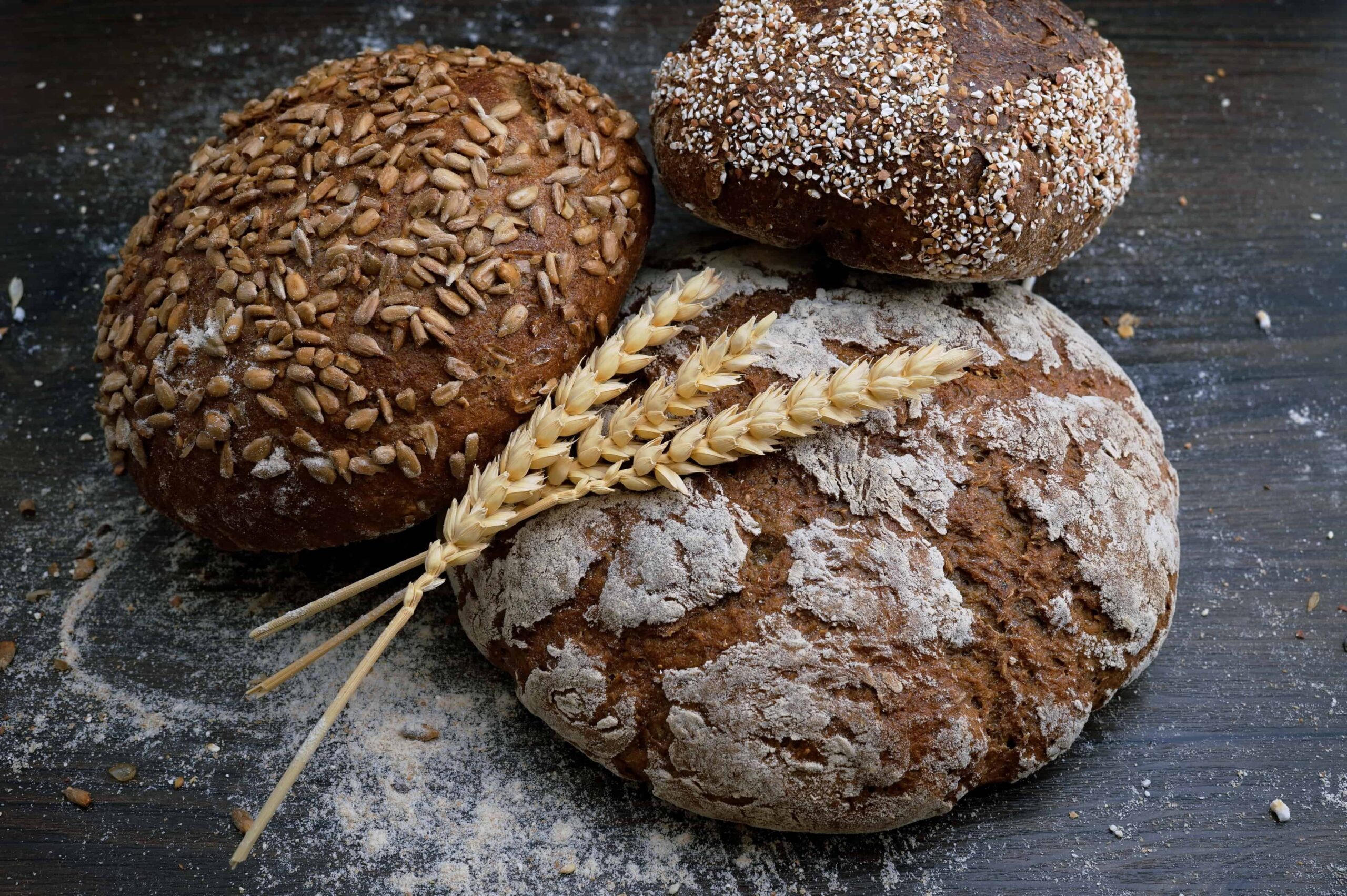
A type of bread IBS sufferers can tolerate
We all know that fibre is an essential part of everyone's diet, but for IBS sufferers it can be a challenge to get enough fibre into their diet. Researchers from the University of Helsinki gave two types of Rye bread - the standard loaf and a rye loaf that was low in FODMAPs (fermentable olgi-, di and monosaccharides and polyols) to 87 IBS suferers for four weeks. Then after a break of four weeks, switched the two breads for another period of four weeks. As expected the standard Rye bread caused all the usual symptoms assocaited with IBS:
- abdominal pain
- diarrhoea
- constipation

How to treat heartburn naturally – part 2
In my last blog post, I shared some tips on natural way to trear hearburn, below are more tips: 1. Raw Apple Cider Vinegar Because acid reflux actually occurs due to having very small amounts of acid in your stomach, raw apple cider vinegar may actually help keep it from occurring. Simply dissolve a tablespoon of it in a glass of water and drink it to improve your acid levels. However, more research still needs to be done on this. One study found that apple cider vinegar alleviated heartburn symptoms for some individuals, but the effects only lasted between 60 and 75 minutes. 2. Ginger Tea If you know that you're going to be consuming a huge meal, it may be helpful if you drink a cup of ginger tea at least 20 minutes before you start eating. Simply steep a 2-inch piece of ginger root in two cups of boiling water for five minutes, and then drink. Ginger not only has an anti-inflammatory effect, but also tightens your lower esophageal sphincter, thus preventing acid from refluxing. 3. Papaya A study found that the enzyme papain may help promote better digestion, providing positive effects for people with heartburn, irritable bowel syndrome (IBS) and constipation References https://repository.asu.edu/attachments/166181/content/Yeh_asu_0010N_15671.pdf https://www.ncbi.nlm.nih.gov/pubmed/21990307 https://www.ncbi.nlm.nih.gov/pubmed/20420113 https://www.ncbi.nlm.nih.gov/pubmed/23524622
How can Reiki help me?
The nature of Reiki means that it can be beneficial in treating a wide range of conditions. I have found particular success in helping clients cope with anxiety, stressful periods in their lives, feeling drained and tired all the time, and to speed up recovery after illness, operations or injuries. It is important to note that for a successful Reiki treatment the client does not need to believe in Reiki or the concept of auras and life force energy. In addition, Reiki is compatible with all religious beliefs.
