
More tips to get a good nights sleep
Here are more tips to get a good nights sleep:
- Read a book or a magazine – I appreicate this is very old school. The reason is studies have shown that brain activity during sleep is better regulated after reading a physical book compared with reading a screen.
- Have a hot shower or bath at night. When you get in all your blood comes to the surface of your body, so when you step out, your core temperature starts to drop. This stimulates sleep.
- Go to bed at the same time every nights – it’s possible to “programme” the body to get used to falling asleep at a certain time every night.
- Yoga or light exercise can help relax muscles and release any tension.
- Complementary therapies – these promote relaxing, reduce stress and anxiety and are therefore ideal for a good night’s sleep.
- Breathing exercises or medication – taking deep breaths helps the body switch off from the flight or fight more to rest-and-digest mode.
References
Related Posts

Thai massage can help with Parkinson’s symptoms
Parkinson's disease affects 1 in 350 people in the UK (Parkinson's UK, 2018). A ransomised controlled trail allocated 30 patients with Parkinson's and muscle weakness to receive either six Thai massage treatments in three weeks alongside standard medical care or standard medical care alone. Patients in the Thai masage group showed significant improvements in their peak flexion torque, peak extension torque and time to maximal flexion speed. In conclusion the Thai massage study suggested Thai massage could help improve arm muscle strenght in people with Parkinsons. References https://www.ncbi.nlm.nih.gov/pmc/articles/PMC5934701/
So how does massage help “tired” muscles?
Many clients come to our clinics a few days after vigorous work outs or competing in sporting competition because their legs feel tried or heavy. These clients often book a sports massage, but is their any scientific evidence to explain what is happening in the body during the treatment? Massage dilates superficial blood vessels and increases the rate of blood flow. In addition if a deeper pressure is used like in sports or deep tissue massage on a healthy adult it improves the venous return. Both of these changes to the blood flow represent a potent means to accelerate healing. For example, it suggests that massage should improve the performance of fatigued muscles. In addition, Goats asserts that massaged muscle fibres display less spasm, an increased force of contraction and enhanced endurance compared with muscles simply rested. Which suggests that massage will assist in the improvement of sporting performance where it has been compromised. References Scull CD (1945) Massage - Physiologic Basis. Archive of Physical Medicine 26: 159-67 Wilkins RW, Halperin MH, Litter J. (1950) The effects of various physical procedures on circulation in human limbs. Ann Intern Med 33: 1232-45 Goats GC (1994) Massage - the scientific basis of an ancient art: part 2. Physiological and therapeutic effects Br J Sp Med 28(3)
Natural remedies for the winter blues – Part 1
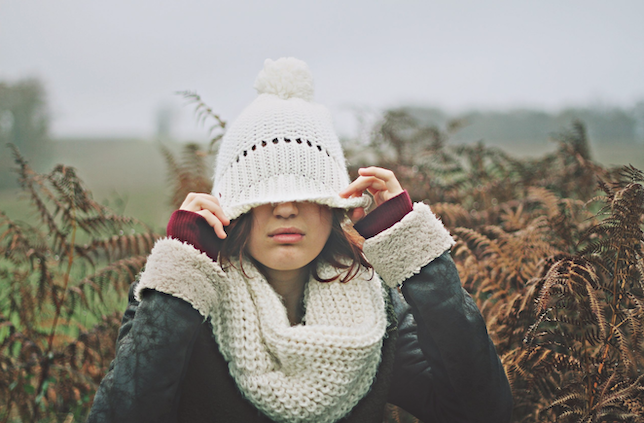
By January I am seriously missing the sun. While I know we have had the shortest day, the grey weather and the snow jsut reminds me we are in deep winter. So with the Brexit impass being deeply demoralising and frustraing, I wanted to share some tips to combat the blues. 1. Vitamin D Most people are short of Vitamin D in the uk. One of the signs of being short of Vitamin D is feeling blue. 2. Spice it up. Earlier today I was planning my meals for the week before I went to the supermarket. At this time of year I always fancy dishes containting yellow rice i.e. paella or pilau rice. I know its the yellow colour that particularly appeals which you get by adding either Tumeric or Saffron. In clinical trails Curcumin the main active ingredient in Tumeric (the bright yellow Indian spice) has been to be as effective as Prozac. A review of several trains of Saffron found it was a safe and effective treatmetn for depression. While I like to cook with the spices, it isn't as effective as supplements which are standardised extracts. For me cooking with the spice is fine as I am not depressed. 3. 5-HTP A naturally occuring amino acid, 5-HTP is used by the body to make serotonin the "happy hormone". Suplements produced from the seeds of the West African medicinal plant Griffonia Simplicifoia show promised for depression. References Woo YS, Kim S, Jeong JH, Jung YE, Kim MD, Bahk WM. Vitamin D Deficiency/Insufficiency among Inpatients with Depressive Symptoms. Clin Psychopharmacol Neurosci. 2019 Feb 28;17(1):121-124. Sanmukhani J, Satodia V, Trivedi J, Patel T, Tiwari D, Panchal B, Goel A, Tripathi CB. Efficacy and safety of curcumin in major depressive disorder: a randomized controlled trial. Phytother Res. 2014 Apr;28(4):579-85. Moshiri E, Basti AA, Noorbala AA, Jamshidi AH, Hesameddin Abbasi S, Akhondzadeh S. Crocus sativus L. (petal) in the treatment of mild-to-moderate depression: a double-blind, randomized and placebo-controlled trial. Phytomedicine. 2006 Nov;13(9-10):607-11 Birdsall TC. 5-Hydroxytryptophan: a clinically-effective serotonin precursor. Altern Med Rev. 1998 Aug;3(4):271-80.
