
Self help for a stiff neck
Neck cramps, also known as a stiff neck, generally occur when the neck muscles weaken over time due to overuse or poor posture. An example of over use of your neck muscles, is when we are doing abdominal exercises and start to feel it in you neck – if this happens remember you are exercising your neck not your abdominal muscles! If you regularly get a stiff neck then consider your posture when you use a computer, drive or look at your smart phone.
When You have a Stiff Neck Self Help Procedure
1. Find the sore spot and place one hand over it.
2. Firmly push into the affected area with your fingers, but not hard enough to cause a sharp pain. Any pain should feel like a good pain as its accompanied by a sense of relief or release.
3. Turn your head slightly in the direction opposite of the cramp and bend it diagonally.
4. Repeat steps 1 to 3 around 20 times.
If you find you can’t quite hit the spot then why not book in with us.
Related Posts

Do you have tight hips? – part 1
Many of the clients we see exercise regularly but I have never heard anyone mention including in their workouts exercises that focus on the hips. Yet, this is extremely important, as sitting for long periods of time can cause your hip flexors to become tight or weak or both leading to problems with posture and back pain. In addition weak hip flexors contribute to foot, ankle and knee injuries. Sitting is a primary culprit in tight hips and thighs because the muscles are rarely extended (although they may also become tight from working out). To lengthen and strengthen these muscles, try this move created by Suzanne Bowen, creator of BarreAmped, an internationally taught barre technique chosen by Fitness Magazine and Natural Health Magazine as the best barre workouts in 2015. You'll need a chair or kitchen counter for support. Start out in a kneeling lunge position with your right foot in front and leg bent at the knee in a 90-degree angle. Your left knee should be a few inches behind your left hip. To do the exercise, Bowen recommends:
"1. Press forward a few inches into your right leg just until you feel a gentle stretch in the opposite hip.
If you have very tight hips, this might be as far as you go. (Protect the front knee by making sure it doesn't extend out beyond the toes.) For a more advanced stretch, straighten the left leg behind you and then press forward.
2. When you're ready to move on, reposition the rear leg as needed so you can stretch your right leg straight out in front of you.
Keep your back straight and lean a few inches forward from the hips and feel the stretch in the right hamstring."
Hold each position for two to five deep breaths, then switch sides. References Los Angeles Times January 9, 2016 Pop Sugar April 17, 2016 Men’s Health January 28, 2016 Greatist December 15, 2011 Clin J Sport Med. 2005 Jan;15(1):14-21. Los Angeles Times January 9, 2016More of what can assist you with Carpal Tunnel Syndrome?
Following on from my previous tips, here are a few more:
- ICE - If your wrist feels inflammed (red, hot and swollen) then icing the area may assist you.
- Cupping - which is part of Traditional Chinese Medicine (TCM). In a trail of cupping therapy, whereby heated glass cups are applied to the skin to create suction and encourage energy flow in the body, the cupping group experienced a significant reduction in pain and other symptoms compared to the control group.
- Myofasical Release - Its a hands on therapy which uses manual pressure and stretching to release the faction to assist the carpal tunnel. In a study of four patients with carpal tunnel syndrome, all saw an improvement in both their symptoms and MRI scans after myofasical release treatment. Amanda Oswald, a leading myofascial therapsits has written a book with self-help fascial stretches for Carpal Tunnel Syndrome, Living Pain Free (published by Lotus Publishing in 2017).
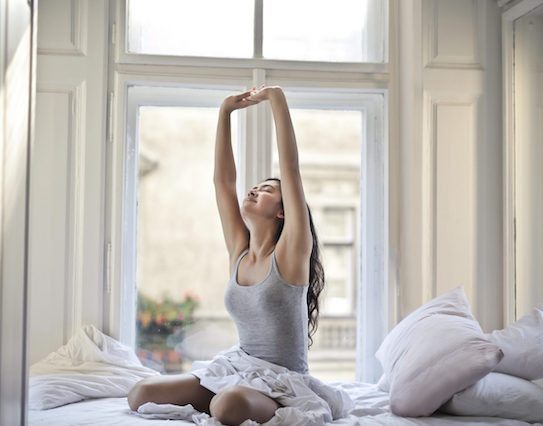
Sleep – Its only one way of getting energy.
The function of sleep is to renew us and its gives us our vitality or give us energy to live our lives. But while it may be ideal to have 7, 8 or 9 hours a sleep it’s not always possible with our 21st century life styles. For many people there is simply too much to do to sleep. So given you can’t create time, what can you do. First remember that sleep is only one way to recharge our energy battery. Energy How much energy you have right now isn’t purely based on how well you slept last night or how well you have been sleeping recently. By “energy” I mean your personal ability to live life to its fullest capacity. So where would you put yourself on an energy scale of 1 to 100% where 1 is very low energy and 100 is full of energy? Below 30% we are de-motivated, low in self-esteem and feel out of control. Just like jump-starting a car when the car battery has gone flat, if your energy falls below 30% then you need an energy boost from something like acupuncture, shiatsu or reiki. Once your energy level is about 30% then it’s possible to help yourself boost your energy. Physical Energy Boosters This is what we do to care for ourselves physical and the things that give us our vitality and make us feel physically well and energised.
- Rest is not just the essential precursor to brilliant sleep; it is also a substitute for sleep as it allows us to recharge our batteries.
- A healthy diet provides the nutritional support your body needs to provide physical energy.
- Exercise including yoga, swimming, walking and tai chi help re-charge our batteries.
