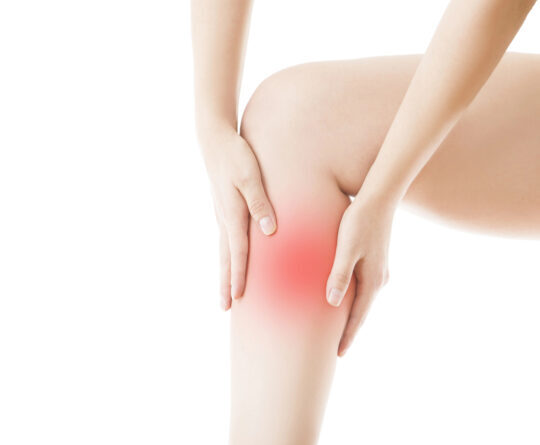
Guess what science has discovered about back pain …
According to the UK’s Office for National Statistics the UK economy loses almost 31 million work days per year which costs the UK economy £14 billion to bad backs, neck & other muscle problems. A bad back is of the most common causes of absence and 80% of p will suffer with people will experience back pain at some point in their lives. At Vitality Therapy we find back pain is something we treat on a regular basis.
I know a lot of my clients and potential clients are interested in what the latest scientific research is on how effective massage is for treating back pain, becuase they don’t want to waste their time and money if massage isn’t going to help them.
Until now scientific studies of the effectiveness of massage were conducted in controlled research situations. However in a recent study, a physician sent patients to a massage therapist. The massage therapist designed and provided a series of 10 massage — at no cost to the patient — in a clinical treatment environment. This clinical treatment environment mimicks the experience of people who choose to seek massage in the real world.
More than 50 percent of those who participated in the study experienced clinically meaningful improvements in their low back pain. The reasearches concluded that the study gives primary care providers (i.e. GPs) the confidence to tell patients with chronic low back pain to try massage, if the patients can afford to do so.
References
http://www.nhsemployers.org/news/2015/04/bad-backs-cost-the-uk-31-million-days-of-work
Related Posts

Migraines – part 1
When is a headache not a headache? When its a migraine. Migraine is a complex condition with a wide variety of symptoms. Migraines are the 3rd most common illness in the world! For many people the main feature is a painful headache, but its way more than a headache, migranes are debilitating in a way headaches aren't - migranes are the 7th most disabling illness! While there are no typical symptoms, sufferers can get disturbed vision, sensitivity to light, sound and smells, feeling sick and vomiting. Over the next couple of weeks, I want to explore natural ways what can help migrane sufferers. Butterbur Butterbut is a herbal hay fever remedy which scientific studies show prevents migraines. Pitted against a placebo, a standardised extract of butterbut (Petasites Hybridus) significantly reduced the frequency of migraine attacks, with either no side-effects or just the odd bit of burping. References
Steiner TJ, Stovner LJ, Birbeck GL. Migraine: the seventh disabler. The Journal of Headache and Pain. 2013;14(1):1. doi:10.1186/1129-2377-14-1.Lipton RB, Göbel H, Einhäupl KM, Wilks K, Mauskop A. Petasites hybridus root (butterbur) is an effective preventive treatment for migraine. Neurology. 2004 Dec 28;63(12):2240-4. PubMed PMID: 15623680.Health New Year’s Resolutions
The new year is a natural time for focusing on new goals. At the end of the festive season we can feel like we have over indulged so want to refocus on health. I know I certainly feel like that. So I wanted to share some ideas for health new year's resolutions.
- Focus on 1 health goal for 2018 as this focus will help you acheive it.
- Use the stairs more.
- Go outside for a daily dose of vitamin D.
- Focus on your breath when you feel the stress coming on. It's a mini meditation session.
- Turn off all electronics 20 minutes before lights out at bedtime.
- Write down everything you're grateful for at the end of the day.
- Drink more water than cafine.
- Add one thing to your life that brings you joy.
- Cook at home more frequently. You’ll end up getting healthier in the process.
- Forgive someone. Anger and resentment is like holding onto internal poison and can even harm your physical health. Life’s too short to not move on.