
Do you have painful wrists?
We use are wrists all the time. More now as we live our lives on line meaning we use computers more and then we often go to the gym and lift weights all of which load are wrists. Most people have heard of RSI (Repetitive Strain Injury) and is characterised by pain in the wrist and forearm from repetitive use. In addition, you have probably heard of carpal tunnel syndrome, a painful wrist disorder induced by compression on the median nerve within the carpal tunnel.
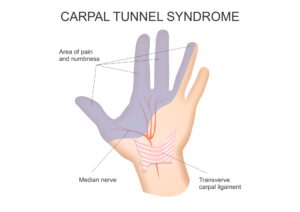
Both are characterised by:
- numbness, pins & needles, tingling, weakness in the arms and/or hands
- pain in forearms often a full ache but can become a sharp/shooting pain when using your hands and arms
- pain in palms which may be worse at night
Risk factors which may contribute are:
- Computer usage greater than 2 to 4 hours per day
- Infrequent rest break when using a computer
- Hypermobile joints
- Poor posture
- Sedentary lifestyle
- A stressful work environment
- Being overweight
If your wrists or forearms feel inflamed, then you will benefit from being benefited from resting and being iced.
I find in clinic, clients are often surprised if I massage their forearms at how “tight they feel”. If you are having problems or pain in your wrists, RSI or carpal tunnel syndrome then you may benefit from massage.
Related Posts

Heat
Last time, I discussed the use of Cryotherapy to aid healing, today I would like to discuss the use of heat. As many of you will know who have had a full body massage treatment with me, I often incorporate hot stones into my treatment. And some of my readers will have heard me say they should use a wheat bag or cherry stone bag or some other type of hot pack. The simple reason why I do this is that most people I treat have one or more knots. A knot is created when a muscle contracts for a sustained period of time and looses its ability to stretch or relax. A simple "muscle knot" will deprive an area of blood, oxygen, nutrients and a thyroid hormone called T3. When a muscle has been deprived of T3 even for a few minutes it will lose its ability to relax, creating the perfect conditions for inflammation and fibrosis (the creation of adhesions). A reduction in the partial pressure of oxygen (to 55 mm of Hg) due to restriction of blood to an area in that muscle will start the inflammatory process that causes the fibrotic condition (adhesion) to proliferate. In the hands of a skilled massage practitioner the knot and any adhesions are located and ideally removed but at least reduced. With the restoration of normal muscle motion, pain is decreased or eliminated, joint motion improves, and normal or near normal activities can be resumed. So heat is often incorporated into a massage treatment treatment because it
- Increases blood supply to an area of the body
- It warms up the muscle tissues to allow them to stretch (relax)
- It reduces muscle spasm
Why do muscles get stiff and painful?
Muscle fibers are designed to tense and relax and go through a natural tense/relax cycle as you use your body. A muscle under sustained tension without a corresponding relaxation phase becomes stiff and eventually spams causing pain. There are three reasons why muscles don’t relax:
- Overuse is for example when you injury yourself in the gym.
- Disuse is when your muscles tense when you are at your desk due to the body’s natural response to the demands and pressure you are under. Muscles are designed to be used which means if you sit still for long periods the muscular tension doesn’t dissipate.
- Misuse for the majority of people this is due to poor habits when walking, standing and sitting. Sedentary lifestyles means the muscles of the legs are often held in contracted positions for long periods of time and which can lead to stiffness. Sitting at computers for long hours keeps the neck and back in fixed positions causing the same muscles to contract which can lead to muscle tension and in some people muscle pain.
- Stretching Often - Stretching is, of course, a valuable way to relieve muscle stiffness.
- Exercise - Exercise in general is extremely good for releasing muscular stiffness, improving your mood and creating good health.
- Yoga -You can also consider yoga, which is a form of both exercise and stretching, and may have a positive effect on your future muscle discomfort.
- General Health - Your muscles are also very sensitive to your general health as well. You need to do anything you can to make sure you're getting enough sleep, eating protein, and drinking water. These small changes are going to improve your muscle health, which should improve the way your muscles deal with demanding lifestyles.
- Massage - Massage is an excellent way to combat muscle stiffness and pain.
The Impact of Sitting All Day – Part 6
Studies have shown that an alert body and active lifestyle boosts not just productivity, but also happiness and satisfaction levels. There is now an explosion of research studies that demonstrate the harmful effects of sitting all day, which I have covered in past blog posts.
- the impact on muscles (in part 1)
- the general impact on the body (in part 2)
- the impact on your heart and the increase risk of cardiovascular disease (in part 3)
- the increased risk of certain cancers (in part 4)
