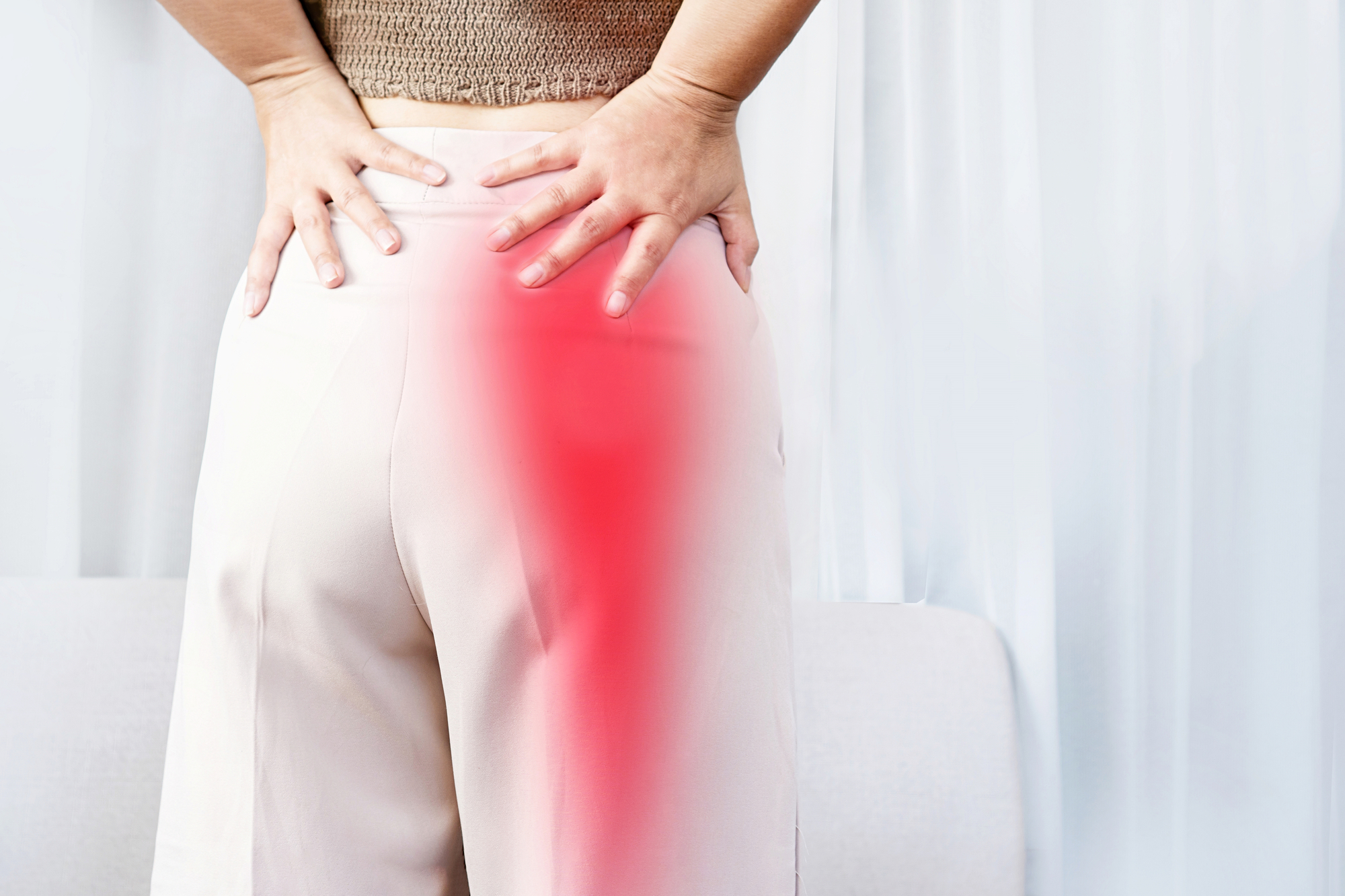
Muscle Soreness after exercise
We all know that postural muscles get tired and that creates knots. But muscles also get tired after exercises, this is called DOMS – delayed onset muscle soreness.
DOMS is characterised by a dull, aching pain in the affected muscle, often combined with tenderness and stiffness. The pain is typically felt only when the muscle is stretched, contracted or put under pressure, but otherwise the muscle feels fine. The soreness usually increases in intensity in the first 24 hours after exercise. It peaks from 24 to 72 hours, then subsides and disappears up to seven days after exercise.
DOMS can be the reason why sporty people feel aches and pains when they are treated if they have recently been pushing themselves when exercising.
Unfortunately stretching or warming up the muscles does not prevent DOMS but gradually increasing the intensity of the exercise does.
If treatment is desired, any measure that increases blood flow to the muscle, such as hot baths, sauna or a massage may help.
Related Posts

How to prevent muscle cramps?
I know previously I have discussed how to minimise the risk factors associate with muscle cramps including during pregnancy. Exercise Related Muscle Cramps May occur during, after or in some case many hours after vigorous activity. In addition to minimising the risk factors I have previously documented you need to ensure you
- Don't exercise when injured - cramps can occur as a protective mechanism following an injury.
- Warm up thoroughly
- Stretch before and after exercise
- Cool down properly
- Don't over do it - their is a clear correlation between muscle fatigue and cramps. In addition if you suddenly place a huge physical demand on the body (e.g. a late spurt to win the race) that it is not used to, your body can react by contracting all the muscle and creating cramps. So remember to follow a suitable training program before entering that competition!
- Stand about 2 or 2.5 feet away from a wall. Lean into the wall to place the forearms against the wall with the knees and back straight and the heels in contact with the floor. Hold for 10 to 15 seconds and repeat three times before going to bed.
- In bed while lying down, you can try flexing the ankle by pulling the toes up toward the head with the leg as straight as possible.
Is reflexology or massage better at reducing stress or pain?
While amongst my clients there is a clear preference for massage, I decided to investigate if there was any scientific evidence if massage was better than reflexology (or vice versa) at reducing pain and stress. In 2012 there was a small study comparing massage to reflexology on cancer survivors over the age of 75 living in a care home. The study compared the effectiveness of 20 minutes of reflexology treatments against 20 minute Swedish massage by examining the impact on the patients stress levels, pain levels and mood. Pre and post treatment levels of salivary cortisol, observed affect and pain were compared. Both reflexology and Swedish massage resulted in significant declines in salivary cortisol indicating a reduction in stress levels, reduced pain levels and improvements in mood. So to go back to my original question, there is scientific evidence for both and I suggest you book the treatment you prefer. Hodgson N, Lafferty D (2012) Reflexology versus Swedish Massage to Reduce Physiologic Stress and Pain and Improve Mood in Nursing Home Residents with Cancer: A Pilot Trial. Evidence Based Complement Alternat Med. 2:456897