
Does reflexology improve quality of life at end of life?
With a 50% chance of a cancer diagnosis and a 50% chance of surviving cancer, cancer will touch all our lives.
Cancer Research statistics
- 1 in 2 people born after 1960 in the UK will be diagnosed with some form of cancer during their lifetime.
- 50% survive cancer for 10 or more years.
While cancer survival rates are on the way up, unfortunately people still die of cancer.
I want to share the details of a small randomised control trial of reflexology for cancer patients during the end of life stage of cancer. The study showed reflexology improved the quality of life for patients in 16 areas, the greatest improvements were in:
- appetite
- breathing
- constipation & diarrhea
- fears of the future
- pain
- nausea
- sleep
- communication
- tiredness
Urination & mood improved equally in the patients in the group receive reflexology and the placebo group who received a foot massage.
This study shows reflexology can be helpful in improving quality of life for cancer patients during the difficult end of life stage.
Reference:
Hodgeson, N. Nursing Standard – London, 14(31), pp. 33–38.
Related Posts
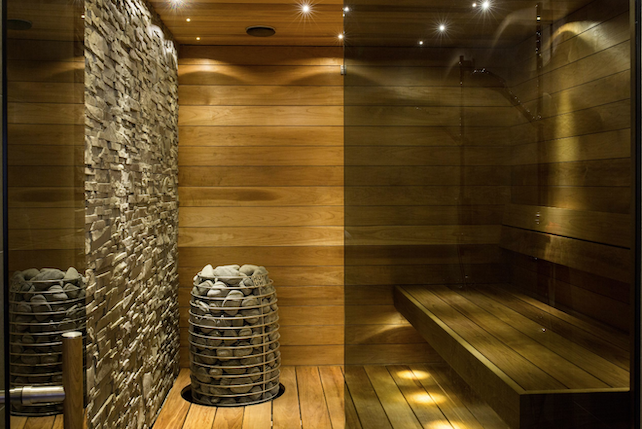
Can going to the sauna help your BP?
I will start with a confession. While I know the benefits of hydotherapy - basically you take a hot shower for 30 seconds then switch to freezing cold for 30 seconds, then go back to hot and repeat for 2 or 3 minutes - it has never appealed to me. It may be fantastic for blood flow and good for your liver, but to me it seems brutal! So in the past, I have only spent a few short minutes in a sauna and I have never been tempted to jump into the ice cold plunge pool afterwards - despite my finnish friends telling me how fantastic it is. So I was interested in the Kuopio Ischaemic Heart Disease Risk Factor Study which looked at if frequent use of a sauna has reduces the risk of high BP. The study looked at 1,621 middle-aged men living in eastern Finland. The study found that
- Going to the sauna 4 to 7 times per week reduces your risk of develping High BP by 46%.
- Going to the sauna 2 to 3 times per week reduces your risk of develpoing High BP by 24%.

Headaches – Treatment & Prevention – Part 1
Previously, I explained the different types of headaches. Now I want to explore how you can treat them. Orthodox treatment of headaches is over the counter painkillers, while stronger prescribed medication may be required for migraines. However it should be noted that frequent use of pain killers can trigger what are referred to as rebound or withdrawl headaches. (For more information on withdrawl headaches see >> http://www.nhs.uk/Livewell/headaches/Pages/Painkillerheadaches.aspx Or http://www.migrainetrust.org/medication-overuse-headache ) Massage There is scientific evidence to confirm my experience that massing the neck, shoulder & upper back can help alleviate tension headaches and some migraines, specifically the frequency of headaches & the duration of headaches. Researchers believe that two mechanisms could be responsible. Firstly, the increased serotonin could help relieve the headache (many existing headache medications increase serotonin levels). Secondly, the increased hours of sleep and fewer night wakings may lower levels of substance P - a neurotransmitter responsible for pain. So next time you get a headache, consider booking a massage with us. Scientific References
- Cristina Toro-Velasco, Manuel Arroyo-Morales, César Fernández-de-las-Peñas, Joshua A. Cleland, Francisco J. Barrero-Hernández. Short-Term Effects of Manual Therapy on Heart Rate Variability, Mood State, and Pressure Pain Sensitivity in Patients With Chronic Tension-Type Headache: A Pilot Study. Journal of Manipulative and Physiological Therapeutics, 2009; 32 (7): 527 DOI: 1016/j.jmpt.2009.08.011
- Quinn C, Chandler C, Moraska A. Massage Therapy and Frequency of Chronic Tension Headaches. Am J Public Health. 2002 October; 92(10): 1657–1661.
Can reflexology help you with period pain?
It is claimed that up to 50% of women of reproductive age suffer from period pain. For many years from my mid-teens until my late twenties I suffered from dysmenorrhea (period pain). To avoid it interfering with my O Levels I went on the pill but discovered that didn't suit me. In my mid-twenties I tried reflexology and I felt it helped but I never knew if it was just as a I got older my periods were less painful. Recently I came across some research that supports my experience. A clinical trial in Iran compared the effectiveness of reflexology and ibuprofen in reducing period pain intensity and duration. 68 students with period pain were randomly divided into a reflexology group, receiving 10 reflexology sessions (40 minutes each) during two consecutive menses cycles or an ibuprofen group, receiving 400mg of ibuprofen every eight hours for three days during three consecutive menses cycles. The study results indicated that reflexology was superior to ibuprofen in reducing period pain and the effects off treatment continued even after discontinuing the intervention in the third mense cycle. Reference Valiani M, Babaei E, Heshmat R and Zare Z, Comparing the effects of reflexology methods and ibuprofen administration on dysmenorrhea in female students of Isfahan University Medical Sciences. Iran Journal of Nursing and Midwifery Research. December 2010; 15 (S1): 371 - 378
