More tips to get a good nights sleep
Here are more tips to get a good nights sleep:
- Read a book or a magazine – I appreicate this is very old school. The reason is studies have shown that brain activity during sleep is better regulated after reading a physical book compared with reading a screen.
- Have a hot shower or bath at night. When you get in all your blood comes to the surface of your body, so when you step out, your core temperature starts to drop. This stimulates sleep.
- Go to bed at the same time every nights – it’s possible to “programme” the body to get used to falling asleep at a certain time every night.
- Yoga or light exercise can help relax muscles and release any tension.
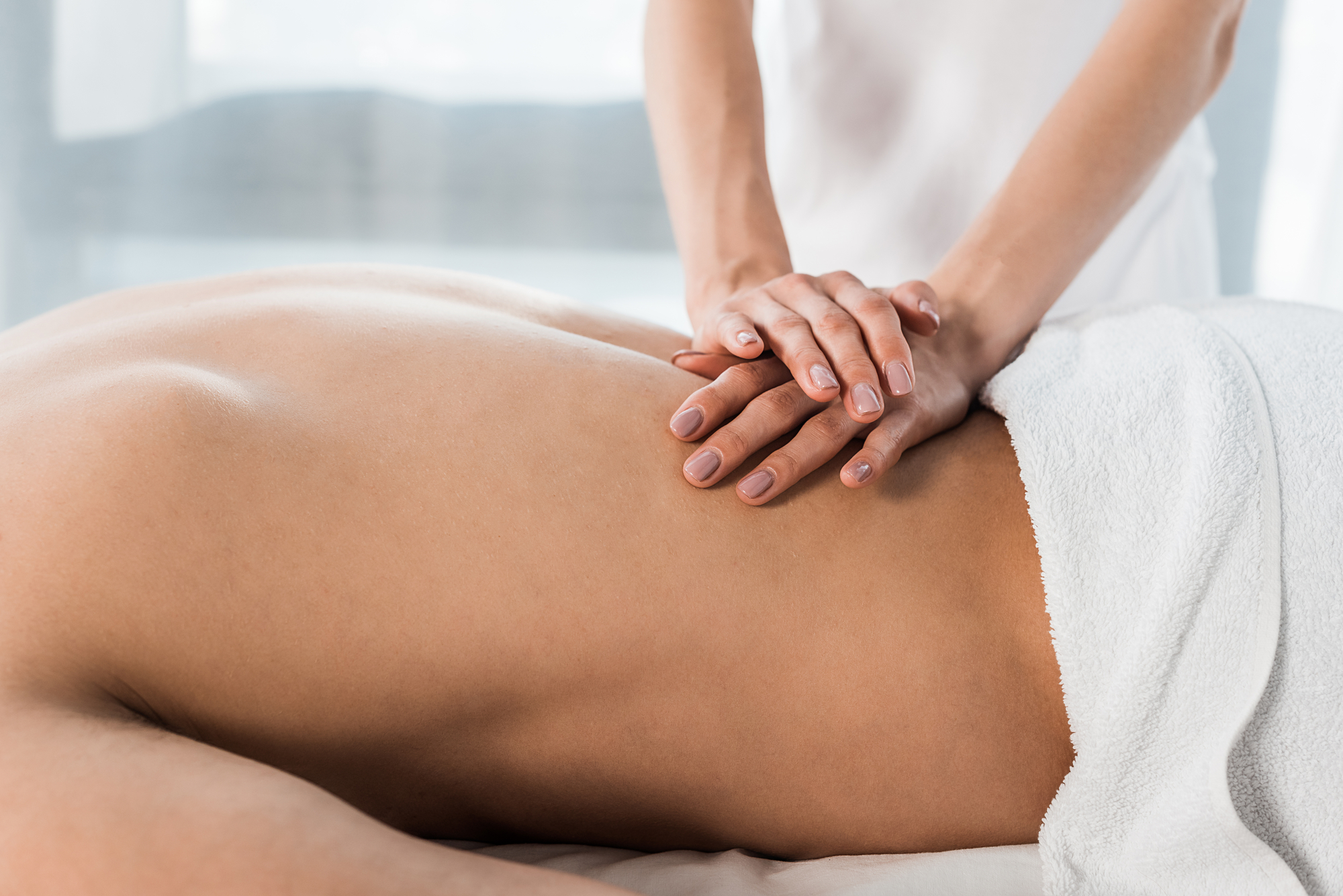
- Complementary therapies – these promote relaxing, reduce stress and anxiety and are therefore ideal for a good night’s sleep.
- Breathing exercises or medication – taking deep breaths helps the body switch off from the flight or fight more to rest-and-digest mode.
References
Related Posts
Can going to the sauna help your BP?
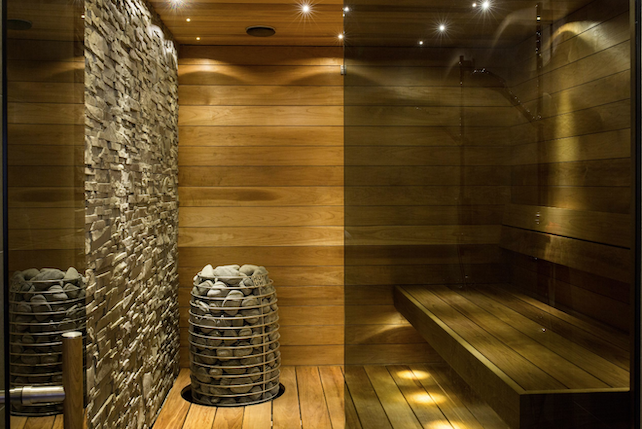
I will start with a confession. While I know the benefits of hydotherapy - basically you take a hot shower for 30 seconds then switch to freezing cold for 30 seconds, then go back to hot and repeat for 2 or 3 minutes - it has never appealed to me. It may be fantastic for blood flow and good for your liver, but to me it seems brutal! So in the past, I have only spent a few short minutes in a sauna and I have never been tempted to jump into the ice cold plunge pool afterwards - despite my finnish friends telling me how fantastic it is. So I was interested in the Kuopio Ischaemic Heart Disease Risk Factor Study which looked at if frequent use of a sauna has reduces the risk of high BP. The study looked at 1,621 middle-aged men living in eastern Finland. The study found that
- Going to the sauna 4 to 7 times per week reduces your risk of develping High BP by 46%.
- Going to the sauna 2 to 3 times per week reduces your risk of develpoing High BP by 24%.
Action plan for a healthy small intestine
The small intestine is as wide as your thumb and around 5.5m long. It is both a food blender and assimilator as it digests more of your food than your stomach. Food stays in the small intestine for 1 - 4 hours before moving on to the large intestine for further processing. Maintaing a healthy small intestine is all about controlling your bacteria levels and mucus build-up on your intestinal walls which can cause havoc and deplete your energy levels. If you have bloating, gas and loose bowel movements you may have a small intestine issues such as:
- Candida
- IBS
- SIBO (small intestinal bacterial overgrowth
- Cut out imflammatory drugs e.g. asprin, paracetamol and avoid alchol.
- Take L-glutamine and butyric acid both of these can help heal the gut, but check with a nutritionalist first as dosage is important.
- Drink slippery elm tea which calms inflamation of the small intestine and helps relieve IBS.
- Up your intake of vitamins A and D - liver is an excellent sourch of these vitamins which protect the mucus membrane of the gut.
- Eat more antibacterial foods such as garlic, honey and sauerkraut which preven the growth of Candida, fungus and yeast infections.
- Take oregano oil (Oregnano Vulgaris) which has been shown to stop Candidan in its tracks.
- Take probiotics daily - look for a count of 50 billion or more in each dose.
- Take prebiotics daily - to feed the probiotics. Or eat food prebiotic foods such as sauerkraut or kimchi.
- Go gluten free. Cut out gluten for an entire week and keep a food diary to check if your symptoms improve.
- Mimosa pudica an ayurvedic herb is brilliant at wiping out parasites.
- Eat more ant-parasitics such as garlic, thyme, chilli, tumeric and ginger.