
Why faking confidence never works
Related Posts

Stress and the immune system – Part 2
In part 1, I gave an overview of the immune system works. In this post, I want to explore the impact of short-term stress on the immune system. The immune system is actually very flexible and naturally responds to challenges in your life which means stress modifies our immune system. When we consider the impact of stress on the immune system, we need to consider the duration and course of the stress i.e. how long it will be present and whether or its continuous or not. 1. Acute Stressors – last only minutes e.g. public speak – can cause adaptive up regulation of natural immunity and down regulation of specific immunity. This means you have an increased ability to fight infection but reduced specific response. 2. Brief Naturalistic Stressors – for example taking exams, present a short-term challenge – this means you specific immunity is preserved but less ability to fight infections. In summary in some circumstances, acute short-term stress is part of everyday life, and under some circumstances it can enhance your immunity. Reference https://www.ncbi.nlm.nih.gov/pmc/articles/PMC1361287/
Why a good nights sleep is a dieter’s best fiend..
Inadequate sleep has been linked to many things including an adverse impact on:
- Mental health
- Fertility
- Immunity
- Leptin - which is the satiety hormone
- Ghrelin - which is the hunger hormone
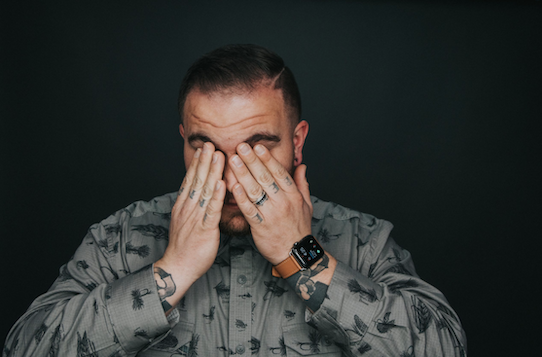
How much stress is too much?
How much stress is too much?
Because of the widespread damage stress can cause, it's important to know your own limit. But just how much stress is "too much" differs from person to person. We're all different. Some people are able to roll with the punches, while others seem to crumble in the face of far smaller obstacles or frustrations. Some people even seem to thrive on the excitement and challenge of a high-stress lifestyle. Your ability to tolerate stress depends on many factors, including the quality of your relationships, your general outlook on life, your emotional intelligence, and genetics.Things that influence your stress tolerance level
- Your support network – A strong network of supportive friends and family members can be an enormous buffer against life’s stressors. On the flip side, the more lonely and isolated you are, the greater your vulnerability to stress.
- Your sense of control – It may be easier to take stress in your stride if you have confidence in yourself and your ability to influence events and persevere through challenges. If you feel like things are out of your control, you’re likely to have less tolerance for stress.
- Your attitude and outlook – Optimistic people are often more stress-hardy. They tend to embrace challenges, have a strong sense of humor, and accept that change is a part of life.
- Your ability to deal with your emotions – You’re extremely vulnerable to stress if you don’t know how to calm and soothe yourself when you’re feeling sad, angry, or overwhelmed by a situation. The ability to bring your emotions into balance helps you bounce back from adversity and is a skill that can be learned at any age.
- Your knowledge and preparation – The more you know about a stressful situation, including how long it will last and what to expect, the easier it is to cope. For example, if you go into surgery with a realistic picture of what to expect post-op, a painful recovery will be less traumatic than if you were expecting to bounce back immediately.
