Can Tai Chi help relieve chronic neck pain?

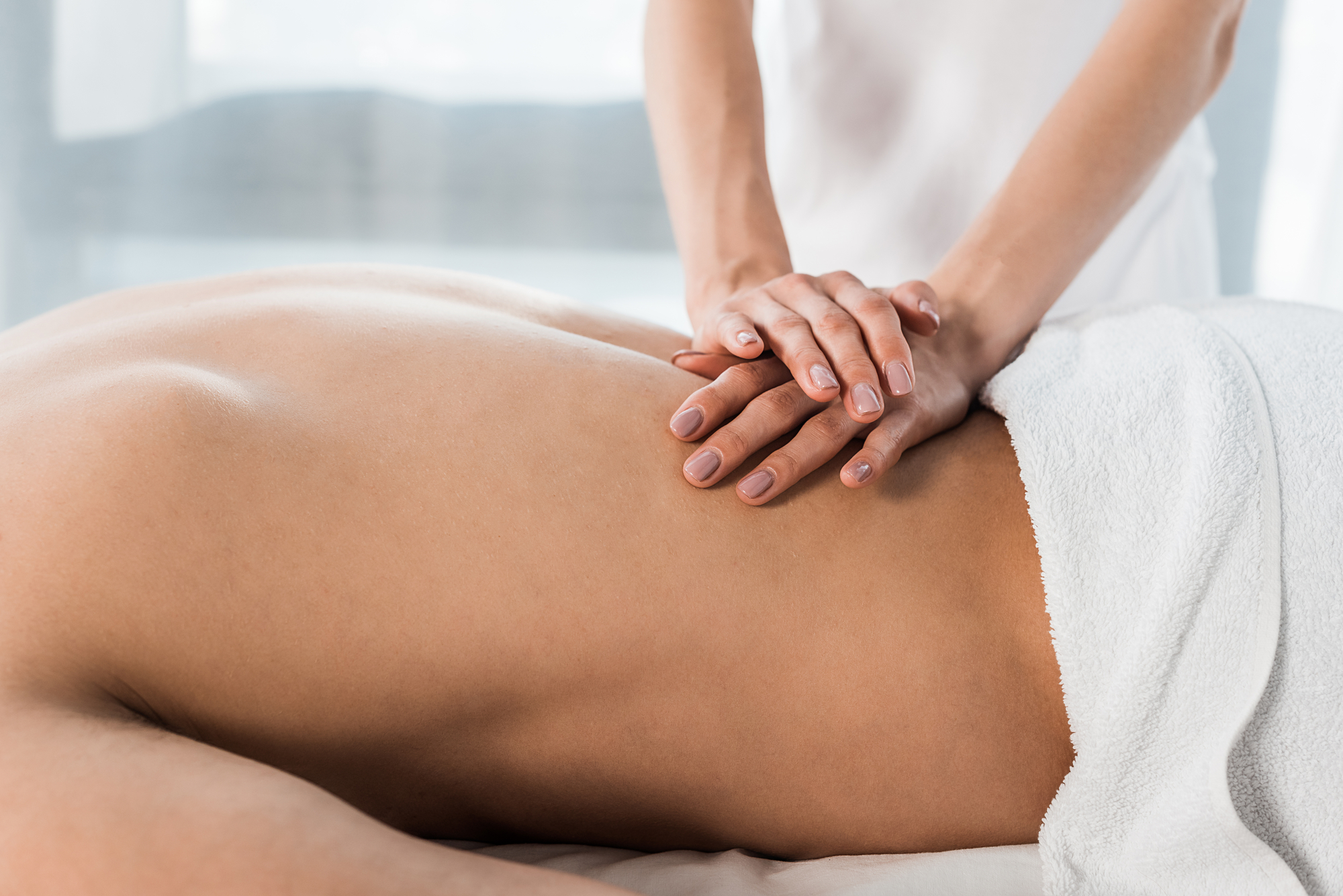
Tai Chi is a traditional form of exerise developed in ancient China which combines deep breathing and slow deliberate movements.  It has already proved helpful for back pain, rheumatism and psychological disorders, but can it help people with chronic neck pain?

A group of 114 people suffering from chronic neck pain performed either Tai Chi or did nothing at all for their neck pain for three months.  By the end of the period, those who did the Tai Chi reported significantly less pain and disability, plus overall improvement in their quality of life ompaired with those who did nothing.  Tai Chi is also as effective as standard exercises say researchers from the University of Duisburg-Essen in Germany.

This means for those people suffering from chronic neck pain there is evidence that Tai Chi help relieve chronic neck pain and is effective as standard exercises.

Reference

R Launche, C Stumpe, J Fehr, H Cramer et al (2016) The Effects of Tai Chi and Neck Exercises in the Treatment of Chronic Nonspecific Neck Pain: A Randomized Controlled Trial, Journal of Pain Vol 17, Issue 9, 1013-27


Related Posts

  • More tips on how to prevent Delayed Onsite Muscle Soreness

    Previously I have explained what DOMS is, and why it plagues some people and not others and given you some ideas on how to prevent it.  Given DOMS can be so debilitating and demotivating I wanted to give you more tips on how to prevent DOMS. 1. Omega 3 Fatty Acids Omega 3 fatty acids, like those found in fish and flax oil, are a fantastic addition to your recovery arsenal. Your body can’t make them, so you have to eat them, they are found primarily in fish and wild game, and to a lesser degree in certain nuts and seeds.  They are powerfully anti-inflammatory and pro-recovery, and are protective to connective tissue, nerve tissue, and muscle tissue. 2. Protease Enzymes A study by Innerfield in 1957 showed that protease enzyme supplementation may have anti-inflammatory effects, and others have shown them to be specifically effective at reducing DOMS.  Protease enzymes include trypsin, bromelain, chymotrypsin and papain, and they help modulate the pro-inflammatory response by blocking pro-inflammatory prostaglandins and stimulating anti inflammatory processes.  If you go this route, make sure you get a formula that includes that piperine. This is an ingredient extracted from pepper that increases enzyme absorption by up to 60%.  You need this boost because enzymes don’t absorb that well in the gut. 3. Compression Tights Research found that marathoners who wore compression gear in the 24 hours after a race reported less soreness. The technical fabric supports muscle groups, reducing movement, which can result in less soft tissue damage. Compression can also boost circulation. However, to ensure the right level of compression, you’ll have to work out the size you need using your height and weight. 4. Foam Roller Most people are familiar with foam rollers and know that using it on sore muscles can alleivate the pain.  Remember using a foam roller may be painful and shouldn't be unbearable.  Personally I prefer receiving massage to foam rolling my own sore muscles.   Both sports and deep tissue massage can help alleviate DOMS too. References

    1. Innerfield I. The anti-inflammatory effect of parenterally administered proteases. Ann N Y Acad Sci. 1957 Aug 30;68(1):167-76; discussion 176-7.
    2. Miller et. Al. The effects of protease supplementation on skeletal muscle function and D.O.M.S. following downhill running. Journal of Sports Sciences 22, 365-372;2004.
    3. Taussig SJ The mechanism of the physiological action of bromelain Medical Hypotheses 1980; 6: 99-104
    4. Donaho C, Rylander C Proteolytic enzymes in athletic injuries: a double blind study of a new anti-inflammatory agent Delaware Medical Journal 1962; 34: 168-170.
    5. Cirelli MG Clinical experience with bromelains in proteolytic enzyme therapy of inflammation and edema Medical Times 1964; 92(9): 919-922.
    6. Taussig SJ, Batkin S Bromelain, the enzyme complex of pineapple and its clinical application Journal of Ethnopharmacology 1988; 22: 191-203.
    7. Atal CK, Zutshi U, Rao PG. Scientific evidence on the role of Ayurvedic herbals on bioavailability of drugs. J Ethnopharmacol. 1981 Sep;4(2):229-32.
    8. Velpandian T, Jasuja R, Bhardwaj RK, Jaiswal J, Gupta SK. Piperine in food: interference in the pharmacokinetics of phenytoin. Eur J Drug Metab Pharmacokinet. 2001 Oct-Dec;26(4):241-7.
    9. Miller et. Al. The effects of protease supplementation on skeletal muscle function and D.O.M.S. following downhill running. Journal of Sports Sciences 22, 365-372;2004.
  • How to live to 100

    Here are some top tips on how to live to 100.  These tips are from Dr Claudia Kawas at the University of California, on of the world's leading scientific researchers into longevity and scientists at Northwestern University Feinberg School of Medicine in Chicago and the scientists working on the Blue Zone project. Scientists studying lonevity are tyring to answer the question why doesn one person live until they are 94 while another dies at 75.  Dr Claudia Kawas has spent 15 years studying "super-agers" - those who live until into their nineties and beyond while keeping their minds sharp.  By studying the lifestyles of these "super-agers" scientists have discovered some common lifestyle habits and traits including:

    1. Drinking two cups of coffee a day
    2. Don't over eat
    3. Get out and socialise including talking to strangers
    4. Drink two glases of wine a day
    5. 15 mins of light exercise a day
    6. Positive thinking or optimistic outlook in life
    7. Resilience when bad things happen
    8. Having a purpose/ belief in life
    9. Put others including family first
    10. Be with the "right" people for you
    11. Healthy eating i.e. more plant based diets
    References Nature, 2017; 546 (7660); E8; doi: 10.1038/nature22786
  • Migraines – part 1

    When is a headache not a headache?  When its a migraine.  Migraine is a complex condition with a wide variety of symptoms.  Migraines are the 3rd most common illness in the world!  For many people the main feature is a painful headache, but its way more than a headache, migranes are debilitating in a way headaches aren't - migranes are the 7th most disabling illness!   While there are no typical symptoms, sufferers can get disturbed vision, sensitivity to light, sound and smells, feeling sick and vomiting. Over the next couple of weeks, I want to explore natural ways what can help migrane sufferers. Butterbur Butterbut is a herbal hay fever remedy which scientific studies show prevents migraines.  Pitted against a placebo, a standardised extract of butterbut (Petasites Hybridus) significantly reduced the frequency of migraine attacks, with either no side-effects or just the odd bit of burping. References

    Steiner TJ, Stovner LJ, Birbeck GL. Migraine: the seventh disabler. The Journal of Headache and Pain. 2013;14(1):1. doi:10.1186/1129-2377-14-1.
     Lipton RB, Göbel H, Einhäupl KM, Wilks K, Mauskop A. Petasites hybridus root (butterbur) is an effective preventive treatment for migraine. Neurology. 2004 Dec 28;63(12):2240-4. PubMed PMID: 15623680.