
What can help my lower back pain?
However, just because lower back pain is common doesn’t mean it should be tolerated on a daily basis. Massage for lower back pain can provide significant relief for tired, painful, compressed muscles. With targeted massage therapy, lower back pain may be controlled and eased for long-term recovery.
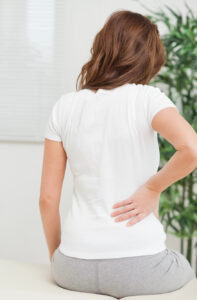
- Dull, aching pain: This can also be accompanied by muscle spasms in the lower back area including the base of the spine, the pelvis, and hips.
- Pain after sitting: Sitting for prolonged periods puts pressure on the disks, causing symptoms to worsen when seated.
- Pain that is worse upon waking up: Many people report lower back pain that is worse when waking up, but often find it subsides after moving around or when changing positions.
If you have lower back pain you may want to try the following:
- stay active and try to continue with your daily activities
- use an ice pack (or bag of frozen peas) wrapped in a tea towel to reduce pain and swelling
- use a heat pack (or hot water bottle) wrapped in a tea towel to relieve joint stiffness or muscle spasms
- resist the temptation to spend prolonged periods in bed
Massage therapy can alleviate lower back pain by reducing muscle tension and inducing a state of relaxation. If you are suffering from lower back why not book a massage now.
Related Posts

Hypertension – Lifestyle factors
Following on from my introduction to Hypertension (High BP), in this blog I want to discuss lifestyle strategies to prevent and assist the treatment of Hypertension (High BP). Manage your Stress I know its obvious, but I thought it was worth starting with this. The link between hypertension and stress is well documented as are the long list of things that help you cope including exercise, counselling, massage, reflexology etc. While we are on the subject of the obvious, I would like to remind readers that High BP is associated with high salt diets, smoking and high alcohol consumption too. Optimise your Vitamin D levels Ateria stiffness (atherosclerosis) is a driving factor for hypertension. As your blood travels from your heart, cells in the wall of your aorta, called barorecptors, sense the pressure load, and signal your nervous system to either raise or lower the pressure. However, the stiffer your arteries are, the more insensitive your baroreceptors become, and the less efficient they become at sending the signals. Vitamin D deficiency is, in turn, linked to stiff arteries, which is why optimising your vitamin D levels are so important. Get enough sleep In a study presented at the American Heart Association High Blood Pressure Research 2012 Scientific Sessions, researchers found a strong link between sleep quality and a type of high blood pressure known as resistant hypertension, which does not respond to typical drug-based treatments. In fact, women who had resistant hypertension were five times as likely to also have poor sleep quality. While the average length of sleep in this study was only 6.4 hours a night (and nearly half slept fewer than six hours each night), it was sleep quality, not quantity, that appeared to influence hypertension risk. While this study only found an association with women, other studies have also linked hypertension in men to a lack of deep sleep,1 and sleeping fewer than seven hours a night has been linked to hypertension in both men and women.2 Read Part 3 References 1 Hypertension AHA August 29, 2011 2 Sleep. 2006 Aug;29(8):1009-14.
‘Alternative cancer therapies’ may increase your risk of death
“Cancer patients who use alternative medicine more than twice as likely to die,” is the stark message, which has been reported in the press including CNN, Daily Mail and the Sun newspaper (see below). https://www.thesun.co.uk/living/4249489/cancer-patients-who-shun-chemo-for-alternative-therapies-are-twice-as-likely-to-die/ I know that I have written blogs about cancer in the past and pointed recent ideas and research. But I want to make it crystal clear that I believe in complementary therapy not alternative therapy. While this may sound like symantics its a crucial difference. At Vitality Therapy we always recommend you follow your GP, consultant and conventional medicine's recommendations and we work in a manner that is complementary to that advice, guideance and medication. In the articles I mentioned earlier, people were using "Alternative Medicine" instead of conventional cancer treatments. The researchers concluded that people using "Alternative Medicine" were less likely to survive after a cancer diagnosis for 5 years. What I discuss in my blog articles and we recommend in clinic is "complementary therapy" which is completely compatible will all forms of western medicine. Below is an extract from the NHS choices - Cancer section.. "There are reports that some people find complementary medicines (CAMs) of benefit during cancer treatments. For example, some people have said that acupuncture helped them cope better with the side effects of chemotherapy." The basic premise of the press articles is that ignoring medical advice on the treatment choices that potentially offer the most benefit for cancer (or any other illness) could be fatal. Here at Vitality Therapy we never suggest or imply that you ignore medical advice.
Pro’s and Con’s of our Shoulder Joint Design
While sometimes it may not feel like it, your shoulders are the most flexible joint in your body. The joint is formed by the union of the humerus, scapula (or shoulder blade) and the clavicle (or collarbone). While we normally think of it as a single joint, it is actually three joints
- glenohumeral joint
- sternoclavicular joint
- acromioclavicular joint.
- Work all joint articulations - if it moves that way, strengthen it.
- If you do a pushing exercise, counter it with a pulling exercise.
- Always use proper exercise form - control the resistance.
