
Migraine – Part 3
In part 1, I explore what a migraine was and how it differed from headaches and they shared a herbal remedy, last week in part 2 I looked at potential nutrional diffciences. This week, I want to explore some growing evidence about the impact of exercise.
When you are having a migraine it is natural to want to rest and for some people exercise can trigger a migraine. So I was slightly surprise about the growing evidence that suggest exercise can help migraine sufferers. Firstly, the evidence all relates to a certain type of exercise known as High Intentsity Interval Training (HIIT). This is where you alternative periods of intense exercise with periods of less intense recovery.
Recently scientists compared the effects of twice weekly HIIT sessions with moderate continous exercise and a control intevention and found that HIIT had most beneficial results. They found HIIT significantly reduced the munber of migraine days amoung sufferers.
Reference
Hanssen H, Minghetti A, Magon S, et al. Effects of different endurance exercise modalities on migraine days and cerebrovascular health in episodic migraineurs: A randomized controlled trial. Scand J Med Sci Sports. 2018;28:1103–1112. https://doi.org/10.1111/sms.13023
Related Posts

The Impact of Sitting All Day – Part 2
In part 1, I looked at the impact of sitting on your muscles, but what happens in the rest of your body? Leg Disorders We are all familiar with the risk of deep vein thrombosis (DVT) if we take long flights. This is because sitting for long periods of time slows blood circulation, which causes fluid to pool in legs. This creates problems ranging from swollen ankles, varicose beings to dangerous blood clots. Soft Bones Osteoporosis is a disease marked by reduced bone strength leading to an increased risk of fractures, or broken bones. Bone strength has two main features: bone mass (amount of bone) and bone quality. Osteoporosis is often called a “silent disease” because it usually progresses without any symptoms until a fracture occurs or one or more vertebrae (bones in the spine) collapse. Weight-bearing activities such as walking and running stimulate hip and lower-body bones to grow thicker, denser and stronger. Medical researchers partially attribute the recent surge in cases of osteoporosis to lack of activity. Garrett, Brasure et al, 2004, Physical Inactivity Direct Cost To A Health Plan, American Journal of Preventative Medicine; Vol 27 No 4, Pages 304–309 See http://www.ajpmonline.org/article/S0749-3797%2804%2900191-6/abstract?cc=y Weight Gain As the body slows down while in a resting and seated positions, the metabolism naturally slows down. Calories are burned at a far lower rate, when you sit, you burn only about one calorie a minute!. For some people this can lead to weight gain becoming an issues. Being overweight is a known risk factor for many common chronic conditions including
- diabetes
- gallstones
- hypertension
- heart disease
- stroke
Sleep
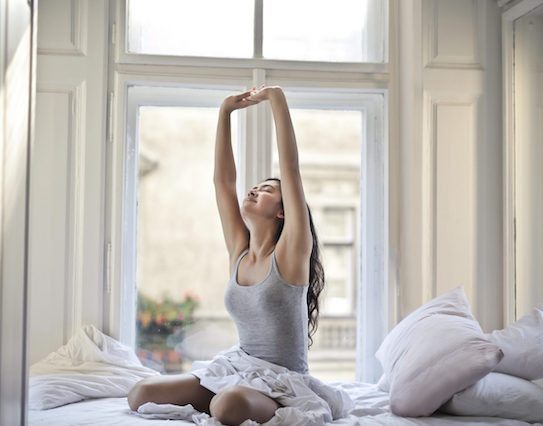
This week the press seem to be full of articles on sleep, ranging from recent research to the reasons why we lose sleep - the top reason being a heavy workload. I am sure that most people reading this blog post know that if they have a good night’s sleep they wake up feeling refreshed. So the recent discovery by scientists from University of Wisconsin which shows sleep restores your brain will be of no surprise. (For any geeks out there the research showed that sleep boosts myelin which is essential in the growth and repair of our brains. The research also revealed that deep sleep doubles the rate of reproduction of some cells.) While over in Stockholm researchers have discovered that people think sleep deprived individuals “look sad, unhealthy and unattractive”. For anyone that is struggling to get a good night’s sleep knowing science has proved that they look as awful as they feel isn’t exactly helpful either! So I wanted to share a few tips with you on getting a good night’s sleep.
- Try to go to bed and get up at the same time as bodies like routine and it will help you sleep better.
- Ensure your bedroom is quiet, dark, restful and the right temperature i.e. not to hot and not to cold. Remember it isn’t ideal to watch TV or work in your bedroom that includes trying to sleep while keeping one eye on your blackberry.
- Try to mentally and physically relax before going to bed by turning of the TV or computer and having a warm bath, listen to some relaxing music, read a book or simply sip a cup of Chamomile tea.
- Valerian is a dietary supplement that has been used since ancient times to help with a good nights sleep as it is known for combat insomnia and nervousness.
- While exercise is great to combat stress, exercising too close to bedtime can actually make it harder to sleep.
- It is best to avoid alcohol before your go to bed as for some people it will interrupt their sleep pattern later in the night.
- It is best to avoid coffee from later afternoon onwards as for some people it will keeps them awake.
