
Does owning a dog help you live longer?
A new study has discovered that dog owners:
- live longer
- less likely to suffer a heart attack
The protective effect of having a dog is increased if the dog is a hunting dog e.g. a terrier or a retriever.
However it may not be owning a dog itself that helps you live longer but the lifestyle of dog owners. This is because dog owners have to walk the dog so they are more active. During these walks they may bump into other dog walkers and talk so there is increased social contact. In addition the dirt the dog brings into your home changes the dog owners gut microbiome making them less susceptible to a heart attack.
What ever the reason the statistics are impressive. The risk of premature death drops by around 33% and the chances of a heart attack is reduce by 11%, according to researchers who studied the health of 3.4 million swedes of which 13% owned a dog for up to 12 years.
To focus in on the benefits of dog ownership, researchers focused in on single people living alone as this is recognised risk for heart disease.
One potential flaw in the is study is that people who choose to get a dog may already be more active and social and hence less likely to develop heart disease anyway.
Reference
Related Posts

Could fish oils help prevent miscarriages?
The bacteria, Fusobacterium nucleatum lives in the mouth. However in pregnant women the hormonal changes can cause their gums to bleed, which allows the bacteria to spead through the body. Fuscobacterium nucleatum can tavel to the uterus where it causes infection in the placenta. Infection and inflammation in the placenta is responsible for miscarriage and stillbirths say researchers at Columbia University Irving Medical Center. Omega-3 fish oils could reduce the rate of preterm babies and miscarriages by up to 30 percent. Omega-3 oils have anti-inflamatory properties and they block bacteria growth that is associated with 10% to 30% of preterms biths. The oils are already recommended for pregant women, but researches estimate the amount should be higher than the daily recommended dose to protect against infection. I would recommend seeing a nutritionalist before taking higher doeses of any Omega 3 oils. Reference https://insight.jci.org/articles/view/125436
What can help depression during pregnancy?
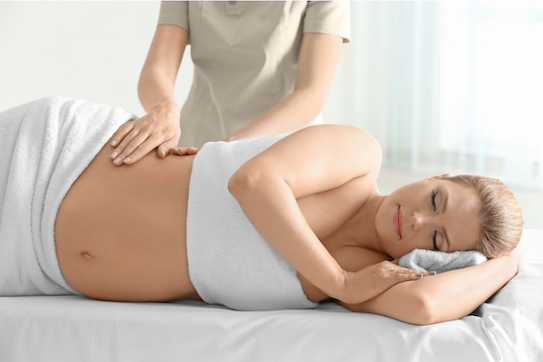
Post natal depression is very well known, what is talked about less often is depression during pregnancy. A team of scientists in the Uk and Singapore conducted a systematic review of six clinical studies, involving 450 pregnant women that examined the effects in yoga on depression during pregnancy. All six studies showed reductions in depression scores, indicating that yoga is a promosing non-medicine approach for improving psychological health of pregnant women. Participants recruited for the trails reported mild depressive states and therefore larger studies are required to examine the impact of yoga on pregnant women with severe prenatal depression. Reference https://www.sciencedirect.com/science/article/pii/S174438811830608X?via%253Dihub=
How to prevent gallstones
Although no definite preventive technique for gallstone development has been discovered yet, research shows that there are ways people can lower their risk for these stones.
Refrain From Taking These Medications
If you are taking any of these medications, remember that the following can increase your risk for gallstones:Cholesterol-lowering drugs: Medicines like gemfibrozil (Lopid) and fenofibrate (Tricor) can increase your gallstone risk. Although they may decrease your blood cholesterol levels, these medicines can also increase the amount of cholesterol released in bile. Hormone therapy: HRT is a general term referring to the administration of estrogen or a combination of estrogen/progestin therapy. Increased estrogen levels can cause the body to produce more cholesterol and raise the levels of it in bile. As such, if you are a woman who is undergoing HRT or is taking high-dose birth control pills, talk to your doctor about your gallstone risk and ask if there are other hormone-related medications that are better for you.A Healthy Lifestyle Can Lower Your Gallstone Risk
Decreasing your risk for gallstones begins with a healthy lifestyle, specifically by following these habits:Maintaining a healthy weight: People who are overweight or obese have a higher risk of gallstones. Boost your diet with these foods:ReferencesThe following common practices can also raise your gallstone risk, so it's best to avoid them:- Unlimited amounts of fresh, organic and vegetables, especially fiber-rich options (just make sure to introduce these foods slowly into your diet, since they can prompt digestive discomfort, especially in those who have had gallbladder surgery).
- Moderate quantities of high-quality protein from meat ideally organic.
- High portions of healthy fats from sources like avocados, coconut oil, organic butter, pastured egg yolks and raw nuts like macadamias, pecans and pine nuts.
• Exercising regularly: Research shows that moderate physical activity can help with increasing the body’s levels of high-density lipoprotein cholesterol (HDL) or “good” cholesterol.- Skipping meals or fasting for long periods of time. As much as possible, try to stick to your usual mealtimes.
- Following diets that promote rapid weight loss. By rapid I mean aiming to lose more than 1 to 2 pounds, or 0.5 to 1 kilogram, per week.
“What to Do About Gallstones,” Harvard Health Publications Harvard Medical School, March 2011 Marks and Bass, “4 Ways to Prevent Gallstones,” Everyday Health, January 26, 2010 Stöppler and Shiel, “Hormone Therapy (Estrogen Therapy, Estrogen/Progestin Therapy),” MedicineNet, August 23, 2016 “Gallstones,” National Institute of Diabetes and Digestive and Kidney Diseases, November 2013 Mayo Clinic Staff, “Gallstones Self-Management,” Mayo Clinic, August 18, 2016 Mayo Clinic Staff, “Top 5 Lifestyle Changes to Improve Your Cholesterol,” Mayo Clinic, June 19, 2015
