
Are you excessively tired?
Fatigue and depleted energy could be addressed with weekly Swedish or Thai massages according to researchers at Teeside and Leeds Universities . One in 5 people experience excessive tiredness at any given time, while one in 10 people have chronic fatigue (Royal College of Psychiatrists, 2018).
They invited 20 participants with fatigue and/or depleted energy to receive trestments with a massage therapist. The participants all agreed to commit to a six-week study and complete diaries describing how they felt after their treatments. The participants were split into two groups and half of them received three 45-minute sweedish massage treatments and then three Thai massages in weeks 4 ot 6. The treatment order was reversed for the other ten participants.
The results showed that both Swedish and Thai massage relieved symptoms of fatigue or depleted energy by
- reducing stress
- promoting relaxation
- relieving pain
- improving energy
Swedish massage was more effective than Thai massage in improving sleep, promoting relaxation and de-stressing. Thai massage was more energising, rejuvenating and motivating and had longer lasting benefits than Swedish massage.
Note: Vitality Therapy offer relaxing massage (which is our term for Swedish Massage) at Barclays in London.
Reference
https://www.bodyworkmovementtherapies.com/article/S1360-8592(17)30238-3/abstract?code=yjbmt-site
Related Posts

This one if for my fellow women – sorry guys! Part 1
Around half of all women will get cystitis or some other unirary tract infection (UTI) at somepoint in their life. The female anatomy makes women more susceptible. Having had cystitis many years ago I can vouch for the pain. As some women are prone to suffer multiple episodes, I wanted to share some natural options to help them stop coming back. Cranberry Juice 300-500ml of unsweetened cranberry juice or 400mg of concentrated cranberry extract twice a day appears to be sucessful is preventing or reducing the number of urinary tract infections (UTI). However, there is limited evidence that cranberry can stop a UTI once you have it. Acupuncture Acupuncture was put to the test against sham acupuncture (the needles go into the wrong place or inserted in the wrong way) or no treatment for UTI prevention. After six months 85% of those who had genuine acupuncture sufferend no UTIs compared with 58% of those of the sham group and 36% of the untreated group. In another study UTI-prone women receiving acupuncture twice a week had half the rate of infections compared to those receiving no treatment. References https://www.ncbi.nlm.nih.gov/pubmed/27251185 https://www.ncbi.nlm.nih.gov/pubmed/9612877 https://europepmc.org/abstract/med/12721123
Action plan for a healthy small intestine
The small intestine is as wide as your thumb and around 5.5m long. It is both a food blender and assimilator as it digests more of your food than your stomach. Food stays in the small intestine for 1 - 4 hours before moving on to the large intestine for further processing. Maintaing a healthy small intestine is all about controlling your bacteria levels and mucus build-up on your intestinal walls which can cause havoc and deplete your energy levels. If you have bloating, gas and loose bowel movements you may have a small intestine issues such as:
- Candida
- IBS
- SIBO (small intestinal bacterial overgrowth
- Cut out imflammatory drugs e.g. asprin, paracetamol and avoid alchol.
- Take L-glutamine and butyric acid both of these can help heal the gut, but check with a nutritionalist first as dosage is important.
- Drink slippery elm tea which calms inflamation of the small intestine and helps relieve IBS.
- Up your intake of vitamins A and D - liver is an excellent sourch of these vitamins which protect the mucus membrane of the gut.
- Eat more antibacterial foods such as garlic, honey and sauerkraut which preven the growth of Candida, fungus and yeast infections.
- Take oregano oil (Oregnano Vulgaris) which has been shown to stop Candidan in its tracks.
- Take probiotics daily - look for a count of 50 billion or more in each dose.
- Take prebiotics daily - to feed the probiotics. Or eat food prebiotic foods such as sauerkraut or kimchi.
- Go gluten free. Cut out gluten for an entire week and keep a food diary to check if your symptoms improve.
- Mimosa pudica an ayurvedic herb is brilliant at wiping out parasites.
- Eat more ant-parasitics such as garlic, thyme, chilli, tumeric and ginger.
Is Reiki a Placebo? – Part 1
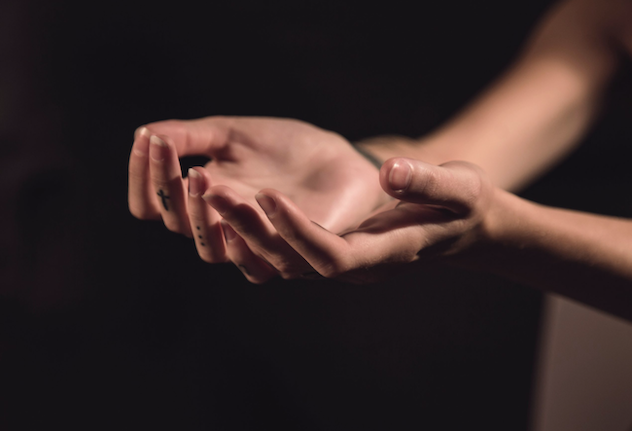
By nature Reiki is very intangible. So in a series of blog articles I will try to explore how Reiki works and what the scientific research says. For me Reiki is merely a modern name for an ancient healing practice. Which is administered by "laying on hands" and is based on the idea that an unseen "life force energy" flows through us and is what causes us to be alive. If one's "life force energy" is low, we are run down and then we are more likely to get sick or feel stress, and if it is high, we are more capable of being happy and healthy. The benefits of Reiki
- Help some people to feel deeply relaxed
- Help people cope with difficult situations
- Relieve emotional stress and tension
- Help to improve overall wellbeing
- Help alleviate pain & anxiety
