
More on building your resiliance
Following on from last week’s entry on building resilience, it is important to state that resilience don’t just help you manage stress but it fosters inner strength to help you meet goals, life challenges and achieve success.
Most of my clients hold more or less physical tension which I would like you to think of as a bad habit that relaxation will help you break. Relaxation is like changing the idling speed on a car. When a car turns over too quickly, wasting expensive fuel and putting a strain on the engine, the mechanic can reset the idling speed to a much lower level. Similarly when busyness, concerns, time pressure have speeded us up too much, making us tense and irritable, we can learn how to let go and attain a much calmer state of being. So taking the time to learn what relaxes you!
It is worth re-emphasising the point that it is possible to make an enormous difference to your state of mind through yoga, tai chi, relaxation and meditation and all other sorts of physical exercise.
While most of celebrate our wins, it is also important to celebrate when we do good for others, as often other’s don’t notice. We all know life has its ups and downs, when your life is in turmoil, you may not do things “perfectly”. Rather than worrying or simply surviving turmoil, why not ask what you can learn from the situation. But don’t beat yourself up, remember you always do your best, when you know better, you do better!
One habit that I try to cultivate to help put a smile on my face especially when I am feeling down is to cultivate a gratitude attitude. However bad my day goes, before I got to sleep I try to think of three things that I am grateful for. These don’t need to be big things; it can be as simple as “I am grateful that the transport system ran on time” as I had a busy day. A gratitude attitude helps foster joy, fulfilment & peace of mind.
Related Posts

Ten tips for surviving Chronic Fatigue or ME
We call all feel tired after a long day at work. For some people a good nights sleep doesn't refresh them and they end up feeling tired all the time. They may then receive a diagnosis from their GP of Chronic Fatigue or ME. So if you know anyone who has received this diagnosis here are some tips:
- Accept - make peace with your current limitations; it may require you to adjust your lifestyle and to get others to help care for you.
- Look externally - get support from others and see a doctor or a therapist.
- Fix your diet - we all know the importance of a healthy diet, but it is paramount when you are tired and take you may require supplements.
- Look within - meditate and look within to find the lessons from your current situation and illness.
- Examine the past - look for unresolved issues, traumas or behavioural patterns that aren't serving you well.
- Grieve - spend time grieving over any past hurts and broken dreams and then let them go.
- Get back into the world - when you have the energy, get out and meet people or do some volunteer work.
- Make changes - introduce new behaviours, think positively and keep a gratitude diary.
- Look into the future - set goals for where you want to be in 10 years time, find your passion and take small steps to get there.
- Keep learning - read about what may help your condition and make small changes to your daily routine.
Natural ways to reduce anxiety – Part 5
Having looked at exercise (yoga) and breathing I now want to move on to look at nurtition. Studies of animals suggest that the amino acids L-lysine and L-arginine may influence neurotransmitters involved in stress and anxiety. In humans supplementing with the two together appears to reduce both state anxiety (temporary anxious feelings that arise when comfronted by a specific situation) and trait anxiety (a general tendancy to be anxious) in healthy men and women subjected to stressful situations. Taking L-lysine alone has also been shown to reduce chronic anxiety in people with low dietary intake of the amino acid. References https://www.ncbi.nlm.nih.gov/pubmed/14676321 https://www.ncbi.nlm.nih.gov/pubmed/14609314 https://www.ncbi.nlm.nih.gov/pubmed/17510493
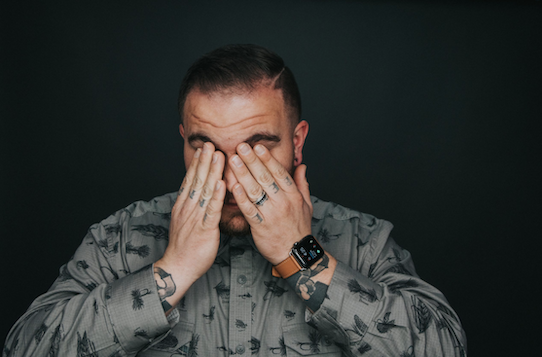
How much stress is too much?
How much stress is too much?
Because of the widespread damage stress can cause, it's important to know your own limit. But just how much stress is "too much" differs from person to person. We're all different. Some people are able to roll with the punches, while others seem to crumble in the face of far smaller obstacles or frustrations. Some people even seem to thrive on the excitement and challenge of a high-stress lifestyle. Your ability to tolerate stress depends on many factors, including the quality of your relationships, your general outlook on life, your emotional intelligence, and genetics.Things that influence your stress tolerance level
- Your support network – A strong network of supportive friends and family members can be an enormous buffer against life’s stressors. On the flip side, the more lonely and isolated you are, the greater your vulnerability to stress.
- Your sense of control – It may be easier to take stress in your stride if you have confidence in yourself and your ability to influence events and persevere through challenges. If you feel like things are out of your control, you’re likely to have less tolerance for stress.
- Your attitude and outlook – Optimistic people are often more stress-hardy. They tend to embrace challenges, have a strong sense of humor, and accept that change is a part of life.
- Your ability to deal with your emotions – You’re extremely vulnerable to stress if you don’t know how to calm and soothe yourself when you’re feeling sad, angry, or overwhelmed by a situation. The ability to bring your emotions into balance helps you bounce back from adversity and is a skill that can be learned at any age.
- Your knowledge and preparation – The more you know about a stressful situation, including how long it will last and what to expect, the easier it is to cope. For example, if you go into surgery with a realistic picture of what to expect post-op, a painful recovery will be less traumatic than if you were expecting to bounce back immediately.
