About fl1admin

This author has not yet filled in any details.
So far fl1admin has created 340 blog entries.

Can you eliminate the risk of a “preemie” baby?

The focus of all pregnant women is a happy, health, baby and that includes carrying the baby full term obviously if there is no risk to the mother's health. Women in the US and the rest of the developed world are typically low in DHA (omega-3), with levels well below those reported in countries like Japan where more fish is eaten.  Women with low levels of the nutrient are much more likely to give birth prematurely.  Until recently there was no effective method to prevent spontaneous early preterm birth. Analyses of two clinical trials -- one in the U.S. and the other in the Australia -- suggest that thousands of early preterm births -- those at or before 34 weeks' gestation -- could be prevented if pregnant women took daily omega-3 supplements.  Taking the supplement can reduce the risk to just 1.5%.  Researchers estimated that more than 106,000 high-risk early preterm births could be avoided in the U.S. and about 1,100 could be prevented in Australia each year if pregnant women took daily supplements of omega-3. Reference https://www.sciencedaily.com/releases/2016/10/161013130104.htm

Is Reiki a Placebo? – Part 4

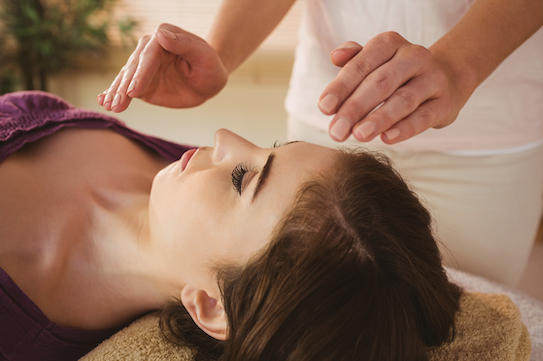
I know want to examine the scientific evidence of the impact of Reiki on more subjective issues like pain and anxiety. Heidt (1979) utilised  healing to reduce levels of anxiety in patients in a hospital cardiovascular unit. Ninety volunteers were divided into three matched groups receiving treatments as follows: a five-minute period of healing, casual touch and no touch at all. Pre- and post-intervention levels of anxiety were measured using a special questionnaire. In those subjects receiving  healing there was a highly significant reduction in anxiety following the treatment. Quinn (1982) also studied the effects of healing on anxiety states in hospitalised cardiac patients, but without making physical contact. Sixty patients were randomly assigned to either an experimental group receiving five-minute treatments of non-contact healing given by an experienced practitioner; or to a control group where inexperienced practitioners went through similar procedures whilst doing mental arithmetic. Assessments were done by the patients before and after treatment using a specialised questionnaire. Results showed that the experimental group had a very significant reduction in anxiety post-treatment. Gulak (1985), a healer, undertook a study on his patients measuring anxiety levels before and after healing treatment. Seventy six patients were given 15-minute treatments, with anxiety levels being assessed 14 days before and 21 days following the treatments using a specialised questionnaire. Different statistical analyses showed the reductions in anxiety to be significant as well as other health issues being cleared up. Wirth, Brenlan, Levine & Rodriguez (1993) performed a double-blind, crossover study on the effect of healing on post-operative pain, following surgical removal of both impacted lower molar teeth. Twenty one patients were randomly assigned to control or treatment groups before the first tooth was removed; and before the second operation the groups were transposed from control to experimental and vice versa. All conditions for both groups were the same except that the experimental groups received Reiki and healing post-operatively. Healing was undertaken at a distance of several miles from the patients with the healers concentrating on individual patients' photographs. Patients measured their pain intensity and pain relief over a period from 3 to 9 hours after operation using specialised pain assessment techniques. A statistically significant difference was found between the treatment and control groups in both pain intensity and amount of pain relief at hours 4 to 8 and hour 9. When combined, the data showed a highly significant improvement in pain levels as a result of the distant/remote healing. I started the series of articles by saying that Reiki is intangible.  But in the last four articles I have demonstrated the impact on Reiki energy on human blood, yeast and plants as well as the human body.  In addition there is clear evidence Reiki helps with pain, anxiety and lowering blood pressure. References Heidt, Patricia (1979). An Investigation of the Effect of Therapeutic Touch on the anxiety of Hospitalized Patients. Ph.D. dissertation, New York Univesity. See also: Heidt, Patricia (1981). Effects of therapeutic touch on the anxiety level of hospitalized patients, Nursing Res., 30, 30-37. Gulak, J. (1985). Lowering the anxiety levels in persons undergoing bioenergo-therapy. Psychotronika, 1985, 6-9. Quoted by Benor (1993). Wirth, D. P., Brenlan, D. R., Levine, R. J. & Rodriguez, C. M. (1993). The effect of complementary healing therapy on postoperative pain after surgical removal of impacted third molar teeth. Compl. Therap. Med., 1. 133-138.  

Action plan for a healthy small intestine

The small intestine is as wide as your thumb and around 5.5m long.  It is both a food blender and assimilator as it digests more of your food than your stomach.  Food stays in the small intestine  for 1 - 4 hours before moving on to the large intestine for further processing. Maintaing a healthy small intestine is all about controlling your bacteria levels and mucus build-up on your intestinal walls which can cause havoc and deplete your energy levels.  If you have bloating, gas and loose bowel movements you may have a small intestine issues such as:

  • Candida
  • IBS
  • SIBO (small intestinal bacterial overgrowth
Tips
  1. Cut out imflammatory drugs e.g. asprin, paracetamol and avoid alchol.
  2. Take L-glutamine and butyric acid both of these can help heal the gut, but check with a nutritionalist first as dosage is important.
  3. Drink slippery elm tea which calms inflamation of the small intestine and helps relieve IBS.
  4. Up your intake of vitamins A and D - liver is an excellent sourch of these vitamins which protect the mucus membrane of the gut.
  5. Eat more antibacterial foods such as garlic, honey and sauerkraut which preven the growth of Candida, fungus and yeast infections.
  6. Take oregano oil (Oregnano Vulgaris) which has been shown to stop Candidan in its tracks.
  7. Take probiotics daily - look for a count of 50 billion or more in each dose.
  8. Take prebiotics daily - to feed the probiotics.  Or eat food prebiotic foods such as sauerkraut or kimchi.
  9. Go gluten free.  Cut out gluten for an entire week and keep a food diary to check if your symptoms improve.
  10. Mimosa pudica an ayurvedic herb is brilliant at wiping out parasites.
  11. Eat more ant-parasitics such as garlic, thyme, chilli, tumeric and ginger.
References https://www.bbc.co.uk/news/health-38800977 https://www.ncbi.nlm.nih.gov/pubmed/15883716  

How to chill out…

While it's impossible to lead a completely stress-free life, finding ways to unwind and “chill out” are key to retaining your energy levels and ultimately your sanity when you have a demaning job. There are as many techniques to decompress as there are human beings; but when it comes to finding inner calm, practices such as mindfulness, meditation and meditation are usually top of mind.    Although these are great tools they don't appeal to everyone.  Personally I love both yoga and adult colouring books.   But what can you do it none of these apeal. My golden rule is any activity that is enjoyable and absorbs you to the extent that you aren't aware of the time and you stop thinking about work helps you unwind and chill out.  So you can choose any activity that helps you distracting your mind from everyday pressures and you love.  Once you have choose your activity do it often, and put it in your diary and don't feel guilty - we all need time out. One free, easy activity is just going for a stroll.  I don't mean walking fast to hit your 10,00 steps per day target.  Just go for a stroll for the sake of it.  

What is NMT or Neuromuscular Technique?

NMT (Neuromuscular Technique) is a soft tissue technique developed in the 1930's by Dr Stanley Lief.  NMT is the application of quasi-static pressure perpendicular to the skin with the aim of releasing pain and tension in muscles (normally in skeletal muscles). Neuromuscular Technique is used by

  • Physiotherapists
  • Osteopaths
  • Chiropractors
  • Massage Therapists
A lot of clients will be familiar with NMT techniques from having either a sports massage, deep tissue massage or seated acupressure massage with Vitality Therapy.  We commonly use NMT when we treat
  • muscle spasms
  • muscle tension
  • aches & pains
  • trigger points
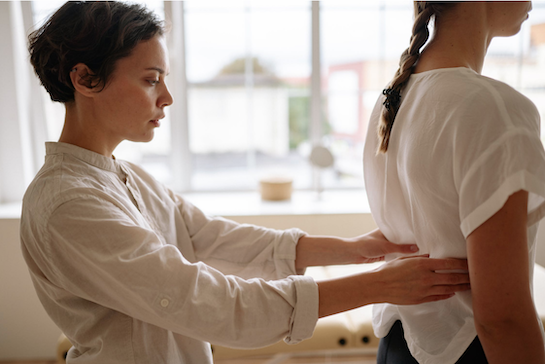
When we have identified the problem area in your muscle, we apply pressure with our fingers, knuckles or elbows.  We often hold the static pressure for between several seconds to up to two minutes.  What we look for are non-verbal and verbal signals that the pain and tension are releasing. Is NMT Painful? When we apply the pressure, we aim for a "good pain" where you feel the right level of pressure is being applied to create the release.  Sometimes I ask clients to rate the pain on a scale of 0 to 10 to ensure that it is bearable and hence a "good pain".  

Can vitamin D protect you from cancer?

In the 1980's researchers made the first connection between vitamin D deficiency and some cancers in when they noted populations at higher latitudes (with less available sunlight) were more likely to be deficient in vitamin D, which is produced by the body through exposure to sunshine, and experience higher rates of colon cancer. Subsequent studies by tfound vitamin D links to other cancers, such as breast, lung and bladder. In a recent study, scientists reported that when women upped their vitamin D dosage, they were nearly one-third more likely to survive breast cancer, particularly for premenopausal women. The mechanism is vitamin D's ability to stop the reproduction of cancer cells.  Researchers examined 1,666 women with breast cancer and found that the more 25-hydroxyvitamin D (250HD, a blood biomarker for vitamin D) they had, the better their chances of survival.   It should be noted that this research does not mean that low levels of vitamin D cause breast cancer nor should women with breast cancer flock to the nearest beach to sunbath.  Having said that researchers did comment that extra vitamin D can't hurt. Another important review which came out in 2016 linking low levels of vitamin D and aggressive prostate cancer. Researchers from Northwestern Medicine disclosing that: "Deficient vitamin D blood levels in men can predict aggressive prostate cancer identified at the time of surgery. The finding is important because it can offer guidance to men and their doctors who may be considering active surveillance, in which they monitor the cancer rather than remove the prostate." One of the crucial things to note is that low vitamin D levels were found via blood tests before any sign of prostate cancer showed up, so checking vitamin D levels beforehand could be life-saving, and a much better alternative to begin taking it a problem is discovered. Researchers at University of California, San Diego School of Medicine report that higher levels of vitamin D -- specifically serum 25-hydroxyvitamin D -- are associated with a correspondingly reduced risk of cancer. The findings published in PLOS ONE  in 2016 found that raising your vitamin D levels (if they are low) can slash your risk of invasive cancers excluding skin cancer by 67%! References

  1. Yao S, Kwan ML, Ergas IJ. Association of Serum Level of Vitamin D at Diagnosis With Breast Cancer Survival A Case-Cohort Analysis in the Pathways Study. JAMA Oncology. 2016
  2. YA, N, et al. (2016). Associations Between Serum Vitamin D and Adverse Pathology in Men Undergoing Radical Prostatectomy. Journal of Clinical Oncology, 34: 1345-1349
  3. Sharon L. McDonnell, Carole Baggerly, Christine B. French, Leo L. Baggerly, Cedric F. Garland, Edward D. Gorham, Joan M. Lappe, Robert P. Heaney .Serum 25-Hydroxyvitamin D Concentrations ≥40 ng/ml Are Associated with >65% Lower Cancer Risk: Pooled Analysis of Randomized Trial and Prospective Cohort Study. PLOS ONE, 2016; 11 (4)

Can a cup of cocoa a day help you?

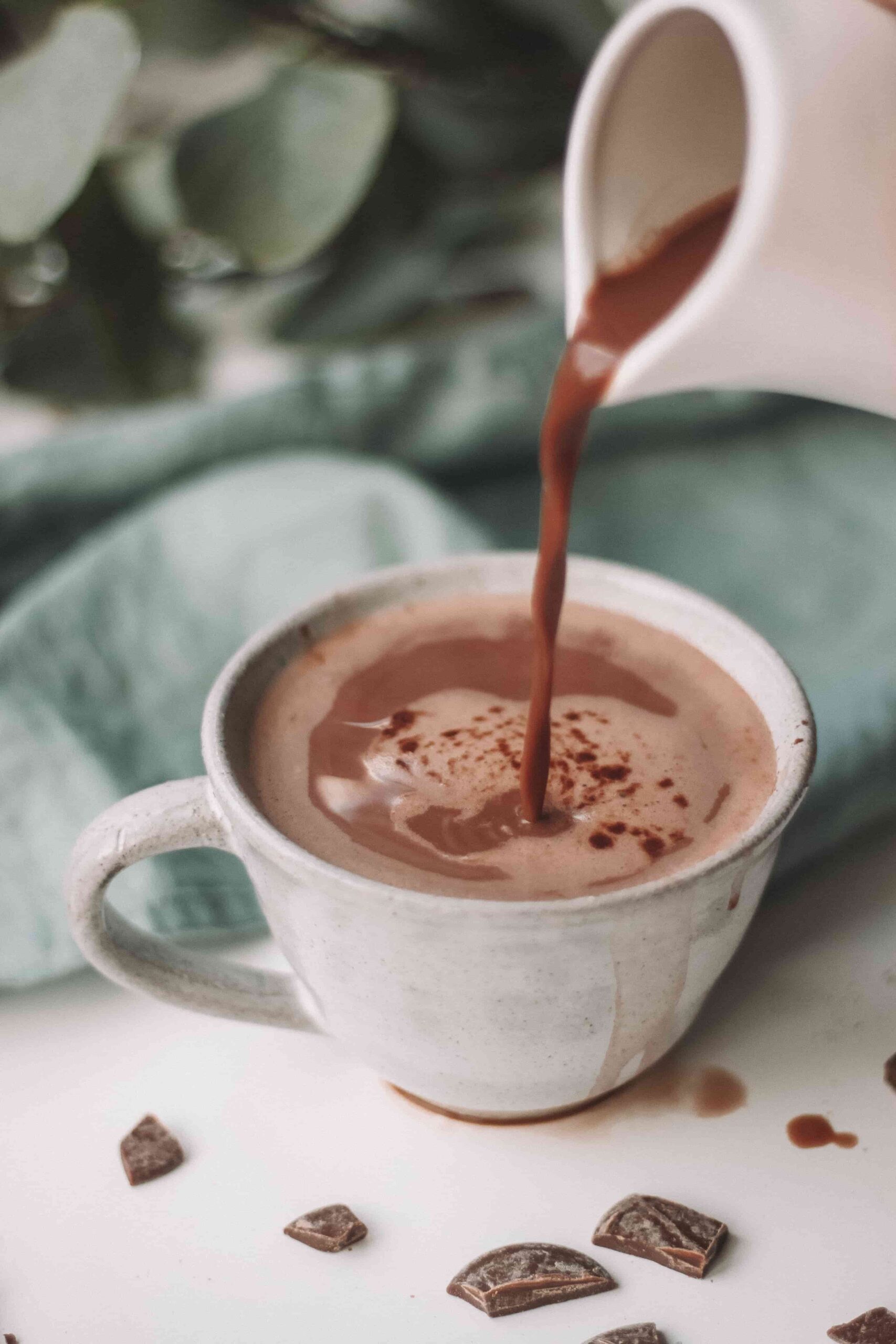
The causes of mental and physical fatigue experienced by people with MS are complex, and likely to include neural, inflammatory, metabolic, and psychological factors. None of the currently available approaches offers long term relief, say the researchers. Previous research suggests that dark chocolate, containing between 70 and 85 per cent cocoa solids, is associated with an improvement in subjectively assessed fatigue in people with chronic fatigue syndrome (ME). Cocoa, like dark chocolate, is rich in flavonoids––substances found abundantly in fruit and vegetables and associated with anti-inflammatory properties. This prompted the researchers to see if it might also be worth exploring Cocoa potential in helping to tackle the fatigue associated with MS. They randomly assigned 40 adults recently diagnosed with the relapsing remitting form of MS and fatigue to drink a cup of either high flavonoid cocoa powder mixed with heated rice milk (19) or a low flavonoid version (21) every day for six weeks.  Participants were instructed to wait 30 minutes before taking any prescribed medication or eating or drinking anything else, but otherwise to stick to their usual diet.  Fatigue and fatigability–the speed with which mental and physical fatigue set in–were formally assessed before the start, at the mid-point, and at the end of the trial.  And participants also subjectively rated their fatigue on a scale of 1 to 10, at 10.00, 15.00, and 20.00 hours each day, and monitored their activity with a pedometer.  After six weeks there was a small improvement in fatigue in 11 of those drinking high flavonoid cocoa compared with eight of those drinking the low flavonoid version. Those drinking the high flavonoid version showed a 45 per cent improvement in subjectively assessed fatigue and an 80 per cent improvement in walking speed.  Although not objectively measured, pain symptoms also improved more in the high flavonoid group. If the findings are confirmed in larger studies, it may offer a simple dietary approach to a persistent and hard to treat symptom, which affects nine out of 10 people with MS, suggest the researchers. Reference https://jnnp.bmj.com/content/90/5/507

I am pregnant, is Reflexology safe for me?

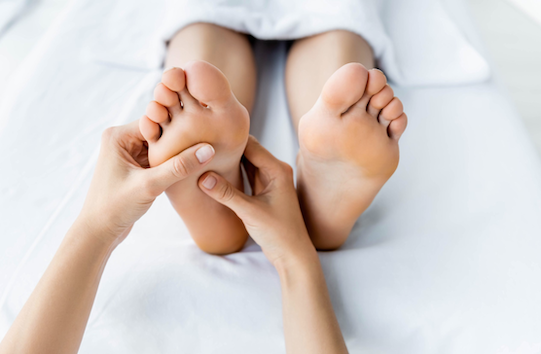
Obviously when you are pregnant you want to make sure everything you do is safe for both you and your baby.  Reflexology is generally considered safe if you are pregnant providing all is well with the pregnancy and you tell the Reflexologist you are pregnant. Reflexology should be avoided by women with a risk of pre-eclampsia or deep vein thrombosis (DVT) and they should seek medical advice before having Reflexology.  It is not suitable if:

  • you have a history of miscarriages
  • you have been diagnosed with Placenta Previa
  • you have been diagnosed with Hydroamnios
The Association of Reflexologists says, "Nearly everyone can benefit from having Reflexology during pregnancy."  The benefits include helping you cope with the emotional changes during pregnancy plus the physical changes to your body including tiredness.  Reflexology also helps with the side effects of being pregnant e.g fluid retention, swelling, constipation, aches and pains including backache. Reflexology can also help new mothers cope with the demands of their new baby.

An alternative way to do simple mindfulness (Part 1)

Most mindfulness techniques have at their heart a simple instruction. Focus on your breath... This is supposed to be simple, but what if it isn't simple for you?  What then? For people struggling with anxiety it may increase the feelings of panic. Mindfulness involves placing our attention on a chosen anchor, noticing when our mind is distracted or wandering and choosing to return it back, with a king and friendly curiosity towards the experience.  You should start simple by focusing 1 - 5 minutes or even do short 30 second bursts a couple of times during the day.  So, I want to introduce you to a few alternatives to using breathing as the anchor focused around our senses. 1. Look & Focus Choose an everyday object in the room to look at and become aware of the colour, shape or light reflections.  I personally like looking at a light candle as its often flickers so there is movement too.    

Sleep

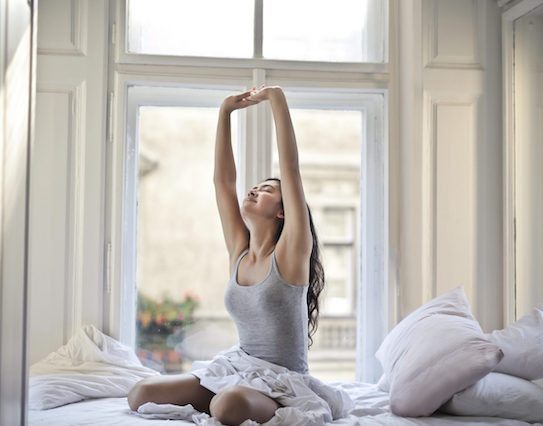
This week the press seem to be full of articles on sleep, ranging from recent research to the reasons why we lose sleep - the top reason being a heavy workload. I am sure that most people reading this blog post know that if they have a good night’s sleep they wake up feeling refreshed.  So the recent discovery by scientists from University of Wisconsin which shows sleep restores your brain will be of no surprise.  (For any geeks out there the research showed that sleep boosts myelin which is essential in the growth and repair of our brains.  The research also revealed that deep sleep doubles the rate of reproduction of some cells.)  While over in Stockholm researchers have discovered that people think sleep deprived individuals “look sad, unhealthy and unattractive”.   For anyone that is struggling to get a good night’s sleep knowing science has proved that they look as awful as they feel isn’t exactly helpful either!  So I wanted to share a few tips with you on getting a good night’s sleep.

  • Try to go to bed and get up at the same time as bodies like routine and it will help you sleep better.
  • Ensure your bedroom is quiet, dark, restful and the right temperature i.e. not to hot and not to cold. Remember it isn’t ideal to watch TV or work in your bedroom that includes trying to sleep while keeping one eye on your blackberry.
  • Try to mentally and physically relax before going to bed by turning of the TV or computer and having a warm bath, listen to some relaxing music, read a book or simply sip a cup of Chamomile tea.
  • Valerian is a dietary supplement that has been used since ancient times to help with a good nights sleep as it is known for combat insomnia and nervousness.
  • While exercise is great to combat stress, exercising too close to bedtime can actually make it harder to sleep.
  • It is best to avoid alcohol before your go to bed as for some people it will interrupt their sleep pattern later in the night.
  • It is best to avoid coffee from later afternoon onwards as for some people it will keeps them awake.
Finally some of my clients have reports that Reflexology has helped them by because they find they sleep deeper and hence wake up more refreshed.
Go to Top