Can massage help relieve pain?

When a toddler falls his mother will instinctively rub the sore spot to make it better.  Likewise, an office worker with stiff shoulders will probably try to knead them.  Because from an early age we have learnt the touch of a hand will ease pain.

There are two type of pain:

  • Acute
  • Chronic

Acute pain can be mild and last just a moment, or it might be severe and last for weeks or months.  Chronic pain is pain that is ongoing and usually lasts longer than six months.  In addition to chronic pains extended duration it is often more life limiting  and hence may have an emotional effect such as depression, anger, anxiety, and fear of re-injury.  Such a fear might limit a person’s ability to return to their regular work or leisure activities.

Deep Tissue or Sports massage may relieve pain by way of several mechanisms, including relaxing painful muscles, tendons, and joints; relieving stress and anxiety; and possibly helping to “close the pain gate” by stimulating competing nerve fibers and impeding pain messages to and from the brain.
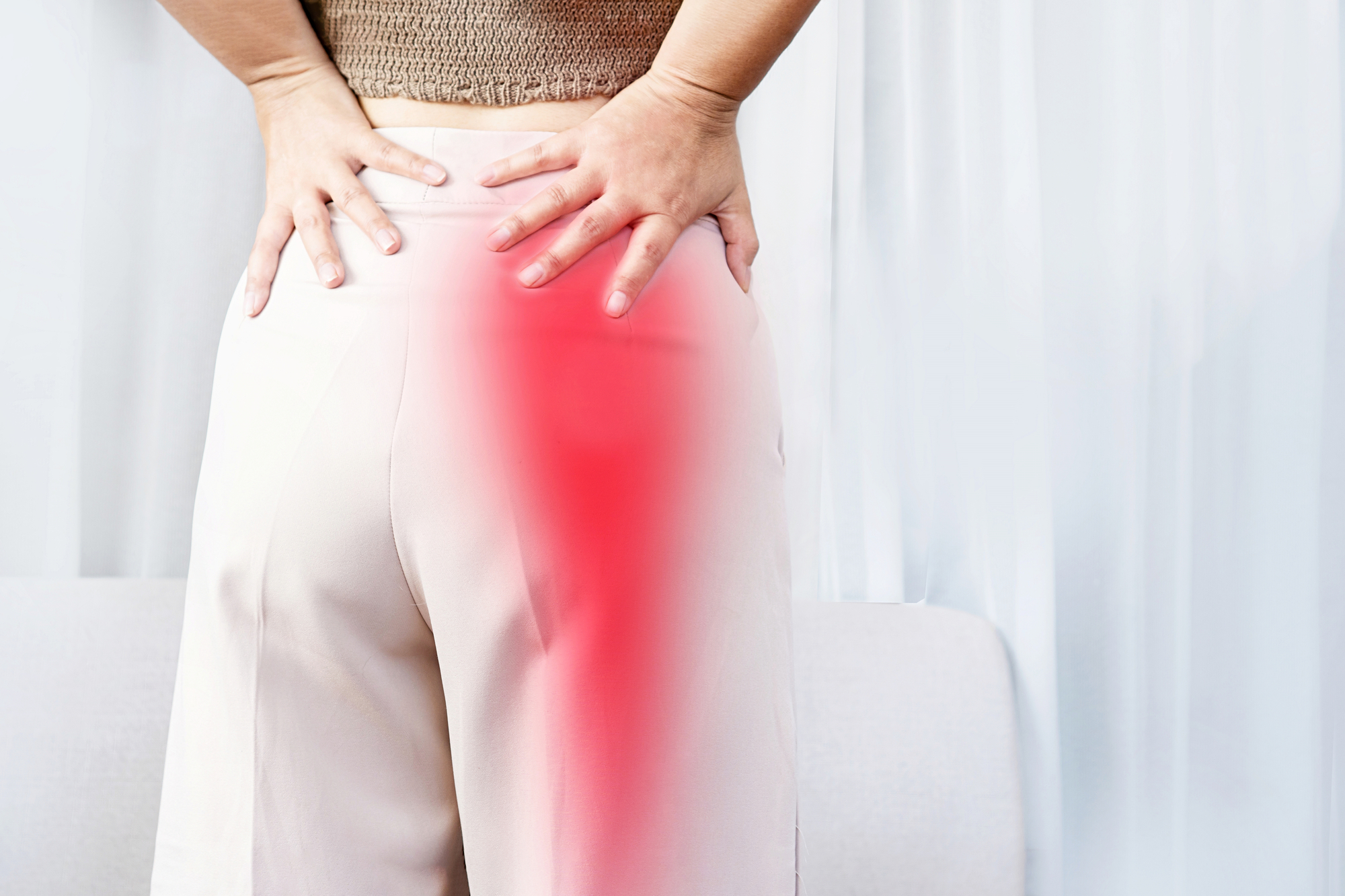

So if you are in pain, why not book a massage?

Related Posts

  • What is Sports Massage?

    What is Sports Massage? A specialised massage for the treatment of specific muscle groups before and after exercise and to aid the recovery of sports related injuries. The benefits include: •             Improve training •             Prevent injury •             Aid recover from injury •             Improve self-awareness •             Improve performance ... Sports massage is not solely for sporting people... It is also effective for non-sporting types who may suffer from postural problems or work-related ailments (e.g. sitting at a desk or working at a computer) where tension can building up in the neck, shoulders, back, arms and hands.  

  • Confidence ebbs & flows

    I have discussed previously that I believe confidence is a belief that means you trust yourself and your ability to make choices and decisions. Confidence naturally flows more [...]

  • What is magnesium effective for?

    In part 1, I introduced what magnesium is used for the body and what foods its found in.  But with magnesium supplements being "trendy" right now, what are they effective for:

    • Constipation. Taking magnesium by mouth is helpful as a laxative for constipation and to prepare the bowel for medical procedures.
    • Indigestion. Taking magnesium by mouth as an antacid reduces symptoms of heartburn. Various magnesium compounds can be used, but magnesium hydroxide seems to work the fastest.
    • Magnesium deficiency. Taking magnesium is helpful for treating and preventing magnesium deficiency. Magnesium deficiency usually occurs when people have liver disorders, heart failure, vomiting or diarrhea, kidney dysfunction, and other conditions.
    • High blood pressure during pregnancy (pre-eclampsia and eclampsia). Administering magnesium intravenously (by IV) or as a shot is considered the treatment of choice for reducing high blood pressure during pregnancy (pre-eclampsia) and for treating eclampsia, which includes the development of seizures. Research suggests that administering magnesium reduces the risk of seizures.
    If you remember in my introduction I mentioned I took magnesium for PMS, I found it to be effective however medical science considers it "likely to be effective" i.e. it has not been compeletely proven.  I suspect I found it effective because I used to get strong period related cramps and magnesium is a well known muscle relaxant.