
Foam Rolling Guide – Part 1
What is a foam rolling?
A foam roller readily available from the likes of TK Maxx is a tool for self massage. Foam rolling is basically a cheap and easy way of keeping your muscles flexible.
How do you foam roll?
You place the foam roller under the area you’re targeting and use a gentle, flowing backwards and forwards motion to apply pressure to the area.
How does it work?
You know how if you visit us for a massage, we apply pressure to release the knots in your muscles. You use the same principle with a foam roller except you use your body weight to apply pressure.
Are there any downside to foam rolling?
While I fully recommend foam rolling it will never replace the precision and experience of a massage therapist. It can be difficult to target small areas with a foam roller so a spikey ball is a better alternative.
How often should you foam roll?
The simple answer is as much as you can. When exercising a foam roller should be used both before and after exercise for best results. Please try to remember foam rolling isn’t a chore it’s a therapy you will gain benefits from it!
Related Posts

Does Reflexology help foot pain/tension or plantar fasciitis?
One of the most frequent questions I am asked by clients, is "will reflexology help my foot pain/tension or plantart fasciitis"? Reflexology is a whole body treatment, where the therapists stimulates reflex points on the feet to effect healing in the corresponding parts of the body. Reflexology allows the body to rebalance, which assists you to:
- De-stress
- Improve your sleeping patterns
- Reduce anxiety
- Calm an over active mind
- Relax the body to aid digestion
Migraine – Part 3
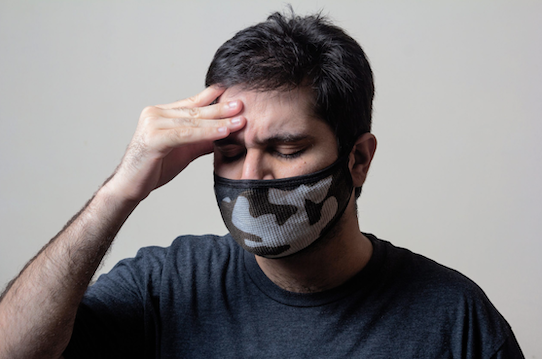
In part 1, I explore what a migraine was and how it differed from headaches and they shared a herbal remedy, last week in part 2 I looked at potential nutrional diffciences. This week, I want to explore some growing evidence about the impact of exercise. When you are having a migraine it is natural to want to rest and for some people exercise can trigger a migraine. So I was slightly surprise about the growing evidence that suggest exercise can help migraine sufferers. Firstly, the evidence all relates to a certain type of exercise known as High Intentsity Interval Training (HIIT). This is where you alternative periods of intense exercise with periods of less intense recovery. Recently scientists compared the effects of twice weekly HIIT sessions with moderate continous exercise and a control intevention and found that HIIT had most beneficial results. They found HIIT significantly reduced the munber of migraine days amoung sufferers. Reference Hanssen H, Minghetti A, Magon S, et al. Effects of different endurance exercise modalities on migraine days and cerebrovascular health in episodic migraineurs: A randomized controlled trial. Scand J Med Sci Sports. 2018;28:1103–1112. https://doi.org/10.1111/sms.13023
Trends in Healthcare
Today I attended the Employee Benefits Connect event to find out about the latest trends in employee benefits. Quite a few speakers identified the growth of onsite well-being services like the Vitality Breaks services I provide, as the number one healthcare issue in companies right now and for the next few years. The key conditions that are driving the growth of well-being services are:
- Diabetes
- Heart Disease
- High Blood Pressure
- Back Pain
