
Is Reiki a Placebo? – Part 1
By nature Reiki is very intangible. So in a series of blog articles I will try to explore how Reiki works and what the scientific research says.
For me Reiki is merely a modern name for an ancient healing practice. Which is administered by “laying on hands” and is based on the idea that an unseen “life force energy” flows through us and is what causes us to be alive. If one’s “life force energy” is low, we are run down and then we are more likely to get sick or feel stress, and if it is high, we are more capable of being happy and healthy.
The benefits of Reiki
- Help some people to feel deeply relaxed
- Help people cope with difficult situations
- Relieve emotional stress and tension
- Help to improve overall wellbeing
- Help alleviate pain & anxiety
My personal belief about how Reiki works, is that I act as a channel for Reiki energy and the client must be open to receiving it as the Reiki energy cannot “force” itself on to anyone. As humans have free-will this means a client can block it if they consciously choose too. The Reiki energy is then a resource that the human body can use to heal itself.
So is Reiki just Placebo?
A placebo is anything that seems to be a “real” medical treatment — but isn’t i.e. it is fake. The judgement is based on the availability of scientific evidence. Dame Carol Black (– a former President of the Royal College of Physicians and of the Academy of Royal Colleges) and a group of distinguished doctors and scientists at the Kings Fund has concluded that current assumptions about what constitutes good scientific evidence for complementary therapies are too narrow.
Professor Stephen Holgate who is also a member of the Kings Fund said:
“As scientists, we have often sneered at the placebo effect. But as doctors, we know it can have a real impact on the outcomes of treatment for our patients. What is it, after all, but a trigger to the body’s natural ability to heal itself? That is something worth encouraging.”
I am a firm believer in the body’s ability to heal itself. As the aim of all complementary therapies is to stimulate the body to heal itself, they could all be considered placebo. This is probably especially true of Reiki due to the fact that it has not been well studied scientifically. The limited studies have not gathered enough evidence to “prove” Reiki energy exists, but this is not the same as proving it doesn’t exist.
For me, it makes more sense to assess the impact of Reiki and Reiki energy. After all if you can assess the impact of the energy then it must exist. And as to, is it a placebo? If the Reiki energy has an impact, it must exist, and it can’t be a placebo because its having an impact.
So in my next blog I will at the scientific evidence on the impact of Reiki.
Related Posts

Tai Chi and Chronic Pain
Tai chi is a ancient chinese mind-body exercise that is low impact, that is like a moving meditation. You move in slow-motion to stretch and strengthen muscles. The phyisical benefits of Tai Chi are that it improves balance, flexibility, coordination, muscle strenght and stamina hence why some people think it helps them stay young. On the mental side, Tai Chi helps releive stress, improves body awareness and when done in a group setting reduces social isolation. Some recent research shows Tai Chi can help benefit people with ongoing painful conditions suchs as
- osteoarthritis
- fibromyalgia
- rheumatoid arthritis
- tension headaches
- less pain
- fewer depresession symptoms
- better sleep
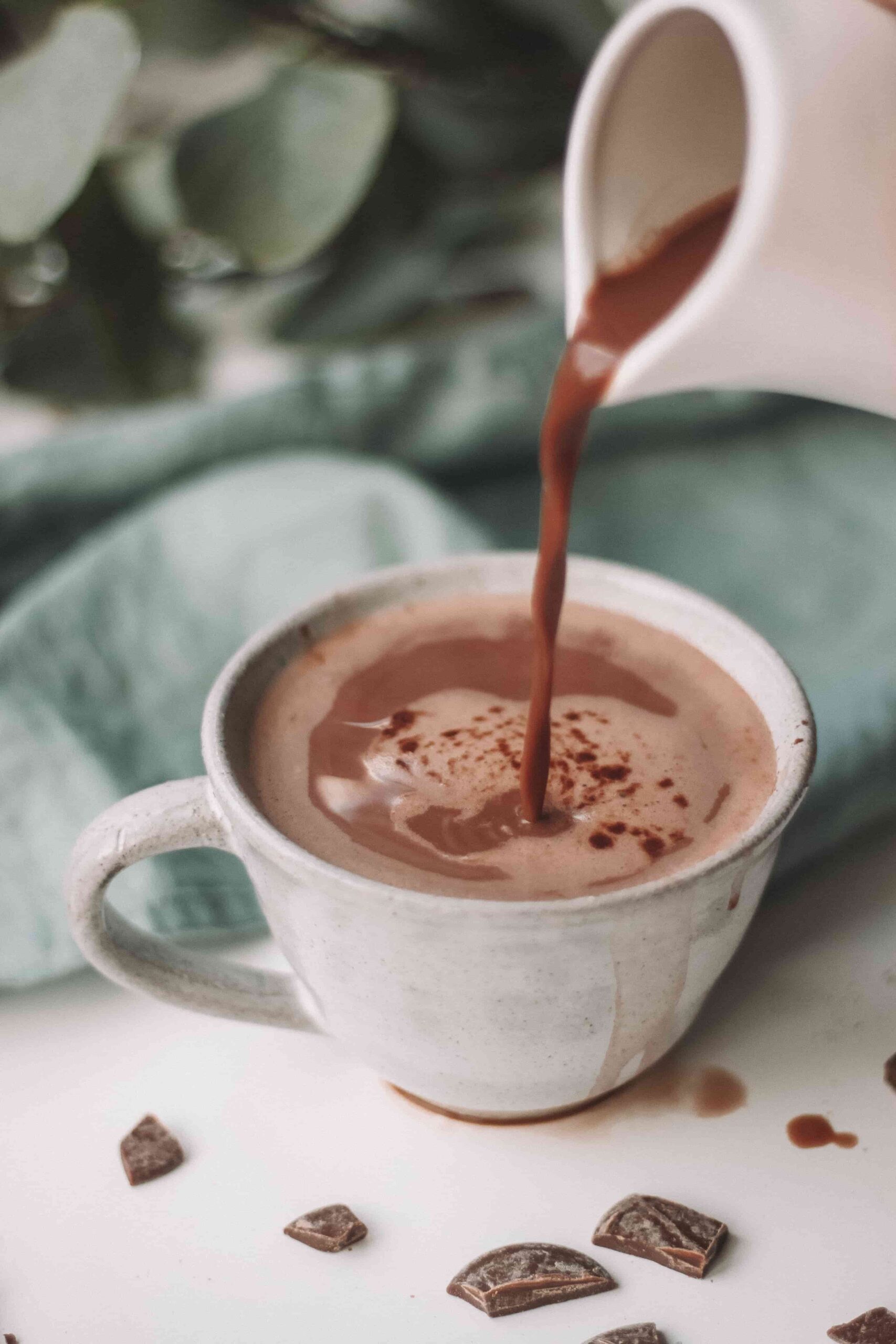
Can a cup of cocoa a day help you?
The causes of mental and physical fatigue experienced by people with MS are complex, and likely to include neural, inflammatory, metabolic, and psychological factors. None of the currently available approaches offers long term relief, say the researchers. Previous research suggests that dark chocolate, containing between 70 and 85 per cent cocoa solids, is associated with an improvement in subjectively assessed fatigue in people with chronic fatigue syndrome (ME). Cocoa, like dark chocolate, is rich in flavonoids––substances found abundantly in fruit and vegetables and associated with anti-inflammatory properties. This prompted the researchers to see if it might also be worth exploring Cocoa potential in helping to tackle the fatigue associated with MS. They randomly assigned 40 adults recently diagnosed with the relapsing remitting form of MS and fatigue to drink a cup of either high flavonoid cocoa powder mixed with heated rice milk (19) or a low flavonoid version (21) every day for six weeks. Participants were instructed to wait 30 minutes before taking any prescribed medication or eating or drinking anything else, but otherwise to stick to their usual diet. Fatigue and fatigability–the speed with which mental and physical fatigue set in–were formally assessed before the start, at the mid-point, and at the end of the trial. And participants also subjectively rated their fatigue on a scale of 1 to 10, at 10.00, 15.00, and 20.00 hours each day, and monitored their activity with a pedometer. After six weeks there was a small improvement in fatigue in 11 of those drinking high flavonoid cocoa compared with eight of those drinking the low flavonoid version. Those drinking the high flavonoid version showed a 45 per cent improvement in subjectively assessed fatigue and an 80 per cent improvement in walking speed. Although not objectively measured, pain symptoms also improved more in the high flavonoid group. If the findings are confirmed in larger studies, it may offer a simple dietary approach to a persistent and hard to treat symptom, which affects nine out of 10 people with MS, suggest the researchers. Reference https://jnnp.bmj.com/content/90/5/507
Mundane superfoods – part 3
Continue my series (see part 1 and part 2) on swapping exotic superfoods for more readily available and cheaper but just as nutritious alternatives, this week I turn my attention to Wheatgrass.
Chickweed: The New Wheatgrass
As green as any grass you've ever seen, wheatgrass has been a main event in health food circles for decades. People will line up to pay big bucks for a small shot of the stuff, which tastes pretty much like you'd imagine, similar to the aroma of new-mown hay; as one company describes it, "unfamiliar, but not unpleasant." Several of this commodity's features include fighting aging by revitalizing skin cells, cleansing the blood and fighting tumors. Clinical studies show that it contains 90 minerals, 20 essential amino acids, 13 vitamins and 80 enzymes. But it's the 70 percent ratio of chlorophyll, structurally similar to red blood cells (hemoglobin), that makes it a superfood. World Lifestyle notes that once it's absorbed, it converts to hemoglobin, mimicking red blood cells and carrying oxygen to vital areas of your body, and may even kill off cancer cells because "cancer cells can't survive and thrive in oxygen-rich environments." But get this: Chickweed (Stellaria media) is a wild, edible plant growing prolifically in every area of the world other than those that are coldest, like Antarctica. Besides decreasing insect damage to other plants, it's chockfull of many vitamins, minerals and, like wheatgrass, chlorophyll. Chickweed stems and flowers can be used raw in salads and sandwiches, tossed into soups and stews or added to cooked dishes (but at the end as the stems and leaves are delicate). Frontier foragers learned that when they gathered chickweed, almost exclusively in the spring, it was useful as both food and medicine. As a food, Foraged Foodie observes, the raw form is covered with a fine layer of fibers, which are minimized when they're gently chopped and sautéed or wilted. Natural medicine expert Dr. Josh Axe notes:"Chickweed is taken by mouth to treat stomach problems, intestinal complaints such as constipation, disorders of the blood, arthritis, lung diseases including asthma, kidney disorders, inflammatory conditions of the urinary tract, rabies, and scurvy or vitamin C deficiency. It is also used to relieve extreme exhaustion. Chickweed is applied on the skin relieve various skin conditions such as skin wounds, ulcers, burns, arthritis pain and symptoms of eczema."
References Dynamic Greens 2017 World Lifestyle Foraged Foodie March 3, 2016 Dr. Axe February 10, 2014
