
Scientific Evidence for massage reducing muscle pain
I would say the number one reason for booking with Vitality Therapy is muscle pain in either
- Shoulders
- Neck
- Lower Back
- Knees
- Elbows
- Headaches
I know that new clients often come to us because we were recommended by their colleagues; who came to us with muscle pain and found massage relieved it. So my clinical experience is consistent with the view that massage has been traditionally used to relieve pain. But what about the scientific evidence?
Lower back pain is the most common reason for visiting your GP and hence one of the most studied areas of massage. Several scientific studies have concluded that massage therapy is more effective than a placebo for sub acute and chronic lower back pain. The evidence suggest that massage therapy achieved significant client satisfaction and reduction in pain levels, both in the short and long term.
References
- Cherkin D, Sherman K, Deyo R, Shekelle P. A review of the evidence for the effectiveness, safety, and cost of acupuncture, massage therapy, and spinal manipulation for back pain. Ann Intern Med 2003; 138(11): 898-906.
- Chou R, Huffman L. Nonpharmacologic therapies for acute and chronic low back pain: a review of the evidence for an American Pain Society/American College of Physicians clinical practice guideline. Ann Intern Med 2007; 147(7): 492-504.
- Dryden T, Baskwill A, Preyde M. Massage therapy for the orthopaedic patient: a review. Orthop Nurs 2004; 23(5): 327-34.
- Furlan A, Brosseau L, Imamura M, Irvin E. Massage for low-back pain: a systematic review within the framework of the Cochrane Collaboration Back Review Group. Spine 2002; 27(17): 1896-910.
- Imamura M, Furlan A, Dryden T, Irvin E. Evidence-informed management of chronic low back pain with massage. Spine J 2008; 8(1): 121-33.
- Tsao J. Effectiveness of Massage Therapy for Chronic, Non-malignant Pain: A Review. Evid Based Complement Alternat Med 2007; 4(2): 165-79.
- van Tulder M, Furlan A, Gagnier J. Complementary and alternative therapies for lower back pain. Best Pract Res Clin Rheumatol 2005; 19(4): 639-54
Related Posts

This one if for my fellow women – sorry guys! Part 2
Following on from part 1 on how to treat unirary tract infections naturally here are more tips. Probiotics In a study of postmenopausal women prone to UTIs, a probiotic supplement containting Lactobacillus rhamnosus GR-1 and Lactobascillus reuteri RC-14 cut the number of recurrences by around 50% over a yea. The "good guy" bacteria were almost as effective as antibiotics and they had the advantage of not leading to drug resistant bacteria which may happen with antibiotics. Probiotics also seem to help prevent UTI when use as vaginal suppositories. Ulva Ursi There is evidence to suggest the herby may reduce the duration of a UTI when one strikes. The German Federal Institue for Drugs and Medical devices approves the herb for treatment of UTIs. In one clinical trial, supplements containing standardized extracts of uva ursi as well as dandelion root taken for 1 month effectively prevented UTIs over the following year. Vitamin C Vitamin C may help prevent and treat UTIs by acidifying the urine, creating a hostile environment for infection - causing bacteria. In a study of preganty women, those given daily supplements including 100mg vitamin C experienced significantly fewer UTIs than women given supplements without vitamin C. Reference https://www.ncbi.nlm.nih.gov/pubmed/22782199 https://www.southampton.ac.uk/ctu/news/2018/04/20-atafuti-trial-protocol-publication.page https://www.sciencedirect.com/science/article/pii/S0011393X05802048?via%3Dihub https://www.bmj.com/content/340/bmj.c199 https://www.ncbi.nlm.nih.gov/pubmed/17611821
Is Reiki a Placebo? – Part 1
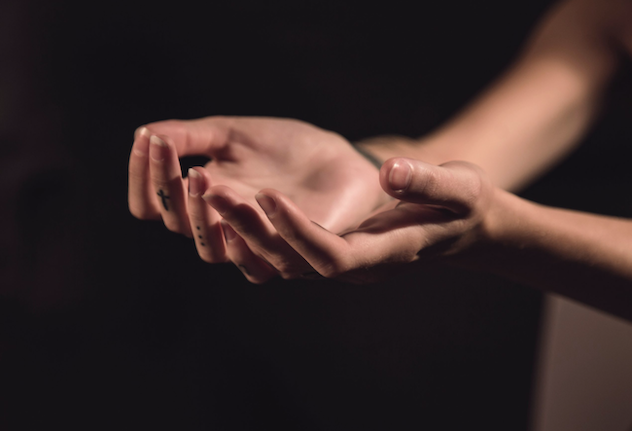
By nature Reiki is very intangible. So in a series of blog articles I will try to explore how Reiki works and what the scientific research says. For me Reiki is merely a modern name for an ancient healing practice. Which is administered by "laying on hands" and is based on the idea that an unseen "life force energy" flows through us and is what causes us to be alive. If one's "life force energy" is low, we are run down and then we are more likely to get sick or feel stress, and if it is high, we are more capable of being happy and healthy. The benefits of Reiki
- Help some people to feel deeply relaxed
- Help people cope with difficult situations
- Relieve emotional stress and tension
- Help to improve overall wellbeing
- Help alleviate pain & anxiety
Anxiety reduction & massage?
I know that I often say that one of the benefits of massage is that it may reduce anxiety. I think most people would agree that being in hospital or undergoing hospital procedures may makes us feel anxious. So I was interested in a recent study that looked at the effectiveness of massage with or without guided imagery (a therapist talking you through a scene to help you relax), prior to cardiac catheterisation. As you can imagine anxiety is very common in patients prior to cardiac catheterisation, which can lead to high blood pressure and increase the amount of sedation necessary to complete the procedure. Fifty five patients opted to receive either a 15-minute massage (31 patients) and a 20 minute guided imagery (24 patients) in a quiet area of the hospital prior to cardiac catheterisation. Self-report anxiety levels, blood pressure and heart rate were evaluated in the research participants as well as matched for comparison to a control group not taking part in the study. The results indicated that massage, with or without guided imagery, produced significant reductions in self-reported anxiety, with the combined intervention having a more pronounced effect. In addition a lower diastolic blood pressure and heart rate were found when compared to the control group. In my experience slow, deep stokes help to reduce anxiety and as a team we often incorporate this into treatments. References Amstrong K, Dixon S, May S, Patricolo GE (2014). Anxiety reduction in patients undergoing cardiac catheterisation, following massage and guided imagery. Complementary Therapies in Clinical Practice 20 (4): 334 - 338.
