Why are my muscles rigid? Introduction
Muscle rigidity tends to happen when muscles contract for a long period of time, often due to
- stress
- medications e.g. statins
- underlying health conditions
- dehydration
- delayed-onset muscle soreness – which is a condition characterised by muscle pain and stiffness that develops hours or days after very strenuous exercise
- minor injuries
- over use due to repetitive movements e.g. sewing, knitting, exercise, typing
There are several self-help strategies that may be effective in treating muscle rigidity caused by minor injuries, stress, or overuse. They can include the following:
- Applying a warm compress or heating pad to the affected muscle to help relax rigid muscles.
- Gently stretching your stiff muscle to help relax it.
- Avoiding strenuous activity that may trigger the muscle to become rigid again.
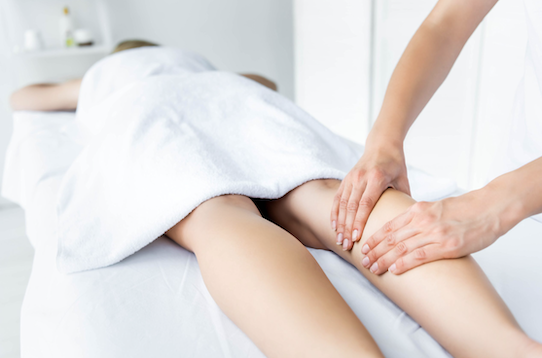
- Encouraging the muscles to relax using massage, yoga, or tai chi.
If muscle rigidity is affecting you, and you would like to book a massage, click here.
Related Posts

More factors that contribute to muscle cramps
Previously I discussed how dehydration & lack of sodium or potassium may cause muscle cramps. I now want to explore other nutritional factors. Calcium Calcium plays an essential role in muscle contractions. Some active people report their problem with cramping disappears when they boost their calcium intake. This anecdotal evidence is disputed by scientists who state that when dietary deficiencies of of calcium occur, calcium is released from the bones to provide what the body needs for proper muscle contraction. If you are plagued by muscle cramps, it may be worth trying to increase your intake of dairy or other calcium rich foods to see if it helps. Magnesium Just as muscles need calcium to contract they need magnesium to relax. Roffe et al demonstrated that magnesium helps reduce leg cramps that occur in the middle of the night.
Reference
Roffe C1, Sills S, Crome P, Jones P (2002), Randomised, cross-over, placebo controlled trial of magnesium citrate in the treatment of chronic persistent leg cramps. Med Sci Monit. 2002 May;8(5): p326-30.
Is the way you breathing causing your neck pain? – Part 1
If you have had a treatment with us, we may have talked to you about importance of deep breathing, if you have tension in your neck. Shallow breathing, thoracic breathing, or chest breathing is the drawing of minimal breath into the lungs, usually by drawing air into the chest area using accessory muscles rather than throughout the lungs via the diaphragm. This means that you over use some of the accessory muscles of breathing, including the scalenes and sternocleidomastoid muscles both of which are located in the side of the neck. The scalenes elevate the 1st rib during inspiration and the sternocleidomastoid raises the sternum. Unfortunately, these accessory muscles aren’t built for routine respiration, and they exhaust and eventually injure themselves which may result in pain and/or a reduced range of movement (i.e. inability to turn your head fully from side to side). People shallow breath when they are nervous, stressed, anxious, or when they concentrate. So simply stopping and taking one deep breath after you send each email, can reduce the over use of your scalenes and sternocleidomastoid.