
Is your headache a tension headache?
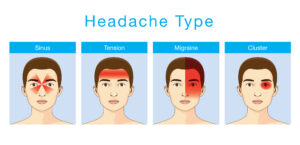
Common symptoms of tension headaches include:
- pain on both sides of your head, face or neck
- feeling like something is pressing on your head or being tightened around it
- the affected area may feel tender and your head may hurt more when touched
Tension headaches are annoying but not as disabling as for example, migraines. When you have a tension headache it is normal that you are able to continue with your daily activities without risking making your headache worse.
Common causes of tension headaches include:
- stress
- sleep problems
- caffeine
- tight muscles in your neck & shoulders
If you feel your sleeping issues are contributing to your tension headaches then changing your sleeping habits may be beneficial. If you feel stress is contributing to your tension headaches then prioritising relaxing activities or yoga may be beneficial.
In my experience some clients who have tight neck & shoulder also suffer from tension headaches. In addition it is common for people to carry their stress in their neck & shoulders which means they become tense which may lead to tension headaches. Feeling stressed or having tight neck & shoulder are issues that frequently lead to clients booking a massage.
Related Posts

Yet more scientific evidence of the benefits of chair massage
A number of studies have identified that nurses experience a range of symptoms indicative of work related stress including
- Headaches
- Shoulder tension
- Fatigue
- Muscle and joint pain
- Overall quality of life
- Self-perceived levels of stress
- Anxiety
- Symptoms relating to anxiety
- improvements in sleeping
- reduction in pain, stress and tension
- reduction in headaches
Top tips for preventing sports injuries
Many sports injuries occur because people don't know how to prevent them. Here are some tips to help prevent injuries:
- Always wear the correct gear. Players should always wear appropriate and properly fitted protective sports gear such as pads (neck, shoulder, elbow, chest, knee, shin), helmets, mouthpieces, face guards, protective cups, and/or eye wear.
- Increase muscle strength.
- Increase flexibility. Stretch!
- Use the proper technique.
- Take rests.
- Follow the rules of your sport and play safe.
- Stop the activity if there is pain.
- Keep hydrated.
Anxiety reduction & massage?
I know that I often say that one of the benefits of massage is that it may reduce anxiety. I think most people would agree that being in hospital or undergoing hospital procedures may makes us feel anxious. So I was interested in a recent study that looked at the effectiveness of massage with or without guided imagery (a therapist talking you through a scene to help you relax), prior to cardiac catheterisation. As you can imagine anxiety is very common in patients prior to cardiac catheterisation, which can lead to high blood pressure and increase the amount of sedation necessary to complete the procedure. Fifty five patients opted to receive either a 15-minute massage (31 patients) and a 20 minute guided imagery (24 patients) in a quiet area of the hospital prior to cardiac catheterisation. Self-report anxiety levels, blood pressure and heart rate were evaluated in the research participants as well as matched for comparison to a control group not taking part in the study. The results indicated that massage, with or without guided imagery, produced significant reductions in self-reported anxiety, with the combined intervention having a more pronounced effect. In addition a lower diastolic blood pressure and heart rate were found when compared to the control group. In my experience slow, deep stokes help to reduce anxiety and as a team we often incorporate this into treatments. References Amstrong K, Dixon S, May S, Patricolo GE (2014). Anxiety reduction in patients undergoing cardiac catheterisation, following massage and guided imagery. Complementary Therapies in Clinical Practice 20 (4): 334 - 338.
