
Sleep is good for your arteries
For a while there has been an assumed link between poor sleep and heart disease but it was not understood. Now fresh evidence suggests that sleep regulates a mechanism that can help to protect arteries from hardening. Which reinforces the notion that good quality sleep is important for cardiovascular health.
Researches studied the development of atherosclerosis – the process through which plaques or fatty deposits build up inside arteries causing them to narrow and stiffen. They discovered sleep disturbed mice:
- Developed larger plaques in their arteries than mice that slept well.
- Had higher amounts of circulating, inflammatory cells.
- Produced lower amounts of hypocretin – a brain hormone that controls wakefulness.
Researchers also saw a reduction in atherosclerosis and inflammatory cells in these mice after they recieved hyocretin supplementation.
Subject to confirmation in humans, the findings demonstratet that sleep influences cardiovascular health by regulating hypocretin production in the brain.
Reference
https://www.nature.com/articles/d41586-019-00393-6
Related Posts

Running & Running Injuries
In the UK around 10.5 million people run or jog as a leisure activity and or fitness activity. Running injuries are common and may variables can contribute. Running injuries can happen to both experienced and inexperienced runners - up to 79% of runners with get injured in any one year. Most running injuries occur in the lower extremities as you would expect. With the knee being the most common injured site followed by the lower leg, foot and upper leg. The top five injuries are:
- Patellofemoral pain - generic term for describe pain at the front and around the knee cap.
- Illiotibial band (ITB) syndrome - pain on the outside of the knee.
- Tibial stress fractures/syndrome - fatigue induced stress fracture.
- Plantar fasciitis - pain in the heel or bottom of the foot.
- Achilles tendonitis - pain, swelling and stiffness of the achilles tendon.
Is Reiki a Placebo? – Part 1
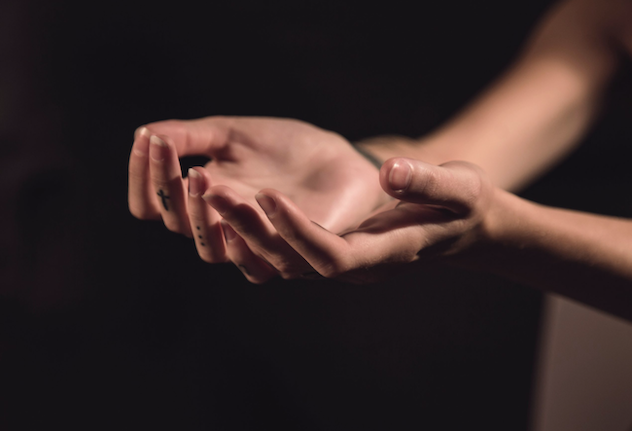
By nature Reiki is very intangible. So in a series of blog articles I will try to explore how Reiki works and what the scientific research says. For me Reiki is merely a modern name for an ancient healing practice. Which is administered by "laying on hands" and is based on the idea that an unseen "life force energy" flows through us and is what causes us to be alive. If one's "life force energy" is low, we are run down and then we are more likely to get sick or feel stress, and if it is high, we are more capable of being happy and healthy. The benefits of Reiki
- Help some people to feel deeply relaxed
- Help people cope with difficult situations
- Relieve emotional stress and tension
- Help to improve overall wellbeing
- Help alleviate pain & anxiety
Anxiety reduction & massage?
I know that I often say that one of the benefits of massage is that it may reduce anxiety. I think most people would agree that being in hospital or undergoing hospital procedures may makes us feel anxious. So I was interested in a recent study that looked at the effectiveness of massage with or without guided imagery (a therapist talking you through a scene to help you relax), prior to cardiac catheterisation. As you can imagine anxiety is very common in patients prior to cardiac catheterisation, which can lead to high blood pressure and increase the amount of sedation necessary to complete the procedure. Fifty five patients opted to receive either a 15-minute massage (31 patients) and a 20 minute guided imagery (24 patients) in a quiet area of the hospital prior to cardiac catheterisation. Self-report anxiety levels, blood pressure and heart rate were evaluated in the research participants as well as matched for comparison to a control group not taking part in the study. The results indicated that massage, with or without guided imagery, produced significant reductions in self-reported anxiety, with the combined intervention having a more pronounced effect. In addition a lower diastolic blood pressure and heart rate were found when compared to the control group. In my experience slow, deep stokes help to reduce anxiety and as a team we often incorporate this into treatments. References Amstrong K, Dixon S, May S, Patricolo GE (2014). Anxiety reduction in patients undergoing cardiac catheterisation, following massage and guided imagery. Complementary Therapies in Clinical Practice 20 (4): 334 - 338.
