
So you thought you knew what causes hardening of arteries … think again
The standard theory of heart disease states that fatty foods cause the arteries to “clog up” and narrow, which is a major feature of cardiovascular disease. Researchers have discovered that a lack of sleep seem to have more to do with hardening of the arteries (atherosclerosis) than a fatty diet. Not getting enough sleep on a regular basis can cause a buildup of plaque in the arteries, which causes them to stiffen and eventually close.
Researchers at Massachusetts General Hospital now think that hardening of arteries has more to do with a “neuro-immune axis” linking sleep to the cardiovascular system. Sleep helps regulate the production of inflammatory cells and maintain healthy blood vessels, and so it would follow that lack of sleep has the reverse effect.
The researchers demonstrated the effect on a group of laboratory mice. Although the cholesteral levels of sleep deprived ice remained the same, they developed larger arterial plaques and had double the number of inflammatory cells known to contribute to hardening of arteries.
Reference
Tall AR, Jelic S. How broken sleep promotes cardiovascular disease. Nature. 2019 Feb;566(7744):329-330
Related Posts
Is Reiki a Placebo? – Part 4
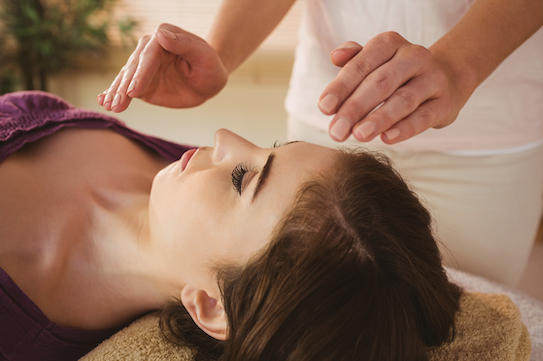
I know want to examine the scientific evidence of the impact of Reiki on more subjective issues like pain and anxiety. Heidt (1979) utilised healing to reduce levels of anxiety in patients in a hospital cardiovascular unit. Ninety volunteers were divided into three matched groups receiving treatments as follows: a five-minute period of healing, casual touch and no touch at all. Pre- and post-intervention levels of anxiety were measured using a special questionnaire. In those subjects receiving healing there was a highly significant reduction in anxiety following the treatment. Quinn (1982) also studied the effects of healing on anxiety states in hospitalised cardiac patients, but without making physical contact. Sixty patients were randomly assigned to either an experimental group receiving five-minute treatments of non-contact healing given by an experienced practitioner; or to a control group where inexperienced practitioners went through similar procedures whilst doing mental arithmetic. Assessments were done by the patients before and after treatment using a specialised questionnaire. Results showed that the experimental group had a very significant reduction in anxiety post-treatment. Gulak (1985), a healer, undertook a study on his patients measuring anxiety levels before and after healing treatment. Seventy six patients were given 15-minute treatments, with anxiety levels being assessed 14 days before and 21 days following the treatments using a specialised questionnaire. Different statistical analyses showed the reductions in anxiety to be significant as well as other health issues being cleared up. Wirth, Brenlan, Levine & Rodriguez (1993) performed a double-blind, crossover study on the effect of healing on post-operative pain, following surgical removal of both impacted lower molar teeth. Twenty one patients were randomly assigned to control or treatment groups before the first tooth was removed; and before the second operation the groups were transposed from control to experimental and vice versa. All conditions for both groups were the same except that the experimental groups received Reiki and healing post-operatively. Healing was undertaken at a distance of several miles from the patients with the healers concentrating on individual patients' photographs. Patients measured their pain intensity and pain relief over a period from 3 to 9 hours after operation using specialised pain assessment techniques. A statistically significant difference was found between the treatment and control groups in both pain intensity and amount of pain relief at hours 4 to 8 and hour 9. When combined, the data showed a highly significant improvement in pain levels as a result of the distant/remote healing. I started the series of articles by saying that Reiki is intangible. But in the last four articles I have demonstrated the impact on Reiki energy on human blood, yeast and plants as well as the human body. In addition there is clear evidence Reiki helps with pain, anxiety and lowering blood pressure. References Heidt, Patricia (1979). An Investigation of the Effect of Therapeutic Touch on the anxiety of Hospitalized Patients. Ph.D. dissertation, New York Univesity. See also: Heidt, Patricia (1981). Effects of therapeutic touch on the anxiety level of hospitalized patients, Nursing Res., 30, 30-37. Gulak, J. (1985). Lowering the anxiety levels in persons undergoing bioenergo-therapy. Psychotronika, 1985, 6-9. Quoted by Benor (1993). Wirth, D. P., Brenlan, D. R., Levine, R. J. & Rodriguez, C. M. (1993). The effect of complementary healing therapy on postoperative pain after surgical removal of impacted third molar teeth. Compl. Therap. Med., 1. 133-138.

The Impact of Sitting All Day – Part 7
There is a wide range of American start up companies, creating technology solutions to combat the new "sitting disease". In previous posts I have discussed in the impact of sitting all day
- the impact on muscles (in part 1)
- the general impact on the body (in part 2)
- the impact on your heart and the increase risk of cardiovascular disease (in part 3)
- the increased risk of certain cancers (in part 4)
- 1. Apple Watch
- 2. Jawbone UP
- 3. Nike+ Fuelband
- 4. Fitbit One
More factors that contribute to muscle cramps
Previously I discussed how dehydration & lack of sodium or potassium may cause muscle cramps. I now want to explore other nutritional factors. Calcium Calcium plays an essential role in muscle contractions. Some active people report their problem with cramping disappears when they boost their calcium intake. This anecdotal evidence is disputed by scientists who state that when dietary deficiencies of of calcium occur, calcium is released from the bones to provide what the body needs for proper muscle contraction. If you are plagued by muscle cramps, it may be worth trying to increase your intake of dairy or other calcium rich foods to see if it helps. Magnesium Just as muscles need calcium to contract they need magnesium to relax. Roffe et al demonstrated that magnesium helps reduce leg cramps that occur in the middle of the night.
Reference
Roffe C1, Sills S, Crome P, Jones P (2002), Randomised, cross-over, placebo controlled trial of magnesium citrate in the treatment of chronic persistent leg cramps. Med Sci Monit. 2002 May;8(5): p326-30.
