
Are you low in magnesium?
Although we have talked in general about lots of people being low in magnesium, it begs the querstion are you low in Magnesium? Given we can’t take a test, what are the signs you can look for to see if you are low magnesium?
- Anxiety
- Times of hyperactivity
- Difficulty getting to sleep
- Difficulty staying asleep
- Muscle spams and muscle cramping
- Fibromyalgia
- Facial tics
- Eye twitches or involuntary evey movements
In clinic we often see clients who’s muscles are really tight or contracted. Without magnesium in our body our muscles would be in a constant state of contraction. It should be noted that calcium causes our muscles to contract. While calcium and magnesium have actions that oppose each other they function as a team. So you must always consider your calcium levels when considering your magnesium levels.
References
Seelig M, Rosanoff A. The Magnesium Factor. New York: Avery Books; 2003
Related Posts
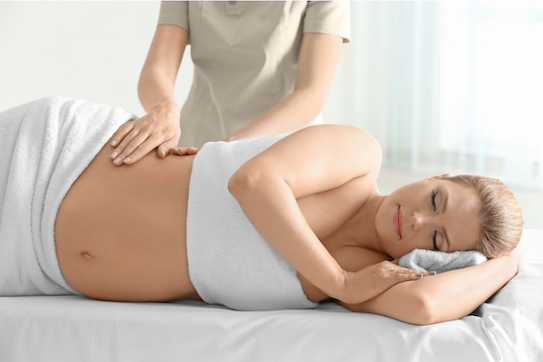
What can help depression during pregnancy?
Post natal depression is very well known, what is talked about less often is depression during pregnancy. A team of scientists in the Uk and Singapore conducted a systematic review of six clinical studies, involving 450 pregnant women that examined the effects in yoga on depression during pregnancy. All six studies showed reductions in depression scores, indicating that yoga is a promosing non-medicine approach for improving psychological health of pregnant women. Participants recruited for the trails reported mild depressive states and therefore larger studies are required to examine the impact of yoga on pregnant women with severe prenatal depression. Reference https://www.sciencedirect.com/science/article/pii/S174438811830608X?via%253Dihub=

Massage Therapy and Neck Pain
 One of the most common conditions we treat is neck pain which can range from a simple stiff neck, to inability to turn your head to either the right or left.
So in this blog post I wanted to discuss the recent scientific research regarding massage therapy for neck pain in people with neck arthritis.
One of the most common conditions we treat is neck pain which can range from a simple stiff neck, to inability to turn your head to either the right or left.
So in this blog post I wanted to discuss the recent scientific research regarding massage therapy for neck pain in people with neck arthritis.
Background
- 1 in 5 people who visit a massage therapist do so because of neck pain
- 28% of people with neck pain due to neck arthritis are likely to book a massage
Until the most recent research the scientific literature on the effects of massage therapy on neck arthritis pain was mixed. In this study an attempt was made to enhance the effects of weekly massage therapy by having the participants massage themselves daily.
Methods
Forth eight participants from a medical school, suffering from neck arthritis pain, were randomly split into two groups, one that received massage treatments and a wait list control group. The first group received a course of four 30 minutes weekly moderate pressure massages and supplemented this with 15 minute daily self-massage. The control group started the same course of treatments after four weeks without massages.
The effectiveness of the treatments were measured through self-reports and range of motion assessments, completed after massage treatments on the first and last days of the monthly study period.Results
The group that received the monthly course of weekly massage treatments, showed significant reductions in pain and improvements in range of motion. These ROM changes occurred specifically for nodding your head (flexion) and right and left lateral flexion motions. Between the first and last day of the course of treatments showed on average a 50% decrease in pain during flexion. Conversely the control group reported increases in pain and reductions in range of movement while waiting for massage treatments.
The study Field T, Diego M, Gonzalez G and Funk C G (2014) Neck arthritis pain is reduced and range of motion is increased by massage therapy, Complementary Therapies in Clinical Practice 20(4): 219 - 223 supports my subjective experience that massage therapy helps reduced neck pain and increase clients range of movement when it has been compromised.Can daily dark chocolate boost athletic performance?
I will begin with a confession, I love dark chocolate. So I am an avid reader of any scientific research on dark chocolate, as its always good to be able to justify eating chocolate for its health benefits! Recently a research team studied nine amateur cyclists to establish whether epicatechin, a type of flavanol found in the cocoa bean, would increase nitric oxcide production in the body. Nitric oxide expands blood vessels, allowing more oxygen to get to vital organs, which boosts endurance and sports performance. The cyclists were divided into tow grounds, with the first instructed to replace a normal daily snack with 40g of dark chocolate for two weeks, while the other group did the same for white chocolate. The two groups were assessed in cycling exercise tests in the laboratory to measure heart rates, oxygen consumption levels during moderate exercise. The groups switched chocolate types after a one-week interval and repeated the tests. The cyclists eating dark chocolate were found to use less oxygen and covered more distance in time trails compared to the cyclists eating white chocolate. So maybe dark chocolate shoulder become a staple part of endurance althlete's diets. Reference R K Patel, J Brounder, O Spendiff, 2015, Dark chocolate supplementation reduces the oxygen cost of moderate intensity cycling, Journal of International Society of Sports Nurition, 12:47.
