
Migraines – part 1
When is a headache not a headache?
When its a migraine. Migraine is a complex condition with a wide variety of symptoms. Migraines are the 3rd most common illness in the world! For many people the main feature is a painful headache, but its way more than a headache, migranes are debilitating in a way headaches aren’t – migranes are the 7th most disabling illness! While there are no typical symptoms, sufferers can get disturbed vision, sensitivity to light, sound and smells, feeling sick and vomiting.
Over the next couple of weeks, I want to explore natural ways what can help migrane sufferers.
Butterbur
Butterbut is a herbal hay fever remedy which scientific studies show prevents migraines. Pitted against a placebo, a standardised extract of butterbut (Petasites Hybridus) significantly reduced the frequency of migraine attacks, with either no side-effects or just the odd bit of burping.
References
Related Posts

So you thought you knew what causes hardening of arteries … think again
The standard theory of heart disease states that fatty foods cause the arteries to "clog up" and narrow, which is a major feature of cardiovascular disease. Researchers have discovered that a lack of sleep seem to have more to do with hardening of the arteries (atherosclerosis) than a fatty diet. Not getting enough sleep on a regular basis can cause a buildup of plaque in the arteries, which causes them to stiffen and eventually close. Researchers at Massachusetts General Hospital now think that hardening of arteries has more to do with a "neuro-immune axis" linking sleep to the cardiovascular system. Sleep helps regulate the production of inflammatory cells and maintain healthy blood vessels, and so it would follow that lack of sleep has the reverse effect. The researchers demonstrated the effect on a group of laboratory mice. Although the cholesteral levels of sleep deprived ice remained the same, they developed larger arterial plaques and had double the number of inflammatory cells known to contribute to hardening of arteries. Reference Tall AR, Jelic S. How broken sleep promotes cardiovascular disease. Nature. 2019 Feb;566(7744):329-330
Reiki – Mechanisms of Healing – Part 1
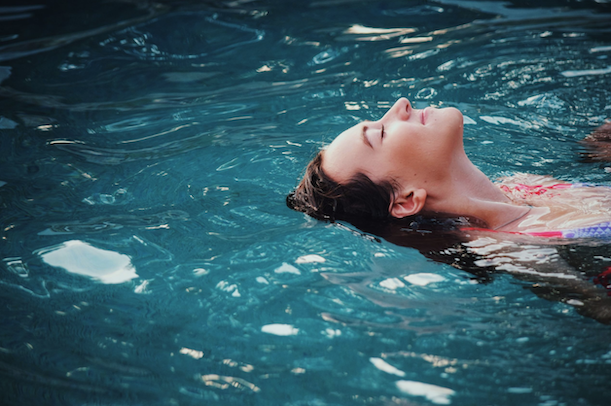
In the past series on Reiki I discussed whether Reiki was a placebo, and cited a variety of scientific experiments to demonstrate it is not. Now I would like to discuss the mechanisms of healing. Like all other aspects of healing, the mechanism is little understood. So I would like to discuss the range of ideas concerning such mechanisms. At one end of this range, is the belief, held by many healers, that they are channelling a higher spiritual energy that ultimately derives from God. This energy is often referred to as “divine love” or “unconditional love” by healers. At the other end of the range there are many theories which are based on our knowledge of science, particular physics. The possibility that any conventional electromagnetic energy may be a candidate for “healing energy” seems unlikely as healing has been shown, at times to operate outside the dimensions of space & time. For example there are a wide variety of scientific experiments were healing procedures were partly or wholly undertaken at a distance1. Between these 'spiritual' and 'material' poles there is a middle ground of ideas concerning healing mechanisms based on the concepts of subtle energies, the subtle energy bodies of all living organisms and the universal energy known by names such as prana and chi. . I personally believe that I act as a channel for universal energy that comes from the natural world. References Dossey, L. (1993). Healing Words. The Power of Prayer and the Practice of Medicine. Harper Collins; New York.
How to prevent gallstones
Although no definite preventive technique for gallstone development has been discovered yet, research shows that there are ways people can lower their risk for these stones.
Refrain From Taking These Medications
If you are taking any of these medications, remember that the following can increase your risk for gallstones:Cholesterol-lowering drugs: Medicines like gemfibrozil (Lopid) and fenofibrate (Tricor) can increase your gallstone risk. Although they may decrease your blood cholesterol levels, these medicines can also increase the amount of cholesterol released in bile. Hormone therapy: HRT is a general term referring to the administration of estrogen or a combination of estrogen/progestin therapy. Increased estrogen levels can cause the body to produce more cholesterol and raise the levels of it in bile. As such, if you are a woman who is undergoing HRT or is taking high-dose birth control pills, talk to your doctor about your gallstone risk and ask if there are other hormone-related medications that are better for you.A Healthy Lifestyle Can Lower Your Gallstone Risk
Decreasing your risk for gallstones begins with a healthy lifestyle, specifically by following these habits:Maintaining a healthy weight: People who are overweight or obese have a higher risk of gallstones. Boost your diet with these foods:ReferencesThe following common practices can also raise your gallstone risk, so it's best to avoid them:- Unlimited amounts of fresh, organic and vegetables, especially fiber-rich options (just make sure to introduce these foods slowly into your diet, since they can prompt digestive discomfort, especially in those who have had gallbladder surgery).
- Moderate quantities of high-quality protein from meat ideally organic.
- High portions of healthy fats from sources like avocados, coconut oil, organic butter, pastured egg yolks and raw nuts like macadamias, pecans and pine nuts.
• Exercising regularly: Research shows that moderate physical activity can help with increasing the body’s levels of high-density lipoprotein cholesterol (HDL) or “good” cholesterol.- Skipping meals or fasting for long periods of time. As much as possible, try to stick to your usual mealtimes.
- Following diets that promote rapid weight loss. By rapid I mean aiming to lose more than 1 to 2 pounds, or 0.5 to 1 kilogram, per week.
“What to Do About Gallstones,” Harvard Health Publications Harvard Medical School, March 2011 Marks and Bass, “4 Ways to Prevent Gallstones,” Everyday Health, January 26, 2010 Stöppler and Shiel, “Hormone Therapy (Estrogen Therapy, Estrogen/Progestin Therapy),” MedicineNet, August 23, 2016 “Gallstones,” National Institute of Diabetes and Digestive and Kidney Diseases, November 2013 Mayo Clinic Staff, “Gallstones Self-Management,” Mayo Clinic, August 18, 2016 Mayo Clinic Staff, “Top 5 Lifestyle Changes to Improve Your Cholesterol,” Mayo Clinic, June 19, 2015
