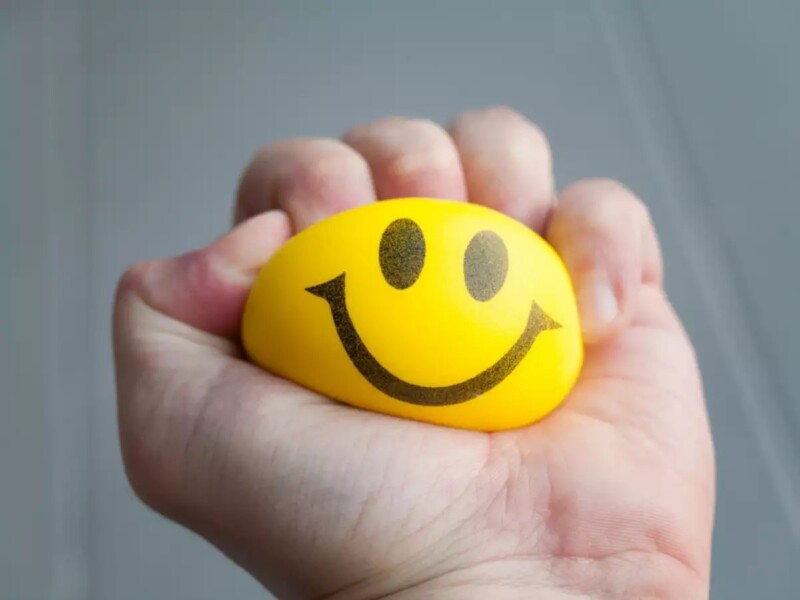
How to chill out…
While it’s impossible to lead a completely stress-free life, finding ways to unwind and “chill out” are key to retaining your energy levels and ultimately your sanity when you have a demaning job.
There are as many techniques to decompress as there are human beings; but when it comes to finding inner calm, practices such as mindfulness, meditation and meditation are usually top of mind. Although these are great tools they don’t appeal to everyone. Personally I love both yoga and adult colouring books. But what can you do it none of these apeal.
My golden rule is any activity that is enjoyable and absorbs you to the extent that you aren’t aware of the time and you stop thinking about work helps you unwind and chill out. So you can choose any activity that helps you distracting your mind from everyday pressures and you love. Once you have choose your activity do it often, and put it in your diary and don’t feel guilty – we all need time out.
One free, easy activity is just going for a stroll. I don’t mean walking fast to hit your 10,00 steps per day target. Just go for a stroll for the sake of it.
Related Posts

One for all you amateur athletes
In my lifetime I have seen more and more people become what a friend insightfully called amateur athletes. This is due to the impact of the public health campaign to get to us to recognise the importance of regular exercise to keep us healthy. This has led to more people going to the gym regularly taking part in all forms of sporting competitions. I appreciate I am older than most of the clients who visit out clinic. But when I was growing up it was quite rare for people to go the gym or for adults to take part in sports-based competitions who were not professional athletes. A recent review published by the British Journal of Sports Medicine concludes that sleep is an important determinant of health, wellbeing and performance in collegiate athletes, it is not always a priority for them. In addition sleep allows the body to repair itself which is crutial if you are working towards a fitness goal e.g. a triathalon or marathon or big hockey game etc This made me wonder about the clients we see at the clinic, who are juggling demanding careers, personal fitness goals, busy social lives, families and sometimes living in environments that are not conducive to restorative sleep. So, I wanted to leave you with a question, how much of a priority is sleep in your life? Here is a reminder of some Sleep tips Reference https://bjsm.bmj.com/content/53/12/731.full
This one if for my fellow women – sorry guys! Part 2
Following on from part 1 on how to treat unirary tract infections naturally here are more tips. Probiotics In a study of postmenopausal women prone to UTIs, a probiotic supplement containting Lactobacillus rhamnosus GR-1 and Lactobascillus reuteri RC-14 cut the number of recurrences by around 50% over a yea. The "good guy" bacteria were almost as effective as antibiotics and they had the advantage of not leading to drug resistant bacteria which may happen with antibiotics. Probiotics also seem to help prevent UTI when use as vaginal suppositories. Ulva Ursi There is evidence to suggest the herby may reduce the duration of a UTI when one strikes. The German Federal Institue for Drugs and Medical devices approves the herb for treatment of UTIs. In one clinical trial, supplements containing standardized extracts of uva ursi as well as dandelion root taken for 1 month effectively prevented UTIs over the following year. Vitamin C Vitamin C may help prevent and treat UTIs by acidifying the urine, creating a hostile environment for infection - causing bacteria. In a study of preganty women, those given daily supplements including 100mg vitamin C experienced significantly fewer UTIs than women given supplements without vitamin C. Reference https://www.ncbi.nlm.nih.gov/pubmed/22782199 https://www.southampton.ac.uk/ctu/news/2018/04/20-atafuti-trial-protocol-publication.page https://www.sciencedirect.com/science/article/pii/S0011393X05802048?via%3Dihub https://www.bmj.com/content/340/bmj.c199 https://www.ncbi.nlm.nih.gov/pubmed/17611821