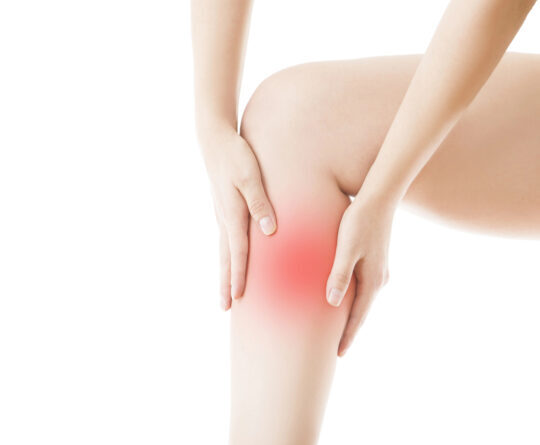
Why do runners to get injured?
While there are many reasons why runner’s get injured I want to share with you what I consider the common causes based on what we treat in clinic.
Posture
I find many clients know they don’t have the perfect posture when they sit at their desks but assume their running won’t be affected. This is wrong, bad posture carries over into your run which can put extra stress on your back and knees. So its important to focus on good running posture which is upper torso straight with head balanced directly over shoulders and lower back not arched.
Training Errors
This is the number 1 cause of running injuries. Training errors basically means your are trying to run too much or too far or too quickly for your body. The body needs time to adapt from training changes and jumps in mileage, intensity or changes in terrain. Muscles need recovery time to they can handle more training demands. If you rush the process you break can down rather than build up. Running experts recommend the 10% rule, which means the maximum speed or distance (note I didn’t say speed and distance) you increase by each week is 10%. So if you run 10 miles in the first week, you run 11 miles in the second week and so on.
RICE – Rest,Ice, Compression and Elevation
All of my clients know rice. However I find too many runners focus on the I (ice), and ignore the RCE. So they tend to get stuck in a cycle of ice-and-run, ice-and-run etc without giving the muscles time to heal. Its like dieting every day until 7pm and then pigging out at the all your can eat buffet! Remember the R in RICE means rest, i.e. don’t run until the injury is better.
Related Posts

More factors that contribute to muscle cramps
Previously I discussed how dehydration & lack of sodium or potassium may cause muscle cramps. I now want to explore other nutritional factors. Calcium Calcium plays an essential role in muscle contractions. Some active people report their problem with cramping disappears when they boost their calcium intake. This anecdotal evidence is disputed by scientists who state that when dietary deficiencies of of calcium occur, calcium is released from the bones to provide what the body needs for proper muscle contraction. If you are plagued by muscle cramps, it may be worth trying to increase your intake of dairy or other calcium rich foods to see if it helps. Magnesium Just as muscles need calcium to contract they need magnesium to relax. Roffe et al demonstrated that magnesium helps reduce leg cramps that occur in the middle of the night.
Reference
Roffe C1, Sills S, Crome P, Jones P (2002), Randomised, cross-over, placebo controlled trial of magnesium citrate in the treatment of chronic persistent leg cramps. Med Sci Monit. 2002 May;8(5): p326-30.
What is a muscle cramp?
What is a muscle cramp? Normal movement of our bodies involves muscles alternating between contract and relaxation. A muscle that contracts involuntarily and is unable to relax is a spasm; and a forceful and prolonged spasm becomes a cramp. A muscle cramp can last anywhere from a few seconds to up to 15 minutes or occasionally longer. Any muscle can develop a cramp, but the most common site for muscle cramps are the legs, particularly the front of the thighs (quadriceps), back of the thighs (hamstrings) and calf muscles (gastrocnemius & soleus). Unfortunately almost everyone, one estimate is 95% of the population will experience a muscle cramp at some time in their life. Muscle cramps are one of those things that also increases as we get older. Those of you that have already had a muscle cramp will undoubtedly remember the unrelenting pain! Tip: Most muscle cramps can be stopped if the muscle can be stretched. Muscle spasms & cramps are one of the most common complaints that massage therapists deal with.