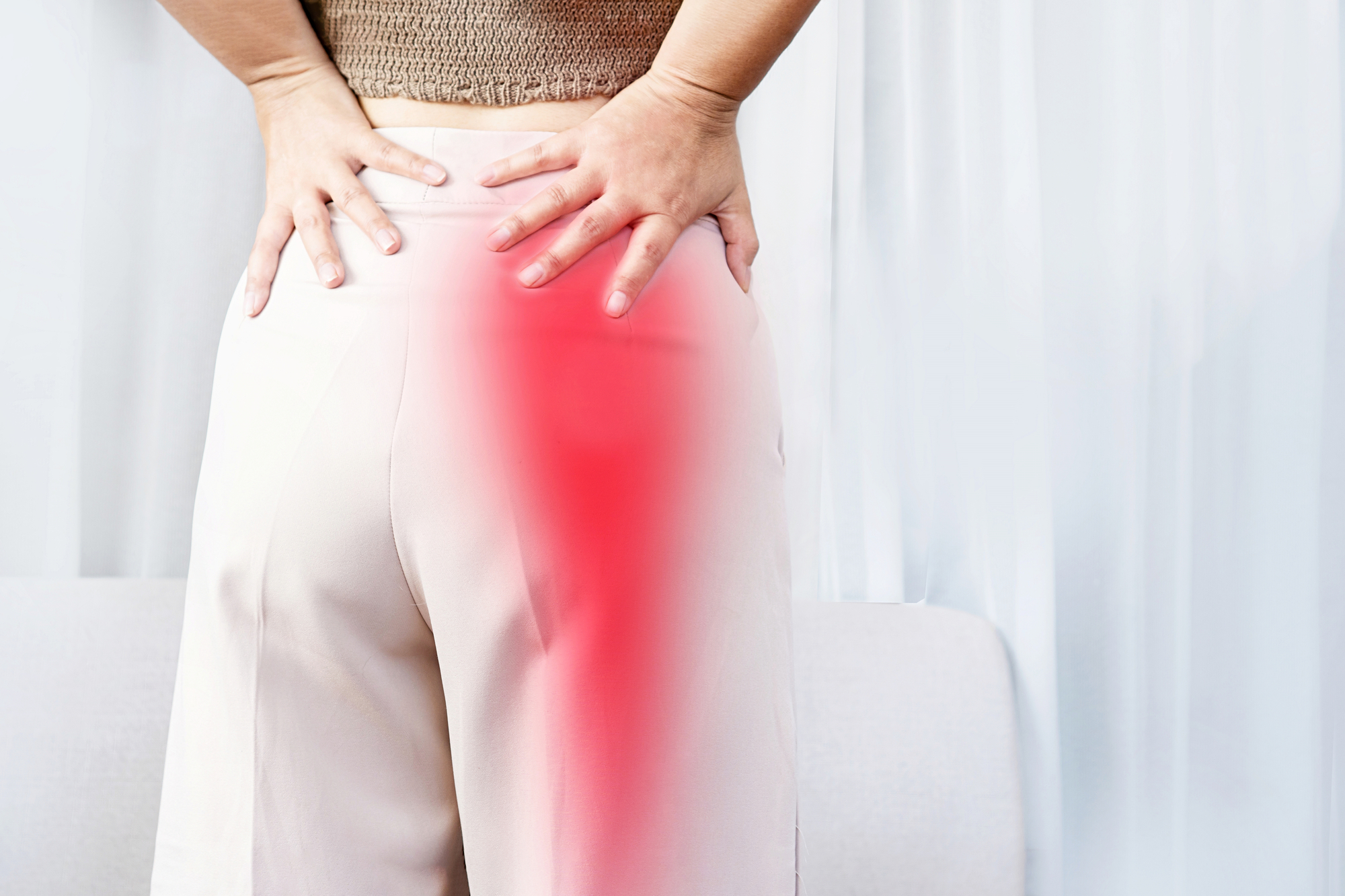
Trigger Points
Often clients sit down to have a massage and are unaware how tight one area of there shoulder or neck is. This is very common and here is why:
- We only notice the worse area of pain – so if our right shoulder is more painful, we have a tendency to assume our left shoulder is OK.
- Trigger Points
What are Trigger Points?
Trigger Points are hyper-irritable spots in muscle which are between 2mm – 10mm in diameter that are located frequently located where the nerves join the muscle fibers. Active trigger points are always tender or painful, and often refer pain, so trigger points in only of the largest shoulder muscles the trapezius often refers pain up the side of the neck. While latent trigger points are only painful when they are touched. This is why when I work, sometime you discover areas of your shoulders that you didn’t know were painful, these are latent trigger points.
Trigger points can be found anywhere in the body but are extremely common in the shoulders.
So if latent trigger points are only painful when you touch them, do I need a massage to release them?
The simple answer is yes as they may restrict your range of movement, so you will feel tightness if you try and rotate your shoulders or they can reduce the strength of your muscles, which puts more strain on your joints.
What causes trigger points?
There are several ideas about what causes trigger points but no agreed theory. Below is a list of possible causes
- Poor Posture
- Muscle Damage
- Nervous Tension
- Physical Stress
- Psyschological Stress
- Environmental Factors – cold, damp
- Illness
- Lack of rest or sleep
- Poor Diet
What are the symptoms of trigger points?
- Restricted movement
- Tension headaches
- Referred pain
- Painful movement of a joint or limb
How can I prevent trigger points forming?
- Maintain good posture
- Manage your stress
- Follow a daily stretching routine
How can I get rid of my trigger points?
- Acupuncture
- Massage
Related Posts

What happens to your intervertebral discs when you sit?
Sitting in office chairs for long periods of time not only affects your muscles but impacts the disks in your spine. In humans over 5 years of age, there is no direct blood supply to the jelly like nucleus of the intervertebral discs. The intervertebral discs therefore rely upon fluid inflow and outflow for their nutrition: when you lie down, the pressure comes off the discs and they expand, absorbing water and nutrients as they do so (rather like a sponge expanding and sopping up a spill on the floor). Unloaded Disc Filling with nutrient rich liquid
 When you stand up, the discs are compressed and their watery component is squeezed out, thus removing waste products at the same time.
Loaded Discs Being Compressed
When you stand up, the discs are compressed and their watery component is squeezed out, thus removing waste products at the same time.
Loaded Discs Being Compressed
 Similar squeeze/expand cycles are occurring every time that we move, both day and night. This means you must move in order to “feed” your discs and keep them healthy. The disc squeeze/expand cycle is crucial to spinal health. It is well proven that your degenerative disc "disease" progresses faster over time if your discs can't alternate compression with expansion. As sitting more than half the time at work is associated with herniated discs (or slipped discs) and sciatic nerve pain in those older than 35, so try to get up and move as much as possible.