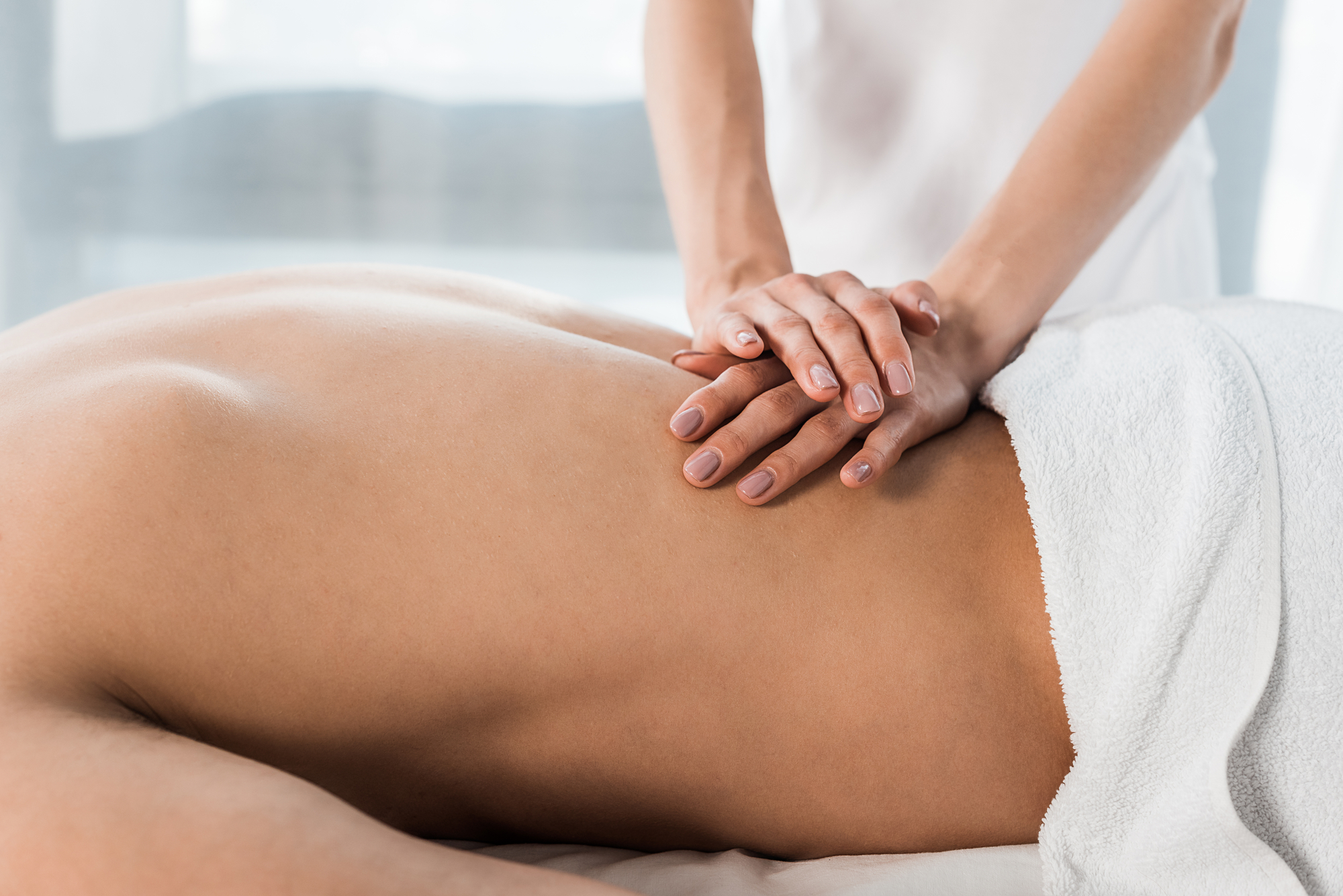
Can Sports Massage help prevent sports injuries?
Athletes who are looking to improve performance and increase their competitive edge do so by adopting a training schedule to enhance their skill, strength, stamina, suppleness and speed. The degree to which they develop and utilise these qualities will depend on other factors such as the level of competition, the sport played, and possibly their position in a team. However, no matter which sport, the aim is nearly always to increase the level of training and thereby subject the body to gradual and controlled overuse.
This overuse can often create problems and imbalances in the muscles. If these are ignored and allowed to become chronic, they will not only hinder the athlete’s rate of improvement, but also in many cases their performance may well suffer and ultimately the athlete may be susceptible to developing more conditions that are serious. Certainly if they are unable to perform at their best, they may be more at risk from other more traumatic forms of injury. So it is essential to treat muscular imbalances early.
Whether it is to carry out our normal daily activities or to participate in the majority of sporting activities, it is necessary to have normal range of movement at any given joint(s). It has been suggested that a lack of flexibility can increase the risk of musculoskeletal injuries as reduced muscle flexibility may restrict joint range of movement creating abnormal movement patterns. For example shortened calf muscles may restrict ankle dorsiflexion, causing an altered gait pattern while running or walking. This may produce a compensatory pattern of walking, with a laterally turned out foot, eventually leading to pain in the hip or knee.
A sports masseur can determine if the muscular imbalance caused by training has impacted the range of movement of the client by assessing the range of movement. By detecting these muscular imbalances early, before they become more serious and cause pain or impact an athlete’s performance a sports massage can prevent injury. The prevention of injury is the biggest benefit of sports massage.
Related Posts

A Guide to Sciatica
One of the most common questions I get asked, by my clients is "is my back pain sciatica?". So I would like take some time to explain what sciatica or piriformis syndrome is. Sciatica is the irritation of inflammation of the sciatic nerve, which runs from L3 down through your legs and feet to your toes, so its the longest (and widest) nerve in the human body. The reason sciatica is called piriformis syndrome is that the piriformis muscle (which is in your bum) can compress the sciatic nerve. Because in most people approximately 87% the sciatic nerve passes below the piriformis muscle, in approximately 13% people the sciatic nerve passes in part or entirely though the piriformis muscle. So tightness in the piriformis muscle is a major cause of sciatica and this tightness can be exasperated by prolonged sitting. Other notable causes are trauma to your lower back or your pelvis, a history of herniated disc in your lower back and some systemic diseases e.g. diabetes. So how can you tell if you have sciatica or lower back pain? Sciatic is characterised by the presence of one or more of the following symptoms:
- Constant pain in one side of the buttock or back of one leg.
- Sharp or burning pain or tingling radiating down the back of your thigh.
- Pain is worse when sitting for long periods of time.
- Pain may be aggravated by sneezing, stooping or straining.
- You feel that you want to slouch away from the effected side.
- Possible pins and needles or parasthesia (numbness) down leg.

Why do muscles get stiff and painful?
Muscle fibers are designed to tense and relax and go through a natural tense/relax cycle as you use your body. A muscle under sustained tension without a corresponding relaxation phase becomes stiff and eventually spams causing pain. There are three reasons why muscles don’t relax:
- Overuse is for example when you injury yourself in the gym.
- Disuse is when your muscles tense when you are at your desk due to the body’s natural response to the demands and pressure you are under. Muscles are designed to be used which means if you sit still for long periods the muscular tension doesn’t dissipate.
- Misuse for the majority of people this is due to poor habits when walking, standing and sitting. Sedentary lifestyles means the muscles of the legs are often held in contracted positions for long periods of time and which can lead to stiffness. Sitting at computers for long hours keeps the neck and back in fixed positions causing the same muscles to contract which can lead to muscle tension and in some people muscle pain.
- Stretching Often - Stretching is, of course, a valuable way to relieve muscle stiffness.
- Exercise - Exercise in general is extremely good for releasing muscular stiffness, improving your mood and creating good health.
- Yoga -You can also consider yoga, which is a form of both exercise and stretching, and may have a positive effect on your future muscle discomfort.
- General Health - Your muscles are also very sensitive to your general health as well. You need to do anything you can to make sure you're getting enough sleep, eating protein, and drinking water. These small changes are going to improve your muscle health, which should improve the way your muscles deal with demanding lifestyles.
- Massage - Massage is an excellent way to combat muscle stiffness and pain.