
Spiritual Connection
The holistic approach has the view that we are spiritual beings in physical bodies; that we take on our physical form at our birth and return to the spiritual dimension after out death. It is important to get ourselves out of the hurly-burly of everyday life and to expand our state of awareness and consciousness by becoming more away or our own spiritual nature. People often suffer without realising it, from longing to connect to their own spiritual nature. Religious belief, prayer and meditation are the most well-known way to expand out awareness, consciousness and reconnect with our spiritual nature.
Often it is an intense shock of a diagnosis of a life threatening disease e.g. cancer that awakens people to the reality of their spiritual connection. For the rest of us, there are often fleeting moment of spiritual connection when we are in nature, when we meditate, when we pray or experience moment of intense joy, beauty or pain. Others feel the reality of the spiritual dimension through experiencing the loving presence of a loved one who has passed away, spirit guides or divine beings. The purpose of mediums is try to contact this spiritual dimension to provide evidence of life after death. For the skeptics amongst you Michael Newton’s books the Journey of Souls and the Destiny of Souls may provide more evidence to support the idea of life after death and a the concept that we are spiritual beings in physical bodies.
Buddhists and Yogis believe that the material world and even our emotions are the illusion and that the spiritual dimension is the only reality. They maintain that our preoccupation with the material world stops us from experiencing the bliss and freedom of the spiritual dimension.
For myself, I believe we very much live in this material world with jobs to do, children to parent and bills to pay so I always try to have my feet firmly routed here on earth. While I am not religious, I find being aware of my spiritual self and actively trying to increase my spiritual connection as it nourishes me and give me a sense of perspective and peach of mind which I find reassuring in my everyday life. So while my feet are firmly routed here on earth my head is in heaven.
Related Posts

Mindfulness versus Meditation
Mindfulness is gaining popularity as is meditation. Advocates recommend both as tools to assist us with our modern 24/7 non-stop busy lives that are packed with conflicting demands and uncertainty. But Mindfulness and Meditation are not synonymous. Meditation is one technique for practicing mindfulness but not the only one. I know many people, including myself, find meditation difficult as it requires dedication and practice. So I was very interested to read Ellen Langer, (of Harvard University) who is considered the mother of mindfulness, define mindfulness as the "simple process of noticing new things.". One of the things that puts busy people of Mindfulness is the misconception that is requires effort. So if you thought mindfulness was just as easy as mindlessness would you be more mindful?
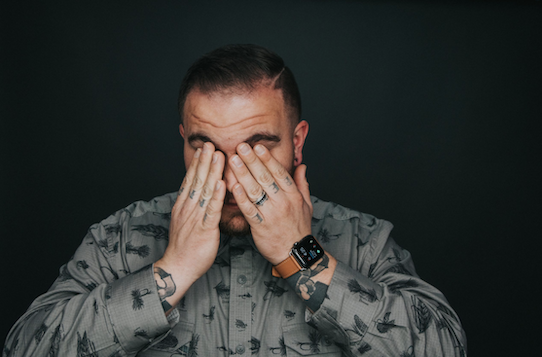
How much stress is too much?
How much stress is too much?
Because of the widespread damage stress can cause, it's important to know your own limit. But just how much stress is "too much" differs from person to person. We're all different. Some people are able to roll with the punches, while others seem to crumble in the face of far smaller obstacles or frustrations. Some people even seem to thrive on the excitement and challenge of a high-stress lifestyle. Your ability to tolerate stress depends on many factors, including the quality of your relationships, your general outlook on life, your emotional intelligence, and genetics.Things that influence your stress tolerance level
- Your support network – A strong network of supportive friends and family members can be an enormous buffer against life’s stressors. On the flip side, the more lonely and isolated you are, the greater your vulnerability to stress.
- Your sense of control – It may be easier to take stress in your stride if you have confidence in yourself and your ability to influence events and persevere through challenges. If you feel like things are out of your control, you’re likely to have less tolerance for stress.
- Your attitude and outlook – Optimistic people are often more stress-hardy. They tend to embrace challenges, have a strong sense of humor, and accept that change is a part of life.
- Your ability to deal with your emotions – You’re extremely vulnerable to stress if you don’t know how to calm and soothe yourself when you’re feeling sad, angry, or overwhelmed by a situation. The ability to bring your emotions into balance helps you bounce back from adversity and is a skill that can be learned at any age.
- Your knowledge and preparation – The more you know about a stressful situation, including how long it will last and what to expect, the easier it is to cope. For example, if you go into surgery with a realistic picture of what to expect post-op, a painful recovery will be less traumatic than if you were expecting to bounce back immediately.
Physical Impact of Stress on the body – Part 1
Stress is a natural human response that enables the body to cope during certain situations. There are three phases to our stress response:
- Phase 1 - The Alarm Phase
- Phase 2 - The Resistance Phase
- Phase 3 - Exhaustion
- Corticotropin
- Growth hormone
- Thyroptropin
