
Do you have painful wrists?
We use are wrists all the time. More now as we live our lives on line meaning we use computers more and then we often go to the gym and lift weights all of which load are wrists. Most people have heard of RSI (Repetitive Strain Injury) and is characterised by pain in the wrist and forearm from repetitive use. In addition, you have probably heard of carpal tunnel syndrome, a painful wrist disorder induced by compression on the median nerve within the carpal tunnel.
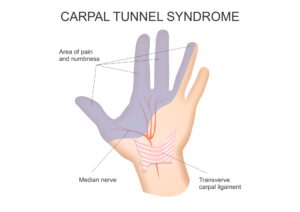
Both are characterised by:
- numbness, pins & needles, tingling, weakness in the arms and/or hands
- pain in forearms often a full ache but can become a sharp/shooting pain when using your hands and arms
- pain in palms which may be worse at night
Risk factors which may contribute are:
- Computer usage greater than 2 to 4 hours per day
- Infrequent rest break when using a computer
- Hypermobile joints
- Poor posture
- Sedentary lifestyle
- A stressful work environment
- Being overweight
If your wrists or forearms feel inflamed, then you will benefit from being benefited from resting and being iced.
I find in clinic, clients are often surprised if I massage their forearms at how “tight they feel”. If you are having problems or pain in your wrists, RSI or carpal tunnel syndrome then you may benefit from massage.
Related Posts

Heel Pain – Part 2 – Grumbling Achilles Tendon
Last week I discussed Plantar Fasciitis one of the major causes of heel pain, this week I am going to discuss a grumbling achilles tendon, or to be technically correct, non-insertional Achilles tendinopathy, he other major cause of heel pain. Although a rupture of the Achilles is well known, it is actually more common to have what is known as a grumbling Achilles. The pain is felt at the back of the heel above where the Achilles tendon joins the bone. It feels stiff and swollen, particularly in the morning and can prevent the sufferer from taking part in sport. Sometimes the pain is lower down where the tendon joins the bone. How can I tell if my heel pain is a grumbling achilles tendon? You may have swelling over or either side of your achilles tendon which runs from your heel to your calf muscles. The skin over the achilles tendon may be red and/or hot. If you sit down with your feet on the floor and raise your foot, as you use your achilles tendon you may hear a crackling sensation. What causes a grumbling achilles tendon?
- The tab on your shoe rubbing against your achilles tendon.
- Failing to warm up properly before playing sports.
- Over use of the tendon from intensive training, e.g. running
- Scar tissue from a previous injury.
- High impact on hard surfaces e.g. any sport where you jump or tennis.
What is the difference between sports and deep tissue massage?
Deep tissue is a very descriptive name and is self-explanatory. The confusion comes when it is compared to sports massage. The big difference is the focus. Sports massage is dedicated to
- improving sports performance
- prevention of and treating sports injuries
- You work out religiously, but aren't as relgious about stretching
- You cycle or run to work and don't think to stretch
- You play sports but don't cross train so have specific trouble spots
- Your performance (in a particular sport) has dropped
- You have a history of injuries and want to reduce the likely hood of further injuries
- You work at a computer all day and your neck, shoulders & back are chronically sore
- You are so tense your back feels like concrete
- You have tired achy legs
- You are in pain
- You are stiff (or are unable to move your neck/arm/leg freely)
- You are stressed or anxious
- You have a knot or a muscle spasm
