
Can reflexology reduce the severity of nausea?
Researchers in Iran conducted a randomised control trail to see if reflexology could assist patients undergoing haemodialysis with their nausea. Haemodialysis is a way of replacing some of the functions of your kidney, if your kidneys have failed, by using a machine to filter and clean your blood.
72 patients were assigned to either an intervention group or control group. The control group received a foot massage. The intervention group received 30-minute reflexology treatments once per day for 12 days, one hour after haemodialysis. The patients were asked to complete a questionnaire to assess the severity of the nausea 15 minutes after the intervention each day.
The results showed differences between the groups after treatment, with the severity of the nausea significantly lower in the reflexology group.
There are may different causes of nausea including viruses, medication, anxiety, pregnancy & haemodialysis.
It is thought the reflexology may reduce the nausea indirectly by decreasing the related symptoms such as anxiety.
Reference
Related Posts

After 20 years of genetically modified crops are they a sucess?
I have never been that keen on the idea of eating genetically modified food. I understand the economic argument about same amount of land would give you a greater yield and that the crops would be more robust and hence would need less pesticides. But I have always had my concerns about if scientist truly understood all the implications of modify crops. In Europe generally the idea of fooling with nature caused widespread protests. Genetically modified crops were more acceptable in North America and were introduced 20 years. Well I can safely say that any fears I had about any adverse side effects or any other fears of GM crops being "Frankenstein" food that is harmful to humans were laid to rest a long time ago. So I would say that GM crops are now more acceptable by the European general public, who here in the UK we probably eat GM crops that are imported from North America. So on the "Frankenstein" criteria they have been very successful. But what about the economic arguments that were put forward 20 years ago. Data from the united nations reveals that there is no discernible advantage in yields between North America and Europe that didn't introduce GM crops. Since GM crops like corn, cotton and soyabeans were introduced into North America the use of toxic chemicals to kill insects and fungi has fallen by 33% but the spraying of herbicides has increased by 21%. In France, the use of insecticides and fungicides has fallen by 65% and herbicide spraying as fallen by 36%. This suggests that GM crops aren't as robust as originally envisaged by scientist and they don't produce more abundant harvests either. So western europe didn't loose out by not introducing GM crops. Where GM crops do seem to have made a difference according to Matin Qaim, a researcher at Georg-August-University of Göttingen, Germany, is significant yield gains from insect-resistant varieties of crops in the developing world, particularly in India. References Genetically engineered crops: Experiences and Prospects report see >> https://www.nap.edu/login.php?record_id=23395
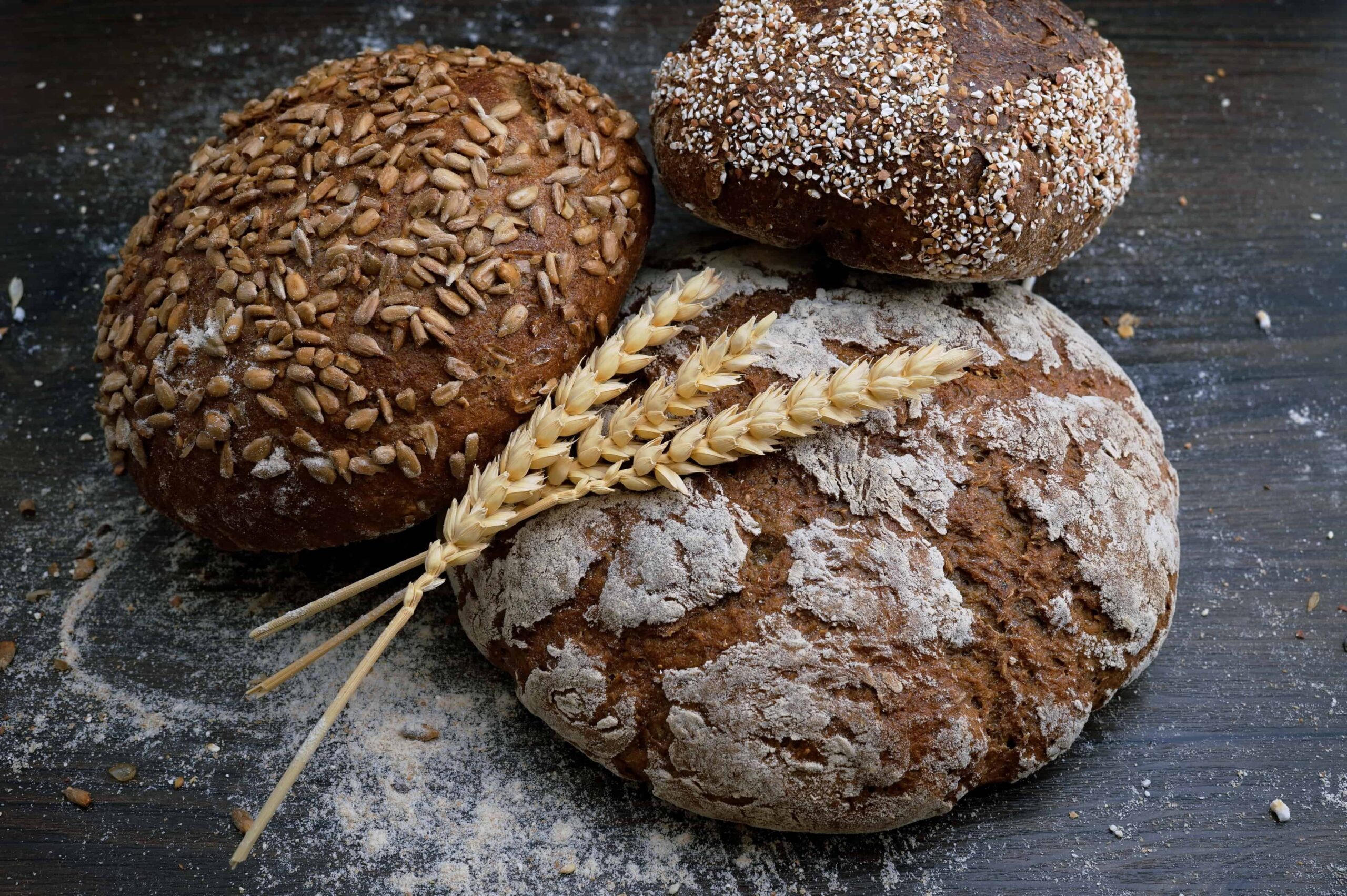
A type of bread IBS sufferers can tolerate
We all know that fibre is an essential part of everyone's diet, but for IBS sufferers it can be a challenge to get enough fibre into their diet. Researchers from the University of Helsinki gave two types of Rye bread - the standard loaf and a rye loaf that was low in FODMAPs (fermentable olgi-, di and monosaccharides and polyols) to 87 IBS suferers for four weeks. Then after a break of four weeks, switched the two breads for another period of four weeks. As expected the standard Rye bread caused all the usual symptoms assocaited with IBS:
- abdominal pain
- diarrhoea
- constipation
Does reflexology improve quality of life at end of life?
With a 50% chance of a cancer diagnosis and a 50% chance of surviving cancer, cancer will touch all our lives. Cancer Research statistics
- 1 in 2 people born after 1960 in the UK will be diagnosed with some form of cancer during their lifetime.
- 50% survive cancer for 10 or more years.
- appetite
- breathing
- constipation & diarrhea
- fears of the future
- pain
- nausea
- sleep
- communication
- tiredness
