
Natrual Ways to Reduce Anxiety – Part 1
Anxiety is very comman and from time to time its perfectly natural. However when it becomes excessive then its time to do something about it. There are several types of anxiety
- General anxiety disorder
- Panic attacks or panic disorder
- Phobias
- Obsesive compulsive disorders
Cognitive Behavioural therapy, a form of counscelling is on one of the most effective long term treatments for anxiety-related disorders.
Over the next few blog articles I want to share some natural ways that may help.
Passionflower (Passiflora Incarnata), a herb has been used for centuries as a mind calmer and mood boster. There is strong evidence it is effective and in one study it was just as effective as the anti-anxiety drug, oxazepam for generalised anxiety.
Reference
Related Posts

Holistic holiday first aid kit – part 2
So I am off on holiday to Japan and thinking about what to pack apart from the obvious clothes, toothbrush etc. In part 1 I discussed my two go to solutions. So now I wanted to share some other ideas: Skin MOA, TheGreenBalm can be used to soothe dry itchy skin, calm minor rashes and burns. It contains both tea-tree oil which is a natural anti-bacterial agent and yarrow a herb well know for its skin-healing properties. Sunburn Fushi wild andiroba oil harvested from the tropical rainforests of south and central america has antibacterial and antiinflamatory properties in the oil. Which makes it great for sunburn, repelling bugs and to moisturize dry or damaged hair. A more readily available remedy is aloe vera. Travel Sickness Ginger has long been the go to natural remedy for any type of sickness including travel sickness. Pukka three ginger tea also contains galangal another plant often recommend for motion sickness as well as anti-inflamatory turneric and soothing licqorice root so it may be useful for calming an upset stomach as well as alleviating travel sickness. Bug Bites Zap Ease from Incongnito (www.lessmosquito.com) is a natural mosquito-repellent maker. I haven't tried the product but it is award winning. A few "clicks" of Zap-Ease around the area of a bit "has the effect of localising the posing and inhibiting the histimine release, which causes the itch and the urge to scratch". The device is harmless but not recommended for kids under 2 years old and people with pacemakers.
Natural ways to boost fertility through diet
In my previous post, I shared tips on how to change your lifestyle to boost your fertility. In this post, I wanted to share some tips on nutrition to boost your fertility based on scientific evidence. 1. Take a multivitamin Women who take a daily multivitamin take 5% less time to conceive than those taking a placebo. 2. Supplementation Take supplementation to correct any nutritional deficiencies. A study showed that magnesium deficiency is associated with female, infertility, increased miscarriage rates, and increased incidences of premature and low-birth-weight babies. When magnesium supplements were given for four months to six magnesium deficient women with unexplained infertility, all six conceived within the following eight month and produced healthy babies. In men, low levels of zinc have been linked to poor sperm quality and infertility. 3. Optimise your diet. Researchers found that an optimal diet for fertility was one with:
- a lower intake of trans fats with a greater intake of monounsaturated fats (found in olive oil, avocados and nuts)
- a lower intake of animal protein with a greater intake of vegatable protein (found in peas, lentils and beans)
- a greater intake of plant-based iron (from sources like whole grains, leafy green vegatables, nuts and seeds)
- a preference for high-fat diary products (like full-fat cheese and milk)
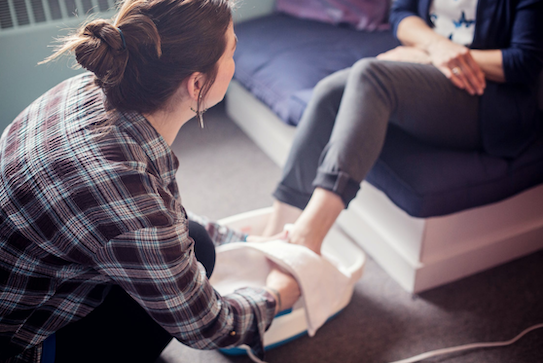
Whats the most effective recovery strategy from after a run?
Fatigue in sport has become a topic of interest among athletes, coaches and sport scientists because it affects athletic performance across a wide range of sports. Sports related fatigue can be defined as a decline of muscle force or an exercise induced impairment of performance. (Knicker, 2011).Scientists recruited 46 healthy male recreational runners taking part in the same half marathon event and assigned them to four groups of equal ability, which either had sports massage, cold water immersion (ice baths), active recovery or passive rest within 15 minutes after the event.The sports massage group had a 20 minutes post event sports massage focusing on the legs. The cold water immersion group sat in cold baths where the temperature was maintained at fifteen degrees centrigrade plus/minus 1 degree. While participants in the passive rest group sat at rest on a bench. While those in the active recovery group jogged at 60% of their anaerobic threshold for all 15 minutes.24 hours before the half marathon, immediately after the intervention and then 24 hours after the race jump height, muscle soreness, perceived recovery and stress were measured. The results show the sports massage and cold water immersion had no effect on objective markers of fatigue such as changes in muscle and the blood but they did have a significant effect ont he subjective fatigue measures, including perceived recover and muscle soreness. These interventions were more effective than passive rest while active recovery had no physical advantage and a negative effect on perceived recovery.Reference
